
Articles | Volume 19, issue 13
https://doi.org/10.5194/gmd-19-5857-2026
© Author(s) 2026. This work is distributed under
the Creative Commons Attribution 4.0 License.
the Creative Commons Attribution 4.0 License.
https://doi.org/10.5194/gmd-19-5857-2026
© Author(s) 2026. This work is distributed under
the Creative Commons Attribution 4.0 License.
the Creative Commons Attribution 4.0 License.
Model description paper
| 
06 Jul 2026
Model description paper |
| 06 Jul 2026
| 06 Jul 2026
A food crop yield emulator for integration in the compact Earth system model OSCAR (OSCAR-crop v1.0)

College of Urban and Environmental Sciences, Peking University, 100871 Beijing, People's Republic of China
International Institute for Applied System Analysis (IIASA), 2361 Laxenburg, Austria
Thomas Gasser
International Institute for Applied System Analysis (IIASA), 2361 Laxenburg, Austria
Jianmin Ma
College of Urban and Environmental Sciences, Peking University, 100871 Beijing, People's Republic of China
Junfeng Liu
College of Urban and Environmental Sciences, Peking University, 100871 Beijing, People's Republic of China
Jonas Jägermeyr
Columbia University, Climate School, New York, NY 10025, USA
NASA Goddard Institute for Space Studies, New York, NY 10025, USA
Potsdam Institute for Climate Impacts Research (PIK), Member of the Leibniz Association, Potsdam, Germany
Christoph Müller
Potsdam Institute for Climate Impacts Research (PIK), Member of the Leibniz Association, Potsdam, Germany
Christian Folberth
International Institute for Applied System Analysis (IIASA), 2361 Laxenburg, Austria
Florian Zabel
Department of Environmental Sciences, University of Basel, 4056 Basel, Switzerland
Atul K. Jain
Department of Atmospheric Sciences, University of Illinois, Urbana, IL, USA
Wenfeng Liu
State Key Laboratory of Efficient Utilization of Agricultural Water Resources, China Agricultural University, Beijing 100083, People's Republic of China
Center for Agricultural Water Research in China, College of Water Resources and Intelligence Engineering, China Agricultural University, Beijing, People's Republic of China
Heidi Webber
Leibniz Centre for Agricultural Landscape Research (ZALF), Müncheberg, Germany
Related authors
Xiaohu Jian, Xiaodong Zhang, Xinrui Liu, Kaijie Chen, Tao Huang, Shu Tao, Junfeng Liu, Hong Gao, Yuan Zhao, Ruiyu Zhugu, and Jianmin Ma
Atmos. Chem. Phys., 25, 4251–4268, https://doi.org/10.5194/acp-25-4251-2025, https://doi.org/10.5194/acp-25-4251-2025, 2025
Short summary
Short summary
We implemented a new global land-use-change (LUC) dataset from 1982 to 2010 into a compact earth system model and carried out extensive multiple model scenario simulations. Our result reveals that the global radiative forcing (RF) induced by LUC driving surface albedo change is −0.12 W m−2, 20 % lower than the Intergovernmental Panel on Climate Change (IPCC), and vegetation changes play a key role in RF evolution, which provides an important reference for the assessment of earth energy balance.
Xiaodong Zhang, Ruiyu Zhugu, Xiaohu Jian, Xinrui Liu, Kaijie Chen, Shu Tao, Junfeng Liu, Hong Gao, Tao Huang, and Jianmin Ma
Atmos. Chem. Phys., 23, 15629–15642, https://doi.org/10.5194/acp-23-15629-2023, https://doi.org/10.5194/acp-23-15629-2023, 2023
Short summary
Short summary
WRF-Chem modeling was conducted to assess impacts of Western Pacific Subtropical High Pressure (WPSH) on interannual fluctuations of O3 pollution in China. We find that, while precursor emissions dominated the long-term trend and magnitude of O3 from 1999 to 2017, WPSH determined interannual variation of summer O3. The response of O3 pollution to WPSH in major urban clusters depended on the proximity of these urban areas to WPSH. The results could help long-term O3 pollution mitigation planning.
Michel Bechtold, Benjamin Poschlod, Christian Otto, Jan Volkholz, Matthias Büchner, and Florian Zabel
Earth Syst. Sci. Data, 18, 6637–6648, https://doi.org/10.5194/essd-18-6637-2026, https://doi.org/10.5194/essd-18-6637-2026, 2026
Short summary
Short summary
Many climate impacts depend on what happens within a day: heat stress peaks in the afternoon and solar or wind power rise and fall hour by hour. Yet global climate projections are usually published only as daily averages. We converted them into hourly data for global land areas, covering 1850 to 2100 and several future scenarios. The dataset is freely available and lets researchers estimate impacts on health, water and energy far more realistically.
Sibyll Schaphoff, David Hötten, Christoph Müller, Dieter Gerten, Sebastian Ostberg, and Werner von Bloh
Geosci. Model Dev., 19, 7615–7651, https://doi.org/10.5194/gmd-19-7615-2026, https://doi.org/10.5194/gmd-19-7615-2026, 2026
Short summary
Short summary
Methane is a powerful driver of climate change, yet emissions from wetlands and farming remain uncertain. We improved a global vegetation model that links water, plants and soils to methane production and release. The model now captures waterlogged areas, methane creation and escape, and flood-tolerant plants. It reproduces global wetland patterns and emissions more realistically, helping assess how climate and land-use change may affect future methane release and improve climate projections.
Christian Folberth, Artem Baklanov, Nikolay Khabarov, Thomas Oberleitner, and Juraj Balkovic
EGUsphere, https://doi.org/10.5194/egusphere-2026-4018, https://doi.org/10.5194/egusphere-2026-4018, 2026
This preprint is open for discussion and under review for Earth System Dynamics (ESD).
Short summary
Short summary
Process-based crop-climate impact studies often use only few climate models due to computational constraints. Using 29 climate models and a fast crop model emulator, we assess climate and yield changes of four major crops globally. Small model subsets may capture temperature changes but often miss the full range of rainfall and crop yield outcomes. Often, the full climate ensemble is needed to represent uncertainty in crop impacts, highlighting the value of emulators for robust risk assessment.
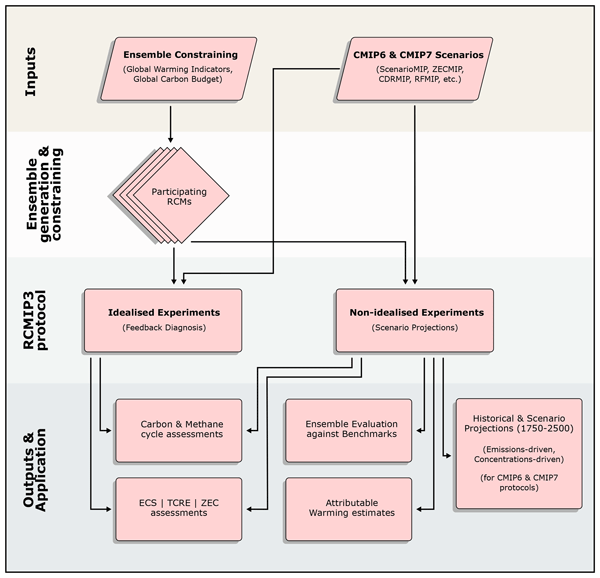
Alejandro Romero-Prieto, Marit Sandstad, Benjamin M. Sanderson, Zebedee R. J. Nicholls, Norman J. Steinert, Thomas Gasser, Camilla Mathison, Jarmo Kikstra, Thomas J. Aubry, Katsumasa Tanaka, Konstantin Weber, and Chris Smith
Geosci. Model Dev., 19, 7111–7133, https://doi.org/10.5194/gmd-19-7111-2026, https://doi.org/10.5194/gmd-19-7111-2026, 2026
Short summary
Short summary
Reduced-complexity models are an important tool in climate science, helping us understand and estimate future climate change. We present the experimental protocol for the next phase of the reduced-complexity model intercomparison project, which aims to compare results from many such models to better understand their behaviour. This knowledge will guide how these models are developed and used in the future, including in the upcoming Intergovernmental Panel on Climate Change (IPCC) assessment report (AR7).
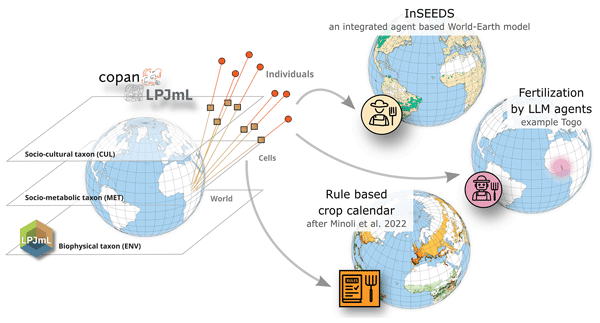
Jannes Breier, Luana Schwarz, Hannah Prawitz, Werner von Bloh, Christoph Müller, Stephen Björn Wirth, Max Bechthold, Dieter Gerten, and Jonathan F. Donges
Geosci. Model Dev., 19, 6829–6855, https://doi.org/10.5194/gmd-19-6829-2026, https://doi.org/10.5194/gmd-19-6829-2026, 2026
Short summary
Short summary
We present a new modelling framework that combines simulations of environmental change and human decision-making in an integrated approach. It allows researchers to explore how farming decisions affect land, water, and climate, and how these environmental changes influence future decisions. By connecting people and nature, it helps investigate food security, climate adaptation, and sustainability challenges, and supports the development of more realistic scenarios of future environmental change.
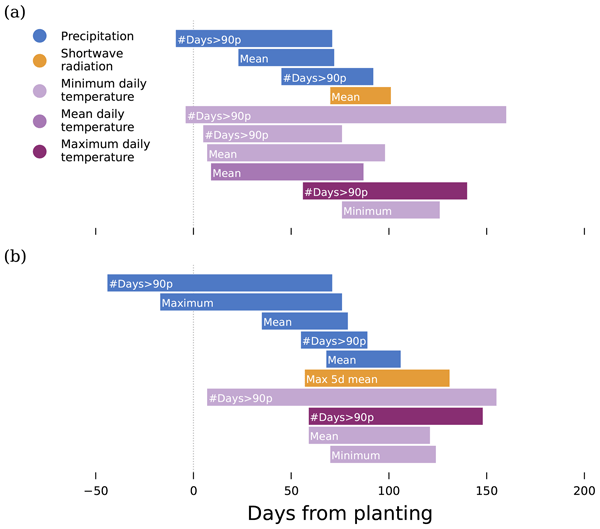
Lily-belle Sweet, Christoph Müller, Jonas Jägermeyr, and Jakob Zscheischler
Geosci. Model Dev., 19, 6687–6735, https://doi.org/10.5194/gmd-19-6687-2026, https://doi.org/10.5194/gmd-19-6687-2026, 2026
Short summary
Short summary
This study presents a method to identify climate drivers of an impact, such as agricultural yield failure, from high-resolution weather data. The approach systematically generates, selects and combines predictors that generalise across different environments. Tested on crop model simulations, the identified drivers are used to create parsimonious models that achieve high predictive performance over long time horizons, offering a more interpretable alternative to black-box models.
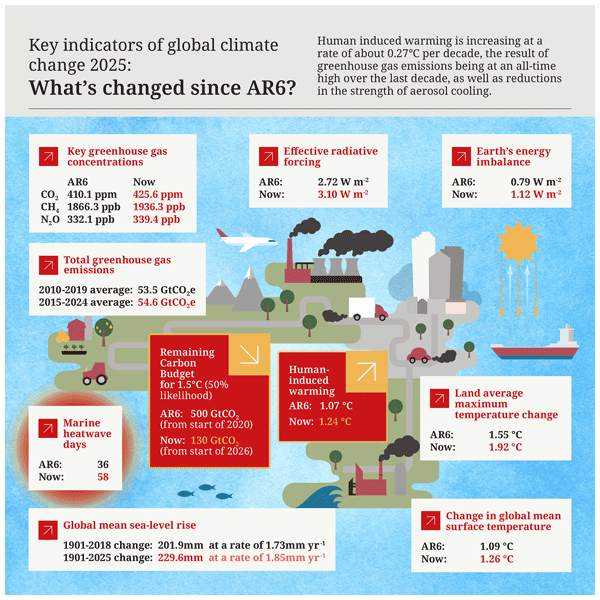
Piers M. Forster, Tristram Walsh, Chris Smith, William F. Lamb, Robin Lamboll, Christophe Cassou, Mathias Hauser, Zeke Hausfather, June-Yi Lee, Matthew D. Palmer, Karina von Schuckmann, Aimée B. A. Slangen, Sophie Szopa, Blair Trewin, Jeongeun Yun, Nathan P. Gillett, Stuart Jenkins, H. Damon Matthews, Krishnan Raghavan, Aurélien Ribes, Joeri Rogelj, Debbie Rosen, Xuebin Zhang, Myles Allen, Robbie M. Andrew, Chris Atkinson, Richard A. Betts, Antonio Bombelli, Samantha N. Burgess, Lijing Cheng, Helen E. Claxton, Pierre Friedlingstein, Thomas L. Frölicher, Catia M. Domingues, Thomas Gasser, Catherine H. Gregory, Rachel M. Hoesly, Daniel Huppmann, Masayoshi Ishii, Christopher Kadow, Alexia Karwat, John Kennedy, Rachel E. Killick, Mahesh V. M. Kovilakam, Paul B. Krummel, Xin Lan, Jean-François Lamarque, Aurélien Liné, Belén Martín-Míguez, Didier P. Monselesan, Colin Morice, Jens Mühle, Pino Mussak, Glen P. Peters, Anna Pirani, Julia Pongratz, Matthew Rigby, Robert Rohde, Abhishek Savita, Sonia I. Seneviratne, Steven J. Smith, Ghassan Taha, Caterina Tassone, Peter Thorne, Christopher Wells, Luke M. Western, Guido R. van der Werf, Susan E. Wijffels, Marco Zecchetto, Junting Zhong, Xiao-Ye Zhang, Valérie Masson-Delmotte, and Panmao Zhai
Earth Syst. Sci. Data, 18, 3889–3933, https://doi.org/10.5194/essd-18-3889-2026, https://doi.org/10.5194/essd-18-3889-2026, 2026
Short summary
Short summary
We give our annual update of key climate indicators. Our work quantifies the human contribution to global warming and the pace of climate change. This represents a large effort by the international community akin to an Intergovernmental Panel on Climate Change (IPCC) report.
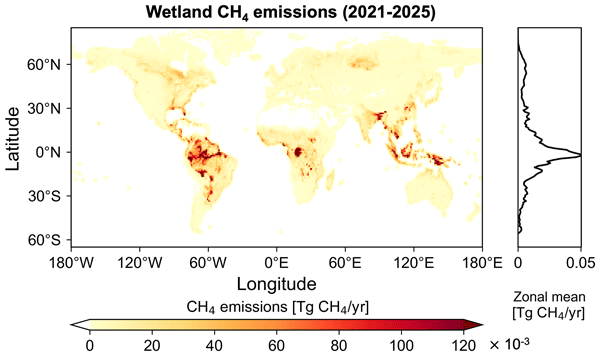
Mengze Li, Robert B. Jackson, Marielle Saunois, Philippe Ciais, Ben Poulter, Josep G. Canadell, Prabir K. Patra, Hanqin Tian, Zhen Zhang, Etienne Fluet-Chouinard, Zutao Ouyang, Ting Zhang, David J. Beerling, Dmitry A. Belikov, Philippe Bousquet, Danilo Custodio, Naveen Chandra, Xinyu Dou, Nicola Gedney, Peter O. Hopcroft, Alison M. Hoyt, Kazuhito Ichii, Akihito Ito, Atul K. Jain, Katherine Jensen, Fortunat Joos, Thomas Kleinen, Masayuki Kondo, Fa Li, Tingting Li, Xiangyu Liu, Shamil Maksyutov, Avni Malhotra, Adrien Martinez, Kyle McDonald, Joe R. Melton, Jurek Müller, Yosuke Niwa, Shufen Pan, Shushi Peng, Changhui Peng, Zhangcai Qin, Peter Raymond, William Riley, Arjo Segers, Rona L. Thompson, Aki Tsuruta, Yi Xi, Kunxiaojia Yuan, Wenxin Zhang, Bo Zheng, Qing Zhu, Qiuan Zhu, and Qianlai Zhuang
Earth Syst. Sci. Data, 18, 3507–3524, https://doi.org/10.5194/essd-18-3507-2026, https://doi.org/10.5194/essd-18-3507-2026, 2026
Short summary
Short summary
We proposed a framework that combines machine-learning and climate data to predict global natural vegetated wetland methane emissions for 2000–2025. We found that although total global emissions remained stable in the post-2020s, Northern Hemisphere emissions surged whilst tropical emissions fell. This approach allows us to rapidly monitor emissions and provides early warnings for climate impacts.
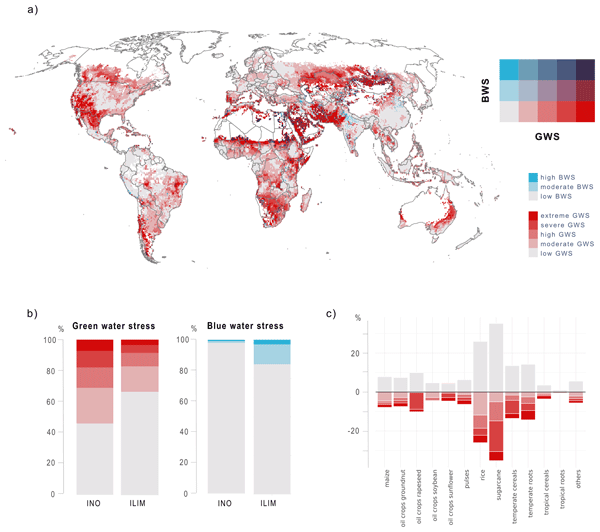
Heindriken Dahlmann, Lauren S. Andersen, Sibyll Schaphoff, Fabian Stenzel, Johanna Braun, Christoph Müller, and Dieter Gerten
Hydrol. Earth Syst. Sci., 30, 3185–3201, https://doi.org/10.5194/hess-30-3185-2026, https://doi.org/10.5194/hess-30-3185-2026, 2026
Short summary
Short summary
Green water stress can negatively affect agricultural production and is often mitigated through irrigation. In this global modelling study, we investigate where and to what extent the implementation of irrigation helps to compensate for green water stress but at the same time leads to an increase in blue water scarcity. Our findings highlight the need to consider both water stresses together, along with their dynamic interactions, for sustainable water management.
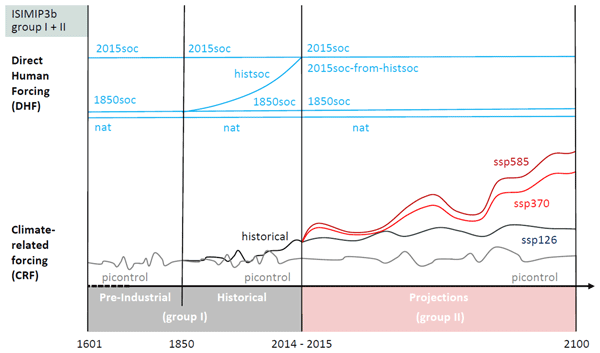
Katja Frieler, Stefan Lange, Jacob Schewe, Matthias Mengel, Simon Treu, Christian Otto, Jan Volkholz, Christopher P. O. Reyer, Stefanie Heinicke, Colin Jones, Julia L. Blanchard, Cheryl S. Harrison, Colleen M. Petrik, Tyler D. Eddy, Kelly Ortega-Cisneros, Camilla Novaglio, Ryan Heneghan, Derek P. Tittensor, Olivier Maury, Matthias Büchner, Thomas Vogt, Dánnell Quesada-Chacón, Kerry Emanuel, Chia-Ying Lee, Suzana J. Camargo, Linn Hamester, Jonas Jägermeyr, Sam Rabin, Jochen Klar, Iliusi D. Vega del Valle, Lisa Novak, Inga J. Sauer, Gitta Lasslop, Sarah Chadburn, Eleanor Burke, Angela Gallego-Sala, Noah Smith, Jinfeng Chang, Stijn Hantson, Chantelle Burton, Anne Gädeke, Fang Li, Simon N. Gosling, Hannes Müller Schmied, Fred Hattermann, Thomas Hickler, Rafael Marcé, Don Pierson, Wim Thiery, Daniel Mercado-Bettín, Robert Ladwig, Ana Isabel Ayala, Matthew Forrest, Michel Bechtold, Robert Reinecke, Inge de Graaf, Jed O. Kaplan, Alexander Koch, Matthieu Lengaigne, Rohini Kumar, and Maryna Strokal
Geosci. Model Dev., 19, 4095–4135, https://doi.org/10.5194/gmd-19-4095-2026, https://doi.org/10.5194/gmd-19-4095-2026, 2026
Short summary
Short summary
This paper describes the experiments and data sets necessary to run historic and future impact projections, and the underlying assumptions of future climate change as defined by the 3rd round of the ISIMIP Project (Inter-sectoral Impactmodel Intercomparison Project, isimip.org). ISIMIP provides a framework for cross-sectorally consistent climate impact simulations to contribute to a comprehensive and consistent picture of the world under different climate-change scenarios.
Marie Hemmen, Heidi Webber, Werner von Bloh, Jens Heinke, and Christoph Müller
EGUsphere, https://doi.org/10.5194/egusphere-2026-1898, https://doi.org/10.5194/egusphere-2026-1898, 2026
Short summary
Short summary
In this study we present a lightweight approach to compute crop canopy temperatures in computationally expensive models, which we apply in the global Lund-Potsdam-Jena managed Land model. The evaluation reveals that the developed approach reproduces cooling and heating effects of the canopy for daily maximum temperatures and suggests that replacement of standard 2 m air temperature input by simulated canopy temperatures improves the skill to model high temperature impacts on crop growth.
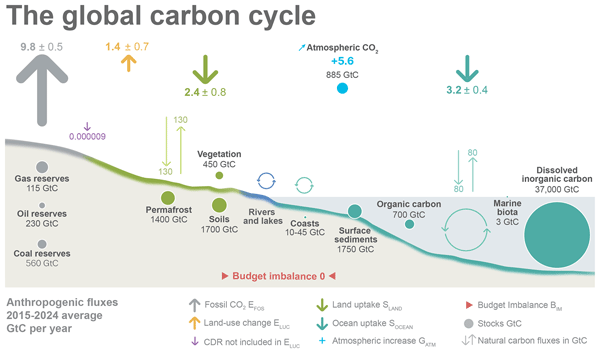
Pierre Friedlingstein, Michael O'Sullivan, Matthew W. Jones, Robbie M. Andrew, Dorothee C. E. Bakker, Judith Hauck, Peter Landschützer, Corinne Le Quéré, Hongmei Li, Ingrid T. Luijkx, Glen P. Peters, Wouter Peters, Julia Pongratz, Clemens Schwingshackl, Stephen Sitch, Josep G. Canadell, Philippe Ciais, Kjetil Aas, Simone R. Alin, Peter Anthoni, Leticia Barbero, Nicholas R. Bates, Nicolas Bellouin, Alice Benoit-Cattin, Carla F. Berghoff, Raffaele Bernardello, Laurent Bopp, Ida Bagus Mandhara Brasika, Matthew A. Chamberlain, Naveen Chandra, Frédéric Chevallier, Louise P. Chini, Nathan O. Collier, Thomas H. Colligan, Margot Cronin, Laique M. Djeutchouang, Xinyu Dou, Matt P. Enright, Kazutaka Enyo, Michael Erb, Wiley Evans, Richard A. Feely, Liang Feng, Daniel J. Ford, Adrianna Foster, Filippa Fransner, Thomas Gasser, Marion Gehlen, Thanos Gkritzalis, Jefferson Goncalves De Souza, Giacomo Grassi, Luke Gregor, Nicolas Gruber, Bertrand Guenet, Özgür Gürses, Kirsty Harrington, Ian Harris, Jens Heinke, George C. Hurtt, Yosuke Iida, Tatiana Ilyina, Akihiko Ito, Andrew R. Jacobson, Atul K. Jain, Tereza Jarníková, Annika Jersild, Fei Jiang, Steve D. Jones, Etsushi Kato, Ralph F. Keeling, Kees Klein Goldewijk, Jürgen Knauer, Yawen Kong, Jan Ivar Korsbakken, Charles Koven, Taro Kunimitsu, Xin Lan, Junjie Liu, Zhiqiang Liu, Zhu Liu, Claire Lo Monaco, Lei Ma, Gregg Marland, Patrick C. McGuire, Galen A. McKinley, Joe R. Melton, Natalie Monacci, Erwan Monier, Eric J. Morgan, David R. Munro, Jens D. Müller, Shin-Ichiro Nakaoka, Lorna R. Nayagam, Yosuke Niwa, Tobias Nutzel, Are Olsen, Abdirahman M. Omar, Naiqing Pan, Sudhanshu Pandey, Denis Pierrot, Zhangcai Qin, Pierre Regnier, Gregor Rehder, Laure Resplandy, Alizée Roobaert, Thais M. Rosan, Christian Rödenbeck, Jörg Schwinger, Ingunn Skjelvan, T. Luke Smallman, Victoria Spada, Mohanan G. Sreeush, Qing Sun, Adrienne J. Sutton, Colm Sweeney, Didier Swingedouw, Roland Séférian, Shintaro Takao, Hiroaki Tatebe, Hanqin Tian, Xiangjun Tian, Bronte Tilbrook, Hiroyuki Tsujino, Francesco Tubiello, Erik van Ooijen, Guido R. van der Werf, Sebastiaan J. van de Velde, Anthony P. Walker, Rik Wanninkhof, Xiaojuan Yang, Wenping Yuan, Xu Yue, and Jiye Zeng
Earth Syst. Sci. Data, 18, 3211–3288, https://doi.org/10.5194/essd-18-3211-2026, https://doi.org/10.5194/essd-18-3211-2026, 2026
Short summary
Short summary
The Global Carbon Budget 2025 describes the methodology, main results, and datasets used to quantify the anthropogenic emissions of carbon dioxide (CO2) and their partitioning among the atmosphere, land ecosystems, and the ocean over the historical period (1750–2025). These living datasets are updated every year to provide the highest transparency and traceability in the reporting of CO2, the key driver of climate change.
Susanne Rolinski, Jens Heinke, Stephen B. Wirth, and Christoph Müller
EGUsphere, https://doi.org/10.5194/egusphere-2026-1529, https://doi.org/10.5194/egusphere-2026-1529, 2026
Short summary
Short summary
Livestock rearing in semi-arid steppe regions is traditionally extensive but under pressure both from increasing demand and by climate change. We demonstrate by applying a vegetation model that increasing management intensity by increasing fertilization and animal densities result in increasing livestock productivity but also environmental impacts in a nonlinear way. That allows to find management combinations with low environmental impacts without jeopardizing livestock productivity.
Vladimir Zieger, Thibaut Lecompte, Simon Guihéneuf, Yann Guevel, Manuel Bazzana, Thomas Gasser, and Yue He
Earth Syst. Dynam., 16, 2003–2019, https://doi.org/10.5194/esd-16-2003-2025, https://doi.org/10.5194/esd-16-2003-2025, 2025
Short summary
Short summary
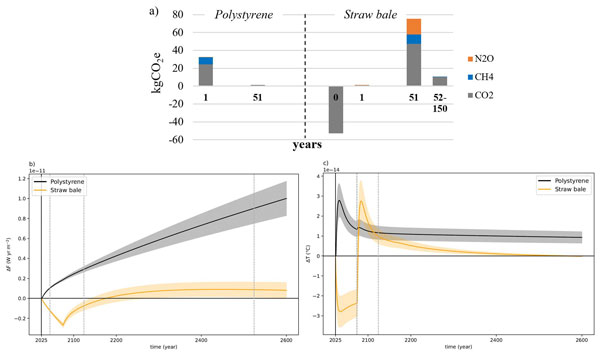
Absolute and dynamic climate change metrics are robust to design climate neutral systems. This work supports the adoption of such metrics by environmental assessment communities thanks to a
- clear and pedagogical presentation of up-to-date climate equations, climate parameters and associated uncertainties;
- dynamic metrics interpretation support;
- recommendations of new characterisation factors for temperature change metrics in future assessment reports;
- open-source assessment tool release.
Luana Schwarz, Jannes Breier, Hannah Prawitz, Max Bechthold, Werner von Bloh, Sara M. Constantino, Dieter Gerten, Jobst Heitzig, Ronja Hotz, Leander John, Christoph Müller, Johan Rockström, and Jonathan F. Donges
EGUsphere, https://doi.org/10.5194/egusphere-2025-4079, https://doi.org/10.5194/egusphere-2025-4079, 2025
Short summary
Short summary
We present a novel global model that links farmer decisions with ecological processes to explore how agricultural systems co-evolve. Unlike previous tools, it captures feedbacks between society and nature at up-to planetary scale. We find that conservation practices can restore soil health and support stable harvests. Adoption spreads through learning and norms, showing how regeneration at the farm scale can ripple outward, contributing to global sustainability and Earth system resilience.
Christian Folberth, Artem Baklanov, Nikolay Khabarov, Thomas Oberleitner, Juraj Balkovič, and Rastislav Skalský
Geosci. Model Dev., 18, 5759–5779, https://doi.org/10.5194/gmd-18-5759-2025, https://doi.org/10.5194/gmd-18-5759-2025, 2025
Short summary
Short summary
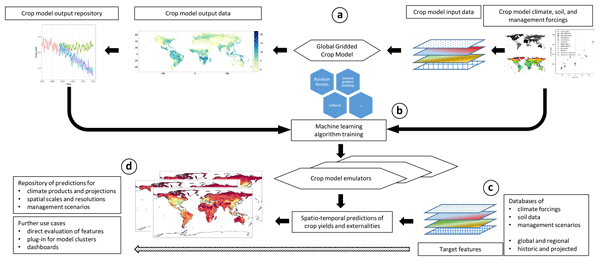
Global gridded crop models (GGCMs) are important tools in agricultural climate impact assessments but computationally costly. An emergent approach to derive crop productivity estimates similar to those from GGCMs are emulators that mimic the original model, but typically with considerable bias. Here we present a modelling package that trains emulators with very high accuracy and high computational gain, providing a basis for more comprehensive scenario assessments.
Xiaodong Zhang, Yu Yan, Ning Zhang, Wenpeng Wang, Huabing Suo, Xiaohu Jian, Chao Wang, Haibo Ma, Hong Gao, Zhaoli Yang, Tao Huang, and Jianmin Ma
Atmos. Chem. Phys., 25, 9669–9684, https://doi.org/10.5194/acp-25-9669-2025, https://doi.org/10.5194/acp-25-9669-2025, 2025
Short summary
Short summary
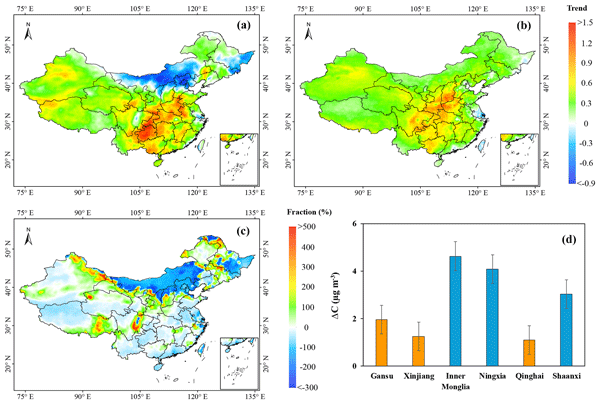
This study performed comprehensive sensitivity model simulations to explore the surface O3 responses to historical and projected climate change in Northwestern China (NW). Our results reveal that substantial wetting trends since the 21st century have mitigated O3 growth in this region, with the influence of wetting on O3 evolution outweighing the warming effect. These findings should be taken into account in future policymaking aimed at scientifically reducing O3 pollution in NW.
Piers M. Forster, Chris Smith, Tristram Walsh, William F. Lamb, Robin Lamboll, Christophe Cassou, Mathias Hauser, Zeke Hausfather, June-Yi Lee, Matthew D. Palmer, Karina von Schuckmann, Aimée B. A. Slangen, Sophie Szopa, Blair Trewin, Jeongeun Yun, Nathan P. Gillett, Stuart Jenkins, H. Damon Matthews, Krishnan Raghavan, Aurélien Ribes, Joeri Rogelj, Debbie Rosen, Xuebin Zhang, Myles Allen, Lara Aleluia Reis, Robbie M. Andrew, Richard A. Betts, Alex Borger, Jiddu A. Broersma, Samantha N. Burgess, Lijing Cheng, Pierre Friedlingstein, Catia M. Domingues, Marco Gambarini, Thomas Gasser, Johannes Gütschow, Masayoshi Ishii, Christopher Kadow, John Kennedy, Rachel E. Killick, Paul B. Krummel, Aurélien Liné, Didier P. Monselesan, Colin Morice, Jens Mühle, Vaishali Naik, Glen P. Peters, Anna Pirani, Julia Pongratz, Jan C. Minx, Matthew Rigby, Robert Rohde, Abhishek Savita, Sonia I. Seneviratne, Peter Thorne, Christopher Wells, Luke M. Western, Guido R. van der Werf, Susan E. Wijffels, Valérie Masson-Delmotte, and Panmao Zhai
Earth Syst. Sci. Data, 17, 2641–2680, https://doi.org/10.5194/essd-17-2641-2025, https://doi.org/10.5194/essd-17-2641-2025, 2025
Short summary
Short summary
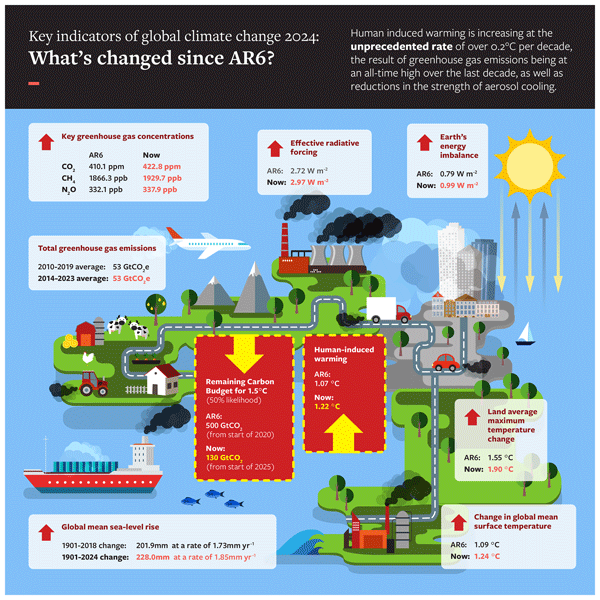
In a rapidly changing climate, evidence-based decision-making benefits from up-to-date and timely information. Here we compile monitoring datasets to track real-world changes over time. To make our work relevant to policymakers, we follow methods from the Intergovernmental Panel on Climate Change (IPCC). Human activities are increasing the Earth's energy imbalance and driving faster sea-level rise compared to the IPCC assessment.
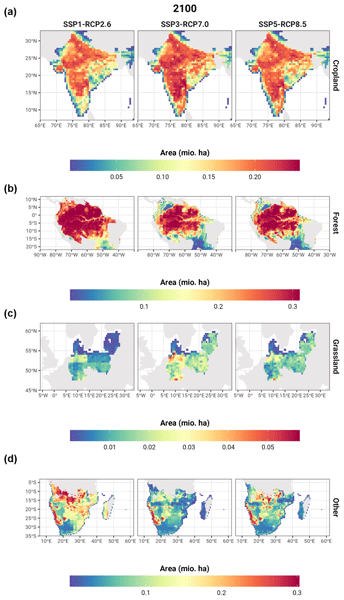
Edna Johanna Molina Bacca, Miodrag Stevanović, Benjamin Leon Bodirsky, Jonathan Cornelis Doelman, Louise Parsons Chini, Jan Volkholz, Katja Frieler, Christopher Paul Oliver Reyer, George Hurtt, Florian Humpenöder, Kristine Karstens, Jens Heinke, Christoph Müller, Jan Philipp Dietrich, Hermann Lotze-Campen, Elke Stehfest, and Alexander Popp
Earth Syst. Dynam., 16, 753–801, https://doi.org/10.5194/esd-16-753-2025, https://doi.org/10.5194/esd-16-753-2025, 2025
Short summary
Short summary
Land-use change projections are vital for impact studies. This study compares updated land-use model projections, including CO2 fertilization among other upgrades, from the MAgPIE and IMAGE models under three scenarios, highlighting differences, uncertainty hotspots, and harmonization effects. Key findings include reduced bioenergy crop demand projections and differences in grassland area allocation and sizes, with socioeconomic–climate scenarios' largest effect on variance starting in 2030.
Cynthia H. Whaley, Tim Butler, Jose A. Adame, Rupal Ambulkar, Steve R. Arnold, Rebecca R. Buchholz, Benjamin Gaubert, Douglas S. Hamilton, Min Huang, Hayley Hung, Johannes W. Kaiser, Jacek W. Kaminski, Christoph Knote, Gerbrand Koren, Jean-Luc Kouassi, Meiyun Lin, Tianjia Liu, Jianmin Ma, Kasemsan Manomaiphiboon, Elisa Bergas Masso, Jessica L. McCarty, Mariano Mertens, Mark Parrington, Helene Peiro, Pallavi Saxena, Saurabh Sonwani, Vanisa Surapipith, Damaris Y. T. Tan, Wenfu Tang, Veerachai Tanpipat, Kostas Tsigaridis, Christine Wiedinmyer, Oliver Wild, Yuanyu Xie, and Paquita Zuidema
Geosci. Model Dev., 18, 3265–3309, https://doi.org/10.5194/gmd-18-3265-2025, https://doi.org/10.5194/gmd-18-3265-2025, 2025
Short summary
Short summary
The multi-model experiment design of the HTAP3 Fires project takes a multi-pollutant approach to improving our understanding of transboundary transport of wildland fire and agricultural burning emissions and their impacts. The experiments are designed with the goal of answering science policy questions related to fires. The options for the multi-model approach, including inputs, outputs, and model setup, are discussed, and the official recommendations for the project are presented.
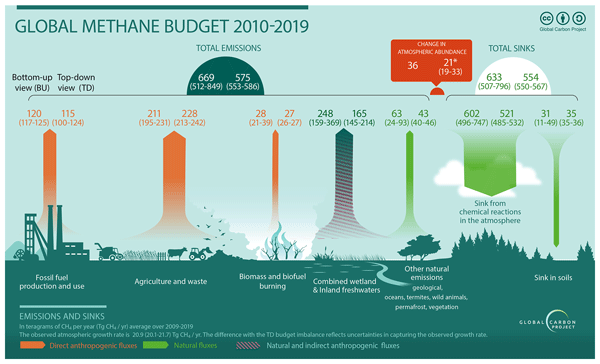
Marielle Saunois, Adrien Martinez, Benjamin Poulter, Zhen Zhang, Peter A. Raymond, Pierre Regnier, Josep G. Canadell, Robert B. Jackson, Prabir K. Patra, Philippe Bousquet, Philippe Ciais, Edward J. Dlugokencky, Xin Lan, George H. Allen, David Bastviken, David J. Beerling, Dmitry A. Belikov, Donald R. Blake, Simona Castaldi, Monica Crippa, Bridget R. Deemer, Fraser Dennison, Giuseppe Etiope, Nicola Gedney, Lena Höglund-Isaksson, Meredith A. Holgerson, Peter O. Hopcroft, Gustaf Hugelius, Akihiko Ito, Atul K. Jain, Rajesh Janardanan, Matthew S. Johnson, Thomas Kleinen, Paul B. Krummel, Ronny Lauerwald, Tingting Li, Xiangyu Liu, Kyle C. McDonald, Joe R. Melton, Jens Mühle, Jurek Müller, Fabiola Murguia-Flores, Yosuke Niwa, Sergio Noce, Shufen Pan, Robert J. Parker, Changhui Peng, Michel Ramonet, William J. Riley, Gerard Rocher-Ros, Judith A. Rosentreter, Motoki Sasakawa, Arjo Segers, Steven J. Smith, Emily H. Stanley, Joël Thanwerdas, Hanqin Tian, Aki Tsuruta, Francesco N. Tubiello, Thomas S. Weber, Guido R. van der Werf, Douglas E. J. Worthy, Yi Xi, Yukio Yoshida, Wenxin Zhang, Bo Zheng, Qing Zhu, Qiuan Zhu, and Qianlai Zhuang
Earth Syst. Sci. Data, 17, 1873–1958, https://doi.org/10.5194/essd-17-1873-2025, https://doi.org/10.5194/essd-17-1873-2025, 2025
Short summary
Short summary
Methane (CH4) is the second most important human-influenced greenhouse gas in terms of climate forcing after carbon dioxide (CO2). A consortium of multi-disciplinary scientists synthesise and update the budget of the sources and sinks of CH4. This edition benefits from important progress in estimating emissions from lakes and ponds, reservoirs, and streams and rivers. For the 2010s decade, global CH4 emissions are estimated at 575 Tg CH4 yr-1, including ~65 % from anthropogenic sources.
Xiaohu Jian, Xiaodong Zhang, Xinrui Liu, Kaijie Chen, Tao Huang, Shu Tao, Junfeng Liu, Hong Gao, Yuan Zhao, Ruiyu Zhugu, and Jianmin Ma
Atmos. Chem. Phys., 25, 4251–4268, https://doi.org/10.5194/acp-25-4251-2025, https://doi.org/10.5194/acp-25-4251-2025, 2025
Short summary
Short summary
We implemented a new global land-use-change (LUC) dataset from 1982 to 2010 into a compact earth system model and carried out extensive multiple model scenario simulations. Our result reveals that the global radiative forcing (RF) induced by LUC driving surface albedo change is −0.12 W m−2, 20 % lower than the Intergovernmental Panel on Climate Change (IPCC), and vegetation changes play a key role in RF evolution, which provides an important reference for the assessment of earth energy balance.
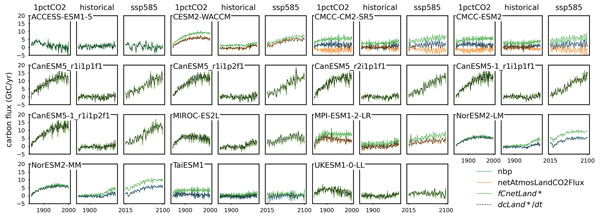
Gang Tang, Zebedee Nicholls, Chris Jones, Thomas Gasser, Alexander Norton, Tilo Ziehn, Alejandro Romero-Prieto, and Malte Meinshausen
Geosci. Model Dev., 18, 2111–2136, https://doi.org/10.5194/gmd-18-2111-2025, https://doi.org/10.5194/gmd-18-2111-2025, 2025
Short summary
Short summary
We analyzed carbon and nitrogen mass conservation in data from various Earth system models. Our findings reveal significant discrepancies between flux and pool size data, where cumulative imbalances can reach hundreds of gigatons of carbon or nitrogen. These imbalances appear primarily due to missing or inconsistently reported fluxes – especially for land-use and fire emissions. To enhance data quality, we recommend that future climate data protocols address this issue at the reporting stage.
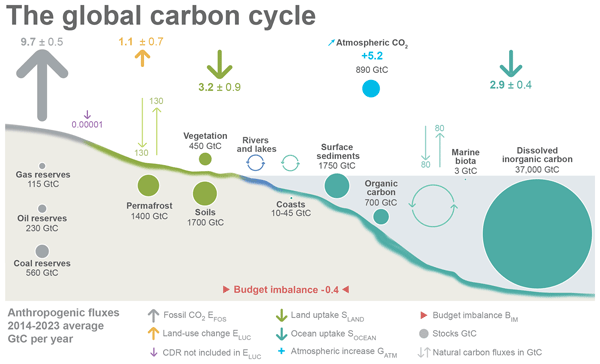
Pierre Friedlingstein, Michael O'Sullivan, Matthew W. Jones, Robbie M. Andrew, Judith Hauck, Peter Landschützer, Corinne Le Quéré, Hongmei Li, Ingrid T. Luijkx, Are Olsen, Glen P. Peters, Wouter Peters, Julia Pongratz, Clemens Schwingshackl, Stephen Sitch, Josep G. Canadell, Philippe Ciais, Robert B. Jackson, Simone R. Alin, Almut Arneth, Vivek Arora, Nicholas R. Bates, Meike Becker, Nicolas Bellouin, Carla F. Berghoff, Henry C. Bittig, Laurent Bopp, Patricia Cadule, Katie Campbell, Matthew A. Chamberlain, Naveen Chandra, Frédéric Chevallier, Louise P. Chini, Thomas Colligan, Jeanne Decayeux, Laique M. Djeutchouang, Xinyu Dou, Carolina Duran Rojas, Kazutaka Enyo, Wiley Evans, Amanda R. Fay, Richard A. Feely, Daniel J. Ford, Adrianna Foster, Thomas Gasser, Marion Gehlen, Thanos Gkritzalis, Giacomo Grassi, Luke Gregor, Nicolas Gruber, Özgür Gürses, Ian Harris, Matthew Hefner, Jens Heinke, George C. Hurtt, Yosuke Iida, Tatiana Ilyina, Andrew R. Jacobson, Atul K. Jain, Tereza Jarníková, Annika Jersild, Fei Jiang, Zhe Jin, Etsushi Kato, Ralph F. Keeling, Kees Klein Goldewijk, Jürgen Knauer, Jan Ivar Korsbakken, Xin Lan, Siv K. Lauvset, Nathalie Lefèvre, Zhu Liu, Junjie Liu, Lei Ma, Shamil Maksyutov, Gregg Marland, Nicolas Mayot, Patrick C. McGuire, Nicolas Metzl, Natalie M. Monacci, Eric J. Morgan, Shin-Ichiro Nakaoka, Craig Neill, Yosuke Niwa, Tobias Nützel, Lea Olivier, Tsuneo Ono, Paul I. Palmer, Denis Pierrot, Zhangcai Qin, Laure Resplandy, Alizée Roobaert, Thais M. Rosan, Christian Rödenbeck, Jörg Schwinger, T. Luke Smallman, Stephen M. Smith, Reinel Sospedra-Alfonso, Tobias Steinhoff, Qing Sun, Adrienne J. Sutton, Roland Séférian, Shintaro Takao, Hiroaki Tatebe, Hanqin Tian, Bronte Tilbrook, Olivier Torres, Etienne Tourigny, Hiroyuki Tsujino, Francesco Tubiello, Guido van der Werf, Rik Wanninkhof, Xuhui Wang, Dongxu Yang, Xiaojuan Yang, Zhen Yu, Wenping Yuan, Xu Yue, Sönke Zaehle, Ning Zeng, and Jiye Zeng
Earth Syst. Sci. Data, 17, 965–1039, https://doi.org/10.5194/essd-17-965-2025, https://doi.org/10.5194/essd-17-965-2025, 2025
Short summary
Short summary
The Global Carbon Budget 2024 describes the methodology, main results, and datasets used to quantify the anthropogenic emissions of carbon dioxide (CO2) and their partitioning among the atmosphere, land ecosystems, and the ocean over the historical period (1750–2024). These living datasets are updated every year to provide the highest transparency and traceability in the reporting of CO2, the key driver of climate change.
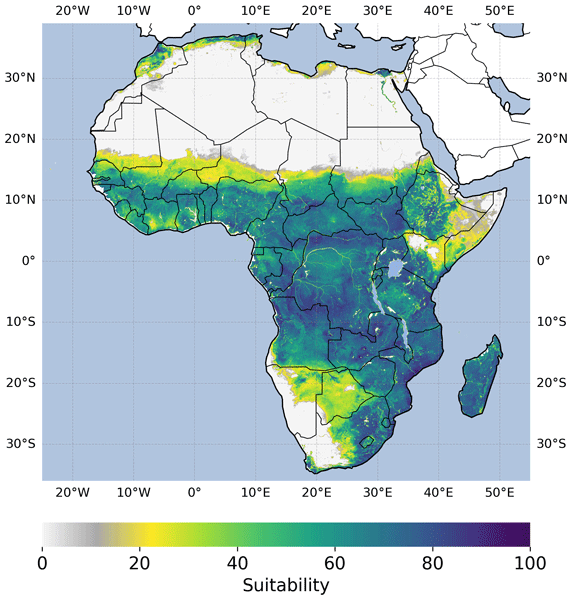
Florian Zabel, Matthias Knüttel, and Benjamin Poschlod
Geosci. Model Dev., 18, 1067–1087, https://doi.org/10.5194/gmd-18-1067-2025, https://doi.org/10.5194/gmd-18-1067-2025, 2025
Short summary
Short summary
CropSuite is a new open-source crop suitability model. It provides a GUI and a wide range of options, including a spatial downscaling of climate data. We apply CropSuite to 48 staple and opportunity crops at a 1 km spatial resolution in Africa. We find that climate variability significantly impacts suitable areas but also affects optimal sowing dates and multiple cropping potential. The results provide valuable information for climate impact assessments, adaptation, and land-use planning.
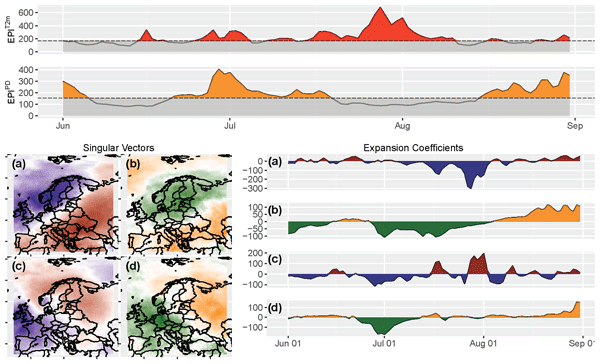
Elena Xoplaki, Florian Ellsäßer, Jens Grieger, Katrin M. Nissen, Joaquim G. Pinto, Markus Augenstein, Ting-Chen Chen, Hendrik Feldmann, Petra Friederichs, Daniel Gliksman, Laura Goulier, Karsten Haustein, Jens Heinke, Lisa Jach, Florian Knutzen, Stefan Kollet, Jürg Luterbacher, Niklas Luther, Susanna Mohr, Christoph Mudersbach, Christoph Müller, Efi Rousi, Felix Simon, Laura Suarez-Gutierrez, Svenja Szemkus, Sara M. Vallejo-Bernal, Odysseas Vlachopoulos, and Frederik Wolf
Nat. Hazards Earth Syst. Sci., 25, 541–564, https://doi.org/10.5194/nhess-25-541-2025, https://doi.org/10.5194/nhess-25-541-2025, 2025
Short summary
Short summary
Europe frequently experiences compound events, with major impacts. We investigate these events’ interactions, characteristics, and changes over time, focusing on socio-economic impacts in Germany and central Europe. Highlighting 2018’s extreme events, this study reveals impacts on water, agriculture, and forests and stresses the need for impact-focused definitions and better future risk quantification to support adaptation planning.
Vladimir Zieger, Thibaut Lecompte, Simon Guihéneuf, Yann Guevel, Manuel Bazzana, Thomas Gasser, and Yue He
EGUsphere, https://doi.org/10.5194/egusphere-2024-3918, https://doi.org/10.5194/egusphere-2024-3918, 2025
Preprint archived
Short summary
Short summary
Dynamic climate change metrics are more robust to get strong sustainable designs. This work aims to support adoption of such metrics by environmental assessment communities thanks to a: 1. clear and pedagogical presentation of up-to-date climate equations, climate parameters and associated uncertainties, 2. open-source assessment tool release, 3. dynamic metrics interpretation support. Adoption of new characterisation factors for temperature change metrics are recommended in future IPCC report.
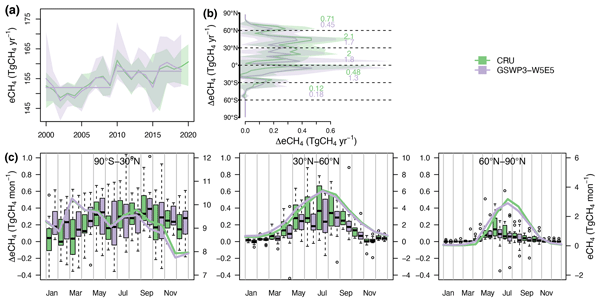
Zhen Zhang, Benjamin Poulter, Joe R. Melton, William J. Riley, George H. Allen, David J. Beerling, Philippe Bousquet, Josep G. Canadell, Etienne Fluet-Chouinard, Philippe Ciais, Nicola Gedney, Peter O. Hopcroft, Akihiko Ito, Robert B. Jackson, Atul K. Jain, Katherine Jensen, Fortunat Joos, Thomas Kleinen, Sara H. Knox, Tingting Li, Xin Li, Xiangyu Liu, Kyle McDonald, Gavin McNicol, Paul A. Miller, Jurek Müller, Prabir K. Patra, Changhui Peng, Shushi Peng, Zhangcai Qin, Ryan M. Riggs, Marielle Saunois, Qing Sun, Hanqin Tian, Xiaoming Xu, Yuanzhi Yao, Yi Xi, Wenxin Zhang, Qing Zhu, Qiuan Zhu, and Qianlai Zhuang
Biogeosciences, 22, 305–321, https://doi.org/10.5194/bg-22-305-2025, https://doi.org/10.5194/bg-22-305-2025, 2025
Short summary
Short summary
This study assesses global methane emissions from wetlands between 2000 and 2020 using multiple models. We found that wetland emissions increased by 6–7 Tg CH4 yr-1 in the 2010s compared to the 2000s. Rising temperatures primarily drove this increase, while changes in precipitation and CO2 levels also played roles. Our findings highlight the importance of wetlands in the global methane budget and the need for continuous monitoring to understand their impact on climate change.
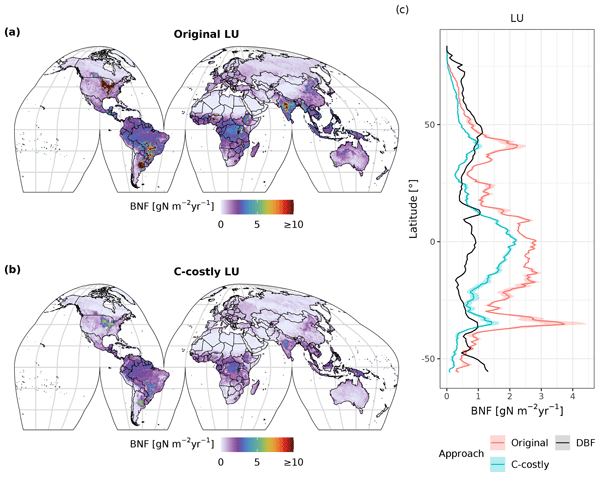
Stephen Björn Wirth, Johanna Braun, Jens Heinke, Sebastian Ostberg, Susanne Rolinski, Sibyll Schaphoff, Fabian Stenzel, Werner von Bloh, Friedhelm Taube, and Christoph Müller
Geosci. Model Dev., 17, 7889–7914, https://doi.org/10.5194/gmd-17-7889-2024, https://doi.org/10.5194/gmd-17-7889-2024, 2024
Short summary
Short summary
We present a new approach to modelling biological nitrogen fixation (BNF) in the Lund–Potsdam–Jena managed Land dynamic global vegetation model. While in the original approach BNF depended on actual evapotranspiration, the new approach considers soil water content and temperature, vertical root distribution, the nitrogen (N) deficit and carbon (C) costs. The new approach improved simulated BNF compared to the scientific literature and the model ability to project future C and N cycle dynamics.
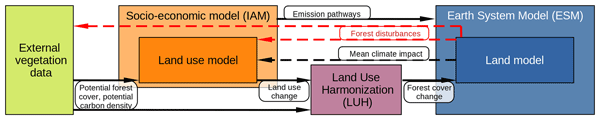
Felix Jäger, Jonas Schwaab, Yann Quilcaille, Michael Windisch, Jonathan Doelman, Stefan Frank, Mykola Gusti, Petr Havlik, Florian Humpenöder, Andrey Lessa Derci Augustynczik, Christoph Müller, Kanishka Balu Narayan, Ryan Sebastian Padrón, Alexander Popp, Detlef van Vuuren, Michael Wögerer, and Sonia Isabelle Seneviratne
Earth Syst. Dynam., 15, 1055–1071, https://doi.org/10.5194/esd-15-1055-2024, https://doi.org/10.5194/esd-15-1055-2024, 2024
Short summary
Short summary
Climate change mitigation strategies developed with socioeconomic models rely on the widespread (re)planting of trees to limit global warming below 2°. However, most of these models neglect climate-driven shifts in forest damage like fires. By assessing existing mitigation scenarios, we show the exposure of projected forestation areas to fire-promoting weather conditions. Our study highlights the problem of ignoring climate-driven shifts in forest damage and ways to address it.
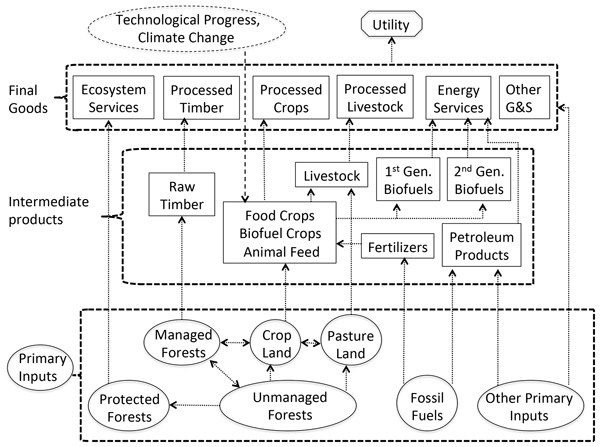
Jevgenijs Steinbuks, Yongyang Cai, Jonas Jaegermeyr, and Thomas W. Hertel
Geosci. Model Dev., 17, 4791–4819, https://doi.org/10.5194/gmd-17-4791-2024, https://doi.org/10.5194/gmd-17-4791-2024, 2024
Short summary
Short summary
This paper applies a cutting-edge numerical method, SCEQ, to show how uncertain climate change and technological progress affect the future utilization of the world's scarce land resources. The paper's key insight is to illustrate how much global cropland will expand when future crop yields are unknown. The study finds the range of outcomes for land use change to be smaller when using this novel method compared to existing deterministic models.

Hanqin Tian, Naiqing Pan, Rona L. Thompson, Josep G. Canadell, Parvadha Suntharalingam, Pierre Regnier, Eric A. Davidson, Michael Prather, Philippe Ciais, Marilena Muntean, Shufen Pan, Wilfried Winiwarter, Sönke Zaehle, Feng Zhou, Robert B. Jackson, Hermann W. Bange, Sarah Berthet, Zihao Bian, Daniele Bianchi, Alexander F. Bouwman, Erik T. Buitenhuis, Geoffrey Dutton, Minpeng Hu, Akihiko Ito, Atul K. Jain, Aurich Jeltsch-Thömmes, Fortunat Joos, Sian Kou-Giesbrecht, Paul B. Krummel, Xin Lan, Angela Landolfi, Ronny Lauerwald, Ya Li, Chaoqun Lu, Taylor Maavara, Manfredi Manizza, Dylan B. Millet, Jens Mühle, Prabir K. Patra, Glen P. Peters, Xiaoyu Qin, Peter Raymond, Laure Resplandy, Judith A. Rosentreter, Hao Shi, Qing Sun, Daniele Tonina, Francesco N. Tubiello, Guido R. van der Werf, Nicolas Vuichard, Junjie Wang, Kelley C. Wells, Luke M. Western, Chris Wilson, Jia Yang, Yuanzhi Yao, Yongfa You, and Qing Zhu
Earth Syst. Sci. Data, 16, 2543–2604, https://doi.org/10.5194/essd-16-2543-2024, https://doi.org/10.5194/essd-16-2543-2024, 2024
Short summary
Short summary
Atmospheric concentrations of nitrous oxide (N2O), a greenhouse gas 273 times more potent than carbon dioxide, have increased by 25 % since the preindustrial period, with the highest observed growth rate in 2020 and 2021. This rapid growth rate has primarily been due to a 40 % increase in anthropogenic emissions since 1980. Observed atmospheric N2O concentrations in recent years have exceeded the worst-case climate scenario, underscoring the importance of reducing anthropogenic N2O emissions.
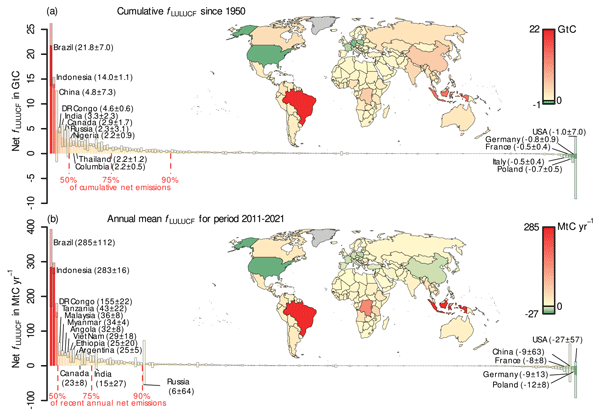
Wolfgang Alexander Obermeier, Clemens Schwingshackl, Ana Bastos, Giulia Conchedda, Thomas Gasser, Giacomo Grassi, Richard A. Houghton, Francesco Nicola Tubiello, Stephen Sitch, and Julia Pongratz
Earth Syst. Sci. Data, 16, 605–645, https://doi.org/10.5194/essd-16-605-2024, https://doi.org/10.5194/essd-16-605-2024, 2024
Short summary
Short summary
We provide and compare country-level estimates of land-use CO2 fluxes from a variety and large number of models, bottom-up estimates, and country reports for the period 1950–2021. Although net fluxes are small in many countries, they are often composed of large compensating emissions and removals. In many countries, the estimates agree well once their individual characteristics are accounted for, but in other countries, including some of the largest emitters, substantial uncertainties exist.
Stephen Björn Wirth, Arne Poyda, Friedhelm Taube, Britta Tietjen, Christoph Müller, Kirsten Thonicke, Anja Linstädter, Kai Behn, Sibyll Schaphoff, Werner von Bloh, and Susanne Rolinski
Biogeosciences, 21, 381–410, https://doi.org/10.5194/bg-21-381-2024, https://doi.org/10.5194/bg-21-381-2024, 2024
Short summary
Short summary
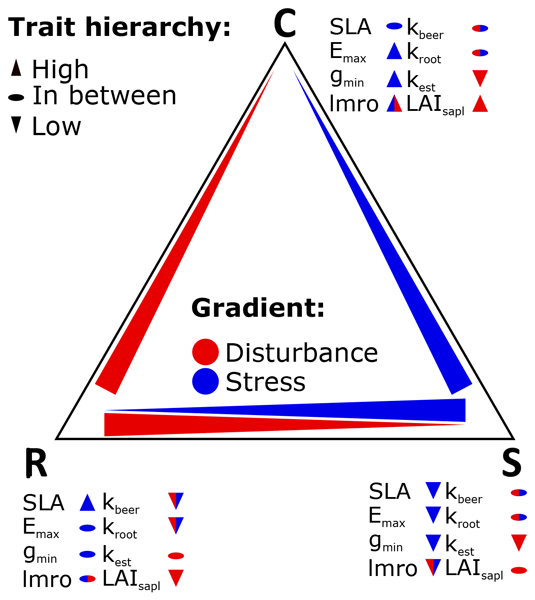
In dynamic global vegetation models (DGVMs), the role of functional diversity in forage supply and soil organic carbon storage of grasslands is not explicitly taken into account. We introduced functional diversity into the Lund Potsdam Jena managed Land (LPJmL) DGVM using CSR theory. The new model reproduced well-known trade-offs between plant traits and can be used to quantify the role of functional diversity in climate change mitigation using different functional diversity scenarios.
Katja Frieler, Jan Volkholz, Stefan Lange, Jacob Schewe, Matthias Mengel, María del Rocío Rivas López, Christian Otto, Christopher P. O. Reyer, Dirk Nikolaus Karger, Johanna T. Malle, Simon Treu, Christoph Menz, Julia L. Blanchard, Cheryl S. Harrison, Colleen M. Petrik, Tyler D. Eddy, Kelly Ortega-Cisneros, Camilla Novaglio, Yannick Rousseau, Reg A. Watson, Charles Stock, Xiao Liu, Ryan Heneghan, Derek Tittensor, Olivier Maury, Matthias Büchner, Thomas Vogt, Tingting Wang, Fubao Sun, Inga J. Sauer, Johannes Koch, Inne Vanderkelen, Jonas Jägermeyr, Christoph Müller, Sam Rabin, Jochen Klar, Iliusi D. Vega del Valle, Gitta Lasslop, Sarah Chadburn, Eleanor Burke, Angela Gallego-Sala, Noah Smith, Jinfeng Chang, Stijn Hantson, Chantelle Burton, Anne Gädeke, Fang Li, Simon N. Gosling, Hannes Müller Schmied, Fred Hattermann, Jida Wang, Fangfang Yao, Thomas Hickler, Rafael Marcé, Don Pierson, Wim Thiery, Daniel Mercado-Bettín, Robert Ladwig, Ana Isabel Ayala-Zamora, Matthew Forrest, and Michel Bechtold
Geosci. Model Dev., 17, 1–51, https://doi.org/10.5194/gmd-17-1-2024, https://doi.org/10.5194/gmd-17-1-2024, 2024
Short summary
Short summary
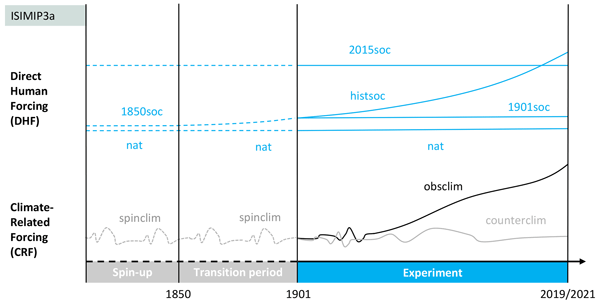
Our paper provides an overview of all observational climate-related and socioeconomic forcing data used as input for the impact model evaluation and impact attribution experiments within the third round of the Inter-Sectoral Impact Model Intercomparison Project. The experiments are designed to test our understanding of observed changes in natural and human systems and to quantify to what degree these changes have already been induced by climate change.
Xiaodong Zhang, Ruiyu Zhugu, Xiaohu Jian, Xinrui Liu, Kaijie Chen, Shu Tao, Junfeng Liu, Hong Gao, Tao Huang, and Jianmin Ma
Atmos. Chem. Phys., 23, 15629–15642, https://doi.org/10.5194/acp-23-15629-2023, https://doi.org/10.5194/acp-23-15629-2023, 2023
Short summary
Short summary
WRF-Chem modeling was conducted to assess impacts of Western Pacific Subtropical High Pressure (WPSH) on interannual fluctuations of O3 pollution in China. We find that, while precursor emissions dominated the long-term trend and magnitude of O3 from 1999 to 2017, WPSH determined interannual variation of summer O3. The response of O3 pollution to WPSH in major urban clusters depended on the proximity of these urban areas to WPSH. The results could help long-term O3 pollution mitigation planning.
Weihang Liu, Tao Ye, Christoph Müller, Jonas Jägermeyr, James A. Franke, Haynes Stephens, and Shuo Chen
Geosci. Model Dev., 16, 7203–7221, https://doi.org/10.5194/gmd-16-7203-2023, https://doi.org/10.5194/gmd-16-7203-2023, 2023
Short summary
Short summary
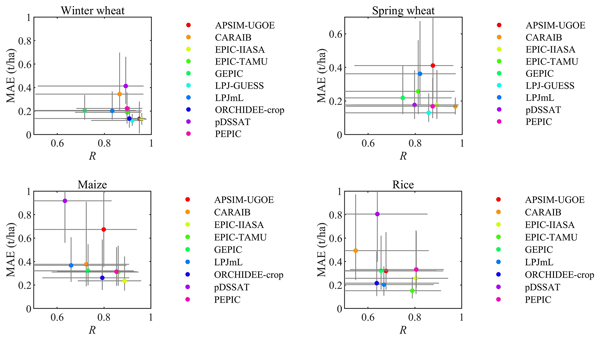
We develop a machine-learning-based crop model emulator with the inputs and outputs of multiple global gridded crop model ensemble simulations to capture the year-to-year variation of crop yield under future climate change. The emulator can reproduce the year-to-year variation of simulated yield given by the crop models under CO2, temperature, water, and nitrogen perturbations. Developing this emulator can provide a tool to project future climate change impact in a simple way.
Pierre Friedlingstein, Michael O'Sullivan, Matthew W. Jones, Robbie M. Andrew, Dorothee C. E. Bakker, Judith Hauck, Peter Landschützer, Corinne Le Quéré, Ingrid T. Luijkx, Glen P. Peters, Wouter Peters, Julia Pongratz, Clemens Schwingshackl, Stephen Sitch, Josep G. Canadell, Philippe Ciais, Robert B. Jackson, Simone R. Alin, Peter Anthoni, Leticia Barbero, Nicholas R. Bates, Meike Becker, Nicolas Bellouin, Bertrand Decharme, Laurent Bopp, Ida Bagus Mandhara Brasika, Patricia Cadule, Matthew A. Chamberlain, Naveen Chandra, Thi-Tuyet-Trang Chau, Frédéric Chevallier, Louise P. Chini, Margot Cronin, Xinyu Dou, Kazutaka Enyo, Wiley Evans, Stefanie Falk, Richard A. Feely, Liang Feng, Daniel J. Ford, Thomas Gasser, Josefine Ghattas, Thanos Gkritzalis, Giacomo Grassi, Luke Gregor, Nicolas Gruber, Özgür Gürses, Ian Harris, Matthew Hefner, Jens Heinke, Richard A. Houghton, George C. Hurtt, Yosuke Iida, Tatiana Ilyina, Andrew R. Jacobson, Atul Jain, Tereza Jarníková, Annika Jersild, Fei Jiang, Zhe Jin, Fortunat Joos, Etsushi Kato, Ralph F. Keeling, Daniel Kennedy, Kees Klein Goldewijk, Jürgen Knauer, Jan Ivar Korsbakken, Arne Körtzinger, Xin Lan, Nathalie Lefèvre, Hongmei Li, Junjie Liu, Zhiqiang Liu, Lei Ma, Greg Marland, Nicolas Mayot, Patrick C. McGuire, Galen A. McKinley, Gesa Meyer, Eric J. Morgan, David R. Munro, Shin-Ichiro Nakaoka, Yosuke Niwa, Kevin M. O'Brien, Are Olsen, Abdirahman M. Omar, Tsuneo Ono, Melf Paulsen, Denis Pierrot, Katie Pocock, Benjamin Poulter, Carter M. Powis, Gregor Rehder, Laure Resplandy, Eddy Robertson, Christian Rödenbeck, Thais M. Rosan, Jörg Schwinger, Roland Séférian, T. Luke Smallman, Stephen M. Smith, Reinel Sospedra-Alfonso, Qing Sun, Adrienne J. Sutton, Colm Sweeney, Shintaro Takao, Pieter P. Tans, Hanqin Tian, Bronte Tilbrook, Hiroyuki Tsujino, Francesco Tubiello, Guido R. van der Werf, Erik van Ooijen, Rik Wanninkhof, Michio Watanabe, Cathy Wimart-Rousseau, Dongxu Yang, Xiaojuan Yang, Wenping Yuan, Xu Yue, Sönke Zaehle, Jiye Zeng, and Bo Zheng
Earth Syst. Sci. Data, 15, 5301–5369, https://doi.org/10.5194/essd-15-5301-2023, https://doi.org/10.5194/essd-15-5301-2023, 2023
Short summary
Short summary
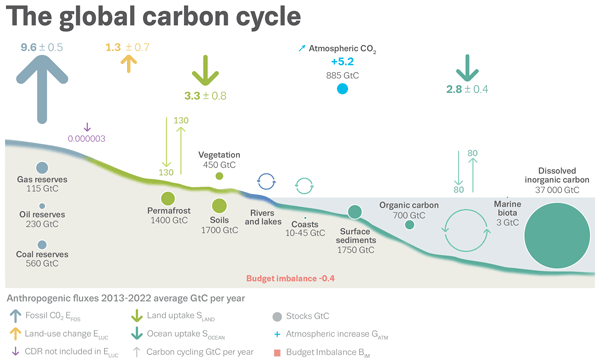
The Global Carbon Budget 2023 describes the methodology, main results, and data sets used to quantify the anthropogenic emissions of carbon dioxide (CO2) and their partitioning among the atmosphere, land ecosystems, and the ocean over the historical period (1750–2023). These living datasets are updated every year to provide the highest transparency and traceability in the reporting of CO2, the key driver of climate change.
Florian Zabel and Benjamin Poschlod
Geosci. Model Dev., 16, 5383–5399, https://doi.org/10.5194/gmd-16-5383-2023, https://doi.org/10.5194/gmd-16-5383-2023, 2023
Short summary
Short summary
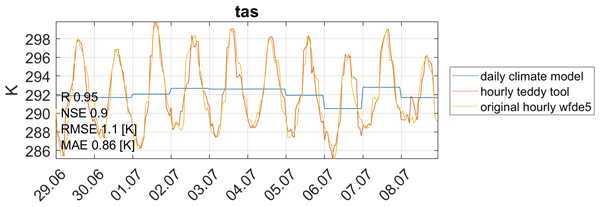
Today, most climate model data are provided at daily time steps. However, more and more models from different sectors, such as energy, water, agriculture, and health, require climate information at a sub-daily temporal resolution for a more robust and reliable climate impact assessment. Here we describe and validate the Teddy tool, a new model for the temporal disaggregation of daily climate model data for climate impact analysis.
Sian Kou-Giesbrecht, Vivek K. Arora, Christian Seiler, Almut Arneth, Stefanie Falk, Atul K. Jain, Fortunat Joos, Daniel Kennedy, Jürgen Knauer, Stephen Sitch, Michael O'Sullivan, Naiqing Pan, Qing Sun, Hanqin Tian, Nicolas Vuichard, and Sönke Zaehle
Earth Syst. Dynam., 14, 767–795, https://doi.org/10.5194/esd-14-767-2023, https://doi.org/10.5194/esd-14-767-2023, 2023
Short summary
Short summary
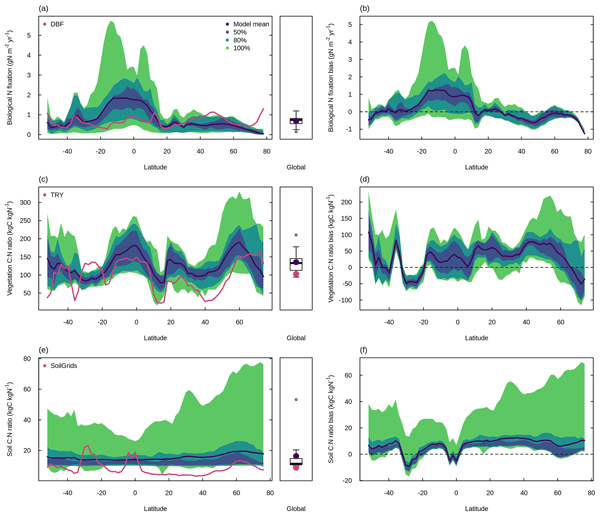
Nitrogen (N) is an essential limiting nutrient to terrestrial carbon (C) sequestration. We evaluate N cycling in an ensemble of terrestrial biosphere models. We find that variability in N processes across models is large. Models tended to overestimate C storage per unit N in vegetation and soil, which could have consequences for projecting the future terrestrial C sink. However, N cycling measurements are highly uncertain, and more are necessary to guide the development of N cycling in models.
Sebastian Ostberg, Christoph Müller, Jens Heinke, and Sibyll Schaphoff
Geosci. Model Dev., 16, 3375–3406, https://doi.org/10.5194/gmd-16-3375-2023, https://doi.org/10.5194/gmd-16-3375-2023, 2023
Short summary
Short summary
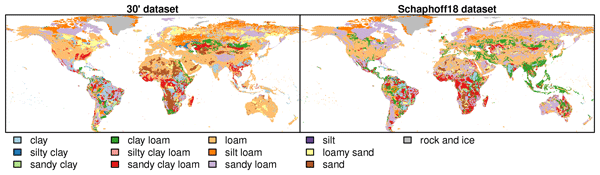
We present a new toolbox for generating input datasets for terrestrial ecosystem models from diverse and partially conflicting data sources. The toolbox documents the sources and processing of data and is designed to make inconsistencies between source datasets transparent so that users can make their own decisions on how to resolve these should they not be content with our default assumptions. As an example, we use the toolbox to create input datasets at two different spatial resolutions.
Jens Heinke, Susanne Rolinski, and Christoph Müller
Geosci. Model Dev., 16, 2455–2475, https://doi.org/10.5194/gmd-16-2455-2023, https://doi.org/10.5194/gmd-16-2455-2023, 2023
Short summary
Short summary
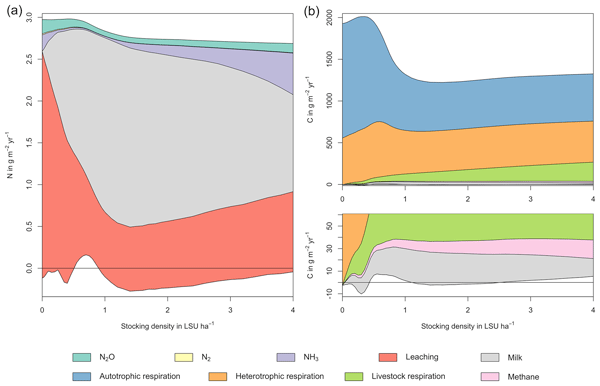
We develop a livestock module for the global vegetation model LPJmL5.0 to simulate the impact of grazing dairy cattle on carbon and nitrogen cycles in grasslands. A novelty of the approach is that it accounts for the effect of feed quality on feed uptake and feed utilization by animals. The portioning of dietary nitrogen into milk, feces, and urine shows very good agreement with estimates obtained from animal trials.
Huiming Lin, Yindong Tong, Long Chen, Chenghao Yu, Zhaohan Chu, Qianru Zhang, Xiufeng Yin, Qianggong Zhang, Shichang Kang, Junfeng Liu, James Schauer, Benjamin de Foy, and Xuejun Wang
Atmos. Chem. Phys., 23, 3937–3953, https://doi.org/10.5194/acp-23-3937-2023, https://doi.org/10.5194/acp-23-3937-2023, 2023
Short summary
Short summary
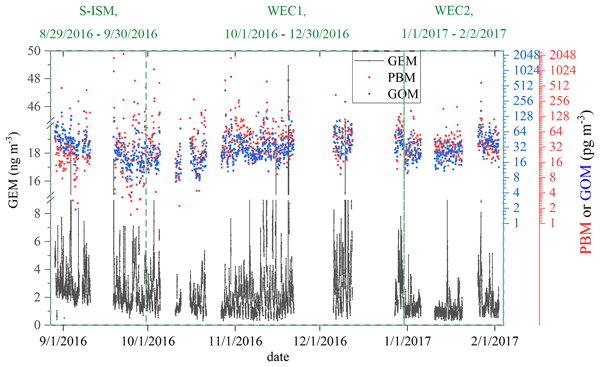
Lhasa is the largest city in the Tibetan Plateau, and its atmospheric mercury concentrations represent the highest level of pollution in this region. Unexpectedly high concentrations of atmospheric mercury species were found. Combined with the trajectory analysis, the high atmospheric mercury concentrations may have originated from external long-range transport. Local sources, especially special mercury-related sources, are important factors influencing the variability of atmospheric mercury.
Giacomo Grassi, Clemens Schwingshackl, Thomas Gasser, Richard A. Houghton, Stephen Sitch, Josep G. Canadell, Alessandro Cescatti, Philippe Ciais, Sandro Federici, Pierre Friedlingstein, Werner A. Kurz, Maria J. Sanz Sanchez, Raúl Abad Viñas, Ramdane Alkama, Selma Bultan, Guido Ceccherini, Stefanie Falk, Etsushi Kato, Daniel Kennedy, Jürgen Knauer, Anu Korosuo, Joana Melo, Matthew J. McGrath, Julia E. M. S. Nabel, Benjamin Poulter, Anna A. Romanovskaya, Simone Rossi, Hanqin Tian, Anthony P. Walker, Wenping Yuan, Xu Yue, and Julia Pongratz
Earth Syst. Sci. Data, 15, 1093–1114, https://doi.org/10.5194/essd-15-1093-2023, https://doi.org/10.5194/essd-15-1093-2023, 2023
Short summary
Short summary
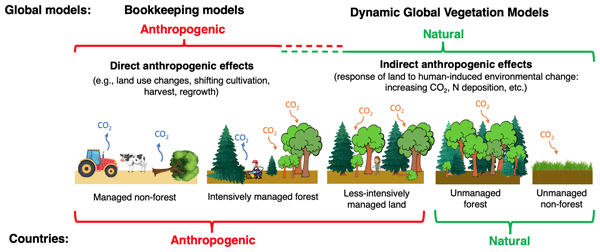
Striking differences exist in estimates of land-use CO2 fluxes between the national greenhouse gas inventories and the IPCC assessment reports. These differences hamper an accurate assessment of the collective progress under the Paris Agreement. By implementing an approach that conceptually reconciles land-use CO2 flux from national inventories and the global models used by the IPCC, our study is an important step forward for increasing confidence in land-use CO2 flux estimates.
Yann Quilcaille, Thomas Gasser, Philippe Ciais, and Olivier Boucher
Geosci. Model Dev., 16, 1129–1161, https://doi.org/10.5194/gmd-16-1129-2023, https://doi.org/10.5194/gmd-16-1129-2023, 2023
Short summary
Short summary
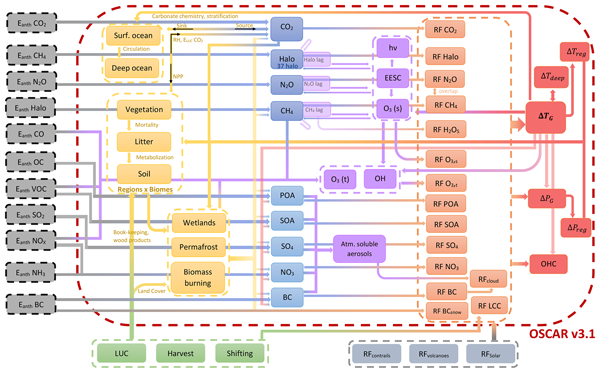
The model OSCAR is a simple climate model, meaning its representation of the Earth system is simplified but calibrated on models of higher complexity. Here, we diagnose its latest version using a total of 99 experiments in a probabilistic framework and under observational constraints. OSCAR v3.1 shows good agreement with observations, complex Earth system models and emerging properties. Some points for improvements are identified, such as the ocean carbon cycle.
Hao Li, Baoying Shan, Liu Liu, Lei Wang, Akash Koppa, Feng Zhong, Dongfeng Li, Xuanxuan Wang, Wenfeng Liu, Xiuping Li, and Zongxue Xu
Hydrol. Earth Syst. Sci., 26, 6399–6412, https://doi.org/10.5194/hess-26-6399-2022, https://doi.org/10.5194/hess-26-6399-2022, 2022
Short summary
Short summary
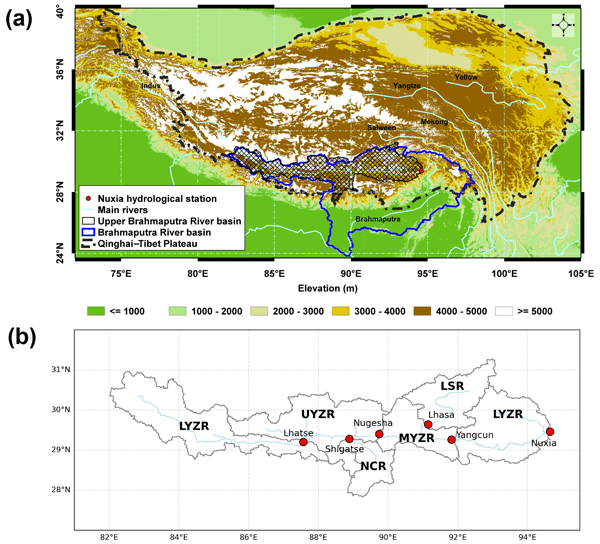
This study examines changes in water yield by determining turning points in the direction of yield changes and highlights that regime shifts in historical water yield occurred in the Upper Brahmaputra River basin, both the climate and cryosphere affect the magnitude of water yield increases, climate determined the declining trends in water yield, and meltwater has the potential to alleviate the water shortage. A repository for all source files is made available.
Thomas Bossy, Thomas Gasser, and Philippe Ciais
Geosci. Model Dev., 15, 8831–8868, https://doi.org/10.5194/gmd-15-8831-2022, https://doi.org/10.5194/gmd-15-8831-2022, 2022
Short summary
Short summary
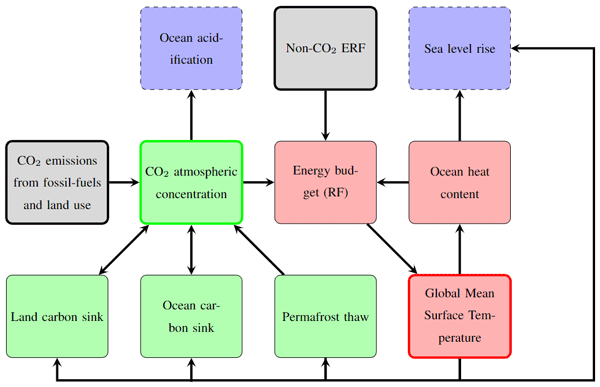
We developed a new simple climate model designed to fill a perceived gap within the existing simple climate models by fulfilling three key requirements: calibration using Bayesian inference, the possibility of coupling with integrated assessment models, and the capacity to explore climate scenarios compatible with limiting climate impacts. Here, we describe the model and its calibration using the latest data from complex CMIP6 models and the IPCC AR6, and we assess its performance.
Pierre Friedlingstein, Michael O'Sullivan, Matthew W. Jones, Robbie M. Andrew, Luke Gregor, Judith Hauck, Corinne Le Quéré, Ingrid T. Luijkx, Are Olsen, Glen P. Peters, Wouter Peters, Julia Pongratz, Clemens Schwingshackl, Stephen Sitch, Josep G. Canadell, Philippe Ciais, Robert B. Jackson, Simone R. Alin, Ramdane Alkama, Almut Arneth, Vivek K. Arora, Nicholas R. Bates, Meike Becker, Nicolas Bellouin, Henry C. Bittig, Laurent Bopp, Frédéric Chevallier, Louise P. Chini, Margot Cronin, Wiley Evans, Stefanie Falk, Richard A. Feely, Thomas Gasser, Marion Gehlen, Thanos Gkritzalis, Lucas Gloege, Giacomo Grassi, Nicolas Gruber, Özgür Gürses, Ian Harris, Matthew Hefner, Richard A. Houghton, George C. Hurtt, Yosuke Iida, Tatiana Ilyina, Atul K. Jain, Annika Jersild, Koji Kadono, Etsushi Kato, Daniel Kennedy, Kees Klein Goldewijk, Jürgen Knauer, Jan Ivar Korsbakken, Peter Landschützer, Nathalie Lefèvre, Keith Lindsay, Junjie Liu, Zhu Liu, Gregg Marland, Nicolas Mayot, Matthew J. McGrath, Nicolas Metzl, Natalie M. Monacci, David R. Munro, Shin-Ichiro Nakaoka, Yosuke Niwa, Kevin O'Brien, Tsuneo Ono, Paul I. Palmer, Naiqing Pan, Denis Pierrot, Katie Pocock, Benjamin Poulter, Laure Resplandy, Eddy Robertson, Christian Rödenbeck, Carmen Rodriguez, Thais M. Rosan, Jörg Schwinger, Roland Séférian, Jamie D. Shutler, Ingunn Skjelvan, Tobias Steinhoff, Qing Sun, Adrienne J. Sutton, Colm Sweeney, Shintaro Takao, Toste Tanhua, Pieter P. Tans, Xiangjun Tian, Hanqin Tian, Bronte Tilbrook, Hiroyuki Tsujino, Francesco Tubiello, Guido R. van der Werf, Anthony P. Walker, Rik Wanninkhof, Chris Whitehead, Anna Willstrand Wranne, Rebecca Wright, Wenping Yuan, Chao Yue, Xu Yue, Sönke Zaehle, Jiye Zeng, and Bo Zheng
Earth Syst. Sci. Data, 14, 4811–4900, https://doi.org/10.5194/essd-14-4811-2022, https://doi.org/10.5194/essd-14-4811-2022, 2022
Short summary
Short summary
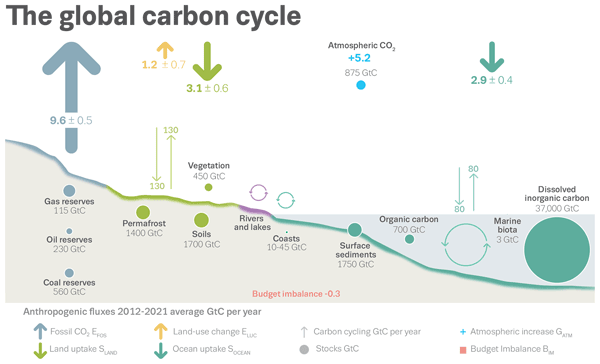
The Global Carbon Budget 2022 describes the datasets and methodology used to quantify the anthropogenic emissions of carbon dioxide (CO2) and their partitioning among the atmosphere, the land ecosystems, and the ocean. These living datasets are updated every year to provide the highest transparency and traceability in the reporting of CO2, the key driver of climate change.
Kristine Karstens, Benjamin Leon Bodirsky, Jan Philipp Dietrich, Marta Dondini, Jens Heinke, Matthias Kuhnert, Christoph Müller, Susanne Rolinski, Pete Smith, Isabelle Weindl, Hermann Lotze-Campen, and Alexander Popp
Biogeosciences, 19, 5125–5149, https://doi.org/10.5194/bg-19-5125-2022, https://doi.org/10.5194/bg-19-5125-2022, 2022
Short summary
Short summary
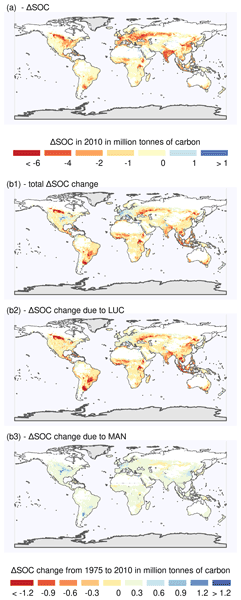
Soil organic carbon (SOC) has been depleted by anthropogenic land cover change and agricultural management. While SOC models often simulate detailed biochemical processes, the management decisions are still little investigated at the global scale. We estimate that soils have lost around 26 GtC relative to a counterfactual natural state in 1975. Yet, since 1975, SOC has been increasing again by 4 GtC due to a higher productivity, recycling of crop residues and manure, and no-tillage practices.
Pierre Friedlingstein, Matthew W. Jones, Michael O'Sullivan, Robbie M. Andrew, Dorothee C. E. Bakker, Judith Hauck, Corinne Le Quéré, Glen P. Peters, Wouter Peters, Julia Pongratz, Stephen Sitch, Josep G. Canadell, Philippe Ciais, Rob B. Jackson, Simone R. Alin, Peter Anthoni, Nicholas R. Bates, Meike Becker, Nicolas Bellouin, Laurent Bopp, Thi Tuyet Trang Chau, Frédéric Chevallier, Louise P. Chini, Margot Cronin, Kim I. Currie, Bertrand Decharme, Laique M. Djeutchouang, Xinyu Dou, Wiley Evans, Richard A. Feely, Liang Feng, Thomas Gasser, Dennis Gilfillan, Thanos Gkritzalis, Giacomo Grassi, Luke Gregor, Nicolas Gruber, Özgür Gürses, Ian Harris, Richard A. Houghton, George C. Hurtt, Yosuke Iida, Tatiana Ilyina, Ingrid T. Luijkx, Atul Jain, Steve D. Jones, Etsushi Kato, Daniel Kennedy, Kees Klein Goldewijk, Jürgen Knauer, Jan Ivar Korsbakken, Arne Körtzinger, Peter Landschützer, Siv K. Lauvset, Nathalie Lefèvre, Sebastian Lienert, Junjie Liu, Gregg Marland, Patrick C. McGuire, Joe R. Melton, David R. Munro, Julia E. M. S. Nabel, Shin-Ichiro Nakaoka, Yosuke Niwa, Tsuneo Ono, Denis Pierrot, Benjamin Poulter, Gregor Rehder, Laure Resplandy, Eddy Robertson, Christian Rödenbeck, Thais M. Rosan, Jörg Schwinger, Clemens Schwingshackl, Roland Séférian, Adrienne J. Sutton, Colm Sweeney, Toste Tanhua, Pieter P. Tans, Hanqin Tian, Bronte Tilbrook, Francesco Tubiello, Guido R. van der Werf, Nicolas Vuichard, Chisato Wada, Rik Wanninkhof, Andrew J. Watson, David Willis, Andrew J. Wiltshire, Wenping Yuan, Chao Yue, Xu Yue, Sönke Zaehle, and Jiye Zeng
Earth Syst. Sci. Data, 14, 1917–2005, https://doi.org/10.5194/essd-14-1917-2022, https://doi.org/10.5194/essd-14-1917-2022, 2022
Short summary
Short summary
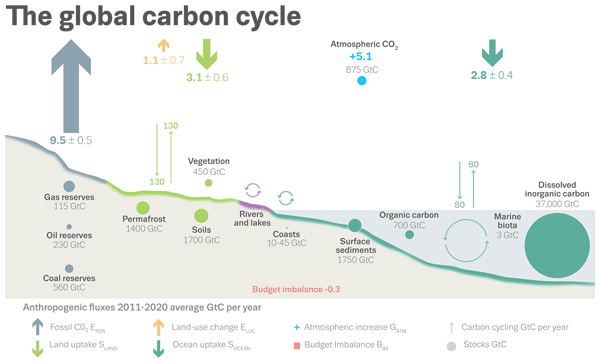
The Global Carbon Budget 2021 describes the data sets and methodology used to quantify the emissions of carbon dioxide and their partitioning among the atmosphere, land, and ocean. These living data are updated every year to provide the highest transparency and traceability in the reporting of CO2, the key driver of climate change.
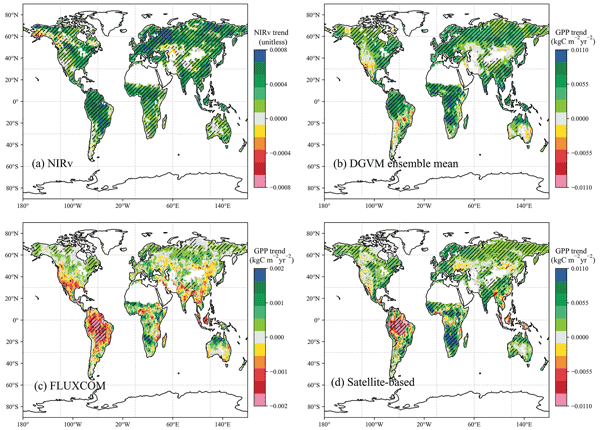
Ruqi Yang, Jun Wang, Ning Zeng, Stephen Sitch, Wenhan Tang, Matthew Joseph McGrath, Qixiang Cai, Di Liu, Danica Lombardozzi, Hanqin Tian, Atul K. Jain, and Pengfei Han
Earth Syst. Dynam., 13, 833–849, https://doi.org/10.5194/esd-13-833-2022, https://doi.org/10.5194/esd-13-833-2022, 2022
Short summary
Short summary
We comprehensively investigate historical GPP trends based on five kinds of GPP datasets and analyze the causes for any discrepancies among them. Results show contrasting behaviors between modeled and satellite-based GPP trends, and their inconsistencies are likely caused by the contrasting performance between satellite-derived and modeled leaf area index (LAI). Thus, the uncertainty in satellite-based GPP induced by LAI undermines its role in assessing the performance of DGVM simulations.
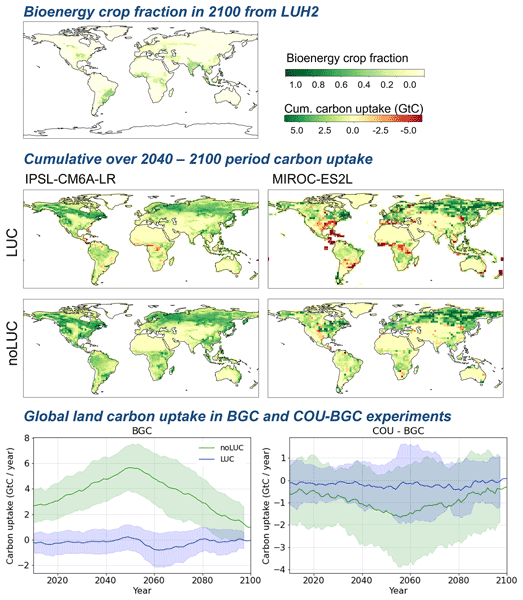
Irina Melnikova, Olivier Boucher, Patricia Cadule, Katsumasa Tanaka, Thomas Gasser, Tomohiro Hajima, Yann Quilcaille, Hideo Shiogama, Roland Séférian, Kaoru Tachiiri, Nicolas Vuichard, Tokuta Yokohata, and Philippe Ciais
Earth Syst. Dynam., 13, 779–794, https://doi.org/10.5194/esd-13-779-2022, https://doi.org/10.5194/esd-13-779-2022, 2022
Short summary
Short summary
The deployment of bioenergy crops for capturing carbon from the atmosphere facilitates global warming mitigation via generating negative CO2 emissions. Here, we explored the consequences of large-scale energy crops deployment on the land carbon cycle. The land-use change for energy crops leads to carbon emissions and loss of future potential increase in carbon uptake by natural ecosystems. This impact should be taken into account by the modeling teams and accounted for in mitigation policies.
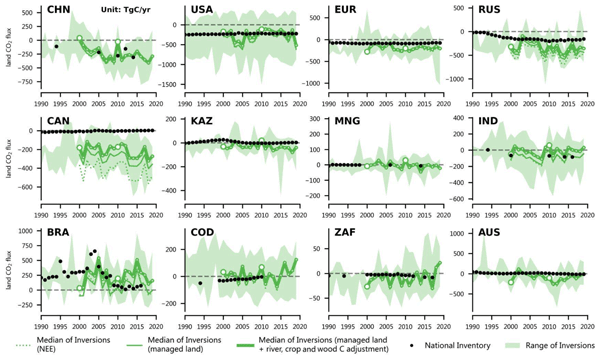
Zhu Deng, Philippe Ciais, Zitely A. Tzompa-Sosa, Marielle Saunois, Chunjing Qiu, Chang Tan, Taochun Sun, Piyu Ke, Yanan Cui, Katsumasa Tanaka, Xin Lin, Rona L. Thompson, Hanqin Tian, Yuanzhi Yao, Yuanyuan Huang, Ronny Lauerwald, Atul K. Jain, Xiaoming Xu, Ana Bastos, Stephen Sitch, Paul I. Palmer, Thomas Lauvaux, Alexandre d'Aspremont, Clément Giron, Antoine Benoit, Benjamin Poulter, Jinfeng Chang, Ana Maria Roxana Petrescu, Steven J. Davis, Zhu Liu, Giacomo Grassi, Clément Albergel, Francesco N. Tubiello, Lucia Perugini, Wouter Peters, and Frédéric Chevallier
Earth Syst. Sci. Data, 14, 1639–1675, https://doi.org/10.5194/essd-14-1639-2022, https://doi.org/10.5194/essd-14-1639-2022, 2022
Short summary
Short summary
In support of the global stocktake of the Paris Agreement on climate change, we proposed a method for reconciling the results of global atmospheric inversions with data from UNFCCC national greenhouse gas inventories (NGHGIs). Here, based on a new global harmonized database that we compiled from the UNFCCC NGHGIs and a comprehensive framework presented in this study to process the results of inversions, we compared their results of carbon dioxide (CO2), methane (CH4), and nitrous oxide (N2O).
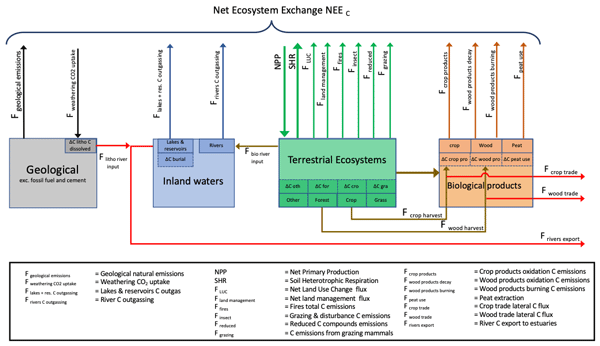
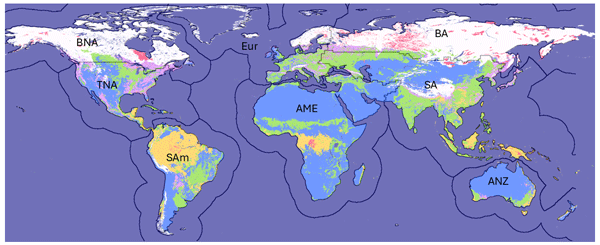
Philippe Ciais, Ana Bastos, Frédéric Chevallier, Ronny Lauerwald, Ben Poulter, Josep G. Canadell, Gustaf Hugelius, Robert B. Jackson, Atul Jain, Matthew Jones, Masayuki Kondo, Ingrid T. Luijkx, Prabir K. Patra, Wouter Peters, Julia Pongratz, Ana Maria Roxana Petrescu, Shilong Piao, Chunjing Qiu, Celso Von Randow, Pierre Regnier, Marielle Saunois, Robert Scholes, Anatoly Shvidenko, Hanqin Tian, Hui Yang, Xuhui Wang, and Bo Zheng
Geosci. Model Dev., 15, 1289–1316, https://doi.org/10.5194/gmd-15-1289-2022, https://doi.org/10.5194/gmd-15-1289-2022, 2022
Short summary
Short summary
The second phase of the Regional Carbon Cycle Assessment and Processes (RECCAP) will provide updated quantification and process understanding of CO2, CH4, and N2O emissions and sinks for ten regions of the globe. In this paper, we give definitions, review different methods, and make recommendations for estimating different components of the total land–atmosphere carbon exchange for each region in a consistent and complete approach.
Vera Porwollik, Susanne Rolinski, Jens Heinke, Werner von Bloh, Sibyll Schaphoff, and Christoph Müller
Biogeosciences, 19, 957–977, https://doi.org/10.5194/bg-19-957-2022, https://doi.org/10.5194/bg-19-957-2022, 2022
Short summary
Short summary
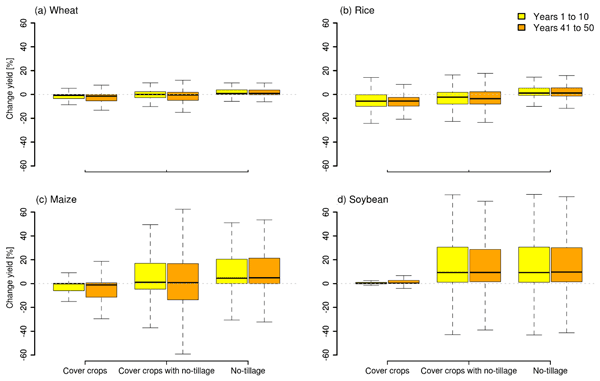
The study assesses impacts of grass cover crop cultivation on cropland during main-crop off-season periods applying the global vegetation model LPJmL (V.5.0-tillage-cc). Compared to simulated bare-soil fallowing practices, cover crops led to increased soil carbon content and reduced nitrogen leaching rates on the majority of global cropland. Yield responses of main crops following cover crops vary with location, duration of altered management, crop type, water regime, and tillage practice.
Albert Nkwasa, Celray James Chawanda, Jonas Jägermeyr, and Ann van Griensven
Hydrol. Earth Syst. Sci., 26, 71–89, https://doi.org/10.5194/hess-26-71-2022, https://doi.org/10.5194/hess-26-71-2022, 2022
Short summary
Short summary
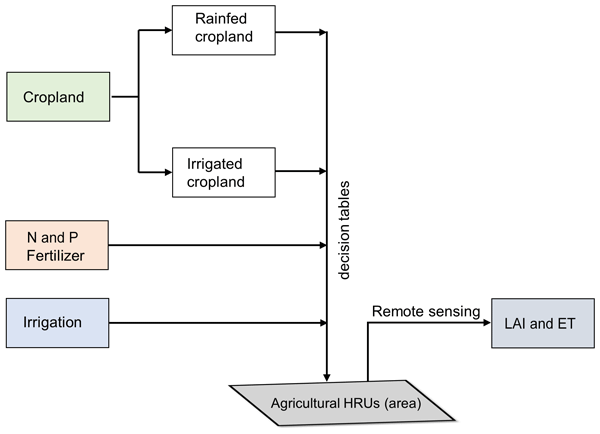
We present an approach on how to incorporate crop phenology in a regional hydrological model using decision tables and global datasets of rainfed and irrigated cropland with the associated cropping calendar and management practices. Results indicate improved temporal patterns of leaf area index (LAI) and evapotranspiration (ET) simulations in comparison with remote sensing data. In addition, the improvement of the cropping season also helps to improve soil erosion estimates in cultivated areas.
Henrique M. D. Goulart, Karin van der Wiel, Christian Folberth, Juraj Balkovic, and Bart van den Hurk
Earth Syst. Dynam., 12, 1503–1527, https://doi.org/10.5194/esd-12-1503-2021, https://doi.org/10.5194/esd-12-1503-2021, 2021
Short summary
Short summary
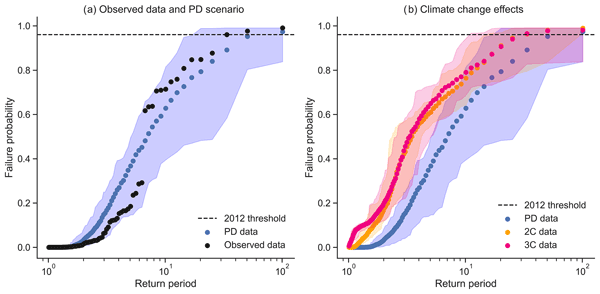
Agriculture is sensitive to weather conditions and to climate change. We identify the weather conditions linked to soybean failures and explore changes related to climate change. Additionally, we build future versions of a historical extreme season under future climate scenarios. Results show that soybean failures are likely to increase with climate change. Future events with similar physical conditions to the extreme season are not expected to increase, but events with similar impacts are.
Wendong Ge, Junfeng Liu, Kan Yi, Jiayu Xu, Yizhou Zhang, Xiurong Hu, Jianmin Ma, Xuejun Wang, Yi Wan, Jianying Hu, Zhaobin Zhang, Xilong Wang, and Shu Tao
Atmos. Chem. Phys., 21, 16093–16120, https://doi.org/10.5194/acp-21-16093-2021, https://doi.org/10.5194/acp-21-16093-2021, 2021
Short summary
Short summary
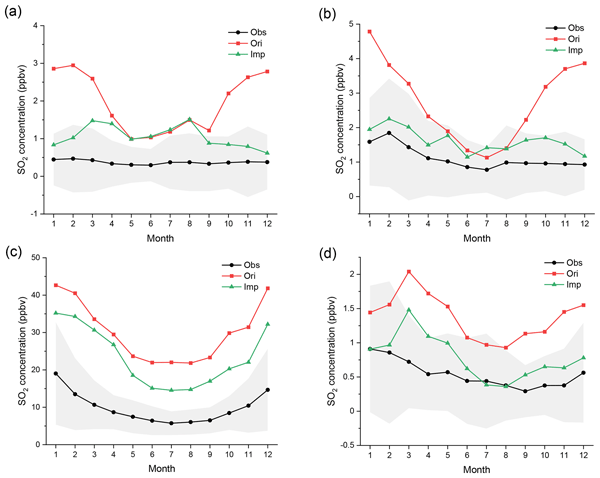
Compared with the observations, the results incorporating detailed cloud aqueous-phase chemistry greatly reduced SO2 overestimation. The biases in annual simulated SO2 concentrations (or mixing ratios) decreased by 46 %, 41 %, and 22 % in Europe, the USA, and China, respectively. Fe chemistry and HOx chemistry contributed more to SO2 oxidation than N chemistry. Higher concentrations of soluble Fe and higher pH values could further enhance the oxidation capacity.
Tobias Herzfeld, Jens Heinke, Susanne Rolinski, and Christoph Müller
Earth Syst. Dynam., 12, 1037–1055, https://doi.org/10.5194/esd-12-1037-2021, https://doi.org/10.5194/esd-12-1037-2021, 2021
Short summary
Short summary
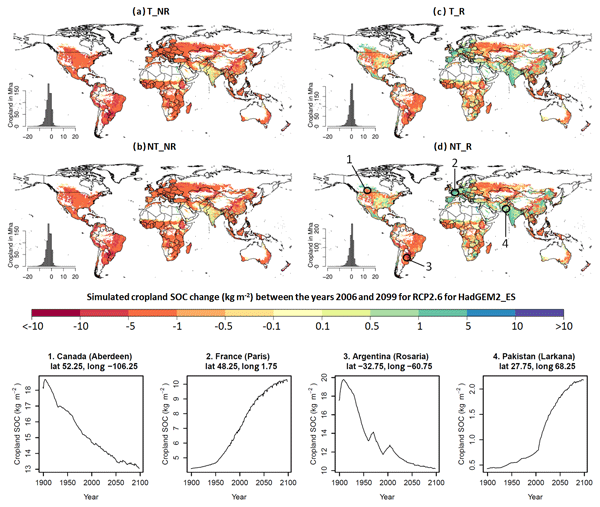
Soil organic carbon sequestration on cropland has been proposed as a climate change mitigation strategy. We simulate different agricultural management practices under climate change scenarios using a global biophysical model. We find that at the global aggregated level, agricultural management practices are not capable of enhancing total carbon storage in the soil, yet for some climate regions, we find that there is potential to enhance the carbon content in cropland soils.
Lina Teckentrup, Martin G. De Kauwe, Andrew J. Pitman, Daniel S. Goll, Vanessa Haverd, Atul K. Jain, Emilie Joetzjer, Etsushi Kato, Sebastian Lienert, Danica Lombardozzi, Patrick C. McGuire, Joe R. Melton, Julia E. M. S. Nabel, Julia Pongratz, Stephen Sitch, Anthony P. Walker, and Sönke Zaehle
Biogeosciences, 18, 5639–5668, https://doi.org/10.5194/bg-18-5639-2021, https://doi.org/10.5194/bg-18-5639-2021, 2021
Short summary
Short summary
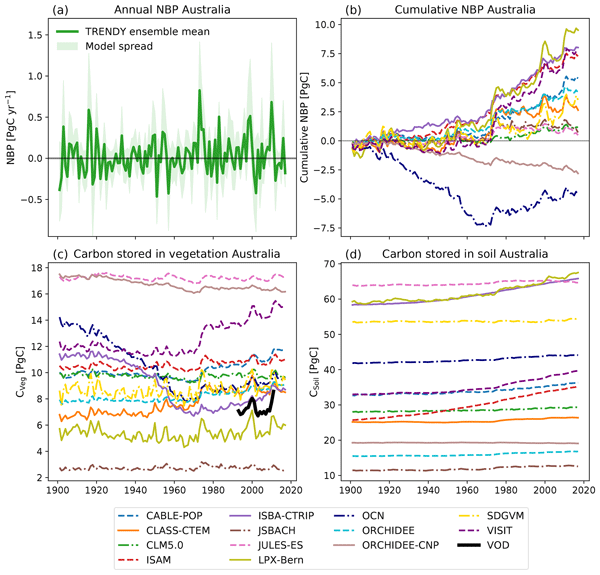
The Australian continent is included in global assessments of the carbon cycle such as the global carbon budget, yet the performance of dynamic global vegetation models (DGVMs) over Australia has rarely been evaluated. We assessed simulations by an ensemble of dynamic global vegetation models over Australia and highlighted a number of key areas that lead to model divergence on both short (inter-annual) and long (decadal) timescales.
Cited articles
Abebe, A., Pathak, H., Singh, S. D., Bhatia, A., Harit, R. C., and Kumar, V.: Growth, yield and quality of maize with elevated atmospheric carbon dioxide and temperature in north-west India, Agric. Ecosyst. Environ., 218, 66–72, https://doi.org/10.1016/j.agee.2015.11.014, 2016.
Abramoff, R. Z., Ciais, P., Zhu, P., Hasegawa, T., Wakatsuki, H., and Makowski, D.: Adaptation Strategies Strongly Reduce the Future Impacts of Climate Change on Simulated Crop Yields, Earths Future, 11, 2022–003190, https://doi.org/10.1029/2022EF003190, 2023.
Ackerman, D., Millet, D. B., and Chen, X.: Global Estimates of Inorganic Nitrogen Deposition Across Four Decades, Global Biogeochem. Cy., 33, 100–107, https://doi.org/10.1029/2018GB005990, 2019.
Ahvo, A., Heino, M., Sandström, V., Chrisendo, D., Jalava, M., and Kummu, M.: Agricultural input shocks affect crop yields more in the high-yielding areas of the world, Nat. Food, https://doi.org/10.1038/s43016-023-00873-z, 2023.
Ainsworth, E. A. and Long, S. P.: 30 years of free-air carbon dioxide enrichment (FACE): What have we learned about future crop productivity and its potential for adaptation?, Glob. Change Biol., 27, 27–49, https://doi.org/10.1111/gcb.15375, 2021.
Anderson, W. B., Seager, R., Baethgen, W., Cane, M., and You, L.: Synchronous crop failures and climate-forced production variability, Sci. Adv., 5, https://doi.org/10.1126/sciadv.aaw1976, 2019.
Balkovič, J., van der Velde, M., Skalský, R., Xiong, W., Folberth, C., Khabarov, N., Smirnov, A., Mueller, N. D., and Obersteiner, M.: Global wheat production potentials and management flexibility under the representative concentration pathways, Global Planet. Change, 122, 107–121, https://doi.org/10.1016/j.gloplacha.2014.08.010, 2014.
Becker-Reshef, I., Barker, B., Whitcraft, A., Oliva, P., Mobley, K., Justice, C., and Sahajpal, R.: Crop Type Maps for Operational Global Agricultural Monitoring, Sci. Data, 10, 1–12, https://doi.org/10.1038/s41597-023-02047-9, 2023.
Blanc, É.: Statistical emulators of maize, rice, soybean and wheat yields from global gridded crop models, Agr. Forest Meteorol., 236, 145–161, https://doi.org/10.1016/j.agrformet.2016.12.022, 2017.
Bunce, J. A.: Responses of soybeans and wheat to elevated CO2 in free-air and open top chamber systems, Field Crops Res., 186, 78–85, https://doi.org/10.1016/j.fcr.2015.11.010, 2016.
Cai, C., Yin, X., He, S., Jiang, W., Si, C., Struik, P. C., Luo, W., Li, G., Xie, Y., Xiong, Y., and Pan, G.: Responses of wheat and rice to factorial combinations of ambient and elevated CO2 and temperature in FACE experiments, Glob. Change Biol., 22, 856–874, https://doi.org/10.1111/gcb.13065, 2016.
Calvin, K. and Fisher-Vanden, K.: Quantifying the indirect impacts of climate on agriculture: An inter-method comparison, Environ. Res. Lett., 12, https://doi.org/10.1088/1748-9326/aa843c, 2017.
Choi, K., Yi, J., Park, C., and Yoon, S.: Deep Learning for Anomaly Detection in Time-Series Data: Review, Analysis, and Guidelines, IEEE Access, 9, 120043–120065, https://doi.org/10.1109/ACCESS.2021.3107975, 2021.
Ciscar, J.-C., Fisher-Vanden, K., and Lobell, D. B.: Synthesis and Review: an inter-method comparison of climate change impacts on agriculture, Environ. Res. Lett., 13, 070401, https://doi.org/10.1088/1748-9326/aac7cb, 2018.
Compo, G. P., Whitaker, J. S., Sardeshmukh, P. D., Matsui, N., Allan, R. J., Yin, X., Gleason, B. E., Vose, R. S., Rutledge, G., Bessemoulin, P., BroNnimann, S., Brunet, M., Crouthamel, R. I., Grant, A. N., Groisman, P. Y., Jones, P. D., Kruk, M. C., Kruger, A. C., Marshall, G. J., Maugeri, M., Mok, H. Y., Nordli, O., Ross, T. F., Trigo, R. M., Wang, X. L., Woodruff, S. D., and Worley, S. J.: The Twentieth Century Reanalysis Project, Q. J. Roy. Meteor. Soc., 137, https://doi.org/10.1002/qj.776, 2011.
Deryng, D., Elliott, J., Folberth, C., Müller, C., Pugh, T. A. M., Boote, K. J., Conway, D., Ruane, A. C., Gerten, D., Jones, J. W., Khabarov, N., Olin, S., Schaphoff, S., Schmid, E., Yang, H., and Rosenzweig, C.: Regional disparities in the beneficial effects of rising CO2 concentrations on crop water productivity, Nat. Clim. Change, 6, 786–790, https://doi.org/10.1038/nclimate2995, 2016.
Di Paola, A., Valentini, R., and Santini, M.: An overview of available crop growth and yield models for studies and assessments in agriculture, J. Sci. Food Agric., https://doi.org/10.1002/jsfa.7359, 2016.
Elliott, J., Deryng, D., Müller, C., Frieler, K., Konzmann, M., Gerten, D., Glotter, M., Flörke, M., Wada, Y., Best, N., Eisner, S., Fekete, B. M., Folberth, C., Foster, I., Gosling, S. N., Haddeland, I., Khabarov, N., Ludwig, F., Masaki, Y., Olin, S., Rosenzweig, C., Ruane, A. C., Satoh, Y., Schmid, E., Stacke, T., Tang, Q., and Wisser, D.: Constraints and potentials of future irrigation water availability on agricultural production under climate change, P. Natl. Acad. Sci. USA, 111, 3239–3244, https://doi.org/10.1073/pnas.1222474110, 2014.
Elliott, J., Müller, C., Deryng, D., Chryssanthacopoulos, J., Boote, K. J., Büchner, M., Foster, I., Glotter, M., Heinke, J., Iizumi, T., Izaurralde, R. C., Mueller, N. D., Ray, D. K., Rosenzweig, C., Ruane, A. C., and Sheffield, J.: The Global Gridded Crop Model Intercomparison: data and modeling protocols for Phase 1 (v1.0), Geosci. Model Dev., 8, 261–277, https://doi.org/10.5194/gmd-8-261-2015, 2015.
Ewert, F., Rötter, R. P., Bindi, M., Webber, H., Trnka, M., Kersebaum, K. C., Olesen, J. E., van Ittersum, M. K., Janssen, S., Rivington, M., Semenov, M. A., Wallach, D., Porter, J. R., Stewart, D., Verhagen, J., Gaiser, T., Palosuo, T., Tao, F., Nendel, C., Roggero, P. P., Bartošová, L., and Asseng, S.: Crop modelling for integrated assessment of risk to food production from climate change, Environ. Model. Softw., 72, 287–303, https://doi.org/10.1016/j.envsoft.2014.12.003, 2015.
Falconnier, G. N., Corbeels, M., Boote, K. J., Affholder, F., Adam, M., MacCarthy, D. S., Ruane, A. C., Nendel, C., Whitbread, A. M., Justes, É., Ahuja, L. R., Akinseye, F. M., Alou, I. N., Amouzou, K. A., Anapalli, S. S., Baron, C., Basso, B., Baudron, F., Bertuzzi, P., Challinor, A. J., Chen, Y., Deryng, D., Elsayed, M. L., Faye, B., Gaiser, T., Galdos, M., Gayler, S., Gerardeaux, E., Giner, M., Grant, B., Hoogenboom, G., Ibrahim, E. S., Kamali, B., Kersebaum, K. C., Kim, S. H., van der Laan, M., Leroux, L., Lizaso, J. I., Maestrini, B., Meier, E. A., Mequanint, F., Ndoli, A., Porter, C. H., Priesack, E., Ripoche, D., Sida, T. S., Singh, U., Smith, W. N., Srivastava, A., Sinha, S., Tao, F., Thorburn, P. J., Timlin, D., Traore, B., Twine, T., and Webber, H.: Modelling climate change impacts on maize yields under low nitrogen input conditions in sub-Saharan Africa, Glob. Change Biol., 26, 5942–5964, https://doi.org/10.1111/gcb.15261, 2020.
Folberth, C., Elliott, J., Müller, C., Balkovič, J., Chryssanthacopoulos, J., Izaurralde, R. C., Jones, C. D., Khabarov, N., Liu, W., Reddy, A., Schmid, E., Skalský, R., Yang, H., Arneth, A., Ciais, P., Deryng, D., Lawrence, P. J., Olin, S., Pugh, T. A. M., Ruane, A. C., and Wang, X.: Parameterization-induced uncertainties and impacts of crop management harmonization in a global gridded crop model ensemble, PLoS One, 14, https://doi.org/10.1371/journal.pone.0221862, 2019.
Folberth, C., Baklanov, A., Khabarov, N., Oberleitner, T., Balkovič, J., and Skalský, R.: CROMES v1.0: a flexible CROp Model Emulator Suite for climate impact assessment, Geosci. Model Dev., 18, 5759–5779, https://doi.org/10.5194/gmd-18-5759-2025, 2025.
Franke, J. A., Müller, C., Elliott, J., Ruane, A. C., Jägermeyr, J., Snyder, A., Dury, M., Falloon, P. D., Folberth, C., François, L., Hank, T., Izaurralde, R. C., Jacquemin, I., Jones, C., Li, M., Liu, W., Olin, S., Phillips, M., Pugh, T. A. M., Reddy, A., Williams, K., Wang, Z., Zabel, F., and Moyer, E. J.: The GGCMI Phase 2 emulators: global gridded crop model responses to changes in CO2, temperature, water, and nitrogen (version 1.0), Geosci. Model Dev., 13, 3995–4018, https://doi.org/10.5194/gmd-13-3995-2020, 2020a.
Franke, J. A., Müller, C., Elliott, J., Ruane, A. C., Jägermeyr, J., Balkovic, J., Ciais, P., Dury, M., Falloon, P. D., Folberth, C., François, L., Hank, T., Hoffmann, M., Izaurralde, R. C., Jacquemin, I., Jones, C., Khabarov, N., Koch, M., Li, M., Liu, W., Olin, S., Phillips, M., Pugh, T. A. M., Reddy, A., Wang, X., Williams, K., Zabel, F., and Moyer, E. J.: The GGCMI Phase 2 experiment: global gridded crop model simulations under uniform changes in CO2, temperature, water, and nitrogen levels (protocol version 1.0), Geosci. Model Dev., 13, 2315–2336, https://doi.org/10.5194/gmd-13-2315-2020, 2020b.
Frieler, K., Volkholz, J., Lange, S., Schewe, J., Mengel, M., del Rocío Rivas López, M., Otto, C., Reyer, C. P. O., Karger, D. N., Malle, J. T., Treu, S., Menz, C., Blanchard, J. L., Harrison, C. S., Petrik, C. M., Eddy, T. D., Ortega-Cisneros, K., Novaglio, C., Rousseau, Y., Watson, R. A., Stock, C., Liu, X., Heneghan, R., Tittensor, D., Maury, O., Büchner, M., Vogt, T., Wang, T., Sun, F., Sauer, I. J., Koch, J., Vanderkelen, I., Jägermeyr, J., Müller, C., Rabin, S., Klar, J., Vega del Valle, I. D., Lasslop, G., Chadburn, S., Burke, E., Gallego-Sala, A., Smith, N., Chang, J., Hantson, S., Burton, C., Gädeke, A., Li, F., Gosling, S. N., Müller Schmied, H., Hattermann, F., Wang, J., Yao, F., Hickler, T., Marcé, R., Pierson, D., Thiery, W., Mercado-Bettín, D., Ladwig, R., Ayala-Zamora, A. I., Forrest, M., and Bechtold, M.: Scenario setup and forcing data for impact model evaluation and impact attribution within the third round of the Inter-Sectoral Impact Model Intercomparison Project (ISIMIP3a), Geosci. Model Dev., 17, 1–51, https://doi.org/10.5194/gmd-17-1-2024, 2024.
Gahlot, S., Lin, T.-S., Jain, A. K., Baidya Roy, S., Sehgal, V. K., and Dhakar, R.: Impact of environmental changes and land management practices on wheat production in India, Earth Syst. Dynam., 11, 641–652, https://doi.org/10.5194/esd-11-641-2020, 2020.
Gasser, T., Ciais, P., Boucher, O., Quilcaille, Y., Tortora, M., Bopp, L., and Hauglustaine, D.: The compact Earth system model OSCAR v2.2: description and first results, Geosci. Model Dev., 10, 271–319, https://doi.org/10.5194/gmd-10-271-2017, 2017.
Gerber, J. S., Ray, D. K., Makowski, D., Butler, E. E., Mueller, N. D., West, P. C., Johnson, J. A., Polasky, S., Samberg, L. H., Siebert, S., and Sloat, L.: Global spatially explicit yield gap time trends reveal regions at risk of future crop yield stagnation, Nat. Food, 5, 125–135, https://doi.org/10.1038/s43016-023-00913-8, 2024.
Haas, E., Klatt, S., Fröhlich, A., Kraft, P., Werner, C., Kiese, R., Grote, R., Breuer, L., and Butterbach-Bahl, K.: LandscapeDNDC: A process model for simulation of biosphere-atmosphere-hydrosphere exchange processes at site and regional scale, Landsc. Ecol., 28, 615–636, https://doi.org/10.1007/s10980-012-9772-x, 2013.
Hank, T. B., Bach, H., and Mauser, W.: Using a remote sensing-supported hydro-agroecological model for field-scale simulation of heterogeneous crop growth and yield: Application for wheat in central europe, Remote Sens., 7, 3934–3965, https://doi.org/10.3390/rs70403934, 2015.
Hansen, B. E.: Least-squares forecast averaging, J. Econom., 146, 342–350, https://doi.org/10.1016/j.jeconom.2008.08.022, 2008.
Harris, I., Osborn, T. J., Jones, P., and Lister, D.: Version 4 of the CRU TS monthly high-resolution gridded multivariate climate dataset, Sci. Data, 7, 1–18, https://doi.org/10.1038/s41597-020-0453-3, 2020.
Hasegawa, T., Sakai, H., Tokida, T., Usui, Y., Nakamura, H., Wakatsuki, H., Chen, C. P., Ikawa, H., Zhang, G., Nakano, H., Matsushima, M. Y., and Hayashi, K.: A high-yielding rice cultivar “takanari” shows no N constraints on CO2 fertilization, Front. Plant Sci., 10, 1–15, https://doi.org/10.3389/fpls.2019.00361, 2019.
Hasegawa, T., Sakurai, G., Fujimori, S., Takahashi, K., Hijioka, Y., and Masui, T.: Extreme climate events increase risk of global food insecurity and adaptation needs, Nat. Food, 2, 587–595, https://doi.org/10.1038/s43016-021-00335-4, 2021.
Heinke, J., Müller, C., Mueller, N. D., and Jägermeyr, J.: N application rates from mineral fertiliser and manure, Zenodo [data set], https://doi.org/10.5281/zenodo.5176008, 15 June 2021.
Herger, N., Sanderson, B. M., and Knutti, R.: Improved pattern scaling approaches for the use in climate impact studies, Geophys. Res. Lett., 42, 3486–3494, https://doi.org/10.1002/2015GL063569, 2015.
Hersbach, H., Bell, B., Berrisford, P., Hirahara, S., Horányi, A., Muñoz-Sabater, J., Nicolas, J., Peubey, C., Radu, R., Schepers, D., Simmons, A., Soci, C., Abdalla, S., Abellan, X., Balsamo, G., Bechtold, P., Biavati, G., Bidlot, J., Bonavita, M., De Chiara, G., Dahlgren, P., Dee, D., Diamantakis, M., Dragani, R., Flemming, J., Forbes, R., Fuentes, M., Geer, A., Haimberger, L., Healy, S., Hogan, R. J., Hólm, E., Janisková, M., Keeley, S., Laloyaux, P., Lopez, P., Lupu, C., Radnoti, G., de Rosnay, P., Rozum, I., Vamborg, F., Villaume, S., and Thépaut, J. N.: The ERA5 global reanalysis, Q. J. Roy. Meteor. Soc., 146, 1999–2049, https://doi.org/10.1002/qj.3803, 2020.
Hultgren, A., Carleton, T., Delgado, M., Gergel, D. R., Greenstone, M., Houser, T., Hsiang, S., Jina, A., Kopp, R. E., Malevich, S. B., McCusker, K. E., Mayer, T., Nath, I., Rising, J., Rode, A., and Yuan, J.: Impacts of climate change on global agriculture accounting for adaptation, Nature, 642, 644–652, https://doi.org/10.1038/s41586-025-09085-w, 2025.
Hurtt, G. C., Chini, L., Sahajpal, R., Frolking, S., Bodirsky, B. L., Calvin, K., Doelman, J. C., Fisk, J., Fujimori, S., Klein Goldewijk, K., Hasegawa, T., Havlik, P., Heinimann, A., Humpenöder, F., Jungclaus, J., Kaplan, J. O., Kennedy, J., Krisztin, T., Lawrence, D., Lawrence, P., Ma, L., Mertz, O., Pongratz, J., Popp, A., Poulter, B., Riahi, K., Shevliakova, E., Stehfest, E., Thornton, P., Tubiello, F. N., van Vuuren, D. P., and Zhang, X.: Harmonization of global land use change and management for the period 850–2100 (LUH2) for CMIP6, Geosci. Model Dev., 13, 5425–5464, https://doi.org/10.5194/gmd-13-5425-2020, 2020.
Iizumi, T., Furuya, J., Shen, Z., Kim, W., Okada, M., Fujimori, S., Hasegawa, T., and Nishimori, M.: Responses of crop yield growth to global temperature and socioeconomic changes, Sci. Rep., 7, https://doi.org/10.1038/s41598-017-08214-4, 2017.
Iizumi, T., Iseki, K., Ikazaki, K., Sakai, T., Shiogama, H., Imada, Y., and Batieno, B. J.: Increasing heavy rainfall events and associated excessive soil water threaten a protein-source legume in dry environments of West Africa, Agr. Forest Meteorol., 344, https://doi.org/10.1016/j.agrformet.2023.109783, 2024.
Iizumi, T., Sakai, T., Masaki, Y., Oyoshi, K., Takimoto, T., Shiogama, H., Imada, Y., and Makowski, D.: Assessing the capacity of agricultural research and development to increase the stability of global crop yields under climate change, PNAS Nexus, 4, https://doi.org/10.1093/pnasnexus/pgaf099, 2025.
ISIMIP repository: https://data.isimip.org/, last access: 20 November 2024.
Jägermeyr, J., Müller, C., Ruane, A. C., Elliott, J., Balkovic, J., Castillo, O., Faye, B., Foster, I., Folberth, C., Franke, J. A., Fuchs, K., Guarin, J. R., Heinke, J., Hoogenboom, G., Iizumi, T., Jain, A. K., Kelly, D., Khabarov, N., Lange, S., Lin, T.-S., Liu, W., Mialyk, O., Minoli, S., Moyer, E. J., Okada, M., Phillips, M., Porter, C., Rabin, S. S., Scheer, C., Schneider, J. M., Schyns, J. F., Skalsky, R., Smerald, A., Stella, T., Stephens, H., Webber, H., Zabel, F., and Rosenzweig, C.: Climate impacts on global agriculture emerge earlier in new generation of climate and crop models, Nat. Food, 2, 873–885, https://doi.org/10.1038/s43016-021-00400-y, 2021.
Kephe, P. N., Ayisi, K. K., and Petja, B. M.: Challenges and opportunities in crop simulation modelling under seasonal and projected climate change scenarios for crop production in South Africa, Agr. Food Security, https://doi.org/10.1186/s40066-020-00283-5, 2021.
Kikstra, J. S., Nicholls, Z. R. J., Smith, C. J., Lewis, J., Lamboll, R. D., Byers, E., Sandstad, M., Meinshausen, M., Gidden, M. J., Rogelj, J., Kriegler, E., Peters, G. P., Fuglestvedt, J. S., Skeie, R. B., Samset, B. H., Wienpahl, L., van Vuuren, D. P., van der Wijst, K.-I., Al Khourdajie, A., Forster, P. M., Reisinger, A., Schaeffer, R., and Riahi, K.: The IPCC Sixth Assessment Report WGIII climate assessment of mitigation pathways: from emissions to global temperatures, Geosci. Model Dev., 15, 9075–9109, https://doi.org/10.5194/gmd-15-9075-2022, 2022.
Kling, M. M., Brittain, C. T., Galford, G. L., Waring, T. M., Hébert-Dufresne, L., Dube, M. P., Sabzian, H., Gotelli, N. J., McGill, B. J., and Niles, M. T.: Innovations through crop switching happen on the diverse margins of US agriculture, P. Natl. Acad. Sci. USA, 121, https://doi.org/10.1073/pnas.2402195121, 2024.
Kornhuber, K., Lesk, C., Schleussner, C. F., Jägermeyr, J., Pfleiderer, P., and Horton, R. M.: Risks of synchronized low yields are underestimated in climate and crop model projections, Nat. Commun., 14, 1–10, https://doi.org/10.1038/s41467-023-38906-7, 2023.
Laborte, A. G., Gutierrez, M. A., Balanza, J. G., Saito, K., Zwart, S. J., Boschetti, M., Murty, M. V. R., Villano, L., Aunario, J. K., Reinke, R., Koo, J., Hijmans, R. J., and Nelson, A.: RiceAtlas, a spatial database of global rice calendars and production, Sci. Data, 4, 1–10, https://doi.org/10.1038/sdata.2017.74, 2017.
Ladha, J. K., Peoples, M. B., Reddy, P. M., Biswas, J. C., Bennett, A., Jat, M. L., and Krupnik, T. J.: Biological nitrogen fixation and prospects for ecological intensification in cereal-based cropping systems, Field Crops Res., 283, 108541, https://doi.org/10.1016/j.fcr.2022.108541, 2022.
Laub, M., Pataczek, L., Feuerbacher, A., Zikeli, S., and Högy, P.: Contrasting yield responses at varying levels of shade suggest different suitability of crops for dual land-use systems: a meta-analysis, Agron. Sustain. Dev., 42, 51, https://doi.org/10.1007/s13593-022-00783-7, 2022.
Lesk, C., Rowhani, P., and Ramankutty, N.: Influence of extreme weather disasters on global crop production, Nature, 529, 84–87, https://doi.org/10.1038/nature16467, 2016.
Lesk, C., Coffel, E., Winter, J., Ray, D., Zscheischler, J., Seneviratne, S. I., and Horton, R.: Stronger temperature–moisture couplings exacerbate the impact of climate warming on global crop yields, Nat. Food, 2, 683–691, https://doi.org/10.1038/s43016-021-00341-6, 2021.
Lesk, C., Anderson, W., Rigden, A., Coast, O., Jägermeyr, J., McDermid, S., Davis, K. F., and Konar, M.: Compound heat and moisture extreme impacts on global crop yields under climate change, Nat. Rev. Earth Environ., 3, 872–889, https://doi.org/10.1038/s43017-022-00368-8, 2022.
Li, X. and Troy, T. J.: Changes in rainfed and irrigated crop yield response to climate in the western US, Environ. Res. Lett., 13, https://doi.org/10.1088/1748-9326/aac4b1, 2018.
Liu, W., Yang, H., Folberth, C., Wang, X., Luo, Q., and Schulin, R.: Global investigation of impacts of PET methods on simulating crop-water relations for maize, Agr. Forest Meteorol., 221, 164–175, https://doi.org/10.1016/j.agrformet.2016.02.017, 2016.
Liu, W., Ye, T., Müller, C., Jägermeyr, J., Franke, J. A., Stephens, H., and Chen, S.: The statistical emulators of GGCMI phase 2: responses of year-to-year variation of crop yield to CO2, temperature, water, and nitrogen perturbations, Geosci. Model Dev., 16, 7203–7221, https://doi.org/10.5194/gmd-16-7203-2023, 2023.
Liu, W., Li, M., Huang, Y., Makowski, D., Su, Y., Bai, Y., Schauberger, B., Du, T., Abbaspour, K. C., Yang, K., Yang, H., and Ciais, P.: Mitigating nitrogen losses with almost no crop yield penalty during extremely wet years, Sci. Adv., 10, 9325, https://doi.org/10.1126/sciadv.adi9325, 2024.
Liu, X.: OSCAR-crop v1.0, Zenodo [code], https://doi.org/10.5281/zenodo.17228924, 2025.
Lobell, D. B. and Asseng, S.: Comparing estimates of climate change impacts from process-based and statistical crop models, Environ. Res. Lett., 12, 015001, https://doi.org/10.1088/1748-9326/aa518a, 2017.
Luiz, L. F., Correndo, A., Ross, J., Licht, M., Casteel, S., Singh, M., Naeve, S., Vann, R., Bais, J., Kandel, H., Lindsey, L., Conley, S., Kleinjan, J., Kovács, P., Dan Berning, Hefley, T., Reiter, M., Holshouser, D., and Ciampitti, I. A.: Soybean yield response to nitrogen and sulfur fertilization in the United States: contribution of soil N and N fixation processes, Eur. J. Agron., 145, https://doi.org/10.1016/j.eja.2023.126791, 2023.
Lutz, F., Herzfeld, T., Heinke, J., Rolinski, S., Schaphoff, S., von Bloh, W., Stoorvogel, J. J., and Müller, C.: Simulating the effect of tillage practices with the global ecosystem model LPJmL (version 5.0-tillage), Geosci. Model Dev., 12, 2419–2440, https://doi.org/10.5194/gmd-12-2419-2019, 2019.
Ma, J., Olin, S., Anthoni, P., Rabin, S. S., Bayer, A. D., Nyawira, S. S., and Arneth, A.: Modeling symbiotic biological nitrogen fixation in grain legumes globally with LPJ-GUESS (v4.0, r10285), Geosci. Model Dev., 15, 815–839, https://doi.org/10.5194/gmd-15-815-2022, 2022.
Maaz, T. M., Sapkota, T. B., Eagle, A. J., Kantar, M. B., Bruulsema, T. W., and Majumdar, K.: Meta-analysis of yield and nitrous oxide outcomes for nitrogen management in agriculture, Glob. Change Biol., 27, 2343–2360, https://doi.org/10.1111/gcb.15588, 2021.
Maiorano, A., Martre, P., Asseng, S., Ewert, F., Müller, C., Rötter, R. P., Ruane, A. C., Semenov, M. A., Wallach, D., Wang, E., Alderman, P. D., Kassie, B. T., Biernath, C., Basso, B., Cammarano, D., Challinor, A. J., Doltra, J., Dumont, B., Rezaei, E. E., Gayler, S., Kersebaum, K. C., Kimball, B. A., Koehler, A. K., Liu, B., O'Leary, G. J., Olesen, J. E., Ottman, M. J., Priesack, E., Reynolds, M., Stratonovitch, P., Streck, T., Thorburn, P. J., Waha, K., Wall, G. W., White, J. W., Zhao, Z., and Zhu, Y.: Crop model improvement reduces the uncertainty of the response to temperature of multi-model ensembles, Field Crops Res., 202, 5–20, https://doi.org/10.1016/j.fcr.2016.05.001, 2017.
Martre, P., Dueri, S., Guarin, J. R., Ewert, F., Webber, H., Calderini, D., Molero, G., Reynolds, M., Miralles, D., Garcia, G., Brown, H., George, M., Craigie, R., Cohan, J.-P., Deswarte, J.-C., Slafer, G., Giunta, F., Cammarano, D., Ferrise, R., Gaiser, T., Gao, Y., Hochman, Z., Hoogenboom, G., Hunt, L. A., Kersebaum, K. C., Nendel, C., Padovan, G., Ruane, A. C., Srivastava, A. K., Stella, T., Supit, I., Thorburn, P., Wang, E., Wolf, J., Zhao, C., Zhao, Z., and Asseng, S.: Global needs for nitrogen fertilizer to improve wheat yield under climate change, Nat. Plants, 10, 1081–1090, https://doi.org/10.1038/s41477-024-01739-3, 2024.
Mauser, W., Klepper, G., Zabel, F., Delzeit, R., Hank, T., Putzenlechner, B., and Calzadilla, A.: Global biomass production potentials exceed expected future demand without the need for cropland expansion, Nat. Commun., 6, https://doi.org/10.1038/ncomms9946, 2015.
McGrath, J. M. and Lobell, D. B.: Regional disparities in the CO2 fertilization effect and implications for crop yields, Environ. Res. Lett., 8, https://doi.org/10.1088/1748-9326/8/1/014054, 2013.
Minoli, S., Müller, C., Elliott, J., Ruane, A. C., Jägermeyr, J., Zabel, F., Dury, M., Folberth, C., François, L., Hank, T., Jacquemin, I., Liu, W., Olin, S., and Pugh, T. A. M.: Global Response Patterns of Major Rainfed Crops to Adaptation by Maintaining Current Growing Periods and Irrigation, Earths Future, 7, 1464–1480, https://doi.org/10.1029/2018EF001130, 2019.
Mourtzinis, S., Kaur, G., Orlowski, J. M., Shapiro, C. A., Lee, C. D., Wortmann, C., Holshouser, D., Nafziger, E. D., Kandel, H., Niekamp, J., Ross, W. J., Lofton, J., Vonk, J., Roozeboom, K. L., Thelen, K. D., Lindsey, L. E., Staton, M., Naeve, S. L., Casteel, S. N., Wiebold, W. J., and Conley, S. P.: Soybean response to nitrogen application across the United States: A synthesis-analysis, Field Crops Res., 215, 74–82, https://doi.org/10.1016/j.fcr.2017.09.035, 2018.
Müller, C., Elliott, J., Chryssanthacopoulos, J., Arneth, A., Balkovic, J., Ciais, P., Deryng, D., Folberth, C., Glotter, M., Hoek, S., Iizumi, T., Izaurralde, R. C., Jones, C., Khabarov, N., Lawrence, P., Liu, W., Olin, S., Pugh, T. A. M., Ray, D. K., Reddy, A., Rosenzweig, C., Ruane, A. C., Sakurai, G., Schmid, E., Skalsky, R., Song, C. X., Wang, X., de Wit, A., and Yang, H.: Global gridded crop model evaluation: benchmarking, skills, deficiencies and implications, Geosci. Model Dev., 10, 1403–1422, https://doi.org/10.5194/gmd-10-1403-2017, 2017.
Müller, C., Elliott, J., Kelly, D., Arneth, A., Balkovic, J., Ciais, P., Deryng, D., Folberth, C., Hoek, S., Izaurralde, R. C., Jones, C. D., Khabarov, N., Lawrence, P., Liu, W., Olin, S., Pugh, T. A. M., Reddy, A., Rosenzweig, C., Ruane, A. C., Sakurai, G., Schmid, E., Skalsky, R., Wang, X., de Wit, A., and Yang, H.: The Global Gridded Crop Model Intercomparison phase 1 simulation dataset, Sci. Data, 6, 50, https://doi.org/10.1038/s41597-019-0023-8, 2019.
Müller, C., Jägermeyr, J., Franke, J. A., Ruane, A. C., Balkovic, J., Ciais, P., Dury, M., Falloon, P., Folberth, C., Hank, T., Hoffmann, M., Izaurralde, R. C., Jacquemin, I., Khabarov, N., Liu, W., Olin, S., Pugh, T. A. M., Wang, X., Williams, K., Zabel, F., and Elliott, J. W.: Substantial Differences in Crop Yield Sensitivities Between Models Call for Functionality-Based Model Evaluation, Earths Future, 12, 1–21, https://doi.org/10.1029/2023EF003773, 2024.
Nóia-Júnior, R. de S., Ruane, A. C., Athanasiadis, I. N., Ewert, F., Harrison, M. T., Jägermeyr, J., Martre, P., Müller, C., Palosuo, T., Salmerón, M., Webber, H., Maccarthy, D. S., and Asseng, S.: Crop models for future food systems, One Earth, 8, 101487, https://doi.org/10.1016/j.oneear.2025.101487, 2025.
Olin, S., Schurgers, G., Lindeskog, M., Wårlind, D., Smith, B., Bodin, P., Holmér, J., and Arneth, A.: Modelling the response of yields and tissue C : N to changes in atmospheric CO2 and N management in the main wheat regions of western Europe, Biogeosciences, 12, 2489–2515, https://doi.org/10.5194/bg-12-2489-2015, 2015.
Orlov, A., Jägermeyr, J., Müller, C., Daloz, A. S., Zabel, F., Minoli, S., Liu, W., Lin, T. S., Jain, A. K., Folberth, C., Okada, M., Poschlod, B., Smerald, A., Schneider, J. M., and Sillmann, J.: Human heat stress could offset potential economic benefits of CO2 fertilization in crop production under a high-emissions scenario, One Earth, 7, 1250–1265, https://doi.org/10.1016/j.oneear.2024.06.012, 2024.
Ostberg, S., Schewe, J., Childers, K., and Frieler, K.: Changes in crop yields and their variability at different levels of global warming, Earth Syst. Dynam., 9, 479–496, https://doi.org/10.5194/esd-9-479-2018, 2018.
Pannecoucque, J., Goormachtigh, S., Ceusters, N., Bode, S., Boeckx, P., and Roldan-Ruiz, I.: Soybean response and profitability upon inoculation and nitrogen fertilisation in Belgium, Eur. J. Agron., 132, https://doi.org/10.1016/j.eja.2021.126390, 2022.
Proctor, J., Rigden, A., Chan, D., and Huybers, P.: More accurate specification of water supply shows its importance for global crop production, Nat. Food, 3, 753–763, https://doi.org/10.1038/s43016-022-00592-x, 2022.
Qiao, L., Wang, X., Smith, P., Fan, J., Lu, Y., Emmett, B., Li, R., Dorling, S., Chen, H., Liu, S., Benton, T. G., Wang, Y., Ma, Y., Jiang, R., Zhang, F., Piao, S., Mller, C., Yang, H., Hao, Y., Li, W., and Fan, M.: Soil quality both increases crop production and improves resilience to climate change, Nat. Clim. Change, 12, 574–580, https://doi.org/10.1038/s41558-022-01376-8, 2022.
Quilcaille, Y., Gasser, T., Ciais, P., and Boucher, O.: CMIP6 simulations with the compact Earth system model OSCAR v3.1, Geosci. Model Dev., 16, 1129–1161, https://doi.org/10.5194/gmd-16-1129-2023, 2023.
Ray, D. K., Ramankutty, N., Mueller, N. D., West, P. C., and Foley, J. A.: Recent patterns of crop yield growth and stagnation, Nat. Commun., 3, https://doi.org/10.1038/ncomms2296, 2012.
Ray, D. K., Gerber, J. S., Macdonald, G. K., and West, P. C.: Climate variation explains a third of global crop yield variability, Nat. Commun., 6, 1–9, https://doi.org/10.1038/ncomms6989, 2015.
Ringeval, B., Müller, C., Pugh, T. A. M., Mueller, N. D., Ciais, P., Folberth, C., Liu, W., Debaeke, P., and Pellerin, S.: Potential yield simulated by global gridded crop models: using a process-based emulator to explain their differences, Geosci. Model Dev., 14, 1639–1656, https://doi.org/10.5194/gmd-14-1639-2021, 2021.
Rosenzweig, C., Jones, J. W., Hatfield, J. L., Ruane, A. C., Boote, K. J., Thorburn, P., Antle, J. M., Nelson, G. C., Porter, C., Janssen, S., Asseng, S., Basso, B., Ewert, F., Wallach, D., Baigorria, G., and Winter, J. M.: The Agricultural Model Intercomparison and Improvement Project (AgMIP): Protocols and pilot studies, Agr. Forest Meteorol., 170, 166–182, https://doi.org/10.1016/j.agrformet.2012.09.011, 2013.
Rosenzweig, C., Elliott, J., Deryng, D., Ruane, A. C., Müller, C., Arneth, A., Boote, K. J., Folberth, C., Glotter, M., Khabarov, N., Neumann, K., Piontek, F., Pugh, T. A. M., Schmid, E., Stehfest, E., Yang, H., and Jones, J. W.: Assessing agricultural risks of climate change in the 21st century in a global gridded crop model intercomparison, P. Natl. Acad. Sci. USA, 111, 3268–3273, https://doi.org/10.1073/pnas.1222463110, 2014.
Ruane, A. C., Rosenzweig, C., Asseng, S., Boote, K. J., Elliott, J., Ewert, F., Jones, J. W., Martre, P., McDermid, S. P., Müller, C., Snyder, A., and Thorburn, P. J.: An AgMIP framework for improved agricultural representation in integrated assessment models, Environ. Res. Lett., 12, https://doi.org/10.1088/1748-9326/aa8da6, 2017.
Ruiz-Vera, U. M., Siebers, M. H., Drag, D. W., Ort, D. R., and Bernacchi, C. J.: Canopy warming caused photosynthetic acclimation and reduced seed yield in maize grown at ambient and elevated [CO2], Glob. Change Biol., 21, 4237–4249, https://doi.org/10.1111/gcb.13013, 2015.
Salvagiotti, F., Cassman, K. G., Specht, J. E., Walters, D. T., Weiss, A., and Dobermann, A.: Nitrogen uptake, fixation and response to fertilizer N in soybeans: A review, Field Crops Res., 108, 1–13, https://doi.org/10.1016/j.fcr.2008.03.001, 2008.
Sheng, D., Zhao, X., Edmonds, J. A., Morris, S. T., Patel, P., O'Neill, B. C., Tebaldi, C., and Wise, M. A.: Omitting labor responses underestimates the effects of future heat stress on agriculture, Commun. Earth Environ., 6, https://doi.org/10.1038/s43247-025-02318-w, 2025.
Slivinski, L. C., Compo, G. P., Whitaker, J. S., Sardeshmukh, P. D., Giese, B. S., McColl, C., Allan, R., Yin, X., Vose, R., Titchner, H., Kennedy, J., Spencer, L. J., Ashcroft, L., Brönnimann, S., Brunet, M., Camuffo, D., Cornes, R., Cram, T. A., Crouthamel, R., Domínguez-Castro, F., Freeman, J. E., Gergis, J., Hawkins, E., Jones, P. D., Jourdain, S., Kaplan, A., Kubota, H., Blancq, F. Le, Lee, T. C., Lorrey, A., Luterbacher, J., Maugeri, M., Mock, C. J., Moore, G. W. K., Przybylak, R., Pudmenzky, C., Reason, C., Slonosky, V. C., Smith, C. A., Tinz, B., Trewin, B., Valente, M. A., Wang, X. L., Wilkinson, C., Wood, K., and Wyszyński, P.: Towards a more reliable historical reanalysis: Improvements for version 3 of the Twentieth Century Reanalysis system, Q. J. Roy. Meteor. Soc., 145, 2876–2908, https://doi.org/10.1002/qj.3598, 2019.
Springmann, M., Clark, M., Mason-D'Croz, D., Wiebe, K., Bodirsky, B. L., Lassaletta, L., de Vries, W., Vermeulen, S. J., Herrero, M., Carlson, K. M., Jonell, M., Troell, M., DeClerck, F., Gordon, L. J., Zurayk, R., Scarborough, P., Rayner, M., Loken, B., Fanzo, J., Godfray, H. C. J., Tilman, D., Rockström, J., and Willett, W.: Options for keeping the food system within environmental limits, Nature, 562, 519–525, https://doi.org/10.1038/s41586-018-0594-0, 2018.
Tebaldi, C., Debeire, K., Eyring, V., Fischer, E., Fyfe, J., Friedlingstein, P., Knutti, R., Lowe, J., O'Neill, B., Sanderson, B., van Vuuren, D., Riahi, K., Meinshausen, M., Nicholls, Z., Tokarska, K. B., Hurtt, G., Kriegler, E., Lamarque, J.-F., Meehl, G., Moss, R., Bauer, S. E., Boucher, O., Brovkin, V., Byun, Y.-H., Dix, M., Gualdi, S., Guo, H., John, J. G., Kharin, S., Kim, Y., Koshiro, T., Ma, L., Olivié, D., Panickal, S., Qiao, F., Rong, X., Rosenbloom, N., Schupfner, M., Séférian, R., Sellar, A., Semmler, T., Shi, X., Song, Z., Steger, C., Stouffer, R., Swart, N., Tachiiri, K., Tang, Q., Tatebe, H., Voldoire, A., Volodin, E., Wyser, K., Xin, X., Yang, S., Yu, Y., and Ziehn, T.: Climate model projections from the Scenario Model Intercomparison Project (ScenarioMIP) of CMIP6, Earth Syst. Dynam., 12, 253–293, https://doi.org/10.5194/esd-12-253-2021, 2021.
Toreti, A., Deryng, D., Tubiello, F. N., Müller, C., Kimball, B. A., Moser, G., Boote, K., Asseng, S., Pugh, T. A. M., Vanuytrecht, E., Pleijel, H., Webber, H., Durand, J. L., Dentener, F., Ceglar, A., Wang, X., Badeck, F., Lecerf, R., Wall, G. W., van den Berg, M., Hoegy, P., Lopez-Lozano, R., Zampieri, M., Galmarini, S., O'Leary, G. J., Manderscheid, R., Mencos Contreras, E., and Rosenzweig, C.: Narrowing uncertainties in the effects of elevated CO2 on crops, Nat. Food, 1, 775–782, https://doi.org/10.1038/s43016-020-00195-4, 2020.
van Grinsven, H. J. M., Ebanyat, P., Glendining, M., Gu, B., Hijbeek, R., Lam, S. K., Lassaletta, L., Mueller, N. D., Pacheco, F. S., Quemada, M., Bruulsema, T. W., Jacobsen, B. H., and ten Berge, H. F. M.: Establishing long-term nitrogen response of global cereals to assess sustainable fertilizer rates, Nat. Food, 3, 122–132, https://doi.org/10.1038/s43016-021-00447-x, 2022.
von Bloh, W., Schaphoff, S., Müller, C., Rolinski, S., Waha, K., and Zaehle, S.: Implementing the nitrogen cycle into the dynamic global vegetation, hydrology, and crop growth model LPJmL (version 5.0), Geosci. Model Dev., 11, 2789–2812, https://doi.org/10.5194/gmd-11-2789-2018, 2018.
Waha, K., Dietrich, J. P., Portmann, F. T., Siebert, S., Thornton, P. K., Bondeau, A., and Herrero, M.: Multiple cropping systems of the world and the potential for increasing cropping intensity, Global Environ. Change, 64, 102131, https://doi.org/10.1016/j.gloenvcha.2020.102131, 2020.
Wang, E., Martre, P., Zhao, Z., Ewert, F., Maiorano, A., Rötter, R. P., Kimball, B. A., Ottman, M. J., Wall, G. W., White, J. W., Reynolds, M. P., Alderman, P. D., Aggarwal, P. K., Anothai, J., Basso, B., Biernath, C., Cammarano, D., Challinor, A. J., De Sanctis, G., Doltra, J., Fereres, E., Garcia-Vila, M., Gayler, S., Hoogenboom, G., Hunt, L. A., Izaurralde, R. C., Jabloun, M., Jones, C. D., Kersebaum, K. C., Koehler, A. K., Liu, L., Müller, C., Naresh Kumar, S., Nendel, C., O'Leary, G., Olesen, J. E., Palosuo, T., Priesack, E., Eyshi Rezaei, E., Ripoche, D., Ruane, A. C., Semenov, M. A., Shcherbak, I., Stöckle, C., Stratonovitch, P., Streck, T., Supit, I., Tao, F., Thorburn, P., Waha, K., Wallach, D., Wang, Z., Wolf, J., Zhu, Y., and Asseng, S.: The uncertainty of crop yield projections is reduced by improved temperature response functions, Nat. Plants, 3, https://doi.org/10.1038/nplants.2017.102, 2017.
Wang, X., Fan, J., Xing, Y., Xu, G., Wang, H., Deng, J., Wang, Y., Zhang, F., Li, P., and Li, Z.: The Effects of Mulch and Nitrogen Fertilizer on the Soil Environment of Crop Plants, Adv, Agron,, 153, 121–173, https://doi.org/10.1016/bs.agron.2018.08.003, 2019.
Wang, X., Zhao, C., Müller, C., Wang, C., Ciais, P., Janssens, I., Peñuelas, J., Asseng, S., Li, T., Elliott, J., Huang, Y., Li, L., and Piao, S.: Emergent constraint on crop yield response to warmer temperature from field experiments, Nat. Sustain., 3, 908–916, https://doi.org/10.1038/s41893-020-0569-7, 2020.
Wang, X., Müller, C., Elliot, J., Mueller, N. D., Ciais, P., Jägermeyr, J., Gerber, J., Dumas, P., Wang, C., Yang, H., Li, L., Deryng, D., Folberth, C., Liu, W., Makowski, D., Olin, S., Pugh, T. A. M., Reddy, A., Schmid, E., Jeong, S., Zhou, F., and Piao, S.: Global irrigation contribution to wheat and maize yield, Nat. Commun., 12, 1235, https://doi.org/10.1038/s41467-021-21498-5, 2021.
Wang, Y., Liu, Y., Xia, L., Akiyama, H., Chen, X., Chen, J., Fang, Y., Vancov, T., Li, Y., Yao, Y., Wu, D., Yu, B., Chang, S. X., and Cai, Y.: Accounting for differences between crops and regions reduces estimates of nitrate leaching from nitrogen-fertilized soils, Commun. Earth Environ., 6, 29, https://doi.org/10.1038/s43247-025-02001-0, 2025.
Webber, H., Ewert, F., Olesen, J. E., Müller, C., Fronzek, S., Ruane, A. C., Bourgault, M., Martre, P., Ababaei, B., Bindi, M., Ferrise, R., Finger, R., Fodor, N., Gabaldón-Leal, C., Gaiser, T., Jabloun, M., Kersebaum, K. C., Lizaso, J. I., Lorite, I. J., Manceau, L., Moriondo, M., Nendel, C., Rodríguez, A., Ruiz-Ramos, M., Semenov, M. A., Siebert, S., Stella, T., Stratonovitch, P., Trombi, G., and Wallach, D.: Diverging importance of drought stress for maize and winter wheat in Europe, Nat. Commun., 9, https://doi.org/10.1038/s41467-018-06525-2, 2018.
Xu, S., Wang, R., Gasser, T., Ciais, P., Peñuelas, J., Balkanski, Y., Boucher, O., Janssens, I. A., Sardans, J., Clark, J. H., Cao, J., Xing, X., Chen, J., Wang, L., Tang, X., and Zhang, R.: Delayed use of bioenergy crops might threaten climate and food security, Nature, 609, 299–306, https://doi.org/10.1038/s41586-022-05055-8, 2022.
Yang, M., Guarin, J. R., Freduah, B. S., Wesley, G. O., MacCarthy, D. S., Narh, S., Castellano, A., Jägermeyr, J., Karl, K., Mendez Leal, E., Asseng, S., Zhao, C., Ruane, A. C., and Rosenzweig, C. E.: Climate-crop models to support opportunity crop adaptation in Africa, Nat. Commun., 16, https://doi.org/10.1038/s41467-025-66180-2, 2025.
Yang, Y., Tilman, D., Jin, Z., Smith, P., Barrett, C. B., Zhu, Y.-G., Burney, J., D'Odorico, P., Fantke, P., Fargione, J., Finlay, J. C., Rulli, M. C., Sloat, L., Jan van Groenigen, K., West, P. C., Ziska, L., Michalak, A. M., Lobell, D. B., Clark, M., Colquhoun, J., Garg, T., Garrett, K. A., Geels, C., Hernandez, R. R., Herrero, M., Hutchison, W. D., Jain, M., Jungers, J. M., Liu, B., Mueller, N. D., Ortiz-Bobea, A., Schewe, J., Song, J., Verheyen, J., Vitousek, P., Wada, Y., Xia, L., Zhang, X., and Zhuang, M.: Climate change exacerbates the environmental impacts of agriculture, Science, 385, eadn3747, https://doi.org/10.1126/science.adn3747, 2024.
Yokamo, S., Irfan, M., Huan, W., Wang, B., Wang, Y., Ishfaq, M., Lu, D., Chen, X., Cai, Q., and Wang, H.: Global evaluation of key factors influencing nitrogen fertilization efficiency in wheat: a recent meta-analysis (2000–2022), Sec. Plant Nutrition, https://doi.org/10.3389/fpls.2023.1272098, 2023.
Yu, G., Jia, Y., He, N., Zhu, J., Chen, Z., Wang, Q., Piao, S., Liu, X., He, H., Guo, X., Wen, Z., Li, P., Ding, G., and Goulding, K.: Stabilization of atmospheric nitrogen deposition in China over the past decade, Nat. Geosci., 12, 424–429, https://doi.org/10.1038/s41561-019-0352-4, 2019.
Zabel, F., Delzeit, R., Schneider, J. M., Seppelt, R., Mauser, W., and Václavík, T.: Global impacts of future cropland expansion and intensification on agricultural markets and biodiversity, Nat. Commun., 10, https://doi.org/10.1038/s41467-019-10775-z, 2019.
Zampieri, M., Ceglar, A., Dentener, F., and Toreti, A.: Wheat yield loss attributable to heat waves, drought and water excess at the global, national and subnational scales, Environ. Res. Lett., 12, https://doi.org/10.1088/1748-9326/aa723b, 2017.
Zhang, X., Davidson, E. A., Mauzerall, D. L., Searchinger, T. D., Dumas, P., and Shen, Y.: Managing nitrogen for sustainable development, Nature, 528, 51–59, https://doi.org/10.1038/nature15743, 2015.
Zhao, C., Piao, S., Huang, Y., Wang, X., Ciais, P., Huang, M., Zeng, Z., and Peng, S.: Field warming experiments shed light on the wheat yield response to temperature in China, Nat. Commun., 7, 1–8, https://doi.org/10.1038/ncomms13530, 2016.
Zheng, J., Yu, L., Du, Z., Xiao, L., and Huang, X.: Modeling wheat development under extreme weather with WOFOST-EW v1, Geosci. Model Dev., 18, 8379–8400, https://doi.org/10.5194/gmd-18-8379-2025, 2025.
Short summary
This paper presents a crop yield emulator for four major crops (maize, rice, soybean, and wheat). Trained on process-based crop model simulations, it captures yield responses to key drivers: atmospheric CO2, temperature, water availability, and nitrogen use. The emulator closely reproduces the behavior of complex crop models and aligns well with FAO (Food and Agriculture Organization)-reported historical yields. It provides a robust and efficient method for representing agricultural outcomes in climate change impact assessments.
This paper presents a crop yield emulator for four major crops (maize, rice, soybean, and...


