
Articles | Volume 19, issue 12
https://doi.org/10.5194/gmd-19-5491-2026
© Author(s) 2026. This work is distributed under
the Creative Commons Attribution 4.0 License.
the Creative Commons Attribution 4.0 License.
https://doi.org/10.5194/gmd-19-5491-2026
© Author(s) 2026. This work is distributed under
the Creative Commons Attribution 4.0 License.
the Creative Commons Attribution 4.0 License.
Model evaluation paper
| 
25 Jun 2026
Model evaluation paper |
| 25 Jun 2026
| 25 Jun 2026
Benchmarking ozone stress parameterizations in CLM5: a global mechanistic assessment of thresholds and memory effects
Peng Zhou
State Key Laboratory of Earth Surface Processes and Disaster Risk Reduction (ESPDRR), Beijing Normal University, Beijing, China
Key Laboratory of Environmental Change and Natural Disasters of Chinese Ministry of Education, Beijing Normal University, Beijing, China
Institute of Disaster Risk Science, Faculty of Geographical Science, Beijing Normal University, Beijing, China
Jieming Chou
State Key Laboratory of Earth Surface Processes and Disaster Risk Reduction (ESPDRR), Beijing Normal University, Beijing, China
Key Laboratory of Environmental Change and Natural Disasters of Chinese Ministry of Education, Beijing Normal University, Beijing, China
Institute of Disaster Risk Science, Faculty of Geographical Science, Beijing Normal University, Beijing, China
Li Dan
CORRESPONDING AUTHOR

Temperate East Asia Research Center on Global Change, Institute of Atmospheric Physics, Chinese Academy of Sciences, Beijing, China
Jean-François Lamarque
National Center for Atmospheric Research, Boulder, CO, USA
Climate Modeling and Analysis, LLC, Superior, CO, USA
Muhammad Bilal
Architecture and City Design Department, College of Design and Built Environment, King Fahd University of Petroleum & Minerals (KFUPM), Dhahran, Saudi Arabia
Center for Aviation and Space Exploration, King Fahd University of Petroleum & Minerals (KFUPM), Dhahran, Saudi Arabia
Temperate East Asia Research Center on Global Change, Institute of Atmospheric Physics, Chinese Academy of Sciences, Beijing, China
Mengting Sun
College of Ecology and Environment, Xinjiang University, Urumqi, China
Rebecca Buchholz
National Center for Atmospheric Research, Boulder, CO, USA
Desneiges Murray
Department of Biology, Boston University, Boston, MA, USA
Zhaoxiang Cao
School of Remote Sensing and Information Engineering, Wuhan University, Wuhan, China
Jing Peng
Temperate East Asia Research Center on Global Change, Institute of Atmospheric Physics, Chinese Academy of Sciences, Beijing, China
Kai Li
Temperate East Asia Research Center on Global Change, Institute of Atmospheric Physics, Chinese Academy of Sciences, Beijing, China
Fuqiang Yang
Temperate East Asia Research Center on Global Change, Institute of Atmospheric Physics, Chinese Academy of Sciences, Beijing, China
Wei Pan
Temperate East Asia Research Center on Global Change, Institute of Atmospheric Physics, Chinese Academy of Sciences, Beijing, China
Jinyan Chen
Temperate East Asia Research Center on Global Change, Institute of Atmospheric Physics, Chinese Academy of Sciences, Beijing, China
Liwen Xing
Temperate East Asia Research Center on Global Change, Institute of Atmospheric Physics, Chinese Academy of Sciences, Beijing, China
Publisher's note: on 26 June 2026, the author Rebecca Buchholz’s last name was corrected due to a spelling mistake.
Related authors
No articles found.
Jiawen Zhu, Linyang Guo, Matvey V. Debolskiy, Kjetil S. Aas, Lei Cai, Fang Li, Sebastian Westermann, and Hanna Lee
EGUsphere, https://doi.org/10.5194/egusphere-2026-4332, https://doi.org/10.5194/egusphere-2026-4332, 2026
This preprint is open for discussion and under review for Geoscientific Model Development (GMD).
Short summary
Short summary
Frozen ground across the Arctic stores large amounts of carbon and supports fragile ecosystems. We improved a computer model to include excess ice and compared it with two other model setups. All showed that this excess ice can slow warming at first, but their estimates of excess ice loss, soil change, and plant growth differed greatly. Better comparisons between models are needed to improve predictions of Arctic change and its effects on the global climate.
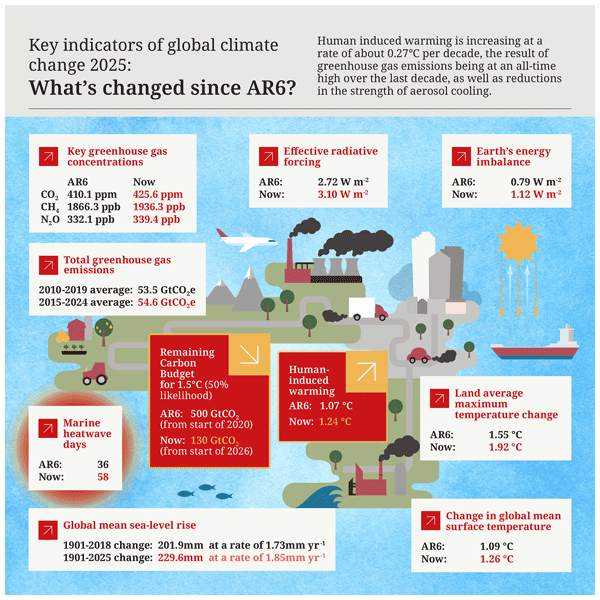
Piers M. Forster, Tristram Walsh, Chris Smith, William F. Lamb, Robin Lamboll, Christophe Cassou, Mathias Hauser, Zeke Hausfather, June-Yi Lee, Matthew D. Palmer, Karina von Schuckmann, Aimée B. A. Slangen, Sophie Szopa, Blair Trewin, Jeongeun Yun, Nathan P. Gillett, Stuart Jenkins, H. Damon Matthews, Krishnan Raghavan, Aurélien Ribes, Joeri Rogelj, Debbie Rosen, Xuebin Zhang, Myles Allen, Robbie M. Andrew, Chris Atkinson, Richard A. Betts, Antonio Bombelli, Samantha N. Burgess, Lijing Cheng, Helen E. Claxton, Pierre Friedlingstein, Thomas L. Frölicher, Catia M. Domingues, Thomas Gasser, Catherine H. Gregory, Rachel M. Hoesly, Daniel Huppmann, Masayoshi Ishii, Christopher Kadow, Alexia Karwat, John Kennedy, Rachel E. Killick, Mahesh V. M. Kovilakam, Paul B. Krummel, Xin Lan, Jean-François Lamarque, Aurélien Liné, Belén Martín-Míguez, Didier P. Monselesan, Colin Morice, Jens Mühle, Pino Mussak, Glen P. Peters, Anna Pirani, Julia Pongratz, Matthew Rigby, Robert Rohde, Abhishek Savita, Sonia I. Seneviratne, Steven J. Smith, Ghassan Taha, Caterina Tassone, Peter Thorne, Christopher Wells, Luke M. Western, Guido R. van der Werf, Susan E. Wijffels, Marco Zecchetto, Junting Zhong, Xiao-Ye Zhang, Valérie Masson-Delmotte, and Panmao Zhai
Earth Syst. Sci. Data, 18, 3889–3933, https://doi.org/10.5194/essd-18-3889-2026, https://doi.org/10.5194/essd-18-3889-2026, 2026
Short summary
Short summary
We give our annual update of key climate indicators. Our work quantifies the human contribution to global warming and the pace of climate change. This represents a large effort by the international community akin to an Intergovernmental Panel on Climate Change (IPCC) report.
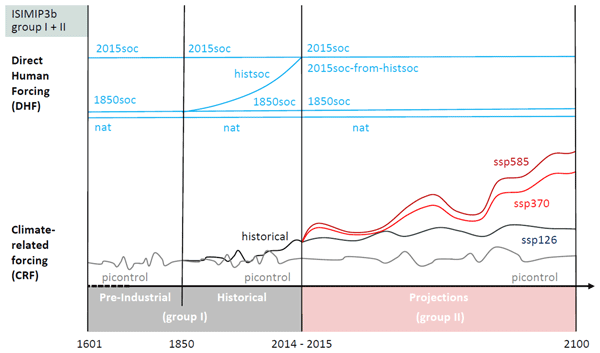
Katja Frieler, Stefan Lange, Jacob Schewe, Matthias Mengel, Simon Treu, Christian Otto, Jan Volkholz, Christopher P. O. Reyer, Stefanie Heinicke, Colin Jones, Julia L. Blanchard, Cheryl S. Harrison, Colleen M. Petrik, Tyler D. Eddy, Kelly Ortega-Cisneros, Camilla Novaglio, Ryan Heneghan, Derek P. Tittensor, Olivier Maury, Matthias Büchner, Thomas Vogt, Dánnell Quesada-Chacón, Kerry Emanuel, Chia-Ying Lee, Suzana J. Camargo, Linn Hamester, Jonas Jägermeyr, Sam Rabin, Jochen Klar, Iliusi D. Vega del Valle, Lisa Novak, Inga J. Sauer, Gitta Lasslop, Sarah Chadburn, Eleanor Burke, Angela Gallego-Sala, Noah Smith, Jinfeng Chang, Stijn Hantson, Chantelle Burton, Anne Gädeke, Fang Li, Simon N. Gosling, Hannes Müller Schmied, Fred Hattermann, Thomas Hickler, Rafael Marcé, Don Pierson, Wim Thiery, Daniel Mercado-Bettín, Robert Ladwig, Ana Isabel Ayala, Matthew Forrest, Michel Bechtold, Robert Reinecke, Inge de Graaf, Jed O. Kaplan, Alexander Koch, Matthieu Lengaigne, Rohini Kumar, and Maryna Strokal
Geosci. Model Dev., 19, 4095–4135, https://doi.org/10.5194/gmd-19-4095-2026, https://doi.org/10.5194/gmd-19-4095-2026, 2026
Short summary
Short summary
This paper describes the experiments and data sets necessary to run historic and future impact projections, and the underlying assumptions of future climate change as defined by the 3rd round of the ISIMIP Project (Inter-sectoral Impactmodel Intercomparison Project, isimip.org). ISIMIP provides a framework for cross-sectorally consistent climate impact simulations to contribute to a comprehensive and consistent picture of the world under different climate-change scenarios.
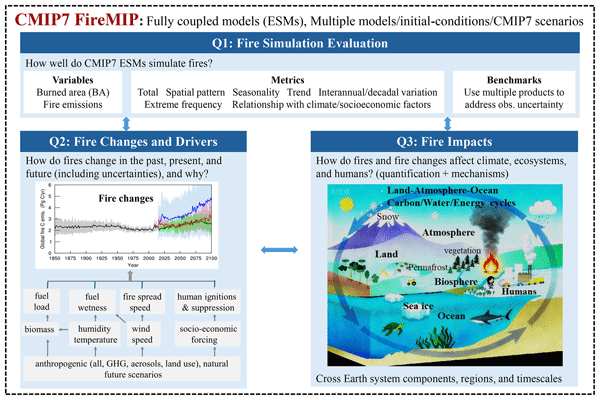
Fang Li, David M. Lawrence, Brendan M. Rogers, Chantelle Burton, Huilin Huang, Yiquan Jiang, Johannes W. Kaiser, Matthew Kasoar, Hanna Lee, Ruby Leung, Lars Nieradzik, Aihui Wang, Daniel S. Ward, Ligeer Ce, Yangchun Li, Zhongda Lin, Apostolos Voulgarakis, and Yongkang Xue
Geosci. Model Dev., 19, 3989–4007, https://doi.org/10.5194/gmd-19-3989-2026, https://doi.org/10.5194/gmd-19-3989-2026, 2026
Short summary
Short summary
Extreme fire events are increasing, and fires are projected to rise across most regions, posing growing risks to ecosystems and society. As a key Earth system process, fire is now modeled in most Earth System Models (ESMs). FireMIP (Fire Modeling Intercomparison Project) within CMIP7 will evaluate fire simulations in state‑of‑the‑art ESMs, project future fire changes, and provide quantitative, process‑based understanding of fire's role in the Earth system.
Esther Karin Bender, Matvey Debolskiy, Kjetil Aas, Sebastian Westermann, Fang Li, Jiawen Zhu, and Hanna Lee
EGUsphere, https://doi.org/10.5194/egusphere-2026-1039, https://doi.org/10.5194/egusphere-2026-1039, 2026
Short summary
Short summary
This paper introduces a new method to represent ice-rich permafrost soils in the Community Land Model used for climate prediction. The approach includes key processes previously missing, enabling simulation of rapid thaw events from ground-ice melt. It improves representation of soil temperature, hydrology, and landscape dynamics, leading to more accurate future greenhouse-gas estimates.
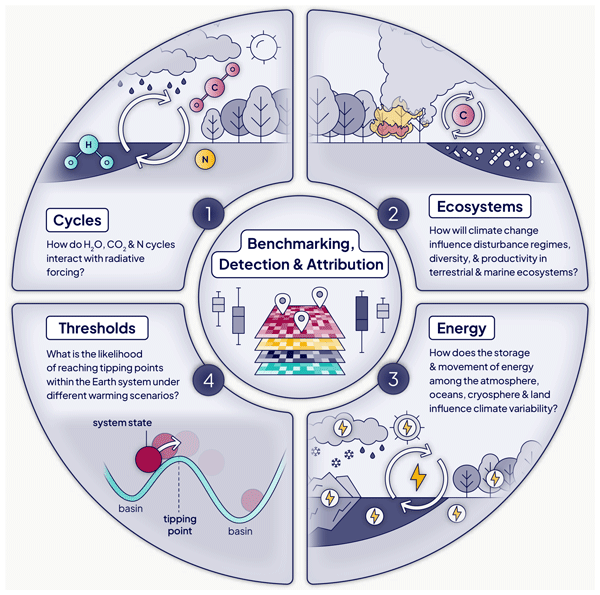
Mara Y. McPartland, Tomas Lovato, Charles Koven, Jamie D. Wilson, Briony Turner, Colleen M. Petrik, José Licón-Saláiz, Fang Li, Fanny Lhardy, Jaclyn Clement Kinney, Michio Kawamiya, Birgit Hassler, Nathan P. Gillett, Cheikh Modou Noreyni Fall, Christopher Danek, Chris M. Brierley, Ana Bastos, and Oliver Andrews
Geosci. Model Dev., 19, 2849–2880, https://doi.org/10.5194/gmd-19-2849-2026, https://doi.org/10.5194/gmd-19-2849-2026, 2026
Short summary
Short summary
The Coupled Model Intercomparison Project (CMIP) is an international consortium of climate modeling groups that produce coordinated experiments in order to evaluate human influence on the climate and test knowledge of Earth systems. This paper describes the data requested for Earth systems research in CMIP7. We detail the request for model output of the carbon cycle, the flows of energy among the atmosphere, land and the oceans, and interactions between these and the global climate.
Jean-Francois Lamarque, Pierre Friedlingstein, Brian Osias, Steve Strongin, Venkatramani Balaji, Kevin W. Bowman, Josep G. Canadell, Philippe Ciais, Heidi Cullen, Kenneth J. Davis, Scott C. Doney, Kevin R. Gurney, Alicia R. Karspeck, Charles D. Koven, Galen McKinley, Glen P. Peters, Julia Pongratz, Britt Stephens, and Colm Sweeney
EGUsphere, https://doi.org/10.5194/egusphere-2025-6457, https://doi.org/10.5194/egusphere-2025-6457, 2026
Short summary
Short summary
This Perspective highlights requirements to scale the carbon credit market and enable the growth in climate solutions funded through such market. The requirements are on the understanding of the value of the proposed carbon credit projects, and on the availability of a verification system. This verification becomes particularly relevant as the carbon credit market scales to significant impacts on CO2 (or other greenhouse gases), such that attribution to collective actions can be identified.
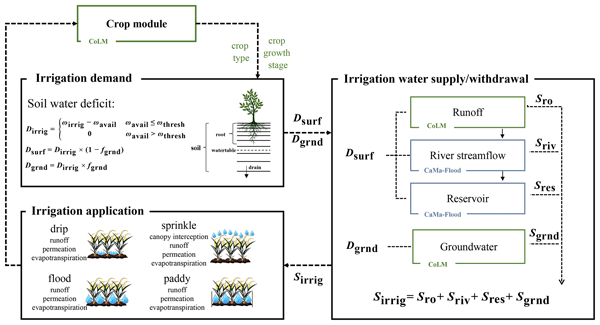
Shulei Zhang, Hongbin Liang, Fang Li, Xingjie Lu, and Yongjiu Dai
Hydrol. Earth Syst. Sci., 29, 3119–3143, https://doi.org/10.5194/hess-29-3119-2025, https://doi.org/10.5194/hess-29-3119-2025, 2025
Short summary
Short summary
This study enhances irrigation modeling in the Common Land Model by capturing the full irrigation process, detailing water supplies from various sources, and enabling bidirectional coupling between water demand and supply. The proposed model accurately simulates irrigation water withdrawals, energy fluxes, river flow, and crop yields. It offers insights into irrigation-related climate impacts and water scarcity, contributing to sustainable water management and improved Earth system modeling.
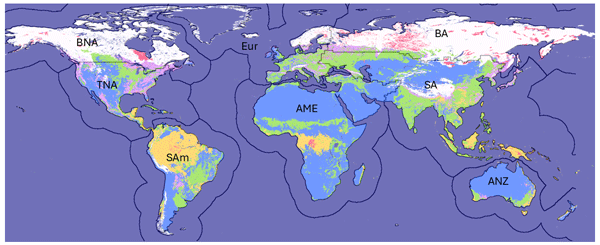
Cynthia H. Whaley, Tim Butler, Jose A. Adame, Rupal Ambulkar, Steve R. Arnold, Rebecca R. Buchholz, Benjamin Gaubert, Douglas S. Hamilton, Min Huang, Hayley Hung, Johannes W. Kaiser, Jacek W. Kaminski, Christoph Knote, Gerbrand Koren, Jean-Luc Kouassi, Meiyun Lin, Tianjia Liu, Jianmin Ma, Kasemsan Manomaiphiboon, Elisa Bergas Masso, Jessica L. McCarty, Mariano Mertens, Mark Parrington, Helene Peiro, Pallavi Saxena, Saurabh Sonwani, Vanisa Surapipith, Damaris Y. T. Tan, Wenfu Tang, Veerachai Tanpipat, Kostas Tsigaridis, Christine Wiedinmyer, Oliver Wild, Yuanyu Xie, and Paquita Zuidema
Geosci. Model Dev., 18, 3265–3309, https://doi.org/10.5194/gmd-18-3265-2025, https://doi.org/10.5194/gmd-18-3265-2025, 2025
Short summary
Short summary
The multi-model experiment design of the HTAP3 Fires project takes a multi-pollutant approach to improving our understanding of transboundary transport of wildland fire and agricultural burning emissions and their impacts. The experiments are designed with the goal of answering science policy questions related to fires. The options for the multi-model approach, including inputs, outputs, and model setup, are discussed, and the official recommendations for the project are presented.
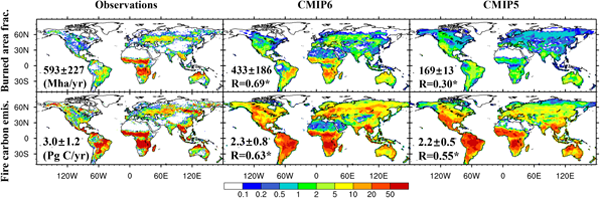
Fang Li, Xiang Song, Sandy P. Harrison, Jennifer R. Marlon, Zhongda Lin, L. Ruby Leung, Jörg Schwinger, Virginie Marécal, Shiyu Wang, Daniel S. Ward, Xiao Dong, Hanna Lee, Lars Nieradzik, Sam S. Rabin, and Roland Séférian
Geosci. Model Dev., 17, 8751–8771, https://doi.org/10.5194/gmd-17-8751-2024, https://doi.org/10.5194/gmd-17-8751-2024, 2024
Short summary
Short summary
This study provides the first comprehensive assessment of historical fire simulations from 19 Earth system models in phase 6 of the Coupled Model Intercomparison Project (CMIP6). Most models reproduce global totals, spatial patterns, seasonality, and regional historical changes well but fail to simulate the recent decline in global burned area and underestimate the fire response to climate variability. CMIP6 simulations address three critical issues of phase-5 models.
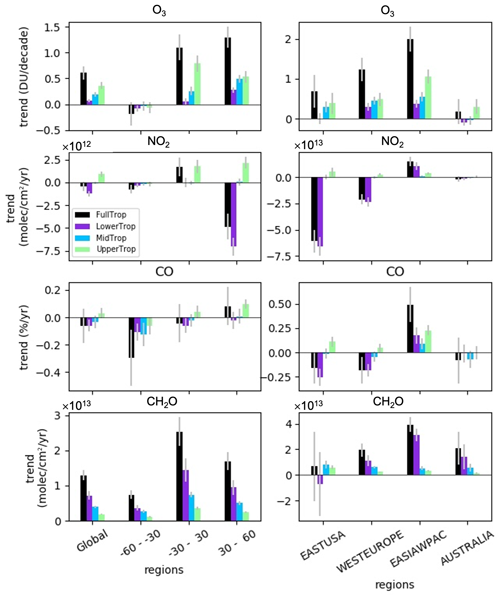
Yasin Elshorbany, Jerald R. Ziemke, Sarah Strode, Hervé Petetin, Kazuyuki Miyazaki, Isabelle De Smedt, Kenneth Pickering, Rodrigo J. Seguel, Helen Worden, Tamara Emmerichs, Domenico Taraborrelli, Maria Cazorla, Suvarna Fadnavis, Rebecca R. Buchholz, Benjamin Gaubert, Néstor Y. Rojas, Thiago Nogueira, Thérèse Salameh, and Min Huang
Atmos. Chem. Phys., 24, 12225–12257, https://doi.org/10.5194/acp-24-12225-2024, https://doi.org/10.5194/acp-24-12225-2024, 2024
Short summary
Short summary
We investigated tropospheric ozone spatial variability and trends from 2005 to 2019 and related those to ozone precursors on global and regional scales. We also investigate the spatiotemporal characteristics of the ozone formation regime in relation to ozone chemical sources and sinks. Our analysis is based on remote sensing products of the tropospheric column of ozone and its precursors, nitrogen dioxide, formaldehyde, and total column CO, as well as ozonesonde data and model simulations.
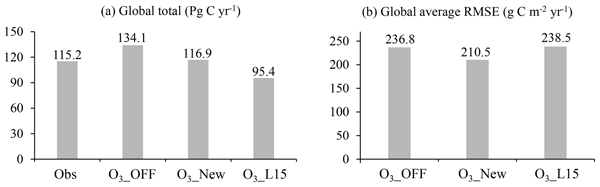
Fang Li, Zhimin Zhou, Samuel Levis, Stephen Sitch, Felicity Hayes, Zhaozhong Feng, Peter B. Reich, Zhiyi Zhao, and Yanqing Zhou
Geosci. Model Dev., 17, 6173–6193, https://doi.org/10.5194/gmd-17-6173-2024, https://doi.org/10.5194/gmd-17-6173-2024, 2024
Short summary
Short summary
A new scheme is developed to model the surface ozone damage to vegetation in regional and global process-based models. Based on 4210 data points from ozone experiments, it accurately reproduces statistically significant linear or nonlinear photosynthetic and stomatal responses to ozone in observations for all vegetation types. It also enables models to implicitly capture the variability in plant ozone tolerance and the shift among species within a vegetation type.
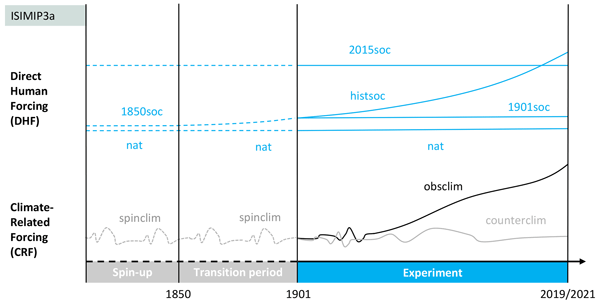
Katja Frieler, Jan Volkholz, Stefan Lange, Jacob Schewe, Matthias Mengel, María del Rocío Rivas López, Christian Otto, Christopher P. O. Reyer, Dirk Nikolaus Karger, Johanna T. Malle, Simon Treu, Christoph Menz, Julia L. Blanchard, Cheryl S. Harrison, Colleen M. Petrik, Tyler D. Eddy, Kelly Ortega-Cisneros, Camilla Novaglio, Yannick Rousseau, Reg A. Watson, Charles Stock, Xiao Liu, Ryan Heneghan, Derek Tittensor, Olivier Maury, Matthias Büchner, Thomas Vogt, Tingting Wang, Fubao Sun, Inga J. Sauer, Johannes Koch, Inne Vanderkelen, Jonas Jägermeyr, Christoph Müller, Sam Rabin, Jochen Klar, Iliusi D. Vega del Valle, Gitta Lasslop, Sarah Chadburn, Eleanor Burke, Angela Gallego-Sala, Noah Smith, Jinfeng Chang, Stijn Hantson, Chantelle Burton, Anne Gädeke, Fang Li, Simon N. Gosling, Hannes Müller Schmied, Fred Hattermann, Jida Wang, Fangfang Yao, Thomas Hickler, Rafael Marcé, Don Pierson, Wim Thiery, Daniel Mercado-Bettín, Robert Ladwig, Ana Isabel Ayala-Zamora, Matthew Forrest, and Michel Bechtold
Geosci. Model Dev., 17, 1–51, https://doi.org/10.5194/gmd-17-1-2024, https://doi.org/10.5194/gmd-17-1-2024, 2024
Short summary
Short summary
Our paper provides an overview of all observational climate-related and socioeconomic forcing data used as input for the impact model evaluation and impact attribution experiments within the third round of the Inter-Sectoral Impact Model Intercomparison Project. The experiments are designed to test our understanding of observed changes in natural and human systems and to quantify to what degree these changes have already been induced by climate change.
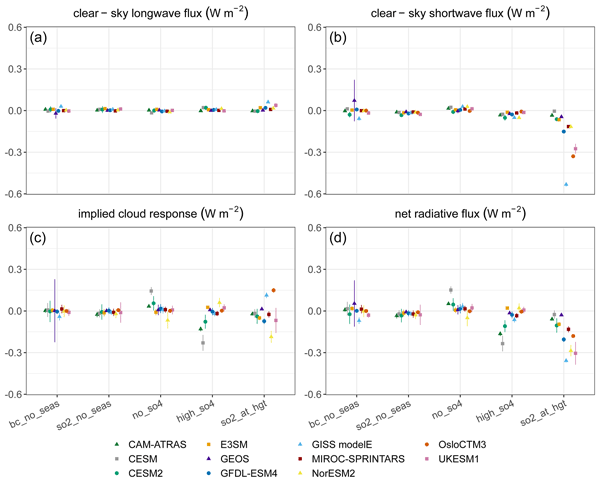
Hamza Ahsan, Hailong Wang, Jingbo Wu, Mingxuan Wu, Steven J. Smith, Susanne Bauer, Harrison Suchyta, Dirk Olivié, Gunnar Myhre, Hitoshi Matsui, Huisheng Bian, Jean-François Lamarque, Ken Carslaw, Larry Horowitz, Leighton Regayre, Mian Chin, Michael Schulz, Ragnhild Bieltvedt Skeie, Toshihiko Takemura, and Vaishali Naik
Atmos. Chem. Phys., 23, 14779–14799, https://doi.org/10.5194/acp-23-14779-2023, https://doi.org/10.5194/acp-23-14779-2023, 2023
Short summary
Short summary
We examine the impact of the assumed effective height of SO2 injection, SO2 and BC emission seasonality, and the assumed fraction of SO2 emissions injected as SO4 on climate and chemistry model results. We find that the SO2 injection height has a large impact on surface SO2 concentrations and, in some models, radiative flux. These assumptions are a
hiddensource of inter-model variability and may be leading to bias in some climate model results.
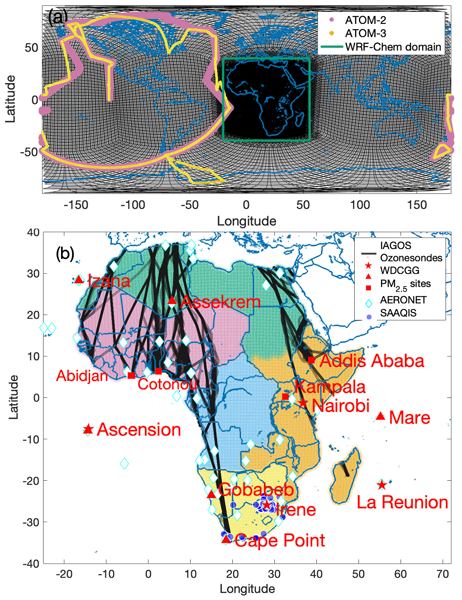
Wenfu Tang, Louisa K. Emmons, Helen M. Worden, Rajesh Kumar, Cenlin He, Benjamin Gaubert, Zhonghua Zheng, Simone Tilmes, Rebecca R. Buchholz, Sara-Eva Martinez-Alonso, Claire Granier, Antonin Soulie, Kathryn McKain, Bruce C. Daube, Jeff Peischl, Chelsea Thompson, and Pieternel Levelt
Geosci. Model Dev., 16, 6001–6028, https://doi.org/10.5194/gmd-16-6001-2023, https://doi.org/10.5194/gmd-16-6001-2023, 2023
Short summary
Short summary
The new MUSICAv0 model enables the study of atmospheric chemistry across all relevant scales. We develop a MUSICAv0 grid for Africa. We evaluate MUSICAv0 with observations and compare it with a previously used model – WRF-Chem. Overall, the performance of MUSICAv0 is comparable to WRF-Chem. Based on model–satellite discrepancies, we find that future field campaigns in an eastern African region (30°E–45°E, 5°S–5°N) could substantially improve the predictive skill of air quality models.
Christine Wiedinmyer, Yosuke Kimura, Elena C. McDonald-Buller, Louisa K. Emmons, Rebecca R. Buchholz, Wenfu Tang, Keenan Seto, Maxwell B. Joseph, Kelley C. Barsanti, Annmarie G. Carlton, and Robert Yokelson
Geosci. Model Dev., 16, 3873–3891, https://doi.org/10.5194/gmd-16-3873-2023, https://doi.org/10.5194/gmd-16-3873-2023, 2023
Short summary
Short summary
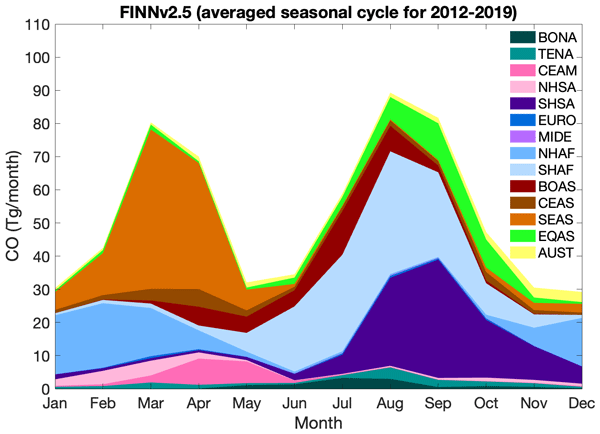
The Fire INventory from NCAR (FINN) provides daily global estimates of emissions from open fires based on satellite detections of hot spots. This version has been updated to apply MODIS and VIIRS satellite fire detection and better represents both large and small fires. FINNv2.5 generates more emissions than FINNv1 and is in general agreement with other fire emissions inventories. The new estimates are consistent with satellite observations, but uncertainties remain regionally and by pollutant.
Wenfu Tang, Simone Tilmes, David M. Lawrence, Fang Li, Cenlin He, Louisa K. Emmons, Rebecca R. Buchholz, and Lili Xia
Atmos. Chem. Phys., 23, 5467–5486, https://doi.org/10.5194/acp-23-5467-2023, https://doi.org/10.5194/acp-23-5467-2023, 2023
Short summary
Short summary
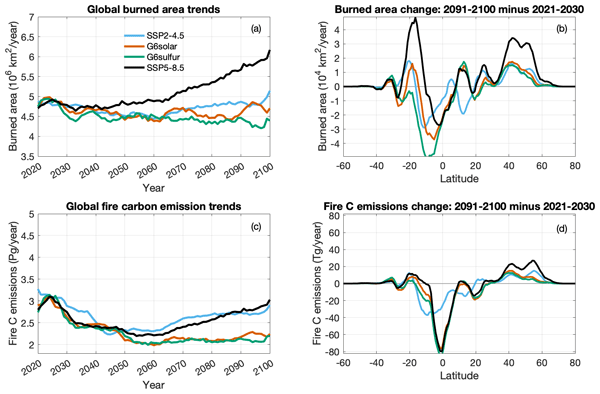
Globally, total wildfire burned area is projected to increase over the 21st century under scenarios without geoengineering and decrease under the two geoengineering scenarios. Geoengineering reduces fire by decreasing surface temperature and wind speed and increasing relative humidity and soil water. However, geoengineering also yields reductions in precipitation, which offset some of the fire reduction.
Hao Guo, Clare M. Flynn, Michael J. Prather, Sarah A. Strode, Stephen D. Steenrod, Louisa Emmons, Forrest Lacey, Jean-Francois Lamarque, Arlene M. Fiore, Gus Correa, Lee T. Murray, Glenn M. Wolfe, Jason M. St. Clair, Michelle Kim, John Crounse, Glenn Diskin, Joshua DiGangi, Bruce C. Daube, Roisin Commane, Kathryn McKain, Jeff Peischl, Thomas B. Ryerson, Chelsea Thompson, Thomas F. Hanisco, Donald Blake, Nicola J. Blake, Eric C. Apel, Rebecca S. Hornbrook, James W. Elkins, Eric J. Hintsa, Fred L. Moore, and Steven C. Wofsy
Atmos. Chem. Phys., 23, 99–117, https://doi.org/10.5194/acp-23-99-2023, https://doi.org/10.5194/acp-23-99-2023, 2023
Short summary
Short summary
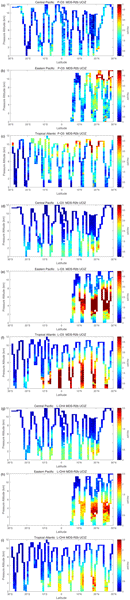
We have prepared a unique and unusual result from the recent ATom aircraft mission: a measurement-based derivation of the production and loss rates of ozone and methane over the ocean basins. These are the key products of chemistry models used in assessments but have thus far lacked observational metrics. It also shows the scales of variability of atmospheric chemical rates and provides a major challenge to the atmospheric models.
Ali Jalali, Kaley A. Walker, Kimberly Strong, Rebecca R. Buchholz, Merritt N. Deeter, Debra Wunch, Sébastien Roche, Tyler Wizenberg, Erik Lutsch, Erin McGee, Helen M. Worden, Pierre Fogal, and James R. Drummond
Atmos. Meas. Tech., 15, 6837–6863, https://doi.org/10.5194/amt-15-6837-2022, https://doi.org/10.5194/amt-15-6837-2022, 2022
Short summary
Short summary
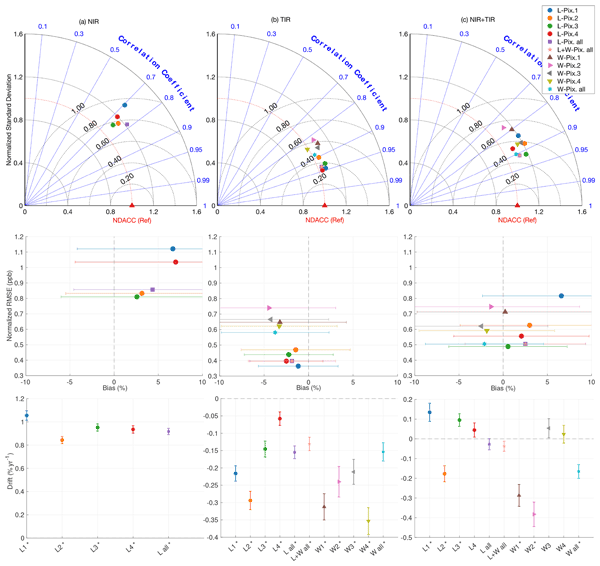
This study validates MOPITT version 8 carbon monoxide measurements over the Canadian high Arctic for the period 2006 to 2019. The MOPITT products from different detector pixels and channels are compared with ground-based measurements from the Polar Environment Atmospheric Research Laboratory (PEARL) in Eureka, Nunavut, Canada. These results show good consistency between the satellite and ground-based measurements and provide guidance on the usage of these MOPITT data at high latitudes.
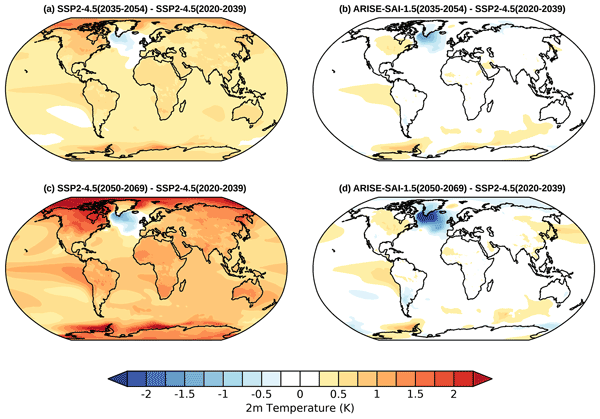
Jadwiga H. Richter, Daniele Visioni, Douglas G. MacMartin, David A. Bailey, Nan Rosenbloom, Brian Dobbins, Walker R. Lee, Mari Tye, and Jean-Francois Lamarque
Geosci. Model Dev., 15, 8221–8243, https://doi.org/10.5194/gmd-15-8221-2022, https://doi.org/10.5194/gmd-15-8221-2022, 2022
Short summary
Short summary
Solar climate intervention using stratospheric aerosol injection is a proposed method of reducing global mean temperatures to reduce the worst consequences of climate change. We present a new modeling protocol aimed at simulating a plausible deployment of stratospheric aerosol injection and reproducibility of simulations using other Earth system models: Assessing Responses and Impacts of Solar climate intervention on the Earth system with stratospheric aerosol injection (ARISE-SAI).
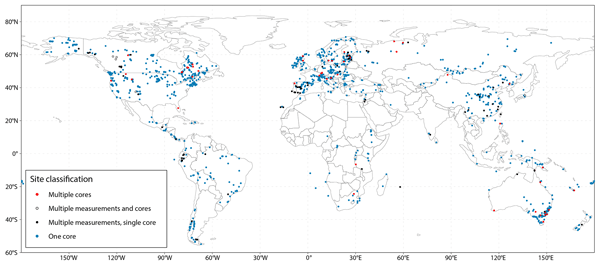
Sandy P. Harrison, Roberto Villegas-Diaz, Esmeralda Cruz-Silva, Daniel Gallagher, David Kesner, Paul Lincoln, Yicheng Shen, Luke Sweeney, Daniele Colombaroli, Adam Ali, Chéïma Barhoumi, Yves Bergeron, Tatiana Blyakharchuk, Přemysl Bobek, Richard Bradshaw, Jennifer L. Clear, Sambor Czerwiński, Anne-Laure Daniau, John Dodson, Kevin J. Edwards, Mary E. Edwards, Angelica Feurdean, David Foster, Konrad Gajewski, Mariusz Gałka, Michelle Garneau, Thomas Giesecke, Graciela Gil Romera, Martin P. Girardin, Dana Hoefer, Kangyou Huang, Jun Inoue, Eva Jamrichová, Nauris Jasiunas, Wenying Jiang, Gonzalo Jiménez-Moreno, Monika Karpińska-Kołaczek, Piotr Kołaczek, Niina Kuosmanen, Mariusz Lamentowicz, Martin Lavoie, Fang Li, Jianyong Li, Olga Lisitsyna, José Antonio López-Sáez, Reyes Luelmo-Lautenschlaeger, Gabriel Magnan, Eniko Katalin Magyari, Alekss Maksims, Katarzyna Marcisz, Elena Marinova, Jenn Marlon, Scott Mensing, Joanna Miroslaw-Grabowska, Wyatt Oswald, Sebastián Pérez-Díaz, Ramón Pérez-Obiol, Sanna Piilo, Anneli Poska, Xiaoguang Qin, Cécile C. Remy, Pierre J. H. Richard, Sakari Salonen, Naoko Sasaki, Hieke Schneider, William Shotyk, Migle Stancikaite, Dace Šteinberga, Normunds Stivrins, Hikaru Takahara, Zhihai Tan, Liva Trasune, Charles E. Umbanhowar, Minna Väliranta, Jüri Vassiljev, Xiayun Xiao, Qinghai Xu, Xin Xu, Edyta Zawisza, Yan Zhao, Zheng Zhou, and Jordan Paillard
Earth Syst. Sci. Data, 14, 1109–1124, https://doi.org/10.5194/essd-14-1109-2022, https://doi.org/10.5194/essd-14-1109-2022, 2022
Short summary
Short summary
We provide a new global data set of charcoal preserved in sediments that can be used to examine how fire regimes have changed during past millennia and to investigate what caused these changes. The individual records have been standardised, and new age models have been constructed to allow better comparison across sites. The data set contains 1681 records from 1477 sites worldwide.
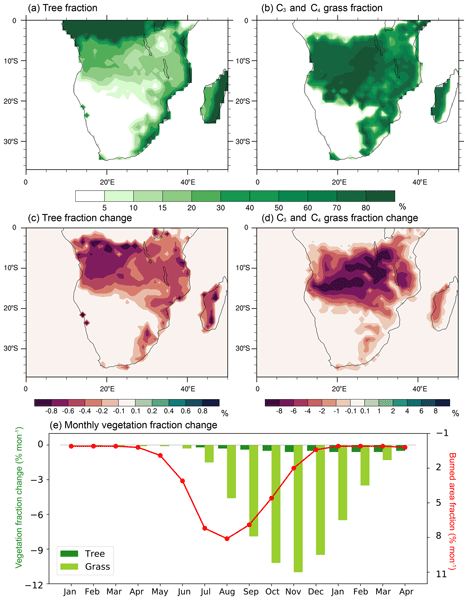
Huilin Huang, Yongkang Xue, Ye Liu, Fang Li, and Gregory S. Okin
Geosci. Model Dev., 14, 7639–7657, https://doi.org/10.5194/gmd-14-7639-2021, https://doi.org/10.5194/gmd-14-7639-2021, 2021
Short summary
Short summary
This study applies a fire-coupled dynamic vegetation model to quantify fire impact at monthly to annual scales. We find fire reduces grass cover by 4–8 % annually for widespread areas in south African savanna and reduces tree cover by 1 % at the periphery of tropical Congolese rainforest. The grass cover reduction peaks at the beginning of the rainy season, which quickly diminishes before the next fire season. In contrast, the reduction of tree cover is irreversible within one growing season.
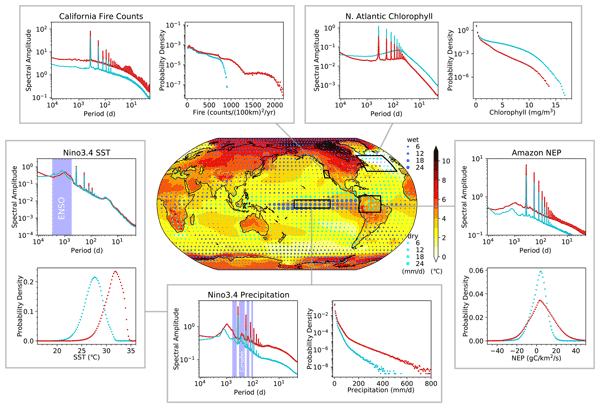
Keith B. Rodgers, Sun-Seon Lee, Nan Rosenbloom, Axel Timmermann, Gokhan Danabasoglu, Clara Deser, Jim Edwards, Ji-Eun Kim, Isla R. Simpson, Karl Stein, Malte F. Stuecker, Ryohei Yamaguchi, Tamás Bódai, Eui-Seok Chung, Lei Huang, Who M. Kim, Jean-François Lamarque, Danica L. Lombardozzi, William R. Wieder, and Stephen G. Yeager
Earth Syst. Dynam., 12, 1393–1411, https://doi.org/10.5194/esd-12-1393-2021, https://doi.org/10.5194/esd-12-1393-2021, 2021
Short summary
Short summary
A large ensemble of simulations with 100 members has been conducted with the state-of-the-art CESM2 Earth system model, using historical and SSP3-7.0 forcing. Our main finding is that there are significant changes in the variance of the Earth system in response to anthropogenic forcing, with these changes spanning a broad range of variables important to impacts for human populations and ecosystems.
Yuqiang Zhang, Drew Shindell, Karl Seltzer, Lu Shen, Jean-Francois Lamarque, Qiang Zhang, Bo Zheng, Jia Xing, Zhe Jiang, and Lei Zhang
Atmos. Chem. Phys., 21, 16051–16065, https://doi.org/10.5194/acp-21-16051-2021, https://doi.org/10.5194/acp-21-16051-2021, 2021
Short summary
Short summary
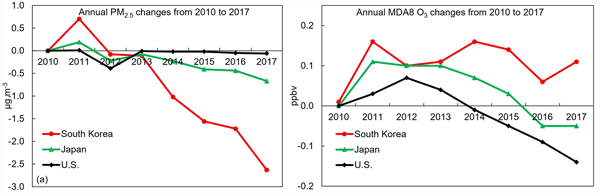
In this study, we use a global chemical transport model to simulate the effects on global air quality and human health due to emission changes in China from 2010 to 2017. By performing sensitivity analysis, we found that the air pollution control policies not only decrease the air pollutant concentration but also bring significant co-benefits in air quality to downwind regions. The benefits for the improved air pollution are dominated by PM2.5.
Cited articles
Achebak, H., Garatachea, R., Pay, M. T., Jorba, O., Guevara, M., Pérez García-Pando, C., and Ballester, J.: Geographic sources of ozone air pollution and mortality burden in Europe, Nat. Med., 30, 1732–1738, https://doi.org/10.1038/s41591-024-02976-x, 2024.
Agathokleous, E., Feng, Z., Oksanen, E., Sicard, P., Wang, Q., Saitanis, C. J., Araminiene, V., Blande, J. D., Hayes, F., Calatayud, V., Domingos, M., Veresoglou, S. D., Peñuelas, J., Wardle, D. A., De Marco, A., Li, Z., Harmens, H., Yuan, X., Vitale, M., and Paoletti, E.: Ozone affects plant, insect, and soil microbial communities: A threat to terrestrial ecosystems and biodiversity, Sci. Adv., 6, eabc1176, https://doi.org/10.1126/sciadv.abc1176, 2020.
Badgley, G., Field, C. B., and Berry, J. A.: Canopy near-infrared reflectance and terrestrial photosynthesis, Sci. Adv., 3, e1602244, https://doi.org/10.1126/sciadv.1602244, 2017.
Baldocchi, D., Falge, E., Gu, L., Olson, R., Hollinger, D., Running, S., Anthoni, P., Bernhofer, C., Davis, K., Evans, R., Fuentes, J., Goldstein, A., Katul, G., Law, B., Lee, X., Malhi, Y., Meyers, T., Munger, W., Oechel, W., Paw U, K. T., Pilegaard, K., Schmid, H. P., Valentini, R., Verma, S., Vesala, T., Wilson, K., and Wofsy, S.: FLUXNET: A new tool to study the temporal and spatial variability of ecosystem-scale carbon dioxide, water vapor, and energy flux densities, B. Am. Meteorol. Soc., 82, 2415–2434, https://doi.org/10.1175/1520-0477(2001)082<2415:FANTTS>2.3.CO;2, 2001.
Bussotti, F.: Functional leaf traits, plant communities and acclimation processes in relation to oxidative stress in trees: a critical overview, Global Change Biol., 14, 2727–2739, https://doi.org/10.1111/j.1365-2486.2008.01677.x, 2008.
Cao, J., Yue, X., and Ma, M.: Simulation of ozone–vegetation coupling and feedback in China using multiple ozone damage schemes, Atmos. Chem. Phys., 24, 3973–3987, https://doi.org/10.5194/acp-24-3973-2024, 2024.
Clifton, O. E., Fiore, A. M., Massman, W. J., Baublitz, C. B., Coyle, M., Emberson, L., Fares, S., Farmer, D. K., Gentine, P., Gerosa, G., Guenther, A. B., Helmig, D., Lombardozzi, D. L., Munger, J. W., Patton, E. G., Pusede, S. E., Schwede, D. B., Silva, S. J., Sörgel, M., Steiner, A. L., and Tai, A. P. K.: Dry deposition of ozone over land: processes, measurement, and modeling, Rev. Geophys., 58, e2019RG000670, https://doi.org/10.1029/2019RG000670, 2020.
Collatz, G. J., Ball, J. T., Grivet, C., and Berry, J. A.: Physiological and environmental regulation of stomatal conductance, photosynthesis, and transpiration: A model that includes a laminar boundary layer, Agr. Forest Meteorol., 54, 107–136, https://doi.org/10.1016/0168-1923(91)90002-8, 1991.
Collatz, G. J., Ribas-Carbo, M., and Berry, J. A.: Coupled photosynthesis–stomatal conductance model for leaves of C4 plants, Aust. J. Plant Physiol., 19, 519–538, https://doi.org/10.1071/PP9920519, 1992.
CTSM Development Team and Damseaux, A.: AdrienDams/CTSM: sturm-paper (v1.0.0), Zenodo [code], https://doi.org/10.5281/zenodo.15174742, 2025.
Dai, L., Feng, Z., Pan, X., Xu, Y., Li, P., Lefohn, A. S., Harmens, H., and Kobayashi, K.: Increase of apoplastic ascorbate induced by ozone is insufficient to remove the negative effects in tobacco, soybean and poplar, Environ. Pollut., 245, 380–388, https://doi.org/10.1016/j.envpol.2018.11.030, 2019.
Darmenov, A. S. and da Silva, A. M.: The Quick Fire Emissions Dataset (QFED): documentation of versions 2.1, 2.2 and 2.4, in: NASA Technical Report Series on Global Modeling and Data Assimilation, Vol. 38, NASA/TM−2015−104606, edited by: Koster, R. D., National Aeronautics and Space Administration, Goddard Space Flight Center, Greenbelt, Maryland, USA, https://gmao.gsfc.nasa.gov/media/science_snapshot/k9bkl33mqdnhr9sql32cssvkg/Darmenov796.pdf (last access: 23 June 2026), 2015.
Dirmeyer, P. A.: A history and review of the Global Soil Wetness Project (GSWP), J. Hydrometeorol., 12, 729–749, https://doi.org/10.1175/JHM-D-10-05010.1, 2011.
Dubayah, R., Blair, J. B., Goetz, S., Fatoyinbo, T., Hansen, M., Healey, S., Hofton, M., Hurtt, G., Kellner, J., Luthcke, S., Armston, J., Tang, H., and Duncanson, L.: The Global Ecosystem Dynamics Investigation: High-resolution laser ranging of the Earth's forests and topography, Sci. Remote Sens., 1, 100002, https://doi.org/10.1016/j.srs.2020.100002, 2020.
Eghdami, H., Werner, W., Büker, P., and Sicard, P.: Assessment of ozone risk to Central European forests: time series indicates perennial exceedance of ozone critical levels, Environ. Res., 203, 111798, https://doi.org/10.1016/j.envres.2021.111798, 2022.
Emberson, L. D., Pleijel, H., Ainsworth, E. A., van den Berg, M., Ren, W., Osborne, S., Mills, G., Pandey, D., Dentener, F., Büker, P., Ewert, F., Koeble, R., and Van Dingenen, R.: Ozone effects on crops and consideration in crop models, Eur. J. Agron., 100, 19–34, https://doi.org/10.1016/j.eja.2018.06.002, 2018.
Emmons, L. K., Schwantes, R. H., Orlando, J. J., Tyndall, G., Kinnison, D., Lamarque, J.-F., Marsh, D., Mills, M. J., Tilmes, S., Bardeen, C., Buchholz, R. R., Conley, A., Gettelman, A., Garcia, R., Simpson, I., Blake, D. R., Meinardi, S., and Pétron, G.: The chemistry mechanism in the Community Earth System Model version 2 (CESM2), J. Adv. Model. Earth Syst., 12, e2019MS001882, https://doi.org/10.1029/2019MS001882, 2020.
Farquhar, G. D., von Caemmerer, S., and Berry, J. A.: A biochemical model of photosynthetic CO2 assimilation in leaves of C3 species, Planta, 149, 78–90, https://doi.org/10.1007/BF00386231, 1980.
Feng, Z., Xu, Y., Kobayashi, K., Dai, L., Zhang, T., Agathokleous, E., Calatayud, V., Paoletti, E., Mukherjee, A., Agrawal, M., Park, R. J., Oak, Y. J., and Yue, X.: Ozone pollution threatens the production of major staple crops in East Asia, Nat. Food, 3, 47–56, https://doi.org/10.1038/s43016-021-00422-6, 2022.
Feng, Z. Z., Buker, P., Pleijel, H., Emberson, L., Karlsson, P. E., and Uddling, J.: A unifying explanation for variation in ozone sensitivity among woody plants, Global Change Biol., 24, 78–84, https://doi.org/10.1111/gcb.13824, 2018.
Fuhrer, J.: The critical level for effects of ozone on crops, and the transfer to mapping, in: Critical Levels for Ozone in Europe: Testing and Finalising the Concepts, edited by: Kärenlampi, L. and Skärby, L., University of Kuopio, Department of Ecology and Environmental Science, Kuopio, Finland, 27–43, ISBN 951-780-653-1, 1996.
Gelaro, R., McCarty, W., Suárez, M. J., Todling, R., Molod, A., Takacs, L., Randles, C. A., Darmenov, A., Bosilovich, M. G., Reichle, R., Wargan, K., Coy, L., Cullather, R., Draper, C., Akella, S., Buchard, V., Conaty, A., da Silva, A. M., Gu, W., Kim, G.-K., Koster, R., Lucchesi, R., Merkova, D., Nielsen, J. E., Partyka, G., Pawson, S., Putman, W., Rienecker, M., Schubert, S. D., Sienkiewicz, M., and Zhao, B.: The Modern-Era Retrospective Analysis for Research and Applications, Version 2 (MERRA-2), J. Climate, 30, 5419–5454, https://doi.org/10.1175/JCLI-D-16-0758.1, 2017.
Gong, C., Lei, Y., Ma, Y., Yue, X., and Liao, H.: Ozone–vegetation feedback through dry deposition and isoprene emissions in a global chemistry–carbon–climate model, Atmos. Chem. Phys., 20, 3841–3857, https://doi.org/10.5194/acp-20-3841-2020, 2020.
Granier, C., Darras, S., Denier van der Gon, H., Doubalova, J., Elguindi, N., Galle, B., Gauss, M., Guevara, M., Jalkanen, J.-P., Kuenen, J., Liousse, C., Quack, B., Simpson, D., and Sindelarova, K.: The Copernicus Atmosphere Monitoring Service global and regional emissions (April 2019 version), CAMS – Copernicus Atmosphere Monitoring Service, https://doi.org/10.24380/d0bn-kx16, 2019.
Guenther, A. B., Jiang, X., Heald, C. L., Sakulyanontvittaya, T., Duhl, T., Emmons, L. K., and Wang, X.: The Model of Emissions of Gases and Aerosols from Nature version 2.1 (MEGAN2.1): an extended and updated framework for modeling biogenic emissions, Geosci. Model Dev., 5, 1471–1492, https://doi.org/10.5194/gmd-5-1471-2012, 2012.
Hansen, E. M. Ø., Hauggaard-Nielsen, H., Launay, M., Rose, P., and Mikkelsen, T. N.: The impact of ozone exposure, temperature and CO2 on the growth and yield of three spring wheat varieties, Environ. Exp. Bot., 168, 103868, https://doi.org/10.1016/j.envexpbot.2019.103868, 2019.
Karlsson, P. E., Braun, S., Broadmeadow, M., Elvira, S., Emberson, L., Gimeno, B. S., Le Thiec, D., Novak, K., Oksanen, E., Schaub, M., Uddling, J., and Wilkinson, M.: Risk assessments for forest trees: The performance of the ozone flux versus the AOT concepts, Environ. Pollut., 146, 608–616, https://doi.org/10.1016/j.envpol.2006.06.012, 2007.
Khan, A. M., Clifton, O. E., Bash, J. O., Bland, S., Booth, N., Cheung, P., Emberson, L., Flemming, J., Fredj, E., Galmarini, S., Ganzeveld, L., Gazetas, O., Goded, I., Hogrefe, C., Holmes, C. D., Horváth, L., Huijnen, V., Li, Q., Makar, P. A., Mammarella, I., Manca, G., Munger, J. W., Pérez-Camanyo, J. L., Pleim, J., Ran, L., San Jose, R., Schwede, D., Silva, S. J., Staebler, R., Sun, S., Tai, A. P. K., Tas, E., Vesala, T., Weidinger, T., Wu, Z., Zhang, L., and Stoy, P. C.: Ozone dry deposition through plant stomata: multi-model comparison with flux observations and the role of water stress as part of AQMEII4 Activity 2, Atmos. Chem. Phys., 25, 8613–8635, https://doi.org/10.5194/acp-25-8613-2025, 2025.
Konings, A. G., Williams, A. P., and Gentine, P.: Sensitivity of grassland productivity to aridity controlled by stomatal and xylem regulation, Nat. Geosci., 10, 284–288, https://doi.org/10.1038/ngeo2903, 2017.
Lamarque, J.-F., Emmons, L. K., Hess, P. G., Kinnison, D. E., Tilmes, S., Vitt, F., Heald, C. L., Holland, E. A., Lauritzen, P. H., Neu, J., Orlando, J. J., Rasch, P. J., and Tyndall, G. K.: CAM-chem: description and evaluation of interactive atmospheric chemistry in the Community Earth System Model, Geosci. Model Dev., 5, 369–411, https://doi.org/10.5194/gmd-5-369-2012, 2012.
Lamarque, J.-F., Dentener, F., McConnell, J., Ro, C.-U., Shaw, M., Vet, R., Bergmann, D., Cameron-Smith, P., Dalsøren, S., Doherty, R., Faluvegi, G., Ghan, S. J., Josse, B., Lee, Y. H., MacKenzie, I. A., Plummer, D., Shindell, D. T., Skeie, R. B., Stevenson, D. S., Strode, S., Zeng, G., Curran, M., Dahl-Jensen, D., Das, S., Fritzsche, D., and Nolan, M.: Multi-model mean nitrogen and sulfur deposition from the Atmospheric Chemistry and Climate Model Intercomparison Project (ACCMIP): evaluation of historical and projected future changes, Atmos. Chem. Phys., 13, 7997–8018, https://doi.org/10.5194/acp-13-7997-2013, 2013.
Lawrence, D. M., Fisher, R. A., Koven, C. D., Oleson, K. W., Swenson, S. C., Bonan, G., Collier, N., Ghimire, B., van Kampenhout, L., Kennedy, D., Kluzek, E., Lawrence, P. J., Li, F., Li, H., Lombardozzi, D., Riley, W. J., Sacks, W. J., Shi, M., Vertenstein, M., Wieder, W. R., Xu, C., Ali, A. A., Badger, A. M., Bisht, G., van den Broeke, M., Brunke, M. A., Burns, S. P., Buzan, J., Clark, M., Craig, A., Dahlin, K., Drewniak, B., Fisher, J. B., Flanner, M., Fox, A. M., Gentine, P., Hoffman, F., Keppel-Aleks, G., Knox, R., Kumar, S., Lenaerts, J., Leung, L. R., Lipscomb, W. H., Lu, Y., Pandey, A., Pelletier, J. D., Perket, J., Randerson, J. T., Ricciuto, D. M., Sanderson, B. M., Slater, A., Subin, Z. M., Tang, J., Thomas, R. Q., Val Martin, M., and Zeng, X.: The Community Land Model version 5: Description of new features, benchmarking, and impact of forcing uncertainty, J. Adv. Model. Earth Syst., 11, 4245–4287, https://doi.org/10.1029/2018MS001583, 2019.
Li, F., Zhou, Z., Levis, S., Sitch, S., Hayes, F., Feng, Z., Reich, P. B., Zhao, Z., and Zhou, Y.: Quantifying the role of ozone-caused damage to vegetation in the Earth system: a new parameterization scheme for photosynthetic and stomatal responses, Geosci. Model Dev., 17, 6173–6193, https://doi.org/10.5194/gmd-17-6173-2024, 2024.
Liu, Y., Wang, L., Xia, J., Guo, H., and Wang, J.: Ozone enrichment and drought stress have more negative effects on invasive leguminous woody species than co-occurring native species, Environ. Exp. Bot., 217, 105580, https://doi.org/10.1016/j.envexpbot.2023.105580, 2024.
Lombardozzi, D., Sparks, J. P., and Bonan, G.: Integrating O3 influences on terrestrial processes: photosynthetic and stomatal response data available for regional and global modeling, Biogeosciences, 10, 6815–6831, https://doi.org/10.5194/bg-10-6815-2013, 2013.
Lombardozzi, D., Levis, S., Bonan, G., Hess, P. G., and Sparks, J. P.: The influence of chronic ozone exposure on global carbon and water cycles, J. Climate, 28, 292–305, https://doi.org/10.1175/JCLI-D-14-00223.1, 2015.
Lu, D. and Ricciuto, D.: Efficient surrogate modeling methods for large-scale Earth system models based on machine-learning techniques, Geosci. Model Dev., 12, 1791–1807, https://doi.org/10.5194/gmd-12-1791-2019, 2019.
Ma, Y., Yue, X., Sitch, S., Unger, N., Uddling, J., Mercado, L. M., Gong, C., Feng, Z., Yang, H., Zhou, H., Tian, C., Cao, Y., Lei, Y., Cheesman, A. W., Xu, Y., and Duran Rojas, M. C.: Implementation of trait-based ozone plant sensitivity in the Yale Interactive Terrestrial Biosphere model v1.0 to assess global vegetation damage, Geosci. Model Dev., 16, 2261–2276, https://doi.org/10.5194/gmd-16-2261-2023, 2023.
Ma, Y., Guan, X., Chen, J. M., Ju, W., and Shen, H.: Improving MODIS gross primary productivity by bridging big-leaf and two-leaf light use efficiency models, J. Geophys. Res.-Biogeo., 129, e2023JG007737, https://doi.org/10.1029/2023JG007737, 2024.
MacBean, N., Peylin, P., Chevallier, F., Scholze, M., and Schürmann, G.: Consistent assimilation of multiple data streams in a carbon cycle data assimilation system, Geosci. Model Dev., 9, 3569–3588, https://doi.org/10.5194/gmd-9-3569-2016, 2016.
Medlyn, B. E., Duursma, R. A., Eamus, D., Ellsworth, D. S., Prentice, I. C., Barton, C. V. M., Crous, K. Y., De Angelis, P., Freeman, M., and Wingate, L.: Reconciling the optimal and empirical approaches to modelling stomatal conductance, Global Change Biol., 17, 2134–2144, https://doi.org/10.1111/j.1365-2486.2010.02375.x, 2011.
Mills, G., Hayes, F., Simpson, D., Emberson, L., Norris, D., Harmens, H., and Büker, P.: Evidence of widespread effects of ozone on crops and (semi-)natural vegetation in Europe (1990–2006) in relation to AOT40- and flux-based risk maps, Global Change Biol., 17, 592–613, https://doi.org/10.1111/j.1365-2486.2010.02217.x, 2011.
Mills, G., Sharps, K., Simpson, D., Pleijel, H., Frei, M., Burkey, K., Emberson, L., Uddling, J., Broberg, M., Feng, Z., Kobayashi, K., and Agrawal, M.: Closing the global ozone yield gap: quantification and co-benefits for multi-stress tolerance, Global Change Biol., 24, 4869–4893, https://doi.org/10.1111/gcb.14381, 2018.
Montes, C. M., Demler, H. J., Li, S., Martin, D. G., and Ainsworth, E. A.: Approaches to investigate crop responses to ozone pollution: from O3-FACE to satellite-enabled modeling, Plant J., 108, 780–796, https://doi.org/10.1111/tpj.15501, 2021.
Moura, B. B., Manzini, J., Paoletti, E., and Hoshika, Y.: A three-year free-air experimental assessment of ozone risk on the perennial Vitis vinifera crop species, Environ. Pollut., 338, 122626, https://doi.org/10.1016/j.envpol.2023.122626, 2023.
Nash, J. E. and Sutcliffe, J. V.: River flow forecasting through conceptual models part I – A discussion of principles, J. Hydrol., 10, 282–290, https://doi.org/10.1016/0022-1694(70)90255-6, 1970.
Otu-Larbi, F., Conte, A., Fares, S., Wild, O., and Ashworth, K.: Current and future impacts of drought and ozone stress on Northern Hemisphere forests, Global Change Biol., 26, 6218–6234, https://doi.org/10.1111/gcb.15339, 2020.
Pande, P., Bland, S., Booth, N., Cook, J., Feng, Z., and Emberson, L.: Development of the DO3SE-Crop model to assess ozone effects on crop phenology, biomass, and yield, Biogeosciences, 22, 181–212, https://doi.org/10.5194/bg-22-181-2025, 2025.
Paoletti, E., Sicard, P., Hoshika, Y., Fares, S., Badea, O., Pitar, D., Popa, I., Anav, A., Baesso Moura, B., and De Marco, A.: Towards long-term sustainability of stomatal ozone flux monitoring at forest sites, Sustain. Horiz., 2, 100018, https://doi.org/10.1016/j.horiz.2022.100018, 2022.
Pleijel, H., Danielsson, H., and Broberg, M. C.: Benefits of the Phytotoxic Ozone Dose (POD) index in dose–response functions for wheat yield loss, Atmos. Environ., 268, 118797, https://doi.org/10.1016/j.atmosenv.2021.118797, 2022.
Porcar-Castell, A., Tyystjärvi, E., Atherton, J., van der Tol, C., Flexas, J., Pfündel, E. E., Moreno, J., Frankenberg, C., and Berry, J. A.: Linking chlorophyll a fluorescence to photosynthesis for remote sensing applications: mechanisms and challenges, J. Exp. Bot., 65, 4065–4095, https://doi.org/10.1093/jxb/eru191, 2014.
Raoult, N., Douglas, N., MacBean, N., Kolassa, J., Quaife, T., Roberts, A. G., Fisher, R., Fer, I., Bacour, C., Dagon, K., Hawkins, L., Carvalhais, N., Cooper, E., Dietze, M. C., Gentine, P., Kaminski, T., Kennedy, D., Liddy, H. M., Moore, D. J. P., Peylin, P., Pinnington, E., Sanderson, B., Scholze, M., Seiler, C., Smallman, T. L., Vergopolan, N., Viskari, T., Williams, M., and Zobitz, J.: Parameter estimation in land surface models: Challenges and opportunities with data assimilation and machine learning, J. Adv. Model. Earth Syst., 17, e2024MS004733, https://doi.org/10.1029/2024MS004733, 2025.
Running, S. W., Nemani, R. R., Heinsch, F. A., Zhao, M., Reeves, M., and Hashimoto, H.: A continuous satellite-derived measure of global terrestrial primary production, BioScience, 54, 547–560, https://doi.org/10.1641/0006-3568(2004)054[0547:ACSMOG]2.0.CO;2, 2004.
Serbin, S. P., Singh, A., Desai, A. R., Dubois, S. G., Jablonski, A. D., Kingdon, C. C., Kruger, E. L., and Townsend, P. A.: Spectroscopic determination of leaf morphological and biochemical traits for northern temperate and boreal tree species, Ecol. Appl., 24, 1651–1669, https://doi.org/10.1890/13-2110.1, 2014.
Sitch, S., Cox, P. M., Collins, W. J., and Huntingford, C.: Indirect radiative forcing of climate change through ozone effects on the land-carbon sink, Nature, 448, 791–794, https://doi.org/10.1038/nature06059, 2007.
Sung, C.-H., Wijaya, C., Asri, A. K., Chern, Y.-R., Teo, T.-A., Liu, W.-Y., Lee, C.-H., Hsu, Y.-L., and Wu, C.-D.: A high-resolution machine learning and multi-source remote sensing approach for estimating net primary productivity in campus green spaces, Sci. Rep., 15, 44609, https://doi.org/10.1038/s41598-025-28350-6, 2025.
Taylor, K. E.: Summarizing multiple aspects of model performance in a single diagram, J. Geophys. Res.-Atmos., 106, 7183–7192, https://doi.org/10.1029/2000JD900719, 2001.
Tilmes, S., Hodzic, A., Emmons, L. K., Mills, M. J., Gettelman, A., Kinnison, D. E., Marsh, D. R., Vitt, F., Bardeen, C., Buchholz, R. R., Conley, A., Garcia, R. R., Gaston, C. J., Jo, D. S., Liu, X., Lamarque, J.-F., Núñez, C., Parworth, C., Richardson, M., Schmidt, A., and Sulprizio, M. P.: Climate forcing and trends of organic aerosols in the Community Earth System Model (CESM2), J. Adv. Model. Earth Syst., 11, 4323–4351, https://doi.org/10.1029/2019MS001827, 2019.
Tjoelker, M. G. and Luxmoore, R. J.: Soil nitrogen and chronic ozone stress influence physiology, growth and nutrient status of Pinus taeda L. and Liriodendron tulipifera L. seedlings, New Phytol., 119, 69–81, https://doi.org/10.1111/j.1469-8137.1991.tb01009.x, 1991.
Turnock, S. T., Allen, R. J., Andrews, M., Bauer, S. E., Deushi, M., Emmons, L., Good, P., Horowitz, L., John, J. G., Michou, M., Nabat, P., Naik, V., Neubauer, D., O'Connor, F. M., Olivié, D., Oshima, N., Schulz, M., Sellar, A., Shim, S., Takemura, T., Tilmes, S., Tsigaridis, K., Wu, T., and Zhang, J.: Historical and future changes in air pollutants from CMIP6 models, Atmos. Chem. Phys., 20, 14547–14579, https://doi.org/10.5194/acp-20-14547-2020, 2020.
Vermeuel, M. P., Millet, D. B., Farmer, D. K., Ganzeveld, L. N., Visser, A. J., Alwe, H. D., Bertram, T. H., Cleary, P. A., Desai, A. R., and Helmig, D.: A vertically resolved canopy improves chemical transport model predictions of ozone deposition to north temperate forests, J. Geophys. Res.-Atmos., 129, e2024JD042092, https://doi.org/10.1029/2024JD042092, 2024.
Visser, A. J., Ganzeveld, L. N., Goded, I., Krol, M. C., Mammarella, I., Manca, G., and Boersma, K. F.: Ozone deposition impact assessments for forest canopies require accurate ozone flux partitioning on diurnal time-scales, Atmos. Chem. Phys., 21, 18393–18411, https://doi.org/10.5194/acp-21-18393-2021, 2021.
Wang, P., Li, X. Y., Wang, L., Wu, X., Hu, X., Fan, Y., and Tong, Y.: Divergent evapotranspiration partition dynamics between shrubs and grasses in a shrub-encroached steppe ecosystem, New Phytol., 219, 1325–1337, https://doi.org/10.1111/nph.15237, 2018.
Wiedinmyer, C., Akagi, S. K., Yokelson, R. J., Emmons, L. K., Al-Saadi, J. A., Orlando, J. J., and Soja, A. J.: The Fire INventory from NCAR (FINN): a high resolution global model to estimate the emissions from open burning, Geosci. Model Dev., 4, 625–641, https://doi.org/10.5194/gmd-4-625-2011, 2011.
Wild, B., Teubner, I., Moesinger, L., Zotta, R.-M., Forkel, M., van der Schalie, R., Sitch, S., and Dorigo, W.: VODCA2GPP – a new, global, long-term (1988–2020) gross primary production dataset from microwave remote sensing, Earth Syst. Sci. Data, 14, 1063–1085, https://doi.org/10.5194/essd-14-1063-2022, 2022.
Wittig, V. E., Ainsworth, E. A., and Long, S. P.: To what extent do current and projected increases in surface ozone affect photosynthesis and stomatal conductance of trees? A meta-analytic review of the last 3 decades of experiments, Plant Cell Environ., 30, 1150–1162, https://doi.org/10.1111/j.1365-3040.2007.01717.x, 2007.
Xiao, J., Chevallier, F., Gomez, C., Guanter, L., Hicke, J., Huete, A. R., Ichii, K., Ni, W., Pang, Y., Rahman, A. F., Sun, G., Yuan, W., Zhang, L., Zhang, X., and Zhao, M.: Remote sensing of the terrestrial carbon cycle: A review of advances over 50 years, Remote Sens. Environ., 233, 111383, https://doi.org/10.1016/j.rse.2019.111383, 2019.
Xu, Y., Shang, B., Feng, Z., and Tarvainen, L.: Effect of elevated ozone, nitrogen availability and mesophyll conductance on the temperature responses of leaf photosynthetic parameters in poplar, Tree Physiol., 40, 484–497, https://doi.org/10.1093/treephys/tpaa007, 2020.
Xu, Y., Shang, B., Peng, J., Feng, Z., and Tarvainen, L.: Stomatal response drives between-species difference in predicted leaf water-use efficiency under elevated ozone, Environ. Pollut., 269, 116137, https://doi.org/10.1016/j.envpol.2020.116137, 2021.
Zhao, M., Heinsch, F. A., Nemani, R. R., and Running, S. W.: Improvements of the MODIS terrestrial gross and net primary production global data set, Remote Sens. Environ., 95, 164–176, https://doi.org/10.1016/j.rse.2004.12.011, 2005.
Zhou, P.: Modified ozone stress parameterization schemes for vegetation damage simulation in CTSM 5.3: code, Zenodo [code], https://doi.org/10.5281/zenodo.18323484, 2026a.
Zhou, P.: Modified ozone stress parameterization schemes for vegetation damage simulation in CTSM 5.3; data, Zenodo [data set], https://doi.org/10.5281/zenodo.18324274, 2026b.
Zhou, P., Chou, J., Ye, S., Yang, L., Sun, M., Li, P., Wang, H., Luo, J., Cao, Z., Yao, Q., Zhang, H., and Pei, H.: A novel ensemble learning algorithm integrating WRF-CMAQ and downscaling models for hourly estimation of regional air pollution along with vegetation exposure risk detection, Int. J. Digit. Earth, 18, 2509825, https://doi.org/10.1080/17538947.2025.2509825, 2025a.
Zhou, P., Chou, J., Sun, M., Zhao, W., Li, Y., Pei, H., Jin, H., and Bilal, M.: Quantifying vegetation health exposure risk and spatial inequality along with their impact on vegetation, Int. J. Digit. Earth, 18, 2506492, https://doi.org/10.1080/17538947.2025.2506492, 2025b.
Zhou, X., Yue, X., Tian, C., and Lu, X.: Global assessment of climatic responses to ozone–vegetation interactions, Atmos. Chem. Phys., 24, 9923–9937, https://doi.org/10.5194/acp-24-9923-2024, 2024.
Zhu, Q., Li, F., Riley, W. J., Xu, L., Zhao, L., Yuan, K., Wu, H., Gong, J., and Randerson, J.: Building a machine learning surrogate model for wildfire activities within a global Earth system model, Geosci. Model Dev., 15, 1899–1911, https://doi.org/10.5194/gmd-15-1899-2022, 2022.
Download
Please read the editorial note first before accessing the article.
- Article
(6842 KB) - Full-text XML
Short summary
We assessed the impact of ozone damage representations in a land-surface model on simulations of vegetation productivity. Results varied depending on how ozone effects were triggered and how vegetation recovery was modeled. Schemes that incorporated vegetation-specific thresholds and memory effects on photosynthesis and water loss more accurately reflected spatial patterns, indicating directions for enhancing model realism and improving projections of ecosystem responses to ozone pollution.
We assessed the impact of ozone damage representations in a land-surface model on simulations of...


