
Articles | Volume 19, issue 10
https://doi.org/10.5194/gmd-19-4137-2026
© Author(s) 2026. This work is distributed under
the Creative Commons Attribution 4.0 License.
the Creative Commons Attribution 4.0 License.
https://doi.org/10.5194/gmd-19-4137-2026
© Author(s) 2026. This work is distributed under
the Creative Commons Attribution 4.0 License.
the Creative Commons Attribution 4.0 License.
Model description paper
| 
20 May 2026
Model description paper |
| 20 May 2026
| 20 May 2026
Operational chemical weather forecasting with the ECCC online Regional Air Quality Deterministic Prediction System version 023 (RAQDPS023) – Part 1: system description

Air Quality Research Division, Environment and Climate Change Canada (ECCC), Toronto, Ontario, Canada
retired, ECCC Scientist Emerit
Verica Savic-Jovcic
CORRESPONDING AUTHOR
Air Quality Research Division, Environment and Climate Change Canada (ECCC), Toronto, Ontario, Canada
Craig A. Stroud
CORRESPONDING AUTHOR
Air Quality Research Division, Environment and Climate Change Canada (ECCC), Toronto, Ontario, Canada
Sylvain Ménard
Canadian Centre for Meteorological and Environmental Prediction, ECCC, Montreal, Quebec, Canada
Wanmin Gong
Air Quality Research Division, Environment and Climate Change Canada (ECCC), Toronto, Ontario, Canada
Junhua Zhang
Air Quality Research Division, Environment and Climate Change Canada (ECCC), Toronto, Ontario, Canada
Qiong Zheng
Air Quality Research Division, Environment and Climate Change Canada (ECCC), Toronto, Ontario, Canada
Jack Chen
Air Quality Research Division, Environment and Climate Change Canada (ECCC), Toronto, Ontario, Canada
Ayodeji Akingunola
Air Quality Research Division, Environment and Climate Change Canada (ECCC), Toronto, Ontario, Canada
Alexandru Lupu
Air Quality Research Division, Environment and Climate Change Canada (ECCC), Toronto, Ontario, Canada
Konstantinos Menelaou
Canadian Centre for Meteorological and Environmental Prediction, ECCC, Montreal, Quebec, Canada
Rodrigo Munoz-Alpizar
Canadian Centre for Meteorological and Environmental Prediction, ECCC, Montreal, Quebec, Canada
Related authors
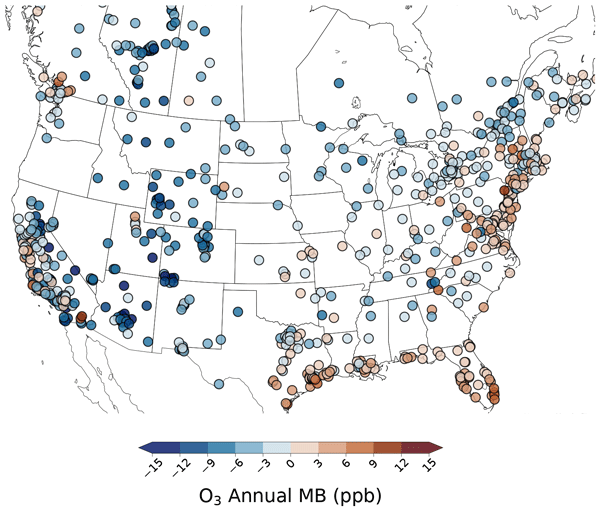
Michael D. Moran, Alexandru Lupu, Verica Savic-Jovcic, Junhua Zhang, Qiong Zheng, Elisa I. Boutzis, Rabab Mashayekhi, Craig A. Stroud, Sylvain Ménard, Jack Chen, Konstantinos Menelaou, Rodrigo Munoz-Alpizar, Dragana Kornic, and Patrick M. Manseau
Geosci. Model Dev., 19, 4205–4270, https://doi.org/10.5194/gmd-19-4205-2026, https://doi.org/10.5194/gmd-19-4205-2026, 2026
Short summary
Short summary
We present an evaluation of 6 annual runs made with the Regional Air Quality Deterministic Prediction System, an operational chemical weather forecast system for North America. Measurements used included NO2, O3, and PM2.5, 8 other gas-phase species, 7 PM2.5 species, and 3 ions in precipitation. Routine scores were augmented by many stratified analyses, and the results pointed to some model components where improvements are desirable. A companion paper provides a full description of the system.
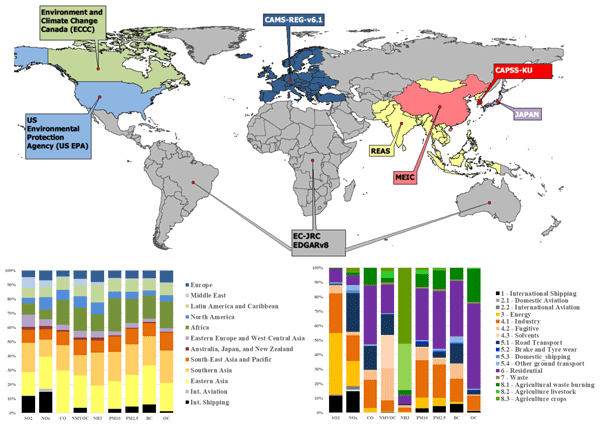
Diego Guizzardi, Monica Crippa, Tim Butler, Terry Keating, Rosa Wu, Jacek Kaminski, Jeroen Kuenen, Junichi Kurokawa, Satoru Chatani, Tazuko Morikawa, George Pouliot, Jacinthe Racine, Michael D. Moran, Zbigniew Klimont, Patrick M. Manseau, Rabab Mashayekhi, Barron H. Henderson, Steven J. Smith, Rachel Hoesly, Marilena Muntean, Manjola Banja, Edwin Schaaf, Federico Pagani, Jung-Hun Woo, Jinseok Kim, Enrico Pisoni, Junhua Zhang, David Niemi, Mourad Sassi, Annie Duhamel, Tabish Ansari, Kristen Foley, Guannan Geng, Yifei Chen, and Qiang Zhang
Earth Syst. Sci. Data, 17, 5915–5950, https://doi.org/10.5194/essd-17-5915-2025, https://doi.org/10.5194/essd-17-5915-2025, 2025
Short summary
Short summary
The global air pollution emission mosaic HTAP_v3.2 is the state-of-the-art inventory to address the evolution of a set of policy-relevant pollutants over the past 2 decades. The mosaic is made harmonising and blending seven regional inventories, gapfilled with the most recent release of the Emissions Database for Global Atmospheric Research. By incorporating the best available local information, the HTAP_v3.2 emission mosaic can be used for policy-relevant studies at regional and global level.
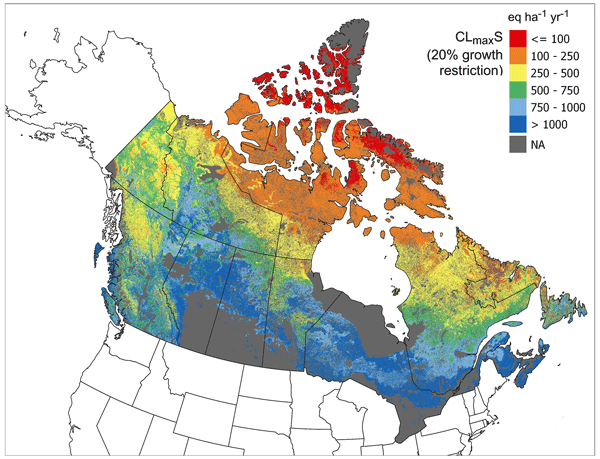
Hazel Cathcart, Julian Aherne, Michael D. Moran, Verica Savic-Jovcic, Paul A. Makar, and Amanda Cole
Biogeosciences, 22, 535–554, https://doi.org/10.5194/bg-22-535-2025, https://doi.org/10.5194/bg-22-535-2025, 2025
Short summary
Short summary
Deposition from sulfur and nitrogen pollution can harm ecosystems, and recovery from this type of pollution can take decades or longer. To identify risk to Canadian soils, we created maps showing sensitivity to sulfur and nitrogen pollution. Results show that some ecosystems are at risk from acid and nutrient nitrogen deposition: 10 % of protected areas are receiving acid deposition beyond their damage threshold, and 70 % may be receiving nitrogen deposition that could cause biodiversity loss.
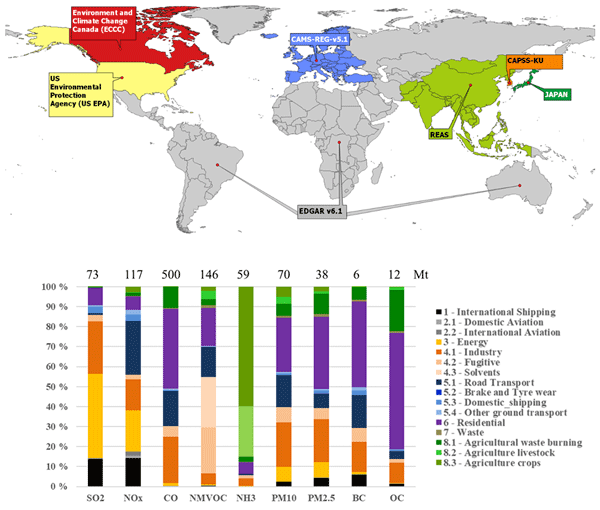
Monica Crippa, Diego Guizzardi, Tim Butler, Terry Keating, Rosa Wu, Jacek Kaminski, Jeroen Kuenen, Junichi Kurokawa, Satoru Chatani, Tazuko Morikawa, George Pouliot, Jacinthe Racine, Michael D. Moran, Zbigniew Klimont, Patrick M. Manseau, Rabab Mashayekhi, Barron H. Henderson, Steven J. Smith, Harrison Suchyta, Marilena Muntean, Efisio Solazzo, Manjola Banja, Edwin Schaaf, Federico Pagani, Jung-Hun Woo, Jinseok Kim, Fabio Monforti-Ferrario, Enrico Pisoni, Junhua Zhang, David Niemi, Mourad Sassi, Tabish Ansari, and Kristen Foley
Earth Syst. Sci. Data, 15, 2667–2694, https://doi.org/10.5194/essd-15-2667-2023, https://doi.org/10.5194/essd-15-2667-2023, 2023
Short summary
Short summary
This study responds to the global and regional atmospheric modelling community's need for a mosaic of air pollutant emissions with global coverage, long time series, spatially distributed data at a high time resolution, and a high sectoral resolution in order to enhance the understanding of transboundary air pollution. The mosaic approach to integrating official regional emission inventories with a global inventory based on a consistent methodology ensures policy-relevant results.
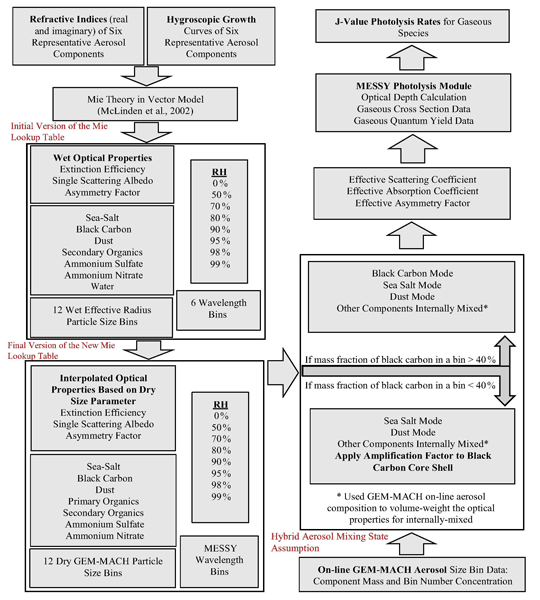
Mahtab Majdzadeh, Craig A. Stroud, Christopher Sioris, Paul A. Makar, Ayodeji Akingunola, Chris McLinden, Xiaoyi Zhao, Michael D. Moran, Ihab Abboud, and Jack Chen
Geosci. Model Dev., 15, 219–249, https://doi.org/10.5194/gmd-15-219-2022, https://doi.org/10.5194/gmd-15-219-2022, 2022
Short summary
Short summary
A new lookup table for aerosol optical properties based on a Mie scattering code was calculated and adopted within an improved version of the photolysis module in the GEM-MACH in-line chemical transport model. The modified version of the photolysis module makes use of online interactive aerosol feedback and applies core-shell parameterizations to the black carbon absorption efficiency based on Bond et al. (2006) to the size bins with black carbon mass fraction of less than 40 %.

Xiao Lu, Daniel J. Jacob, Haolin Wang, Joannes D. Maasakkers, Yuzhong Zhang, Tia R. Scarpelli, Lu Shen, Zhen Qu, Melissa P. Sulprizio, Hannah Nesser, A. Anthony Bloom, Shuang Ma, John R. Worden, Shaojia Fan, Robert J. Parker, Hartmut Boesch, Ritesh Gautam, Deborah Gordon, Michael D. Moran, Frances Reuland, Claudia A. Octaviano Villasana, and Arlyn Andrews
Atmos. Chem. Phys., 22, 395–418, https://doi.org/10.5194/acp-22-395-2022, https://doi.org/10.5194/acp-22-395-2022, 2022
Short summary
Short summary
We evaluate methane emissions and trends for 2010–2017 in the gridded national emission inventories for the United States, Canada, and Mexico by inversion of in situ and satellite methane observations. We find that anthropogenic methane emissions for all three countries are underestimated in the national inventories, largely driven by oil emissions. Anthropogenic methane emissions in the US peak in 2014, in contrast to the report of a steadily decreasing trend over 2010–2017 from the US EPA.
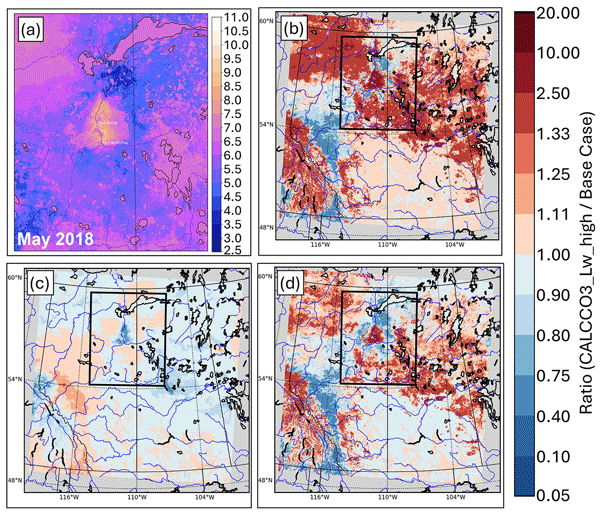
Stefan Miller, Paul A. Makar, Kenjiro Toyota, Colin Lee, Verica Savic-Jovcic, Sepehr Fathi, Mahtab Majdzadeh, and Katherine Hayden
Atmos. Chem. Phys., 26, 9997–10027, https://doi.org/10.5194/acp-26-9997-2026, https://doi.org/10.5194/acp-26-9997-2026, 2026
Short summary
Short summary
This work identifies an important and hitherto unsuspected controlling factor influencing the rate of deposition of atmospheric gases to foliage surfaces. We show base cation-containing dust that settles on foliage can raise the pH of thin water films on leaves, significantly increasing sulphur dioxide dry deposition rates (often by more than 1 cm s-1), and lowering concentrations (by up to 60%), near sources of alkaline dust emissions, changing sulphur deposition fluxes' spatial distribution.
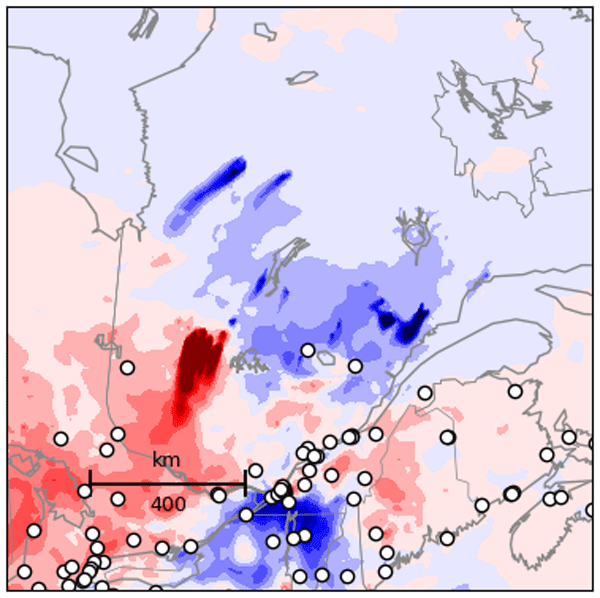
Annika Vogel, Richard Ménard, James Abu, and Jack Chen
Nonlin. Processes Geophys., 33, 347–371, https://doi.org/10.5194/npg-33-347-2026, https://doi.org/10.5194/npg-33-347-2026, 2026
Short summary
Short summary
Recent wildfire activity in Canada has been rising the public demand for fast, yet accurate operational air quality forecasts along with related forecast uncertainties. This study explores the potential of an efficient process-based approach to estimate forecast uncertainties of operational air quality models. Our results show its potential for understanding how uncertainties of operational forecast evolve over time and an improved use of sparse observation signals at remote wildfire regions.
Michael D. Moran, Alexandru Lupu, Verica Savic-Jovcic, Junhua Zhang, Qiong Zheng, Elisa I. Boutzis, Rabab Mashayekhi, Craig A. Stroud, Sylvain Ménard, Jack Chen, Konstantinos Menelaou, Rodrigo Munoz-Alpizar, Dragana Kornic, and Patrick M. Manseau
Geosci. Model Dev., 19, 4205–4270, https://doi.org/10.5194/gmd-19-4205-2026, https://doi.org/10.5194/gmd-19-4205-2026, 2026
Short summary
Short summary
We present an evaluation of 6 annual runs made with the Regional Air Quality Deterministic Prediction System, an operational chemical weather forecast system for North America. Measurements used included NO2, O3, and PM2.5, 8 other gas-phase species, 7 PM2.5 species, and 3 ions in precipitation. Routine scores were augmented by many stratified analyses, and the results pointed to some model components where improvements are desirable. A companion paper provides a full description of the system.
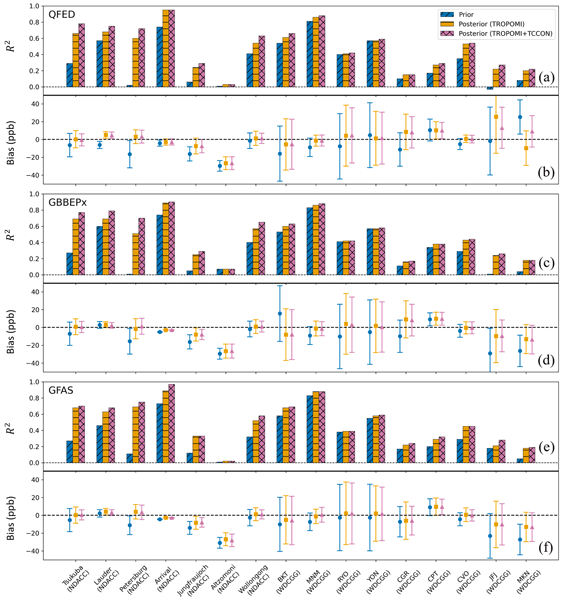
Sina Voshtani, Dylan B. A. Jones, Debra Wunch, Drew C. Pendergrass, Paul O. Wennberg, David F. Pollard, Isamu Morino, Hirofumi Ohyama, Nicholas M. Deutscher, Frank Hase, Ralf Sussmann, Damien Weidmann, Rigel Kivi, Omaira García, Yao Té, Jack Chen, Kerry Anderson, Robin Stevens, Shobha Kondragunta, Aihua Zhu, Douglas Worthy, Senen Racki, Kathryn McKain, Maria V. Makarova, Nicholas Jones, Emmanuel Mahieu, Andrea Cadena-Caicedo, Paolo Cristofanelli, Casper Labuschagne, Elena Kozlova, Thomas Seitz, Martin Steinbacher, Reza Mahdi, and Isao Murata
Atmos. Chem. Phys., 25, 15527–15565, https://doi.org/10.5194/acp-25-15527-2025, https://doi.org/10.5194/acp-25-15527-2025, 2025
Short summary
Short summary
We assess the complementarity of the greater temporal coverage provided by ground-based remote sensing data with the spatial coverage of satellite observations when these data are used together to quantify CO emissions from extreme wildfires in 2023. Our results reveal that the commonly used biomass burning emission inventories significantly underestimate the fire emissions and emphasize the importance of the ground-based remote sensing data in reducing uncertainties in the estimated emissions.
Diego Guizzardi, Monica Crippa, Tim Butler, Terry Keating, Rosa Wu, Jacek Kaminski, Jeroen Kuenen, Junichi Kurokawa, Satoru Chatani, Tazuko Morikawa, George Pouliot, Jacinthe Racine, Michael D. Moran, Zbigniew Klimont, Patrick M. Manseau, Rabab Mashayekhi, Barron H. Henderson, Steven J. Smith, Rachel Hoesly, Marilena Muntean, Manjola Banja, Edwin Schaaf, Federico Pagani, Jung-Hun Woo, Jinseok Kim, Enrico Pisoni, Junhua Zhang, David Niemi, Mourad Sassi, Annie Duhamel, Tabish Ansari, Kristen Foley, Guannan Geng, Yifei Chen, and Qiang Zhang
Earth Syst. Sci. Data, 17, 5915–5950, https://doi.org/10.5194/essd-17-5915-2025, https://doi.org/10.5194/essd-17-5915-2025, 2025
Short summary
Short summary
The global air pollution emission mosaic HTAP_v3.2 is the state-of-the-art inventory to address the evolution of a set of policy-relevant pollutants over the past 2 decades. The mosaic is made harmonising and blending seven regional inventories, gapfilled with the most recent release of the Emissions Database for Global Atmospheric Research. By incorporating the best available local information, the HTAP_v3.2 emission mosaic can be used for policy-relevant studies at regional and global level.
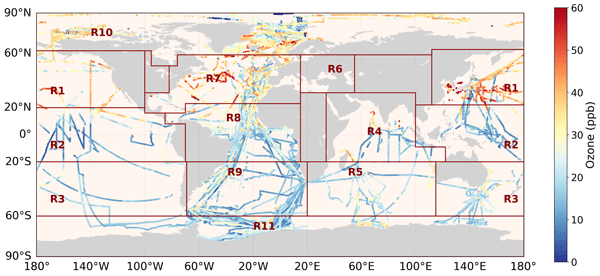
Yugo Kanaya, Roberto Sommariva, Alfonso Saiz-Lopez, Andrea Mazzeo, Theodore K. Koenig, Kaori Kawana, James E. Johnson, Aurélie Colomb, Pierre Tulet, Suzie Molloy, Ian E. Galbally, Rainer Volkamer, Anoop Mahajan, John W. Halfacre, Paul B. Shepson, Julia Schmale, Hélène Angot, Byron Blomquist, Matthew D. Shupe, Detlev Helmig, Junsu Gil, Meehye Lee, Sean C. Coburn, Ivan Ortega, Gao Chen, James Lee, Kenneth C. Aikin, David D. Parrish, John S. Holloway, Thomas B. Ryerson, Ilana B. Pollack, Eric J. Williams, Brian M. Lerner, Andrew J. Weinheimer, Teresa Campos, Frank M. Flocke, J. Ryan Spackman, Ilann Bourgeois, Jeff Peischl, Chelsea R. Thompson, Ralf M. Staebler, Amir A. Aliabadi, Wanmin Gong, Roeland Van Malderen, Anne M. Thompson, Ryan M. Stauffer, Debra E. Kollonige, Juan Carlos Gómez Martin, Masatomo Fujiwara, Katie Read, Matthew Rowlinson, Keiichi Sato, Junichi Kurokawa, Yoko Iwamoto, Fumikazu Taketani, Hisahiro Takashima, Mónica Navarro-Comas, Marios Panagi, and Martin G. Schultz
Earth Syst. Sci. Data, 17, 4901–4932, https://doi.org/10.5194/essd-17-4901-2025, https://doi.org/10.5194/essd-17-4901-2025, 2025
Short summary
Short summary
The first comprehensive dataset of tropospheric ozone over oceans/polar regions is presented, including 77 ship/buoy and 48 aircraft campaign observations (1977–2022, 0–5000 m altitude), supplemented by ozonesonde and surface data. Air masses isolated from land for 72+ hours are systematically selected as essentially oceanic. Among the 11 global regions, they show daytime decreases of 11–16 % in the tropics, while near-zero depletions are rare, unlike in the Arctic, implying different mechanisms.
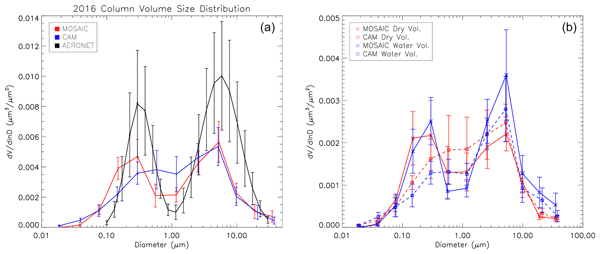
Kirill Semeniuk, Ashu Dastoor, and Alex Lupu
Geosci. Model Dev., 18, 6479–6515, https://doi.org/10.5194/gmd-18-6479-2025, https://doi.org/10.5194/gmd-18-6479-2025, 2025
Short summary
Short summary
The Model for Simulating Aerosol Interactions and Chemistry (MOSAIC) inorganic aerosol sub-model has been implemented in the Global Environmental Multiscale – Modeling Air Quality and Chemistry (GEM-MACH) air quality model. MOSAIC includes metal cation reactions and is a non-equilibrium, double-moment scheme that conserves aerosol number. Compared to the current aerosol sub-model, MOSAIC produces a more accurate size distribution and aerosol number concentration. It also improves the simulated nitrate and ammonium distribution. This work serves to expand the capacity of GEM-MACH for chemistry and weather coupling.
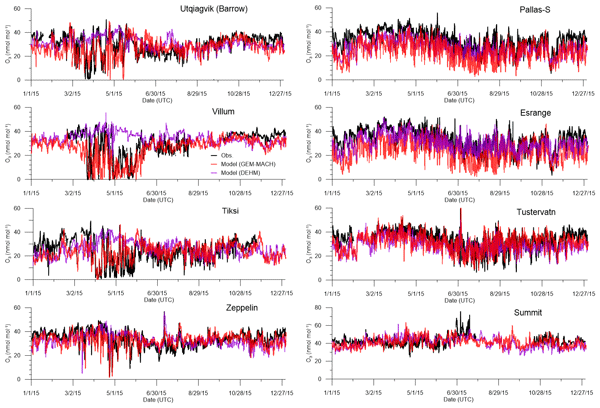
Wanmin Gong, Stephen R. Beagley, Kenjiro Toyota, Henrik Skov, Jesper Heile Christensen, Alex Lupu, Diane Pendlebury, Junhua Zhang, Ulas Im, Yugo Kanaya, Alfonso Saiz-Lopez, Roberto Sommariva, Peter Effertz, John W. Halfacre, Nis Jepsen, Rigel Kivi, Theodore K. Koenig, Katrin Müller, Claus Nordstrøm, Irina Petropavlovskikh, Paul B. Shepson, William R. Simpson, Sverre Solberg, Ralf M. Staebler, David W. Tarasick, Roeland Van Malderen, and Mika Vestenius
Atmos. Chem. Phys., 25, 8355–8405, https://doi.org/10.5194/acp-25-8355-2025, https://doi.org/10.5194/acp-25-8355-2025, 2025
Short summary
Short summary
This study showed that the springtime O3 depletion plays a critical role in driving the surface O3 seasonal cycle in the central Arctic. The O3 depletion events, while occurring most notably within the lowest few hundred metres above the Arctic Ocean, can induce a 5–7 % loss in the pan-Arctic tropospheric O3 burden during springtime. The study also found enhancements in O3 and NOy (mostly peroxyacetyl nitrate) concentrations in the Arctic due to northern boreal wildfires, particularly at higher altitudes.
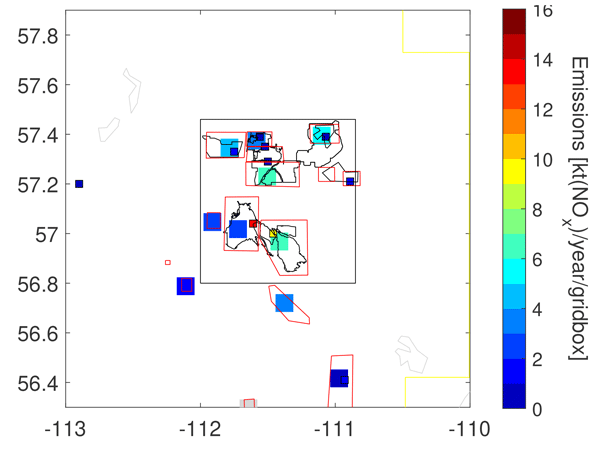
Chris A. McLinden, Debora Griffin, Vitali Fioletov, Junhua Zhang, Enrico Dammers, Cristen Adams, Mallory Loria, Nickolay Krotkov, and Lok N. Lamsal
Atmos. Chem. Phys., 25, 6093–6120, https://doi.org/10.5194/acp-25-6093-2025, https://doi.org/10.5194/acp-25-6093-2025, 2025
Short summary
Short summary
The Ozone Monitoring Instrument (OMI) was used to understand the evolution of NOx emissions from the Canadian oil sands. OMI NO2 combined with winds and reported stack emissions found emissions from the heavy-hauler mine fleet have remained flat since 2005, whereas the total oil sands mined have more than doubled. This difference is a result of emissions standards that limit NOx emissions becoming more stringent over this period, confirming the efficacy of the policy enacting these standards.
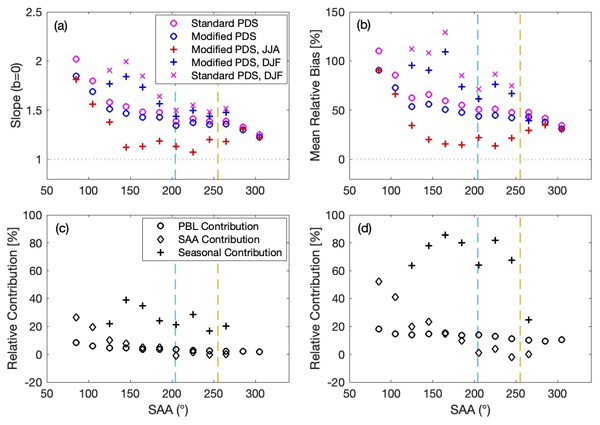
Ramina Alwarda, Kristof Bognar, Xiaoyi Zhao, Vitali Fioletov, Jonathan Davies, Sum Chi Lee, Debora Griffin, Alexandru Lupu, Udo Frieß, Alexander Cede, Yushan Su, and Kimberly Strong
Atmos. Meas. Tech., 18, 2397–2423, https://doi.org/10.5194/amt-18-2397-2025, https://doi.org/10.5194/amt-18-2397-2025, 2025
Short summary
Short summary
Nitrogen dioxide (NO2) is a pollutant with a short lifetime and large variability, but there are limited measurements of its distribution in the lower atmosphere. We present a new 3-year dataset of NO2 vertical profiles in Toronto, Canada, and evaluate it using NO2 from satellite and surface monitoring networks and simulations by an air quality forecast model. We quantify and explain the differences among the datasets to provide information that can be used to understand NO2 variability.
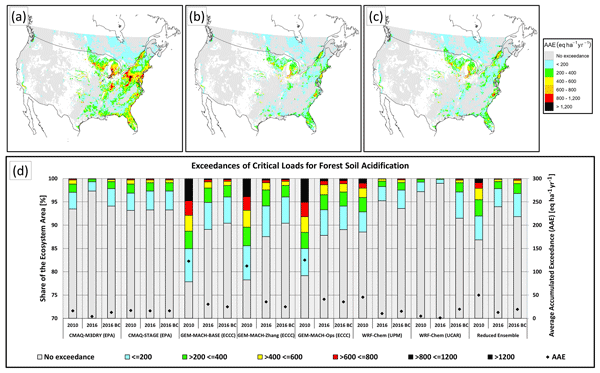
Paul A. Makar, Philip Cheung, Christian Hogrefe, Ayodeji Akingunola, Ummugulsum Alyuz, Jesse O. Bash, Michael D. Bell, Roberto Bellasio, Roberto Bianconi, Tim Butler, Hazel Cathcart, Olivia E. Clifton, Alma Hodzic, Ioannis Kioutsioukis, Richard Kranenburg, Aurelia Lupascu, Jason A. Lynch, Kester Momoh, Juan L. Perez-Camanyo, Jonathan Pleim, Young-Hee Ryu, Roberto San Jose, Donna Schwede, Thomas Scheuschner, Mark W. Shephard, Ranjeet S. Sokhi, and Stefano Galmarini
Atmos. Chem. Phys., 25, 3049–3107, https://doi.org/10.5194/acp-25-3049-2025, https://doi.org/10.5194/acp-25-3049-2025, 2025
Short summary
Short summary
The large range of sulfur and nitrogen deposition estimates from air quality models results in a large range of predicted impacts. We used models and deposition diagnostics to identify the processes controlling atmospheric sulfur and nitrogen deposition variability. Controlling factors included the uptake of gases and aerosols by hydrometeors, aerosol inorganic chemistry, particle dry deposition, ammonia bidirectional fluxes, gas deposition via plant cuticles and soil, and land use data.
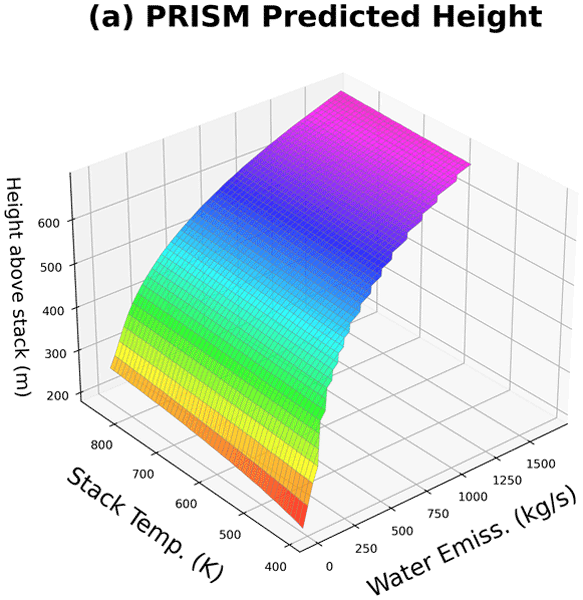
Sepehr Fathi, Paul Makar, Wanmin Gong, Junhua Zhang, Katherine Hayden, and Mark Gordon
Atmos. Chem. Phys., 25, 2385–2405, https://doi.org/10.5194/acp-25-2385-2025, https://doi.org/10.5194/acp-25-2385-2025, 2025
Short summary
Short summary
Our study explores the influence of water phase changes in plumes from industrial sources on atmospheric dispersion of emitted pollutants and air quality. Employing PRISM (Plume-Rise-Iterative-Stratified-Moist), a new method, we found that considering these effects significantly improves predictions of pollutant dispersion. This insight enhances our understanding of environmental impacts, enabling more accurate air quality modelling and fostering more effective pollution management strategies.
Hazel Cathcart, Julian Aherne, Michael D. Moran, Verica Savic-Jovcic, Paul A. Makar, and Amanda Cole
Biogeosciences, 22, 535–554, https://doi.org/10.5194/bg-22-535-2025, https://doi.org/10.5194/bg-22-535-2025, 2025
Short summary
Short summary
Deposition from sulfur and nitrogen pollution can harm ecosystems, and recovery from this type of pollution can take decades or longer. To identify risk to Canadian soils, we created maps showing sensitivity to sulfur and nitrogen pollution. Results show that some ecosystems are at risk from acid and nutrient nitrogen deposition: 10 % of protected areas are receiving acid deposition beyond their damage threshold, and 70 % may be receiving nitrogen deposition that could cause biodiversity loss.
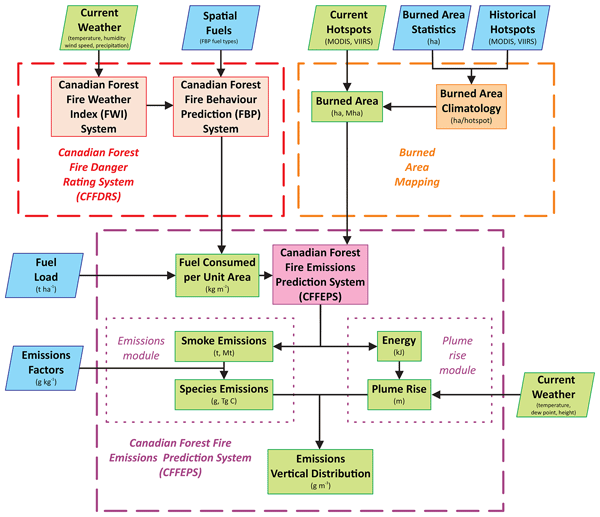
Kerry Anderson, Jack Chen, Peter Englefield, Debora Griffin, Paul A. Makar, and Dan Thompson
Geosci. Model Dev., 17, 7713–7749, https://doi.org/10.5194/gmd-17-7713-2024, https://doi.org/10.5194/gmd-17-7713-2024, 2024
Short summary
Short summary
The Global Forest Fire Emissions Prediction System (GFFEPS) is a model that predicts smoke and carbon emissions from wildland fires. The model calculates emissions from the ground up based on satellite-detected fires, modelled weather and fire characteristics. Unlike other global models, GFFEPS uses daily weather conditions to capture changing burning conditions on a day-to-day basis. GFFEPS produced lower carbon emissions due to the changing weather not captured by the other models.
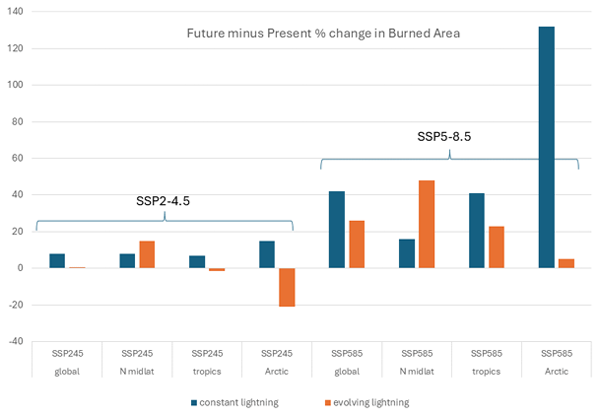
Cynthia Whaley, Montana Etten-Bohm, Courtney Schumacher, Ayodeji Akingunola, Vivek Arora, Jason Cole, Michael Lazare, David Plummer, Knut von Salzen, and Barbara Winter
Geosci. Model Dev., 17, 7141–7155, https://doi.org/10.5194/gmd-17-7141-2024, https://doi.org/10.5194/gmd-17-7141-2024, 2024
Short summary
Short summary
This paper describes how lightning was added as a process in the Canadian Earth System Model in order to interactively respond to climate changes. As lightning is an important cause of global wildfires, this new model development allows for more realistic projections of how wildfires may change in the future, responding to a changing climate.
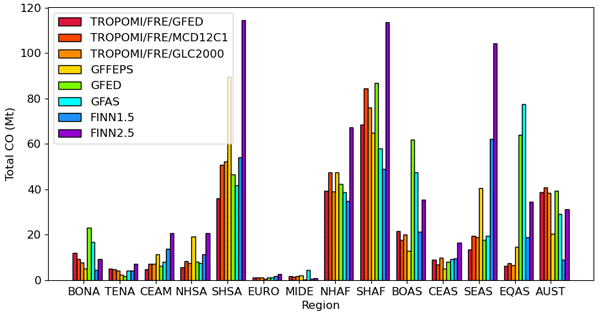
Debora Griffin, Jack Chen, Kerry Anderson, Paul Makar, Chris A. McLinden, Enrico Dammers, and Andre Fogal
Atmos. Chem. Phys., 24, 10159–10186, https://doi.org/10.5194/acp-24-10159-2024, https://doi.org/10.5194/acp-24-10159-2024, 2024
Short summary
Short summary
Satellite-derived CO emissions provide new insights into the understanding of global CO emission rates from wildfires. We use TROPOMI satellite data to create a global inventory database of wildfire CO emissions. These satellite-derived wildfire emissions are used for the evaluation and improvement of existing fire emission inventories and to examine how the wildfire CO emissions have changed over the past 2 decades.
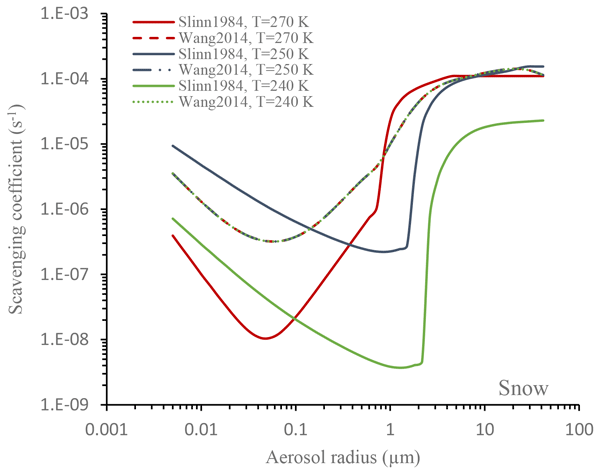
Roya Ghahreman, Wanmin Gong, Paul A. Makar, Alexandru Lupu, Amanda Cole, Kulbir Banwait, Colin Lee, and Ayodeji Akingunola
Geosci. Model Dev., 17, 685–707, https://doi.org/10.5194/gmd-17-685-2024, https://doi.org/10.5194/gmd-17-685-2024, 2024
Short summary
Short summary
The article explores the impact of different representations of below-cloud scavenging on model biases. A new scavenging scheme and precipitation-phase partitioning improve the model's performance, with better SO42- scavenging and wet deposition of NO3- and NH4+.
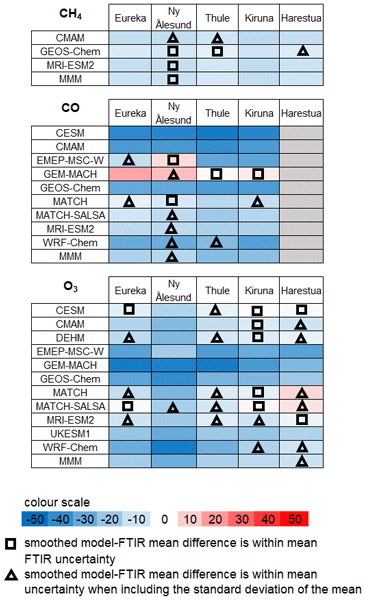
Victoria A. Flood, Kimberly Strong, Cynthia H. Whaley, Kaley A. Walker, Thomas Blumenstock, James W. Hannigan, Johan Mellqvist, Justus Notholt, Mathias Palm, Amelie N. Röhling, Stephen Arnold, Stephen Beagley, Rong-You Chien, Jesper Christensen, Makoto Deushi, Srdjan Dobricic, Xinyi Dong, Joshua S. Fu, Michael Gauss, Wanmin Gong, Joakim Langner, Kathy S. Law, Louis Marelle, Tatsuo Onishi, Naga Oshima, David A. Plummer, Luca Pozzoli, Jean-Christophe Raut, Manu A. Thomas, Svetlana Tsyro, and Steven Turnock
Atmos. Chem. Phys., 24, 1079–1118, https://doi.org/10.5194/acp-24-1079-2024, https://doi.org/10.5194/acp-24-1079-2024, 2024
Short summary
Short summary
It is important to understand the composition of the Arctic atmosphere and how it is changing. Atmospheric models provide simulations that can inform policy. This study examines simulations of CH4, CO, and O3 by 11 models. Model performance is assessed by comparing results matched in space and time to measurements from five high-latitude ground-based infrared spectrometers. This work finds that models generally underpredict the concentrations of these gases in the Arctic troposphere.
Monica Crippa, Diego Guizzardi, Tim Butler, Terry Keating, Rosa Wu, Jacek Kaminski, Jeroen Kuenen, Junichi Kurokawa, Satoru Chatani, Tazuko Morikawa, George Pouliot, Jacinthe Racine, Michael D. Moran, Zbigniew Klimont, Patrick M. Manseau, Rabab Mashayekhi, Barron H. Henderson, Steven J. Smith, Harrison Suchyta, Marilena Muntean, Efisio Solazzo, Manjola Banja, Edwin Schaaf, Federico Pagani, Jung-Hun Woo, Jinseok Kim, Fabio Monforti-Ferrario, Enrico Pisoni, Junhua Zhang, David Niemi, Mourad Sassi, Tabish Ansari, and Kristen Foley
Earth Syst. Sci. Data, 15, 2667–2694, https://doi.org/10.5194/essd-15-2667-2023, https://doi.org/10.5194/essd-15-2667-2023, 2023
Short summary
Short summary
This study responds to the global and regional atmospheric modelling community's need for a mosaic of air pollutant emissions with global coverage, long time series, spatially distributed data at a high time resolution, and a high sectoral resolution in order to enhance the understanding of transboundary air pollution. The mosaic approach to integrating official regional emission inventories with a global inventory based on a consistent methodology ensures policy-relevant results.
Shuzhan Ren and Craig A. Stroud
Atmos. Chem. Phys. Discuss., https://doi.org/10.5194/acp-2023-37, https://doi.org/10.5194/acp-2023-37, 2023
Revised manuscript not accepted
Short summary
Short summary
The atmospheric boundary layer height is involved in the turbulence parameterization scheme employed in numerical models. It affects the concentration of chemical species by changing the vertical diffusivity and the volume of tracer in the atmosphere. There exists large uncertainties in the boundary layer height. The impacts of the uncertainties on the model simulation of concentration of chemical species are examined. The results show different impacts in different parameterization scheme.
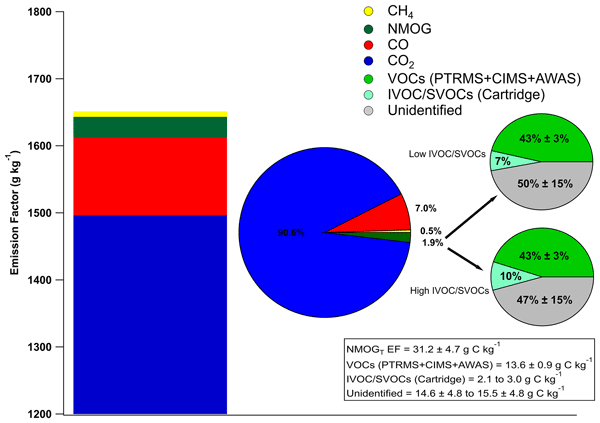
Katherine L. Hayden, Shao-Meng Li, John Liggio, Michael J. Wheeler, Jeremy J. B. Wentzell, Amy Leithead, Peter Brickell, Richard L. Mittermeier, Zachary Oldham, Cristian M. Mihele, Ralf M. Staebler, Samar G. Moussa, Andrea Darlington, Mengistu Wolde, Daniel Thompson, Jack Chen, Debora Griffin, Ellen Eckert, Jenna C. Ditto, Megan He, and Drew R. Gentner
Atmos. Chem. Phys., 22, 12493–12523, https://doi.org/10.5194/acp-22-12493-2022, https://doi.org/10.5194/acp-22-12493-2022, 2022
Short summary
Short summary
In this study, airborne measurements provided the most detailed characterization, to date, of boreal forest wildfire emissions. Measurements showed a large diversity of air pollutants expanding the volatility range typically reported. A large portion of organic species was unidentified, likely comprised of complex organic compounds. Aircraft-derived emissions improve wildfire chemical speciation and can support reliable model predictions of pollution from boreal forest wildfires.
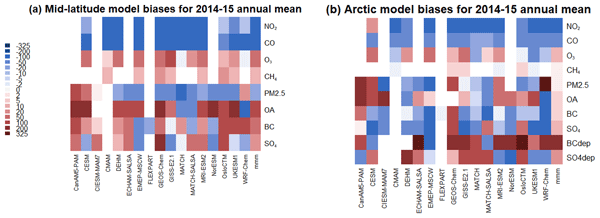
Cynthia H. Whaley, Rashed Mahmood, Knut von Salzen, Barbara Winter, Sabine Eckhardt, Stephen Arnold, Stephen Beagley, Silvia Becagli, Rong-You Chien, Jesper Christensen, Sujay Manish Damani, Xinyi Dong, Konstantinos Eleftheriadis, Nikolaos Evangeliou, Gregory Faluvegi, Mark Flanner, Joshua S. Fu, Michael Gauss, Fabio Giardi, Wanmin Gong, Jens Liengaard Hjorth, Lin Huang, Ulas Im, Yugo Kanaya, Srinath Krishnan, Zbigniew Klimont, Thomas Kühn, Joakim Langner, Kathy S. Law, Louis Marelle, Andreas Massling, Dirk Olivié, Tatsuo Onishi, Naga Oshima, Yiran Peng, David A. Plummer, Olga Popovicheva, Luca Pozzoli, Jean-Christophe Raut, Maria Sand, Laura N. Saunders, Julia Schmale, Sangeeta Sharma, Ragnhild Bieltvedt Skeie, Henrik Skov, Fumikazu Taketani, Manu A. Thomas, Rita Traversi, Kostas Tsigaridis, Svetlana Tsyro, Steven Turnock, Vito Vitale, Kaley A. Walker, Minqi Wang, Duncan Watson-Parris, and Tahya Weiss-Gibbons
Atmos. Chem. Phys., 22, 5775–5828, https://doi.org/10.5194/acp-22-5775-2022, https://doi.org/10.5194/acp-22-5775-2022, 2022
Short summary
Short summary
Air pollutants, like ozone and soot, play a role in both global warming and air quality. Atmospheric models are often used to provide information to policy makers about current and future conditions under different emissions scenarios. In order to have confidence in those simulations, in this study we compare simulated air pollution from 18 state-of-the-art atmospheric models to measured air pollution in order to assess how well the models perform.
Xiao Lu, Daniel J. Jacob, Haolin Wang, Joannes D. Maasakkers, Yuzhong Zhang, Tia R. Scarpelli, Lu Shen, Zhen Qu, Melissa P. Sulprizio, Hannah Nesser, A. Anthony Bloom, Shuang Ma, John R. Worden, Shaojia Fan, Robert J. Parker, Hartmut Boesch, Ritesh Gautam, Deborah Gordon, Michael D. Moran, Frances Reuland, Claudia A. Octaviano Villasana, and Arlyn Andrews
Atmos. Chem. Phys., 22, 395–418, https://doi.org/10.5194/acp-22-395-2022, https://doi.org/10.5194/acp-22-395-2022, 2022
Short summary
Short summary
We evaluate methane emissions and trends for 2010–2017 in the gridded national emission inventories for the United States, Canada, and Mexico by inversion of in situ and satellite methane observations. We find that anthropogenic methane emissions for all three countries are underestimated in the national inventories, largely driven by oil emissions. Anthropogenic methane emissions in the US peak in 2014, in contrast to the report of a steadily decreasing trend over 2010–2017 from the US EPA.
Mahtab Majdzadeh, Craig A. Stroud, Christopher Sioris, Paul A. Makar, Ayodeji Akingunola, Chris McLinden, Xiaoyi Zhao, Michael D. Moran, Ihab Abboud, and Jack Chen
Geosci. Model Dev., 15, 219–249, https://doi.org/10.5194/gmd-15-219-2022, https://doi.org/10.5194/gmd-15-219-2022, 2022
Short summary
Short summary
A new lookup table for aerosol optical properties based on a Mie scattering code was calculated and adopted within an improved version of the photolysis module in the GEM-MACH in-line chemical transport model. The modified version of the photolysis module makes use of online interactive aerosol feedback and applies core-shell parameterizations to the black carbon absorption efficiency based on Bond et al. (2006) to the size bins with black carbon mass fraction of less than 40 %.
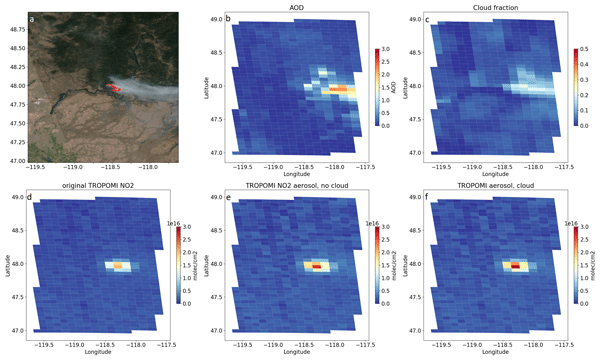
Debora Griffin, Chris A. McLinden, Enrico Dammers, Cristen Adams, Chelsea E. Stockwell, Carsten Warneke, Ilann Bourgeois, Jeff Peischl, Thomas B. Ryerson, Kyle J. Zarzana, Jake P. Rowe, Rainer Volkamer, Christoph Knote, Natalie Kille, Theodore K. Koenig, Christopher F. Lee, Drew Rollins, Pamela S. Rickly, Jack Chen, Lukas Fehr, Adam Bourassa, Doug Degenstein, Katherine Hayden, Cristian Mihele, Sumi N. Wren, John Liggio, Ayodeji Akingunola, and Paul Makar
Atmos. Meas. Tech., 14, 7929–7957, https://doi.org/10.5194/amt-14-7929-2021, https://doi.org/10.5194/amt-14-7929-2021, 2021
Short summary
Short summary
Satellite-derived NOx emissions from biomass burning are estimated with TROPOMI observations. Two common emission estimation methods are applied, and sensitivity tests with model output were performed to determine the accuracy of these methods. The effect of smoke aerosols on TROPOMI NO2 columns is estimated and compared to aircraft observations from four different aircraft campaigns measuring biomass burning plumes in 2018 and 2019 in North America.
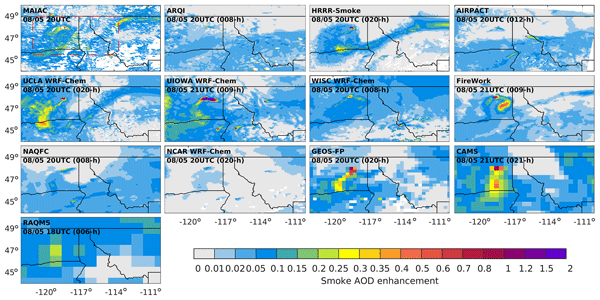
Xinxin Ye, Pargoal Arab, Ravan Ahmadov, Eric James, Georg A. Grell, Bradley Pierce, Aditya Kumar, Paul Makar, Jack Chen, Didier Davignon, Greg R. Carmichael, Gonzalo Ferrada, Jeff McQueen, Jianping Huang, Rajesh Kumar, Louisa Emmons, Farren L. Herron-Thorpe, Mark Parrington, Richard Engelen, Vincent-Henri Peuch, Arlindo da Silva, Amber Soja, Emily Gargulinski, Elizabeth Wiggins, Johnathan W. Hair, Marta Fenn, Taylor Shingler, Shobha Kondragunta, Alexei Lyapustin, Yujie Wang, Brent Holben, David M. Giles, and Pablo E. Saide
Atmos. Chem. Phys., 21, 14427–14469, https://doi.org/10.5194/acp-21-14427-2021, https://doi.org/10.5194/acp-21-14427-2021, 2021
Short summary
Short summary
Wildfire smoke has crucial impacts on air quality, while uncertainties in the numerical forecasts remain significant. We present an evaluation of 12 real-time forecasting systems. Comparison of predicted smoke emissions suggests a large spread in magnitudes, with temporal patterns deviating from satellite detections. The performance for AOD and surface PM2.5 and their discrepancies highlighted the role of accurately represented spatiotemporal emission profiles in improving smoke forecasts.
Cited articles
Akagi, S. K., Yokelson, R. J., Wiedinmyer, C., Alvarado, M. J., Reid, J. S., Karl, T., Crounse, J. D., and Wennberg, P. O.: Emission factors for open and domestic biomass burning for use in atmospheric models, Atmos. Chem. Phys., 11, 4039–4072, https://doi.org/10.5194/acp-11-4039-2011, 2011.
Akingunola, A., Makar, P. A., Zhang, J., Darlington, A., Li, S.-M., Gordon, M., Moran, M. D., and Zheng, Q.: A chemical transport model study of plume-rise and particle size distribution for the Athabasca oil sands, Atmos. Chem. Phys., 18, 8667–8688, https://doi.org/10.5194/acp-18-8667-2018, 2018.
Anderson, G. K., Sandberg, D. V., and Norhelm, R. A.: Fire Emission Production Simulator (FEPS) User's Guide Version 1., Pacific Northwest Research Station, U.S. Forest Service, Portland, Oregon, January, 97 pp., https://share.google/yCxzmeNyLzeDFR5Zf (last access: 30 March 2026), 2004.
Anderson, K. and Chen, J.: Canadian Fire Emissions Prediction System (CFFEPS) v4.1, Zenodo [code], https://doi.org/10.5281/zenodo.15305591, 2021.
Andreae, M. O.: Emission of trace gases and aerosols from biomass burning – an updated assessment, Atmos. Chem. Phys., 19, 8523–8546, https://doi.org/10.5194/acp-19-8523-2019, 2019.
Ansari, A. S. and Pandis, S. N.: Response of inorganic PM to precursor concentrations, Environ. Sci. Technol., 32, 2706–2714, https://doi.org/10.1021/es971130j, 1998.
Anselmo, D., Moran, M. D., Ménard, S., Bouchet, V., Makar, P., Gong, W., Kallaur, A., Beaulieu, P.-A., Landry, H., Stroud, C., Huang, P., Gong, S., and Talbot, D.: A new Canadian air quality forecast model: GEM-MACH15, in: Proc. 12th AMS Conf. on Atmos. Chem., 17–21 January, Atlanta, Georgia, 6 pp., https://ams.confex.com/ams/pdfpapers/165388.pdf (last access: 30 March 2026), 2010.
Antonopoulos, S., Bourgouin, P., Montpetit, J., and Croteau, G.: Forecasting O3, PM2.5 and NO2 hourly spot concentrations using an updatable MOS methodology, in: Air Pollution Modeling and its Application XXI, edited by: Steyn, D. G. and Trini Castelli, S., Springer Netherlands, Dordrecht, 309–314, https://doi.org/10.1007/978-94-007-1359-8_53, 2011.
Appel, K. W., Foley, K. M., Bash, J. O., Pinder, R. W., Dennis, R. L., Allen, D. J., and Pickering, K.: A multi-resolution assessment of the Community Multiscale Air Quality (CMAQ) model v4.7 wet deposition estimates for 2002–2006, Geosci. Model Dev., 4, 357–371, https://doi.org/10.5194/gmd-4-357-2011, 2011.
Aranami, K., Davies, T., and Wood, N.: A mass restoration scheme for limited-area models with semi-Lagrangian advection, Q. J. Roy. Meteor. Soc., 141, 1795–1803, https://doi.org/10.1002/qj.2482, 2015.
Archibald, A. T., Neu, J. L., Elshorbany, Y. F., Cooper, O. R., Young, P. J., Akiyoshi, H., Cox, R. A., Coyle, M., Derwent, R. G., Deushi, M., Finco, A., Frost, G. J., Galbally, I. E., Gerosa, G., Granier, C., Griffiths, P. T., Hossaini, R., Hu, L., Jöckel, P., Josse, B., Lin, M. Y., Mertens, M., Morgenstern, O., Naja, M., Naik, V., Oltmans, S., Plummer, D. A., Revell, L. E., Saiz-Lopez, A., Saxena, P., Shin, Y. M., Shahid, I., Shallcross, D., Tilmes, S., Trickl, T., Wallington, T. J., Wang, T., Worden, H. M., and Zeng, G.: Tropospheric Ozone Assessment Report: A critical review of changes in the tropospheric ozone burden and budget from 1850 to 2100, Elem. Sci. Anthr., 8, 034, https://doi.org/10.1525/elementa.2020.034, 2020.
Atkinson, R.: Gas-phase tropospheric chemistry of organic compounds: A review, Atmos. Environ., 24, 1–41, https://doi.org/10.1016/0960-1686(90)90438-S, 1990.
Atkinson, R., Baulch, D. L., Cox, R. A., Hampson, R. F., Kerr, J. A., and Troe, J.: Evaluated kinetic and photochemical data for atmospheric chemistry: Supplement IV. IUPAC subcommittee on gas kinetic data evaluation for atmospheric chemistry, J. Phys. Chem. Ref. Data, 21, 1125–1568, https://doi.org/10.1063/1.555918, 1992.
Ault, A. P., Moffet, R. C., Baltrusaitis, J., Collins, D. B., Ruppel, M. J., Cuadra-Rodriguez, L. A., Zhao, D., Guasco, T. L., Ebben, C. J., Geiger, F. M., Bertram, T. H., Prather, K. A., and Grassian, V. H.: Size-dependent changes in sea spray aerosol composition and properties with different seawater conditions, Environ. Sci. Technol., 47, 5603–5612, https://doi.org/10.1021/es400416g, 2013.
Baklanov, A. and Zhang, Y.: Advances in air quality modeling and forecasting, Glob. Transit., 2, 261–270, https://doi.org/10.1016/j.glt.2020.11.001, 2020.
Barrie, L. A. and Georgii, H. W.: An experimental investigation of the absorption of sulphur dioxide by water drops containing heavy metal ions, Atmos. Environ. 1967, 10, 743–749, https://doi.org/10.1016/0004-6981(76)90075-5, 1976.
Barrie, L. A., Yi, Y., Leaitch, W. R., Lohmann, U., Kasibhatla, P., Roelofs, G.-J., Wilson, J., Mcgovern, F., Benkovitz, C., Méliéres, M. A., Law, K., Prospero, J., Kritz, M., Bergmann, D., Bridgeman, C., Chin, M., Christensen, J., Easter, R., Feichter, J., Land, C., Jeuken, A., Kjellström, E., Koch, D., and Rasch, P.: A comparison of large-scale atmospheric sulphate aerosol models (COSAM): overview and highlights, Tellus B., 53, 615, https://doi.org/10.3402/tellusb.v53i5.16642, 2001.
Barsanti, K. C., Carlton, A. G., and Chung, S. H.: Analyzing experimental data and model parameters: implications for predictions of SOA using chemical transport models, Atmos. Chem. Phys., 13, 12073–12088, https://doi.org/10.5194/acp-13-12073-2013, 2013.
Barth, M. C., Rasch, P. J., Kiehl, J. T., Benkovitz, C. M., and Schwartz, S. E.: Sulfur chemistry in the National Center for Atmospheric Research Community Climate Model: Description, evaluation, features, and sensitivity to aqueous chemistry, J. Geophys. Res.-Atmos., 105, 1387–1415, https://doi.org/10.1029/1999JD900773, 2000.
Bates, T. S., Lamb, B. K., Guenther, A., Dignon, J., and Stoiber, R. E.: Sulfur emissions to the atmosphere from natural sources, J. Atmos. Chem., 14, 315–337, https://doi.org/10.1007/BF00115242, 1992.
Bauer, P., Thorpe, A., and Brunet, G.: The quiet revolution of numerical weather prediction, Nature, 525, 47–55, https://doi.org/10.1038/nature14956, 2015.
Beard, K. V.: Terminal velocity and shape of cloud and precipitation drops aloft, J. Atmospheric Sci., 33, 851–864, https://doi.org/10.1175/1520-0469(1976)033<0851:TVASOC>2.0.CO;2, 1976.
Beaudoin, A., Bernier, P. Y., Guindon, L., Villemaire, P., Guo, X. J., Stinson, G., Bergeron, T., Magnussen, S., and Hall, R. J.: Mapping attributes of Canada's forests at moderate resolution through kNN and MODIS imagery, Can. J. For. Res., 44, 521–532, https://doi.org/10.1139/cjfr-2013-0401, 2014.
Bechtold, P., Bazile, E., Guichard, F., Mascart, P., and Richard, E.: A mass-flux convection scheme for regional and global models, Q. J. Roy. Meteor. Soc., 127, 869–886, https://doi.org/10.1002/qj.49712757309, 2001.
Bechtold, P., Semane, N., Lopez, P., Chaboureau, J.-P., Beljaars, A., and Bormann, N.: Representing equilibrium and nonequilibrium convection in large-scale models, J. Atmos. Sci., 71, 734–753, https://doi.org/10.1175/JAS-D-13-0163.1, 2014.
Bélair, S., Mailhot, J., Strapp, J. W., and MacPherson, J. I.: An examination of local versus nonlocal aspects of a TKE-based boundary layer scheme in clear convective conditions, J. Appl. Meteorol., 38, 1499–1518, https://doi.org/10.1175/1520-0450(1999)038<1499:AEOLVN>2.0.CO;2, 1999.
Bélair, S., Crevier, L.-P., Mailhot, J., Bilodeau, B., and Delage, Y.: Operational implementation of the ISBA land surface scheme in the Canadian regional weather forecast model. Part I: Warm season results, J. Hydrometeorol., 4, 352–370, https://doi.org/10.1175/1525-7541(2003)4<352:OIOTIL>2.0.CO;2, 2003a.
Bélair, S., Brown, R., Mailhot, J., Bilodeau, B., and Crevier, L.-P.: Operational implementation of the ISBA land surface scheme in the Canadian regional weather forecast model. Part II: Cold season results, J. Hydrometeorol., 4, 371–386, https://doi.org/10.1175/1525-7541(2003)4<371:OIOTIL>2.0.CO;2, 2003b.
Bélair, S., Mailhot, J., Girard, C., and Vaillancourt, P.: Boundary layer and shallow cumulus clouds in a medium-range forecast of a large-scale weather system, Mon. Weather Rev., 133, 1938–1960, https://doi.org/10.1175/MWR2958.1, 2005.
Beljaars, A. C. M. and Holtslag, A. A. M.: Flux parameterization over land surfaces for atmospheric models, J. Appl. Meteorol., 30, 327–341, https://doi.org/10.1175/1520-0450(1991)030<0327:FPOLSF>2.0.CO;2, 1991.
Benedetti, A., Morcrette, J.-J., Boucher, O., Dethof, A., Engelen, R. J., Fisher, M., Flentje, H., Huneeus, N., Jones, L., Kaiser, J. W., Kinne, S., Mangold, A., Razinger, M., Simmons, A. J., and Suttie, M.: Aerosol analysis and forecast in the European Centre for Medium-Range Weather Forecasts Integrated Forecast System: 2. Data assimilation, J. Geophys. Res., 114, D13205, https://doi.org/10.1029/2008JD011115, 2009.
Benoit, R., Côté, J., and Mailhot, J.: Inclusion of a TKE boundary layer parameterization in the Canadian Regional Finite-Element Model, Mon. Weather Rev., 117, 1726–1750, https://doi.org/10.1175/1520-0493(1989)117<1726:IOATBL>2.0.CO;2, 1989.
Benoit, R., Desgagné, M., Pellerin, P., Pellerin, S., Chartier, Y., and Desjardins, S.: The Canadian MC2: A semi-Lagrangian, semi-implicit wideband atmospheric model suited for finescale process studies and simulation, Mon. Weather Rev., 125, 2382–2415, https://doi.org/10.1175/1520-0493(1997)125<2382:TCMASL>2.0.CO;2, 1997.
Bermejo, R. and Conde, J.: A conservative quasi-monotone semi-Lagrangian scheme, Mon. Weather Rev., 130, 423–430, https://doi.org/10.1175/1520-0493(2002)130<0423:ACQMSL>2.0.CO;2, 2002.
Binkowski, F. S. and Roselle, S. J.: Models-3 Community Multiscale Air Quality (CMAQ) model aerosol component 1. Model description, J. Geophys. Res.-Atmos., 108, 2001JD001409, https://doi.org/10.1029/2001JD001409, 2003.
Binkowski, F. S. and Shankar, U.: The Regional Particulate Matter Model: 1. Model description and preliminary results, J. Geophys. Res., 100, 26191, https://doi.org/10.1029/95JD02093, 1995.
Binte Shahid, S., Lacey, F. G., Wiedinmyer, C., Yokelson, R. J., and Barsanti, K. C.: NEIVAv1.0: Next-generation Emissions InVentory expansion of Akagi et al. (2011) version 1.0, Geosci. Model Dev., 17, 7679–7711, https://doi.org/10.5194/gmd-17-7679-2024, 2024.
Bloom, S. C., Takacs, L. L., da Silva, A. M., and Ledvina, D.: Data assimilation using incremental analysis updates, Mon. Weather Rev., 124, 1256–1271, https://doi.org/10.1175/1520-0493(1996)124<1256:DAUIAU>2.0.CO;2, 1996.
Boogaard, H., Walker, K., and Cohen, A. J.: Air pollution: the emergence of a major global health risk factor, Int. Health, 11, 417–421, https://doi.org/10.1093/inthealth/ihz078, 2019.
Boutzis, E. I., Zhang, J., and Moran, M. D.: Expansion of a size disaggregation profile library for particulate matter emissions processing from three generic profiles to 36 source-type-specific profiles, J. Air Waste Manag. Assoc., 70, 1067–1100, https://doi.org/10.1080/10962247.2020.1743794, 2020.
Brasseur, G. P. and Kumar, R.: Chemical weather and chemical climate, AGU Adv., 2, e2021AV000399, https://doi.org/10.1029/2021AV000399, 2021.
Brasseur, G. P., Xie, Y., Petersen, A. K., Bouarar, I., Flemming, J., Gauss, M., Jiang, F., Kouznetsov, R., Kranenburg, R., Mijling, B., Peuch, V.-H., Pommier, M., Segers, A., Sofiev, M., Timmermans, R., van der A, R., Walters, S., Xu, J., and Zhou, G.: Ensemble forecasts of air quality in eastern China – Part 1: Model description and implementation of the MarcoPolo–Panda prediction system, version 1, Geosci. Model Dev., 12, 33–67, https://doi.org/10.5194/gmd-12-33-2019, 2019.
Briggs, G. A.: Plume rise and buoyancy effects, in: Atmospheric Sciences and Power Production, DOE/TIC-27601 (DE84005177), edited by: Randerson, D., Technical Information Center, U.S Department of Energy, Oak Ridge, Tennessee, 327–366, https://doi.org/10.2172/6503687, 1984.
Brook, J. R. and Dann, T. F.: Contribution of nitrate and carbonaceous species to PM 2.5 observed in Canadian cities, J. Air Waste Manag. Assoc., 49, 193–199, https://doi.org/10.1080/10473289.1999.10463794, 1999.
Brook, J. R., Zhang, L., Di-Giovanni, F., and Padro, J.: Description and evaluation of a model of deposition velocities for routine estimates of air pollutant dry deposition over North America, Atmos. Environ., 33, 5037–5051, https://doi.org/10.1016/S1352-2310(99)00250-2, 1999a.
Brook, J. R., Dann, T. F., and Bonvalot, Y.: Observations and interpretations from the Canadian Fine Particle Monitoring Program, J. Air Waste Manag. Assoc., 49, 35–44, https://doi.org/10.1080/10473289.1999.10463884, 1999b.
Brost, R. A.: The sensitivity to input parameters of atmospheric concentrations simulated by a regional chemical model, J. Geophys. Res., 93, 2371, https://doi.org/10.1029/JD093iD03p02371, 1988.
Buehner, M., McTaggart-Cowan, R., Beaulne, A., Charette, C., Garand, L., Heilliette, S., Lapalme, E., Laroche, S., Macpherson, S. R., Morneau, J., and Zadra, A.: Implementation of deterministic weather forecasting systems based on ensemble–variational data assimilation at Environment Canada. Part I: The global system, Mon. Weather Rev., 143, 2532–2559, https://doi.org/10.1175/MWR-D-14-00354.1, 2015.
Calvert, J. G., Su, F., Bottenheim, J. W., and Strausz, O. P.: Mechanism of the homogeneous oxidation of sulfur dioxide in the troposphere, Atmos. Environ. 1967, 12, 197–226, https://doi.org/10.1016/0004-6981(78)90201-9, 1978.
Campbell, P. C., Tang, Y., Lee, P., Baker, B., Tong, D., Saylor, R., Stein, A., Huang, J., Huang, H.-C., Strobach, E., McQueen, J., Pan, L., Stajner, I., Sims, J., Tirado-Delgado, J., Jung, Y., Yang, F., Spero, T. L., and Gilliam, R. C.: Development and evaluation of an advanced National Air Quality Forecasting Capability using the NOAA Global Forecast System version 16, Geosci. Model Dev., 15, 3281–3313, https://doi.org/10.5194/gmd-15-3281-2022, 2022.
Caron, J.-F., Milewski, T., Buehner, M., Fillion, L., Reszka, M., Macpherson, S., and St-James, J.: Implementation of deterministic weather forecasting systems based on ensemble–variational data assimilation at Environment Canada. Part II: The regional system, Mon. Weather Rev., 143, 2560–2580, https://doi.org/10.1175/MWR-D-14-00353.1, 2015.
Carter, W. P. L.: A detailed mechanism for the gas-phase atmospheric reactions of organic compounds, Atmos. Environ., 24, 481–518, https://doi.org/10.1016/0960-1686(90)90005-8, 1990.
Chai, T., Kim, H., Pan, L., Lee, P., and Tong, D.: Impact of Moderate Resolution Imaging Spectroradiometer aerosol optical depth and AirNow PM 2.5 assimilation on Community Multi-scale Air Quality aerosol predictions over the contiguous United States, J. Geophys. Res.-Atmos., 122, 5399–5415, https://doi.org/10.1002/2016JD026295, 2017.
Chang, J. S., Brost, R. A., Isaksen, I. S. A., Madronich, S., Middleton, P., Stockwell, W. R., and Walcek, C. J.: A three-dimensional Eulerian acid deposition model: Physical concepts and formulation, J. Geophys. Res., 92, 14681, https://doi.org/10.1029/JD092iD12p14681, 1987.
Charron, M., Manzini, E., and Warner, C. D.: Intercomparison of gravity wave parameterizations: Hines Doppler-spread and Warner and McIntyre ultra-simple schemes., J. Meteorol. Soc. Jpn. Ser II, 80, 335–345, https://doi.org/10.2151/jmsj.80.335, 2002.
Chen, J. and Menelaou, K.: Regional Air Quality Deterministic Prediction System with near-real-time wildfire emissions (RAQDPSFW): Upgrade to version 023, Technical note, November, Canadian Centre for Meteorological and Environmental Prediction, Montreal, 31 pp., https://collaboration.cmc.ec.gc.ca/cmc/CMOI/product_guide/docs/tech_notes/technote_raqdpsfw_e.pdf (last access: 30 March 2026), 2021.
Chen, J., Moran, M. D., Pavlovic, R., and Munoz-Alpizar, R.: RAQDPS-FireWork v20.2 (RAQDPS020.2FW): Operational version of the Regional Air Quality Deterministic Prediction System with near-real-time wildfire emissions from the Canadian Forest Fire Emission Prediction System (CFFEPS), Technical note, April, Canadian Centre for Meteorological and Environmental Prediction, Montreal, 14 pp., https://collaboration.cmc.ec.gc.ca/cmc/cmoi/product_guide/docs/tech_notes/technote_raqdps020.2fw_20190415_e.pdf (last access: 30 March 2026), 2019a.
Chen, J., Anderson, K., Pavlovic, R., Moran, M. D., Englefield, P., Thompson, D. K., Munoz-Alpizar, R., and Landry, H.: The FireWork v2.0 air quality forecast system with biomass burning emissions from the Canadian Forest Fire Emissions Prediction System v2.03, Geosci. Model Dev., 12, 3283–3310, https://doi.org/10.5194/gmd-12-3283-2019, 2019b.
Chen, J., Pendlebury, D., Gravel, S., Stroud, C., Ivanova, I., de Grandpre, J., and Plummer, D.: Development and current status of the GEM-MACH-Global modelling system at the Environment and Climate Change Canada, in: Air Pollution Modeling and its Application XXVI, edited by: Mensink, C., Gong, W., and Hakami, A., Springer International Publishing, Cham, 107–112, https://doi.org/10.1007/978-3-030-22055-6_18, 2020.
Chow, J. C.: Measurement methods to determine compliance with ambient air quality standards for suspended particles, J. Air Waste Manag. Assoc., 45, 320–382, https://doi.org/10.1080/10473289.1995.10467369, 1995.
Chow, J. C., Lowenthal, D. H., Chen, L.-W. A., Wang, X., and Watson, J. G.: Mass reconstruction methods for PM2.5: a review, Air Qual. Atmos. Hlth., 8, 243–263, https://doi.org/10.1007/s11869-015-0338-3, 2015.
Chow, J. C., Watson, J. G., Green, M. C., Wang, X., Chen, L.-W. A., Trimble, D. L., Cropper, P. M., Kohl, S. D., and Gronstal, S. B.: Separation of brown carbon from black carbon for IMPROVE and Chemical Speciation Network PM2.5 samples, J. Air Waste Manag. Assoc., 68, 494–510, https://doi.org/10.1080/10962247.2018.1426653, 2018.
Clark, T. L., Voldner, E. C., Dennis, R. L., Seilkop, S. K., Alvo, M., and Olson, M. P.: The evaluation of long-term sulfur deposition models, Atmos. Environ., 23, 2267–2288, https://doi.org/10.1016/0004-6981(89)90189-3, 1989.
Clifton, O. E., Fiore, A. M., Massman, W. J., Baublitz, C. B., Coyle, M., Emberson, L., Fares, S., Farmer, D. K., Gentine, P., Gerosa, G., Guenther, A. B., Helmig, D., Lombardozzi, D. L., Munger, J. W., Patton, E. G., Pusede, S. E., Schwede, D. B., Silva, S. J., Sörgel, M., Steiner, A. L., and Tai, A. P. K.: Dry deposition of ozone over land: Processes, measurement, and modeling, Rev. Geophys., 58, https://doi.org/10.1029/2019RG000670, 2020.
Clifton, O. E., Schwede, D., Hogrefe, C., Bash, J. O., Bland, S., Cheung, P., Coyle, M., Emberson, L., Flemming, J., Fredj, E., Galmarini, S., Ganzeveld, L., Gazetas, O., Goded, I., Holmes, C. D., Horváth, L., Huijnen, V., Li, Q., Makar, P. A., Mammarella, I., Manca, G., Munger, J. W., Pérez-Camanyo, J. L., Pleim, J., Ran, L., San Jose, R., Silva, S. J., Staebler, R., Sun, S., Tai, A. P. K., Tas, E., Vesala, T., Weidinger, T., Wu, Z., and Zhang, L.: A single-point modeling approach for the intercomparison and evaluation of ozone dry deposition across chemical transport models (Activity 2 of AQMEII4), Atmos. Chem. Phys., 23, 9911–9961, https://doi.org/10.5194/acp-23-9911-2023, 2023.
CMC-GDPS-8.0.0: Changes to the Global Deterministic Prediction System from version 7.1.0 to version 8.0.0, Technical note, December, Canadian Centre for Meteorological and Environmental Prediction, Montreal, 112 pp., http://collaboration.cmc.ec.gc.ca/cmc/cmoi/product_guide/docs/tech_notes/technote_gdps-800_e.pdf (last access: 30 March 2026), 2021a.
CMC-GDPS-8.0.0: The Global Deterministic Prediction System (GDPS) version 8.0.0 of the Meteorological Service (MSC) of Canada: Technical specifications document, December, Canadian Centre for Meteorological and Environmental Prediction, Montreal, 14 pp., https://collaboration.cmc.ec.gc.ca/cmc/cmoi/product_guide/docs/tech_specifications/tech_specifications_GDPS_8.0.0_e.pdf (last access: 30 March 2026), 2021b.
CMC-RAQDPS-023: The Regional Air Quality Deterministic Prediction System (RAQDPS) version 023 and the Regional Air Quality Deterministic Prediction System with Near-Real-Time Wildfire Emissions (RAQDPSFW) version 023 of the Meteorological Service of Canada (MSC): Technical Specifications Document, November, Canadian Centre for Meteorological and Environmental Prediction, Montreal, 19 pp., https://collaboration.cmc.ec.gc.ca/cmc/cmoi/product_guide/docs/tech_specifications/tech_specifications_RAQDPS_023_e.pdf (last access: 30 March 2026), 2021.
CMC-RAQDPS-025: The Regional Air Quality Deterministic Prediction System (RAQDPS): Upgrade from version 024 to version 025, June, Canadian Centre for Meteorological and Environmental Prediction, Montreal, 89 pp., https://collaboration.cmc.ec.gc.ca/cmc/cmoi/product_guide/docs/tech_notes/technote_raqdps-v25_e.pdf (last access: 30 March 2026), 2024.
CMC-RDPS-6.0.0: Regional Deterministic Prediction System (RDPS): Update from version 5.1.0 to version 6.0.0, Technical note, December, Canadian Centre for Meteorological and Environmental Prediction, Montreal, 46 pp., https://collaboration.cmc.ec.gc.ca/cmc/cmoi/product_guide/docs/tech_notes/technote_rdps-600_e.pdf (last access: 30 March 2026), 2018.
CMC-RDPS-8.0.0: Changes to the Regional Deterministic Prediction System (RDPS) from version 7.1.0 to version 8.0.0, Technical note, December, Canadian Centre for Meteorological and Environmental Prediction, Montreal, 36 pp., https://collaboration.cmc.ec.gc.ca/cmc/cmoi/product_guide/docs/tech_notes/technote_rdps-800_e.pdf (last access: 30 March 2026), 2021a.
CMC-RDPS-8.0.0: The Regional Deterministic Prediction System (RDPS) version 8.0.0 of the Meteorological Service of Canada (MSC): Technical specifications document, December, Canadian Centre for Meteorological and Environmental Prediction, Montreal, 10 pp., https://collaboration.cmc.ec.gc.ca/cmc/cmoi/product_guide/docs/tech_specifications/tech_specifications_RDPS_8.0.0_e.pdf (last access: 30 March 2026), 2021b.
CMC-RDPS-9.0.0: Changes to the Regional Deterministic Prediction System (RDPS) from version 8.0.0 to version 9.0.0, Technical note, June, Canadian Centre for Meteorological and Environmental Prediction, Montreal, 44 pp., http://collaboration.cmc.ec.gc.ca/cmc/cmoi/product_guide/docs/tech_notes/technote_rdps-900_e.pdf (last access: 30 March 2026), 2024.
Côté, J., Gravel, S., Méthot, A., Patoine, A., Roch, M., and Staniforth, A.: The operational CMC–MRB Global Environmental Multiscale (GEM) model. Part I: Design considerations and formulation, Mon. Weather Rev., 126, 1373–1395, https://doi.org/10.1175/1520-0493(1998)126<1373:TOCMGE>2.0.CO;2, 1998a.
Côté, J., Desmarais, J.-G., Gravel, S., Méthot, A., Patoine, A., Roch, M., and Staniforth, A.: The operational CMC–MRB Global Environmental Multiscale (GEM) model. Part II: Results, Mon. Weather Rev., 126, 1397–1418, https://doi.org/10.1175/1520-0493(1998)126<1397:TOCMGE>2.0.CO;2, 1998b.
Dabek-Zlotorzynska, E., Dann, T. F., Kalyani Martinelango, P., Celo, V., Brook, J. R., Mathieu, D., Ding, L., and Austin, C. C.: Canadian National Air Pollution Surveillance (NAPS) PM2.5 speciation program: Methodology and PM2.5 chemical composition for the years 2003–2008, Atmos. Environ., 45, 673–686, https://doi.org/10.1016/j.atmosenv.2010.10.024, 2011.
D'Allura, A., Kulkarni, S., Carmichael, G. R., Finardi, S., Adhikary, B., Wei, C., Streets, D., Zhang, Q., Pierce, R. B., Al-Saadi, J. A., Diskin, G., and Wennberg, P.: Meteorological and air quality forecasting using the WRF–STEM model during the 2008 ARCTAS field campaign, Atmos. Environ., 45, 6901–6910, https://doi.org/10.1016/j.atmosenv.2011.02.073, 2011.
Damian, V., Sandu, A., Damian, M., Potra, F., and Carmichael, G. R.: The kinetic preprocessor KPP-a software environment for solving chemical kinetics, Comput. Chem. Eng., 26, 1567–1579, https://doi.org/10.1016/S0098-1354(02)00128-X, 2002.
Dave, J. V.: Development of programs for computing characteristics of ultraviolet radiation, NASA Report CR-139134, National Aeronautics and Space Administration, Goddard Space Flight Center, Greenbelt, Maryland, 34 pp., https://ntrs.nasa.gov/citations/19750002674 (last access: 31 March 2026), 1972.
Davies, H. C.: A lateral boundary formulation for multi-level prediction models, Q. J. Roy. Meteor. Soc., 102, 405–418, https://doi.org/10.1002/qj.49710243210, 1976.
Day, M., Pouliot, G., Hunt, S., Baker, K. R., Beardsley, M., Frost, G., Mobley, D., Simon, H., Henderson, B. B., Yelverton, T., and Rao, V.: Reflecting on progress since the 2005 NARSTO emissions inventory report, J. Air Waste Manag. Assoc., 69, 1023–1048, https://doi.org/10.1080/10962247.2019.1629363, 2019.
de Grandpré, J., Tanguay, M., Qaddouri, A., Zerroukat, M., and McLinden, C. A.: Semi-Lagrangian advection of stratospheric ozone on a Yin–Yang grid system, Mon. Weather Rev., 144, 1035–1050, https://doi.org/10.1175/MWR-D-15-0142.1, 2016.
Delage, Y. and Girard, C.: Stability functions correct at the free convection limit and consistent for both the surface and Ekman layers, Bound.-Lay. Meteorol., 58, 19–31, https://doi.org/10.1007/BF00120749, 1992.
De Leeuw, G., Neele, F. P., Hill, M., Smith, M. H., and Vignati, E.: Production of sea spray aerosol in the surf zone, J. Geophys. Res.-Atmos., 105, 29397–29409, https://doi.org/10.1029/2000JD900549, 2000.
De Leeuw, G., Andreas, E. L., Anguelova, M. D., Fairall, C. W., Lewis, E. R., O'Dowd, C., Schulz, M., and Schwartz, S. E.: Production flux of sea spray aerosol, Rev. Geophys., 49, 2010RG000349, https://doi.org/10.1029/2010RG000349, 2011.
DeMore, W. B., Golden, D. M., Hampson, R. F., Howard, C. J., Kurylo, M. J., Molina, M. J., Ravishankara, A. R., and Sander, S. P.: Chemical Kinetics and Photochemical Data for Use in Stratospheric Modeling: Evaluation Number 8, National Aeronautics and Space Administration, Jet Propulsion Laboratory, California Institute of Technology, 266 pp., https://ntrs.nasa.gov/citations/19880014628 (last access: 31 March 2026), 1987.
Diamantakis, M.: Semi-Lagrangian techniques for atmospheric modelling: current state and future challenges, in: Proc. ECMWF Annual Seminar 2013: Recent developments in numerical methods for atmosphere and ocean modelling, Reading, England, 2–5 September, 183–200, https://www.ecmwf.int/sites/default/files/elibrary/2014/9054-semi-lagrangian-technique-atmospheric-modelling-current-status-and-future-challenges.pdf (last access: 2 April 2026), 2013.
Diamantakis, M. and Flemming, J.: Global mass fixer algorithms for conservative tracer transport in the ECMWF model, Geosci. Model Dev., 7, 965–979, https://doi.org/10.5194/gmd-7-965-2014, 2014.
Dimov, I., Farago, I., Havasi, A., and Zlatev, Z.: Different splitting techniques with application to air pollution models, Int. J. Environ. Pollut., 32, 174, https://doi.org/10.1504/IJEP.2008.017102, 2008.
Dodge, M.: Chemical oxidant mechanisms for air quality modeling: critical review, Atmos. Environ., 34, 2103–2130, https://doi.org/10.1016/S1352-2310(99)00461-6, 2000.
Dong, X., Fu, J. S., Huang, K., Tong, D., and Zhuang, G.: Model development of dust emission and heterogeneous chemistry within the Community Multiscale Air Quality modeling system and its application over East Asia, Atmos. Chem. Phys., 16, 8157–8180, https://doi.org/10.5194/acp-16-8157-2016, 2016.
Duhl, T. R., Helmig, D., and Guenther, A.: Sesquiterpene emissions from vegetation: a review, Biogeosciences, 5, 761–777, https://doi.org/10.5194/bg-5-761-2008, 2008.
Dunker, A. M., Morris, R. E., Pollack, A. K., Schleyer, C. H., and Yarwood, G.: Photochemical modeling of the impact of fuels and vehicles on urban ozone using Auto/Oil Program data, Environ. Sci. Technol., 30, 787–801, https://doi.org/10.1021/es950175m, 1996.
ECCC: 1990–2015 Air Pollutant Emission Inventory Report, Environment and Climate Change Canada, Gatineau, Quebec, 97 pp., https://publications.gc.ca/collections/collection_2017/eccc/En81-26-2015-eng.pdf (last access: 31 March 2026), 2016.
ECCC: Canada's Air Pollutant Emissions Inventory Report 1990–2019, Environment and Climate Change Canada, Gatineau, Quebec, 99 pp., https://publications.gc.ca/collections/collection_2021/eccc/En81-30-2019-eng.pdf (last access: 31 March 2026), 2021.
ECCC: Canada's Air Pollutant Emissions Inventory Report 1990–2020, Environment and Climate Change Canada, Gatineau, Quebec, 111 pp., https://publications.gc.ca/collections/collection_2022/eccc/En81-30-2020-eng.pdf (last access: 31 March 2026), 2022a.
ECCC: National air pollutant trends, Environment and Climate Change Canada, WWW document, https://www.canada.ca/en/environment-climate-change/services/environmental-indicators/air-pollutant-emissions.html (last access: 31 March 2026), 2022b.
Efstathiou, C., Isukapalli, S., and Georgopoulos, P.: A mechanistic modeling system for estimating large-scale emissions and transport of pollen and co-allergens, Atmos. Environ., 45, 2260–2276, https://doi.org/10.1016/j.atmosenv.2010.12.008, 2011.
Eliassen, A. and Saltbones, J.: Decay and transformation rates of SO2, as estimated from emission data, trajectories and measured air concentrations, Atmos. Environ., 9, 425–429, https://doi.org/10.1016/0004-6981(75)90128-6, 1975.
Emmons, L. K., Walters, S., Hess, P. G., Lamarque, J.-F., Pfister, G. G., Fillmore, D., Granier, C., Guenther, A., Kinnison, D., Laepple, T., Orlando, J., Tie, X., Tyndall, G., Wiedinmyer, C., Baughcum, S. L., and Kloster, S.: Description and evaluation of the Model for Ozone and Related chemical Tracers, version 4 (MOZART-4), Geosci. Model Dev., 3, 43–67, https://doi.org/10.5194/gmd-3-43-2010, 2010.
Emmons, L. K., Schwantes, R. H., Orlando, J. J., Tyndall, G., Kinnison, D., Lamarque, J., Marsh, D., Mills, M. J., Tilmes, S., Bardeen, C., Buchholz, R. R., Conley, A., Gettelman, A., Garcia, R., Simpson, I., Blake, D. R., Meinardi, S., and Pétron, G.: The chemistry mechanism in the Community Earth System Model Version 2 (CESM2), J. Adv. Model. Earth Sy., 12, https://doi.org/10.1029/2019MS001882, 2020.
Environment and Climate Change Canada: Version 5.1 package for the Global Environmental Multiscale (GEM) model (ECCC-ASTD-MRD/gem: 5.1.0), Zenodo [code], https://doi.org/10.5281/zenodo.17782580, 2025.
Fahey, K. M., Carlton, A. G., Pye, H. O. T., Baek, J., Hutzell, W. T., Stanier, C. O., Baker, K. R., Appel, K. W., Jaoui, M., and Offenberg, J. H.: A framework for expanding aqueous chemistry in the Community Multiscale Air Quality (CMAQ) model version 5.1, Geosci. Model Dev., 10, 1587–1605, https://doi.org/10.5194/gmd-10-1587-2017, 2017.
Fehsenfeld, F., Calvert, J., Fall, R., Goldan, P., Guenther, A. B., Hewitt, C. N., Lamb, B., Liu, S., Trainer, M., Westberg, H., and Zimmerman, P.: Emissions of volatile organic compounds from vegetation and the implications for atmospheric chemistry, Global Biogeochem. Cy., 6, 389–430, https://doi.org/10.1029/92GB02125, 1992.
Fillion, L., Tanguay, M., Lapalme, E., Denis, B., Desgagné, M., Lee, V., Ek, N., Liu, Z., Lajoie, M., Caron, J.-F., and Pagé, C.: The Canadian Regional Data Assimilation and Forecasting System, Weather Forecast., 25, 1645–1669, https://doi.org/10.1175/2010WAF2222401.1, 2010.
Fioletov, V. E., McLinden, C. A., Krotkov, N., Li, C., Joiner, J., Theys, N., Carn, S., and Moran, M. D.: A global catalogue of large SO2 sources and emissions derived from the Ozone Monitoring Instrument, Atmos. Chem. Phys., 16, 11497–11519, https://doi.org/10.5194/acp-16-11497-2016, 2016.
Fisseha, R., Dommen, J., Sax, M., Paulsen, D., Kalberer, M., Maurer, R., Höfler, F., Weingartner, E., and Baltensperger, U.: Identification of organic acids in secondary organic aerosol and the corresponding gas phase from chamber experiments, Anal. Chem., 76, 6535–6540, https://doi.org/10.1021/ac048975f, 2004.
Fitzgerald, J. W., Hoppel, W. A., and Gelbard, F.: A one-dimensional sectional model to simulate multicomponent aerosol dynamics in the marine boundary layer: 1. Model description, J. Geophys. Res.-Atmos., 103, 16085–16102, https://doi.org/10.1029/98JD01019, 1998.
Flemming, J., Huijnen, V., Arteta, J., Bechtold, P., Beljaars, A., Blechschmidt, A.-M., Diamantakis, M., Engelen, R. J., Gaudel, A., Inness, A., Jones, L., Josse, B., Katragkou, E., Marecal, V., Peuch, V.-H., Richter, A., Schultz, M. G., Stein, O., and Tsikerdekis, A.: Tropospheric chemistry in the Integrated Forecasting System of ECMWF, Geosci. Model Dev., 8, 975–1003, https://doi.org/10.5194/gmd-8-975-2015, 2015.
Flemming, J., Benedetti, A., Inness, A., Engelen, R. J., Jones, L., Huijnen, V., Remy, S., Parrington, M., Suttie, M., Bozzo, A., Peuch, V.-H., Akritidis, D., and Katragkou, E.: The CAMS interim Reanalysis of Carbon Monoxide, Ozone and Aerosol for 2003–2015, Atmos. Chem. Phys., 17, 1945–1983, https://doi.org/10.5194/acp-17-1945-2017, 2017.
Flood, V. A., Strong, K., Whaley, C. H., Chen, J., Wunch, D., Drummond, J. R., Colebatch, O., Gillespie, L., and Mostafavi Pak, N.: The impact of the 2023 Canadian forest fires on air quality in southern Ontario, J. Geophys. Res.-Atmos., 130, e2024JD042254, https://doi.org/10.1029/2024JD042254, 2025.
Foley, K. M., Roselle, S. J., Appel, K. W., Bhave, P. V., Pleim, J. E., Otte, T. L., Mathur, R., Sarwar, G., Young, J. O., Gilliam, R. C., Nolte, C. G., Kelly, J. T., Gilliland, A. B., and Bash, J. O.: Incremental testing of the Community Multiscale Air Quality (CMAQ) modeling system version 4.7, Geosci. Model Dev., 3, 205–226, https://doi.org/10.5194/gmd-3-205-2010, 2010.
Foley, K. M., Pouliot, G. A., Eyth, A., Aldridge, M. F., Allen, C., Appel, K. W., Bash, J. O., Beardsley, M., Beidler, J., Choi, D., Farkas, C., Gilliam, R. C., Godfrey, J., Henderson, B. H., Hogrefe, C., Koplitz, S. N., Mason, R., Mathur, R., Misenis, C., Possiel, N., Pye, H. O. T., Reynolds, L., Roark, M., Roberts, S., Schwede, D. B., Seltzer, K. M., Sonntag, D., Talgo, K., Toro, C., Vukovich, J., Xing, J., and Adams, E.: 2002–2017 anthropogenic emissions data for air quality modeling over the United States, Data Brief, 47, 109022, https://doi.org/10.1016/j.dib.2023.109022, 2023.
Foroutan, H., Young, J., Napelenok, S., Ran, L., Appel, K. W., Gilliam, R. C., and Pleim, J. E.: Development and evaluation of a physics-based windblown dust emission scheme implemented in the CMAQ modeling system, J. Adv. Model. Earth Syt., 9, 585–608, https://doi.org/10.1002/2016MS000823, 2017.
Fountoukis, C. and Nenes, A.: ISORROPIA II: a computationally efficient thermodynamic equilibrium model for K+–Ca2+–Mg2+–
Fu, J. S., Carmichael, G. R., Dentener, F., Aas, W., Andersson, C., Barrie, L. A., Cole, A., Galy-Lacaux, C., Geddes, J., Itahashi, S., Kanakidou, M., Labrador, L., Paulot, F., Schwede, D., Tan, J., and Vet, R.: Improving estimates of sulfur, nitrogen, and ozone total deposition through multi-model and measurement-model fusion approaches, Environ. Sci. Technol., 56, 2134–2142, https://doi.org/10.1021/acs.est.1c05929, 2022.
Fuchs, N. A. and Sutugin, A. G.: Chapter 3. Properties of high-dispersed aerosols, in: Topics in Current Aerosol Research, edited by: Hidy, G. M. and Brock, J. R., Pergamon, Oxford, 29–55, https://doi.org/10.1016/B978-0-08-016674-2.50006-6, 1971.
Fuentes, J. D., Gu, L., Lerdau, M., Atkinson, R., Baldocchi, D., Bottenheim, J. W., Ciccioli, P., Lamb, B., Geron, C., Guenther, A., Sharkey, T. D., and Stockwell, W.: Biogenic hydrocarbons in the atmospheric boundary layer: A review, B. Am. Meteorol. Soc., 81, 1537–1575, https://doi.org/10.1175/1520-0477(2000)081<1537:BHITAB>2.3.CO;2, 2000.
Fung, C. S., Misra, P. K., Bloxam, R., and Wong, S.: A numerical experiment on the relative importance of H2O2 and O3 in aqueous conversion of SO2 to SO
Fuzzi, S., Baltensperger, U., Carslaw, K., Decesari, S., Denier van der Gon, H., Facchini, M. C., Fowler, D., Koren, I., Langford, B., Lohmann, U., Nemitz, E., Pandis, S., Riipinen, I., Rudich, Y., Schaap, M., Slowik, J. G., Spracklen, D. V., Vignati, E., Wild, M., Williams, M., and Gilardoni, S.: Particulate matter, air quality and climate: lessons learned and future needs, Atmos. Chem. Phys., 15, 8217–8299, https://doi.org/10.5194/acp-15-8217-2015, 2015.
Galmarini, S., Makar, P., Clifton, O. E., Hogrefe, C., Bash, J. O., Bellasio, R., Bianconi, R., Bieser, J., Butler, T., Ducker, J., Flemming, J., Hodzic, A., Holmes, C. D., Kioutsioukis, I., Kranenburg, R., Lupascu, A., Perez-Camanyo, J. L., Pleim, J., Ryu, Y.-H., San Jose, R., Schwede, D., Silva, S., and Wolke, R.: Technical note: AQMEII4 Activity 1: evaluation of wet and dry deposition schemes as an integral part of regional-scale air quality models, Atmos. Chem. Phys., 21, 15663–15697, https://doi.org/10.5194/acp-21-15663-2021, 2021.
Gao, W. and Wesely, M. L.: Modeling gaseous dry deposition over regional scales with satellite observations – I. Model development, Atmos. Environ., 29, 727–737, https://doi.org/10.1016/1352-2310(94)00284-R, 1995.
Gelbard, F. and Seinfeld, J. H.: Simulation of multicomponent aerosol dynamics, J. Colloid Interf. Sci., 78, 485–501, https://doi.org/10.1016/0021-9797(80)90587-1, 1980.
GEM-MACH development team: GEM-MACHv3.1.1.2 (3.1.1.2), Zenodo [code], https://doi.org/10.5281/zenodo.13952893, 2022.
Geron, C. D., Guenther, A. B., and Pierce, T. E.: An improved model for estimating emissions of volatile organic compounds from forests in the eastern United States, J. Geophys. Res., 99, 12773–12791, https://doi.org/10.1029/94JD00246, 1994.
Gery, M. W., Whitten, G. Z., and Killus, J. P.: Development and testing of the CBM-IV (Carbon Bond Mechanism) for urban and regional modeling, Report no. EPA/600/3-88/012, U.S. Environmental Protection Agency, 434 pp., https://nepis.epa.gov/Exe/ZyPURL.cgi?Dockey=9100JVY1.txt (last access: 8 April 2026), 1988.
Gery, M. W., Whitten, G. Z., Killus, J. P., and Dodge, M. C.: A photochemical kinetics mechanism for urban and regional scale computer modeling, J. Geophys. Res.-Atmos., 94, 12925–12956, https://doi.org/10.1029/JD094iD10p12925, 1989.
Ghahreman, R., Gong, W., Beagley, S. R., Akingunola, A., Makar, P. A., and Leaitch, W. R.: Modeling aerosol effects on liquid clouds in the summertime Arctic, J. Geophys. Res.-Atmos., 126, e2021JD034962, https://doi.org/10.1029/2021JD034962, 2021.
Ghahreman, R., Gong, W., Makar, P. A., Lupu, A., Cole, A., Banwait, K., Lee, C., and Akingunola, A.: Modeling below-cloud scavenging of size-resolved particles in GEM-MACHv3.1, Geosci. Model Dev., 17, 685–707, https://doi.org/10.5194/gmd-17-685-2024, 2024.
Giordano, L., Brunner, D., Flemming, J., Hogrefe, C., Im, U., Bianconi, R., Badia, A., Balzarini, A., Baró, R., Chemel, C., Curci, G., Forkel, R., Jiménez-Guerrero, P., Hirtl, M., Hodzic, A., Honzak, L., Jorba, O., Knote, C., Kuenen, J. J. P., Makar, P. A., Manders-Groot, A., Neal, L., Pérez, J. L., Pirovano, G., Pouliot, G., San José, R., Savage, N., Schröder, W., Sokhi, R. S., Syrakov, D., Torian, A., Tuccella, P., Werhahn, J., Wolke, R., Yahya, K., Žabkar, R., Zhang, Y., and Galmarini, S.: Assessment of the MACC reanalysis and its influence as chemical boundary conditions for regional air quality modeling in AQMEII-2, Atmos. Environ., 115, 371–388, https://doi.org/10.1016/j.atmosenv.2015.02.034, 2015.
Girard, C., Plante, A., Desgagné, M., McTaggart-Cowan, R., Côté, J., Charron, M., Gravel, S., Lee, V., Patoine, A., Qaddouri, A., Roch, M., Spacek, L., Tanguay, M., Vaillancourt, P. A., and Zadra, A.: Staggered vertical discretization of the Canadian Environmental Multiscale (GEM) model using a coordinate of the log-hydrostatic-pressure type, Mon. Weather Rev., 142, 1183–1196, https://doi.org/10.1175/MWR-D-13-00255.1, 2014.
Gong, S. L.: A parameterization of sea-salt aerosol source function for sub- and super-micron particles, Glob. Biogeochem. Cy., 17, 2003GB002079, https://doi.org/10.1029/2003GB002079, 2003.
Gong, S. L., Barrie, L. A., and Blanchet, J.-P.: Modeling sea-salt aerosols in the atmosphere: 1. Model development, J. Geophys. Res.-Atmos., 102, 3805–3818, https://doi.org/10.1029/96JD02953, 1997a.
Gong, S. L., Barrie, L. A., Prospero, J. M., Savoie, D. L., Ayers, G. P., Blanchet, J.-P., and Spacek, L.: Modeling sea-salt aerosols in the atmosphere: 2. Atmospheric concentrations and fluxes, J. Geophys. Res.-Atmos., 102, 3819–3830, https://doi.org/10.1029/96JD03401, 1997b.
Gong, S. L., Barrie, L. A., and Lazare, M.: Canadian Aerosol Module (CAM): A size-segregated simulation of atmospheric aerosol processes for climate and air quality models 2. Global sea-salt aerosol and its budgets, J. Geophys. Res.-Atmos., 107, https://doi.org/10.1029/2001JD002004, 2002.
Gong, S. L., Barrie, L. A., Blanchet, J.-P., von Salzen, K., Lohmann, U., Lesins, G., Spacek, L., Zhang, L., Girard, E., Lin, H., Leaitch, R., Leighton, H., Chylek, P., and Huang, P.: Canadian Aerosol Module: A size-segregated simulation of atmospheric aerosol processes for climate and air quality models 1. Module development, J. Geophys. Res., 108, 4007, https://doi.org/10.1029/2001JD002002, 2003.
Gong, W., Dastoor, A. P., Bouchet, V. S., Gong, S., Makar, P. A., Moran, M. D., Pabla, B., Ménard, S., Crevier, L.-P., Cousineau, S., and Venkatesh, S.: Cloud processing of gases and aerosols in a regional air quality model (AURAMS), Atmos. Res., 82, 248–275, https://doi.org/10.1016/j.atmosres.2005.10.012, 2006.
Gong, W., Stroud, C., and Zhang, L.: Cloud processing of gases and aerosols in air quality modeling, Atmosphere, 2, 567–616, https://doi.org/10.3390/atmos2040567, 2011.
Gong, W., Makar, P. A., Zhang, J., Milbrandt, J., Gravel, S., Hayden, K. L., Macdonald, A. M., and Leaitch, W. R.: Modelling aerosol–cloud–meteorology interaction: A case study with a fully coupled air quality model (GEM-MACH), Atmos. Environ., 115, 695–715, https://doi.org/10.1016/j.atmosenv.2015.05.062, 2015.
Grell, G. and Baklanov, A.: Integrated modeling for forecasting weather and air quality: A call for fully coupled approaches, Atmos. Environ., 45, 6845–6851, https://doi.org/10.1016/j.atmosenv.2011.01.017, 2011.
Grell, G. A., Peckham, S. E., Schmitz, R., McKeen, S. A., Frost, G., Skamarock, W. C., and Eder, B.: Fully coupled “online” chemistry within the WRF model, Atmos. Environ., 39, 6957–6975, https://doi.org/10.1016/j.atmosenv.2005.04.027, 2005.
Grewe, V.: A generalized tagging method, Geosci. Model Dev., 6, 247–253, https://doi.org/10.5194/gmd-6-247-2013, 2013.
Griffin, D., McLinden, C. A., Racine, J., Moran, M. D., Fioletov, V., Pavlovic, R., Mashayekhi, R., Zhao, X., and Eskes, H.: Assessing the impact of Corona-Virus-19 on nitrogen dioxide levels over southern Ontario, Canada, Remote Sens., 12, 4112, https://doi.org/10.3390/rs12244112, 2020.
Griffin, R. J., Cocker, D. R., Flagan, R. C., and Seinfeld, J. H.: Organic aerosol formation from the oxidation of biogenic hydrocarbons, J. Geophys. Res.-Atmos., 104, 3555–3567, https://doi.org/10.1029/1998JD100049, 1999.
Gross, M., Wan, H., Rasch, P. J., Caldwell, P. M., Williamson, D. L., Klocke, D., Jablonowski, C., Thatcher, D. R., Wood, N., Cullen, M., Beare, B., Willett, M., Lemarié, F., Blayo, E., Malardel, S., Termonia, P., Gassmann, A., Lauritzen, P. H., Johansen, H., Zarzycki, C. M., Sakaguchi, K., and Leung, R.: Physics–dynamics coupling in weather, climate, and Earth system models: Challenges and recent progress, Mon. Weather Rev., 146, 3505–3544, https://doi.org/10.1175/MWR-D-17-0345.1, 2018.
Guenther, A., Zimmerman, P., and Wildermuth, M.: Natural volatile organic compound emission rate estimates for U.S. woodland landscapes, Atmos. Environ., 28, 1197–1210, https://doi.org/10.1016/1352-2310(94)90297-6, 1994.
Guenther, A., Hewitt, C. N., Erickson, D., Fall, R., Geron, C., Graedel, T., Harley, P., Klinger, L., Lerdau, M., Mckay, W. A., Pierce, T., Scholes, B., Steinbrecher, R., Tallamraju, R., Taylor, J., and Zimmerman, P.: A global model of natural volatile organic compound emissions, J. Geophys. Res., 100, 8873–8892, https://doi.org/10.1029/94JD02950, 1995.
Guenther, A., Geron, C., Pierce, T., Lamb, B., Harley, P., and Fall, R.: Natural emissions of non-methane volatile organic compounds, carbon monoxide, and oxides of nitrogen from North America, Atmos. Environ., 34, 2205–2230, https://doi.org/10.1016/S1352-2310(99)00465-3, 2000.
Guenther, A. B., Jiang, X., Heald, C. L., Sakulyanontvittaya, T., Duhl, T., Emmons, L. K., and Wang, X.: The Model of Emissions of Gases and Aerosols from Nature version 2.1 (MEGAN2.1): an extended and updated framework for modeling biogenic emissions, Geosci. Model Dev., 5, 1471–1492, https://doi.org/10.5194/gmd-5-1471-2012, 2012.
Hallquist, M., Wenger, J. C., Baltensperger, U., Rudich, Y., Simpson, D., Claeys, M., Dommen, J., Donahue, N. M., George, C., Goldstein, A. H., Hamilton, J. F., Herrmann, H., Hoffmann, T., Iinuma, Y., Jang, M., Jenkin, M. E., Jimenez, J. L., Kiendler-Scharr, A., Maenhaut, W., McFiggans, G., Mentel, Th. F., Monod, A., Prévôt, A. S. H., Seinfeld, J. H., Surratt, J. D., Szmigielski, R., and Wildt, J.: The formation, properties and impact of secondary organic aerosol: current and emerging issues, Atmos. Chem. Phys., 9, 5155–5236, https://doi.org/10.5194/acp-9-5155-2009, 2009.
Hand, J. L., Gill, T. E., and Schichtel, B. A.: Spatial and seasonal variability in fine mineral dust and coarse aerosol mass at remote sites across the United States, J. Geophys. Res.-Atmos., 122, 3080–3097, https://doi.org/10.1002/2016JD026290, 2017.
Hänel, G.: The properties of atmospheric aerosol particles as functions of the relative humidity at thermodynamic equilibrium with the surrounding moist air, Adv. Geophys., 19, 73–188, https://doi.org/10.1016/S0065-2687(08)60142-9, 1976.
Hanna, S. R., Russell, A. G., Wilkinson, J. G., Vukovich, J., and Hansen, D. A.: Monte Carlo estimation of uncertainties in BEIS3 emission outputs and their effects on uncertainties in chemical transport model predictions, J. Geophys. Res., 110, D01302, https://doi.org/10.1029/2004JD004986, 2005.
Harrison, R. M., Holman, C. D., McCartney, H. A., and McIlveen, J. F. R.: Nocturnal depletion of photochemical ozone at a rural site, Atmospheric Environ., 12, 2021–2026, https://doi.org/10.1016/0004-6981(78)90140-3, 1978.
Hayden, K. L., Li, S.-M., Liggio, J., Wheeler, M. J., Wentzell, J. J. B., Leithead, A., Brickell, P., Mittermeier, R. L., Oldham, Z., Mihele, C. M., Staebler, R. M., Moussa, S. G., Darlington, A., Wolde, M., Thompson, D., Chen, J., Griffin, D., Eckert, E., Ditto, J. C., He, M., and Gentner, D. R.: Reconciling the total carbon budget for boreal forest wildfire emissions using airborne observations, Atmos. Chem. Phys., 22, 12493–12523, https://doi.org/10.5194/acp-22-12493-2022, 2022.
Heald, C. L., Jacob, D. J., Fiore, A. M., Emmons, L. K., Gille, J. C., Deeter, M. N., Warner, J., Edwards, D. P., Crawford, J. H., Hamlin, A. J., Sachse, G. W., Browell, E. V., Avery, M. A., Vay, S. A., Westberg, D. J., Blake, D. R., Singh, H. B., Sandholm, S. T., Talbot, R. W., and Fuelberg, H. E.: Asian outflow and trans-Pacific transport of carbon monoxide and ozone pollution: An integrated satellite, aircraft, and model perspective, J. Geophys. Res.-Atmos., 108, 4804, https://doi.org/10.1029/2003JD003507, 2003.
Hecht, T. A., Seinfeld, J. H., and Dodge, M. C.: Generalized kinetic mechanism for photochemical smog, Environ. Sci. Technol., 8, 327–339, https://doi.org/10.1021/es60089a004, 1974.
Hegg, D. A.: Heterogeneous production of cloud condensation nuclei in the marine atmosphere, Geophys. Res. Lett., 17, 2165–2168, https://doi.org/10.1029/GL017i012p02165, 1990.
Heintzenberg, J.: Fine particles in the global troposphere A review, Tellus B, 41, 149–160, https://doi.org/10.3402/tellusb.v41i2.15064, 1989.
Hines, C. O.: Doppler-spread parameterization of gravity-wave momentum deposition in the middle atmosphere. Part 1: Basic formulation, J. Atmos. Sol.-Terr. Phys., 59, 371–386, https://doi.org/10.1016/S1364-6826(96)00079-X, 1997a.
Hines, C. O.: Doppler-spread parameterization of gravity-wave momentum deposition in the middle atmosphere. Part 2: Broad and quasi monochromatic spectra, and implementation, J. Atmos. Sol.-Terr. Phys., 59, 387–400, https://doi.org/10.1016/S1364-6826(96)00080-6, 1997b.
Hogrefe, C., Galmarini, S., Makar, P. A., Kioutsioukis, I., Clifton, O. E., Alyuz, U., Bash, J. O., Bellasio, R., Bianconi, R., Butler, T., Cheung, P., Hodzic, A., Kranenburg, R., Lupascu, A., Momoh, K., Perez-Camanyo, J. L., Pleim, J. E., Ryu, Y.-H., San Jose, R., Schaap, M., Schwede, D. B., and Sokhi, R.: A diagnostic intercomparison of modeled ozone dry deposition over North America and Europe using AQMEII4 regional-scale simulations, Atmos. Chem. Phys., 25, 12629–12656, https://doi.org/10.5194/acp-25-12629-2025, 2025.
Holdaway, D., Thuburn, J., and Wood, N.: Comparison of Lorenz and Charney-Phillips vertical discretisations for dynamics-boundary layer coupling. Part I: Steady states, Q. J. Roy. Meteor. Soc., 139, 1073–1086, https://doi.org/10.1002/qj.2016, 2013a.
Holdaway, D., Thuburn, J., and Wood, N.: Comparison of Lorenz and Charney-Phillips vertical discretisations for dynamics-boundary layer coupling. Part II: Transients, Q. J. Roy. Meteor. Soc., 139, 1087–1098, https://doi.org/10.1002/qj.2017, 2013b.
Husain, S. Z. and Girard, C.: Impact of consistent semi-Lagrangian trajectory calculations on numerical weather prediction performance, Mon. Weather Rev., 145, 4127–4150, https://doi.org/10.1175/MWR-D-17-0138.1, 2017.
Husain, S. Z., Girard, C., Qaddouri, A., and Plante, A.: A new dynamical core of the Global Environmental Multiscale (GEM) model with a height-based terrain-following vertical coordinate, Mon. Weather Rev., 147, 2555–2578, https://doi.org/10.1175/MWR-D-18-0438.1, 2019.
Inness, A., Blechschmidt, A.-M., Bouarar, I., Chabrillat, S., Crepulja, M., Engelen, R. J., Eskes, H., Flemming, J., Gaudel, A., Hendrick, F., Huijnen, V., Jones, L., Kapsomenakis, J., Katragkou, E., Keppens, A., Langerock, B., de Mazière, M., Melas, D., Parrington, M., Peuch, V. H., Razinger, M., Richter, A., Schultz, M. G., Suttie, M., Thouret, V., Vrekoussis, M., Wagner, A., and Zerefos, C.: Data assimilation of satellite-retrieved ozone, carbon monoxide and nitrogen dioxide with ECMWF's Composition-IFS, Atmos. Chem. Phys., 15, 5275–5303, https://doi.org/10.5194/acp-15-5275-2015, 2015.
Inness, A., Ades, M., Agustí-Panareda, A., Barré, J., Benedictow, A., Blechschmidt, A.-M., Dominguez, J. J., Engelen, R., Eskes, H., Flemming, J., Huijnen, V., Jones, L., Kipling, Z., Massart, S., Parrington, M., Peuch, V.-H., Razinger, M., Remy, S., Schulz, M., and Suttie, M.: The CAMS reanalysis of atmospheric composition, Atmos. Chem. Phys., 19, 3515–3556, https://doi.org/10.5194/acp-19-3515-2019, 2019.
Iversen, T. and Seland, Ø.: A scheme for process-tagged SO4 and BC aerosols in NCAR CCM3: Validation and sensitivity to cloud processes, J. Geophys. Res.-Atmos., 107, https://doi.org/10.1029/2001JD000885, 2002.
Jacobson, M. Z.: Development and application of a new air pollution modeling system – II. Aerosol module structure and design, Atmos. Environ., 31, 131–144, https://doi.org/10.1016/1352-2310(96)00202-6, 1997.
Jacobson, M. Z.: Fundamentals of Atmospheric Modeling, 1st Ed., Cambridge University Press, Cambridge, UK, 656 pp., ISBN 0-521-63717-1, 1999.
Jacobson, M. Z.: Strong radiative heating due to the mixing state of black carbon in atmospheric aerosols, Nature, 409, 695–697, https://doi.org/10.1038/35055518, 2001.
Jacobson, M. Z., Turco, R. P., Jensen, E. J., and Toon, O. B.: Modeling coagulation among particles of different composition and size, Atmos. Environ., 28, 1327–1338, https://doi.org/10.1016/1352-2310(94)90280-1, 1994.
Jaffe, D., Bertschi, I., Jaegle, L., Novelli, P., Reid, J. S., Tanimoto, H., Vingarzan, R., and Westphal, D. L.: Long-range transport of Siberian biomass burning emissions and impact on surface ozone in western North America, Geophys. Res. Lett., 31, L16106, https://doi.org/10.1029/2004GL020093, 2004.
Jaffe, D. A., Miller, C., Thompson, K., Finley, B., Nelson, M., Ouimette, J., and Andrews, E.: An evaluation of the U.S. EPA's correction equation for PurpleAir sensor data in smoke, dust, and wintertime urban pollution events, Atmos. Meas. Tech., 16, 1311–1322, https://doi.org/10.5194/amt-16-1311-2023, 2023.
Jenkin, M. E., Young, J. C., and Rickard, A. R.: The MCM v3.3.1 degradation scheme for isoprene, Atmos. Chem. Phys., 15, 11433–11459, https://doi.org/10.5194/acp-15-11433-2015, 2015.
Jia, W. and Zhang, X.: Impact of modified turbulent diffusion of PM2.5 aerosol in WRF-Chem simulations in eastern China, Atmos. Chem. Phys., 21, 16827–16841, https://doi.org/10.5194/acp-21-16827-2021, 2021.
Jiang, L., Bessagnet, B., Meleux, F., Couvidat, F., Tognet, F., and Hu, J.: The role of vertical grid resolution and turbulent diffusion uncertainty on chemical transport modeling, Atmos. Res., 312, 107759, https://doi.org/10.1016/j.atmosres.2024.107759, 2024.
Jiang, W.: Instantaneous secondary organic aerosol yields and their comparison with overall aerosol yields for aromatic and biogenic hydrocarbons, Atmos. Environ., 37, 5439–5444, https://doi.org/10.1016/j.atmosenv.2003.09.018, 2003.
Jiang, W.: Reply to the “Comment on `Instantaneous secondary organic aerosol yields and their comparison with overall aerosol yields for aromatic and biogenic hydrocarbons”, by Knipping et al. (2004), Atmos. Environ., 38, 2763–2767, https://doi.org/10.1016/j.atmosenv.2004.02.018, 2004.
Jiang, W.: On the issues regarding instantaneous secondary organic aerosol yields raised by Yu (2005), Atmos. Environ., 39, 7923–7926, https://doi.org/10.1016/j.atmosenv.2005.07.075, 2005.
Jimenez, J. L., Canagaratna, M. R., Donahue, N. M., Prevot, A. S. H., Zhang, Q., Kroll, J. H., DeCarlo, P. F., Allan, J. D., Coe, H., Ng, N. L., Aiken, A. C., Docherty, K. S., Ulbrich, I. M., Grieshop, A. P., Robinson, A. L., Duplissy, J., Smith, J. D., Wilson, K. R., Lanz, V. A., Hueglin, C., Sun, Y. L., Tian, J., Laaksonen, A., Raatikainen, T., Rautiainen, J., Vaattovaara, P., Ehn, M., Kulmala, M., Tomlinson, J. M., Collins, D. R., Cubison, M. J., E., Dunlea, J., Huffman, J. A., Onasch, T. B., Alfarra, M. R., Williams, P. I., Bower, K., Kondo, Y., Schneider, J., Drewnick, F., Borrmann, S., Weimer, S., Demerjian, K., Salcedo, D., Cottrell, L., Griffin, R., Takami, A., Miyoshi, T., Hatakeyama, S., Shimono, A., Sun, J. Y., Zhang, Y. M., Dzepina, K., Kimmel, J. R., Sueper, D., Jayne, J. T., Herndon, S. C., Trimborn, A. M., Williams, L. R., Wood, E. C., Middlebrook, A. M., Kolb, C. E., Baltensperger, U., and Worsnop, D. R.: Evolution of organic aerosols in the atmosphere, Science, 326, 1525–1529, https://doi.org/10.1126/science.1180353, 2009.
Jin, L., Brown, N. J., Harley, R. A., Bao, J.-W., Michelson, S. A., and Wilczak, J. M.: Seasonal versus episodic performance evaluation for an Eulerian photochemical air quality model, J. Geophys. Res., 115, D09302, https://doi.org/10.1029/2009JD012680, 2010.
Jones, A., Roberts, D. L., and Slingo, A.: A climate model study of indirect radiative forcing by anthropogenic sulphate aerosols, Nature, 370, 450–453, https://doi.org/10.1038/370450a0, 1994.
Kageyama, A. and Sato, T.: The “Yin-Yang grid”: An overset grid in spherical geometry, Geochem. Geophys. Geosy., 5, 15 pp., https://doi.org/10.1029/2004GC000734, 2004.
Kain, J. S. and Fritsch, J. M.: A one-dimensional entraining/detraining plume model and its application in convective parameterization, J. Atmos. Sci., 47, 2784–2802, https://doi.org/10.1175/1520-0469(1990)047<2784:AODEPM>2.0.CO;2, 1990.
Kain, J. S. and Fritsch, J. M.: The role of the convective “trigger” function in numerical forecasts of mesoscale convective systems, Meteorol. Atmos. Phys., 49, 93–106, https://doi.org/10.1007/BF01025402, 1992.
Karamchandani, P. and Venkatram, A.: The role of non-precipitating clouds in producing ambient sulfate during summer: Results from simulations with the Acid Deposition and Oxidant Model (ADOM), Atmos. Environ., 26, 1041–1052, https://doi.org/10.1016/0960-1686(92)90036-K, 1992.
Karamchandani, P., Lurmann, F., and Venkatram, A.: ADOM/TADAP Model Development Program: Volume 8. Central Operator, ERT Document P-B980-535, May, Environmental Research & Technology, Inc., Newbury Park, California, 136 pp., https://zenodo.org/records/15330612/files/KaramchandaniEA_1985_ERT_vol8.pdf (last access: 2 April 2026), 1985.
Karamchandani, P., Vijayaraghavan, K., and Yarwood, G.: Sub-grid scale plume modeling, Atmosphere, 2, 389–406, https://doi.org/10.3390/atmos2030389, 2011.
Kelly, J., Makar, P. A., and Plummer, D. A.: Projections of mid-century summer air-quality for North America: effects of changes in climate and precursor emissions, Atmos. Chem. Phys., 12, 5367–5390, https://doi.org/10.5194/acp-12-5367-2012, 2012.
Khan, M. A. H., Holland, R., Mould, C., Bacak, A., Percival, C. J., and Shallcross, D. E.: Isoprene emissions, oxidation chemistry and environmental impacts, Atmosphere, 16, 259, https://doi.org/10.3390/atmos16030259, 2025.
Kim, D., Chin, M., Cruz, C. A., Tong, D., and Yu, H.: Spring dust in western North America and its interannual variability – Understanding the role of local and transported dust, J. Geophys. Res.-Atmos., 126, https://doi.org/10.1029/2021JD035383, 2021.
Kim, Y. P., Seinfeld, J. H., and Saxena, P.: Atmospheric gas-aerosol equilibrium I. Thermodynamic model, Aerosol Sci. Tech., 19, 157–181, https://doi.org/10.1080/02786829308959628, 1993.
Kioutsioukis, I., Hogrefe, C., Makar, P. A., Alyuz, U., Bash, J. O., Bellasio, R., Bianconi, R., Butler, T., Clifton, O. E., Cheung, P., Hodzic, A., Kranenburg, R., Lupascu, A., Momoh, K., Perez-Camaño, J. L., Pleim, J., Ryu, Y.-H., San Jose, R., Schwede, D., Sokhi, R., and Galmarini, S.: Operational, diagnostic, and probabilistic evaluation of AQMEII-4 regional-scale ozone dry deposition: time to harmonize our LULC masks, Atmos. Chem. Phys., 25, 12923–12953, https://doi.org/10.5194/acp-25-12923-2025, 2025.
Kuhn, M., Builtjes, P. J. H., Poppe, D., Simpson, D., Stockwell, W. R., Andersson-Sköld, Y., Baart, A., Das, M., Fiedler, F., Hov, Ø., Kirchner, F., Makar, P. A., Milford, J. B., Roemer, M. G. M., Ruhnke, R., Strand, A., Vogel, B., and Vogel, H.: Intercomparison of the gas-phase chemistry in several chemistry and transport models, Atmos. Environ., 32, 693–709, https://doi.org/10.1016/S1352-2310(97)00329-4, 1998.
Kukkonen, J., Olsson, T., Schultz, D. M., Baklanov, A., Klein, T., Miranda, A. I., Monteiro, A., Hirtl, M., Tarvainen, V., Boy, M., Peuch, V.-H., Poupkou, A., Kioutsioukis, I., Finardi, S., Sofiev, M., Sokhi, R., Lehtinen, K. E. J., Karatzas, K., San José, R., Astitha, M., Kallos, G., Schaap, M., Reimer, E., Jakobs, H., and Eben, K.: A review of operational, regional-scale, chemical weather forecasting models in Europe, Atmos. Chem. Phys., 12, 1–87, https://doi.org/10.5194/acp-12-1-2012, 2012.
Kulmala, M., Laaksonen, A., and Pirjola, L.: Parameterizations for sulfuric acid/water nucleation rates, J. Geophys. Res.-Atmos., 103, 8301–8307, https://doi.org/10.1029/97JD03718, 1998.
Kumar, N. and Russell, A. G.: Development of a computationally efficient, reactive subgrid-scale plume model and the impact in the northeastern United States using increasing levels of chemical detail, J. Geophys. Res.-Atmos., 101, 16737–16744, https://doi.org/10.1029/96JD01372, 1996.
Kumar, R., Delle Monache, L., Bresch, J., Saide, P. E., Tang, Y., Liu, Z., da Silva, A. M., Alessandrini, S., Pfister, G., Edwards, D., Lee, P., and Djalalova, I.: Toward improving short-term predictions of fine particulate matter over the United States via assimilation of satellite aerosol optical depth retrievals, J. Geophys. Res.-Atmos., 124, 2753–2773, https://doi.org/10.1029/2018JD029009, 2019.
Kusik, C. L. and Meissner, H. P.: Electrolyte activity coefficients in inorganic processing, in: AIChE Symposium Series, Fundamental Aspects of Hydrometallurgical Processes, New York, New York, 74, 14–20, 1978.
Lamkaddam, H., Dommen, J., Ranjithkumar, A., Gordon, H., Wehrle, G., Krechmer, J., Majluf, F., Salionov, D., Schmale, J., Bjelić, S., Carslaw, K. S., El Haddad, I., and Baltensperger, U.: Large contribution to secondary organic aerosol from isoprene cloud chemistry, Sci. Adv., 7, eabe2952, https://doi.org/10.1126/sciadv.abe2952, 2021.
Larkin, N. K., O'Neill, S. M., Solomon, R., Raffuse, S., Strand, T., Sullivan, D. C., Krull, C., Rorig, M., Peterson, J., and Ferguson, S. A.: The BlueSky smoke modeling framework, Int. J. Wildland Fire, 18, 906, https://doi.org/10.1071/WF07086, 2009.
Lauritzen, P. H. and Thuburn, J.: Evaluating advection/transport schemes using interrelated tracers, scatter plots and numerical mixing diagnostics, Q. J. Roy. Meteor. Soc., 138, 906–918, https://doi.org/10.1002/qj.986, 2012.
Lee, B. S., Alexander, M. E., Hawkes, B. C., Lynham, T. J., Stocks, B. J., and Englefield, P.: Information systems in support of wildland fire management decision making in Canada, Comput. Electron. Agric., 37, 185–198, https://doi.org/10.1016/S0168-1699(02)00120-5, 2002.
Lee, P., McQueen, J., Stajner, I., Huang, J., Pan, L., Tong, D., Kim, H., Tang, Y., Kondragunta, S., Ruminski, M., Lu, S., Rogers, E., Saylor, R., Shafran, P., Huang, H.-C., Gorline, J., Upadhayay, S., and Artz, R.: NAQFC developmental forecast guidance for fine particulate matter (PM2.5), Weather Forecast., 32, 343–360, https://doi.org/10.1175/WAF-D-15-0163.1, 2017.
Lei, L. and Whitaker, J. S.: A four-dimensional incremental analysis update for the ensemble Kalman filter, Mon. Weather Rev., 144, 2605–2621, https://doi.org/10.1175/MWR-D-15-0246.1, 2016.
Lelieveld, J. and Pöschl, U.: Chemists can help to solve the air-pollution health crisis, Nature, 551, 291–293, https://doi.org/10.1038/d41586-017-05906-9, 2017.
Levy, I., Makar, P. A., Sills, D., Zhang, J., Hayden, K. L., Mihele, C., Narayan, J., Moran, M. D., Sjostedt, S., and Brook, J.: Unraveling the complex local-scale flows influencing ozone patterns in the southern Great Lakes of North America, Atmos. Chem. Phys., 10, 10895–10915, https://doi.org/10.5194/acp-10-10895-2010, 2010.
Li, J. and Barker, H. W.: A radiation algorithm with correlated-k distribution. Part I: Local thermal equilibrium, J. Atmos. Sci., 62, 286–309, https://doi.org/10.1175/JAS-3396.1, 2005.
Li, Q., Borge, R., Sarwar, G., de la Paz, D., Gantt, B., Domingo, J., Cuevas, C. A., and Saiz-Lopez, A.: Impact of halogen chemistry on summertime air quality in coastal and continental Europe: application of the CMAQ model and implications for regulation, Atmos. Chem. Phys., 19, 15321–15337, https://doi.org/10.5194/acp-19-15321-2019, 2019.
Li, S.-M., Anlauf, K. G., Wiebe, H. A., Bottenheim, J. W., and Puckett, K. J.: Evaluation of a comprehensive Eulerian air quality model with multiple chemical species measurements using principal component analysis, Atmos. Environ., 28, 3449–3461, https://doi.org/10.1016/1352-2310(94)90004-3, 1994.
Li, X. and Rappenglueck, B.: A study of model nighttime ozone bias in air quality modeling, Atmos. Environ., 195, 210–228, https://doi.org/10.1016/j.atmosenv.2018.09.046, 2018.
Likens, G. E. and Bormann, F. H.: Acid rain: A serious regional environmental problem, Science, 184, 1176–1179, https://doi.org/10.1126/science.184.4142.1176, 1974.
Lorenz, E. N.: Reflections on the conception, birth, and childhood of numerical weather prediction, Annu. Rev. Earth Pl. Sc., 34, 37–45, https://doi.org/10.1146/annurev.earth.34.083105.102317, 2006.
Lott, F. and Miller, M. J.: A new subgrid-scale orographic drag parametrization: Its formulation and testing, Q. J. Roy. Meteor. Soc., 123, 101–127, https://doi.org/10.1002/qj.49712353704, 1997.
Lu, X. and Wang, X.: Improving the four-dimensional incremental analysis update (4DIAU) with the HWRF 4DEnVar Data Assimilation System for rapidly evolving hurricane prediction, Mon. Weather Rev., 149, 4027–4043, https://doi.org/10.1175/MWR-D-21-0068.1, 2021.
Lurmann, F. W., Lloyd, A. C., and Atkinson, R.: A chemical mechanism for use in long-range transport/acid deposition computer modeling, J. Geophys. Res., 91, 10905, https://doi.org/10.1029/JD091iD10p10905, 1986.
Luu, R., Schervish, M., June, N. A., O'Donnell, S. E., Jathar, S. H., Pierce, J. R., and Shiraiwa, M.: Global simulations of phase state and equilibration time scales of secondary organic aerosols with GEOS-Chem, ACS Earth Space Chem., 9, 288–302, https://doi.org/10.1021/acsearthspacechem.4c00281, 2025.
Ma, S., Tong, D., Lamsal, L., Wang, J., Zhang, X., Tang, Y., Saylor, R., Chai, T., Lee, P., Campbell, P., Baker, B., Kondragunta, S., Judd, L., Berkoff, T. A., Janz, S. J., and Stajner, I.: Improving predictability of high-ozone episodes through dynamic boundary conditions, emission refresh and chemical data assimilation during the Long Island Sound Tropospheric Ozone Study (LISTOS) field campaign, Atmos. Chem. Phys., 21, 16531–16553, https://doi.org/10.5194/acp-21-16531-2021, 2021.
Macdonald, A. M., Banic, C. M., Leaitch, W. R., and Puckett, K. J.: Evaluation of the Eulerian acid deposition and oxidant model (ADOM) with summer 1988 aircraft data, Atmos. Environ., 27, 1019–1034, https://doi.org/10.1016/0960-1686(93)90014-P, 1993.
Mailhot, J. and Bélair, S.: An examination of a unified cloudiness-turbulence scheme with various types of cloudy boundary layers, in: Proc. 14th Symposium on Boundary Layer and Turbulence, 7–11 August, Aspen, Colorado, American Meteorological Society, 215–218, https://ams.confex.com/ams/pdfpapers/43684.pdf (last access: 31 March 2026), 2000.
Mailhot, J., Bélair, S., Benoit, R., Bilodeau, B., Delage, Y., Fillion, L., Garand, L., Girard, C., and Tremblay, A.: Scientific description of RPN physics library – Version 3.6, Technical note, May, Recherche en Prévision Numérique, Environment and Climate Change Canada, Dorval, Quebec, Canada, 197 pp., https://collaboration.cmc.ec.gc.ca/science/rpn/physics/physic98.pdf (last access: 31 March 2026), 1998.
Mailhot, J., Bélair, S., Lefaivre, L., Bilodeau, B., Desgagné, M., Girard, C., Glazer, A., Leduc, A., Méthot, A., Patoine, A., Plante, A., Rahill, A., Robinson, T., Talbot, D., Tremblay, A., Vaillancourt, P., Zadra, A., and Qaddouri, A.: The 15-km version of the Canadian regional forecast system, Atmos.-Ocean, 44, 133–149, https://doi.org/10.3137/ao.440202, 2006.
Majdzadeh, M., Stroud, C. A., Sioris, C., Makar, P. A., Akingunola, A., McLinden, C., Zhao, X., Moran, M. D., Abboud, I., and Chen, J.: Development of aerosol optical properties for improving the MESSy photolysis module in the GEM-MACH v2.4 air quality model and application for calculating photolysis rates in a biomass burning plume, Geosci. Model Dev., 15, 219–249, https://doi.org/10.5194/gmd-15-219-2022, 2022.
Makar, P. A., Wiebe, H. A., Staebler, R. M., Li, S. M., and Anlauf, K.: Measurement and modeling of particle nitrate formation, J. Geophys. Res.-Atmos., 103, 13095–13110, https://doi.org/10.1029/98JD00978, 1998.
Makar, P. A., Bouchet, V. S., and Nenes, A.: Inorganic chemistry calculations using HETV – a vectorized solver for the SO
Makar, P. A., Moran, M. D., Scholtz, M. T., and Taylor, A.: Speciation of volatile organic compound emissions for regional air quality modeling of particulate matter and ozone, J. Geophys. Res., 108, 4041, https://doi.org/10.1029/2001JD000797, 2003b.
Makar, P. A., Moran, M. D., Zheng, Q., Cousineau, S., Sassi, M., Duhamel, A., Besner, M., Davignon, D., Crevier, L.-P., and Bouchet, V. S.: Modelling the impacts of ammonia emissions reductions on North American air quality, Atmos. Chem. Phys., 9, 7183–7212, https://doi.org/10.5194/acp-9-7183-2009, 2009.
Makar, P. A., Nissen, R., Teakles, A., Zhang, J., Zheng, Q., Moran, M. D., Yau, H., and diCenzo, C.: Turbulent transport, emissions and the role of compensating errors in chemical transport models, Geosci. Model Dev., 7, 1001–1024, https://doi.org/10.5194/gmd-7-1001-2014, 2014.
Makar, P. A., Gong, W., Milbrandt, J., Hogrefe, C., Zhang, Y., Curci, G., Žabkar, R., Im, U., Balzarini, A., Baró, R., Bianconi, R., Cheung, P., Forkel, R., Gravel, S., Hirtl, M., Honzak, L., Hou, A., Jiménez-Guerrero, P., Langer, M., Moran, M. D., Pabla, B., Pérez, J. L., Pirovano, G., San José, R., Tuccella, P., Werhahn, J., Zhang, J., and Galmarini, S.: Feedbacks between air pollution and weather, Part 1: Effects on weather, Atmos. Environ., 115, 442–469, https://doi.org/10.1016/j.atmosenv.2014.12.003, 2015a.
Makar, P. A., Gong, W., Hogrefe, C., Zhang, Y., Curci, G., Žabkar, R., Milbrandt, J., Im, U., Balzarini, A., Baró, R., Bianconi, R., Cheung, P., Forkel, R., Gravel, S., Hirtl, M., Honzak, L., Hou, A., Jiménez-Guerrero, P., Langer, M., Moran, M. D., Pabla, B., Pérez, J. L., Pirovano, G., San José, R., Tuccella, P., Werhahn, J., Zhang, J., and Galmarini, S.: Feedbacks between air pollution and weather, part 2: Effects on chemistry, Atmos. Environ., 115, 499–526, https://doi.org/10.1016/j.atmosenv.2014.10.021, 2015b.
Makar, P. A., Akingunola, A., Aherne, J., Cole, A. S., Aklilu, Y.-A., Zhang, J., Wong, I., Hayden, K., Li, S.-M., Kirk, J., Scott, K., Moran, M. D., Robichaud, A., Cathcart, H., Baratzedah, P., Pabla, B., Cheung, P., Zheng, Q., and Jeffries, D. S.: Estimates of exceedances of critical loads for acidifying deposition in Alberta and Saskatchewan, Atmos. Chem. Phys., 18, 9897–9927, https://doi.org/10.5194/acp-18-9897-2018, 2018a.
Makar, P. A., Akingunola, A., Aherne, J., Cole, A. S., Aklilu, Y., Zhang, J., Wong, I., Hayden, K., Li, S.-M., Kirk, J., Scott, K., Moran, M. D., Robichaud, A., Cathcart, H., Baratzedah, P., Pabla, B., Cheung, P., Zheng, Q., and Jeffries, D. S.: Supplement of “Estimates of exceedances of critical loads for acidifying deposition in Alberta and Saskatchewan,” Supplement of Atmos. Chem. Phys., 18, 9897–9927, https://doi.org/10.5194/acp-18-9897-2018-supplement, 2018b.
Makar, P. A., Stroud, C., Akingunola, A., Zhang, J., Ren, S., Cheung, P., and Zheng, Q.: Vehicle-induced turbulence and atmospheric pollution, Atmos. Chem. Phys., 21, 12291–12316, https://doi.org/10.5194/acp-21-12291-2021, 2021.
Makar, P. A., Cheung, P., Hogrefe, C., Akingunola, A., Alyuz, U., Bash, J. O., Bell, M. D., Bellasio, R., Bianconi, R., Butler, T., Cathcart, H., Clifton, O. E., Hodzic, A., Kioutsioukis, I., Kranenburg, R., Lupascu, A., Lynch, J. A., Momoh, K., Perez-Camanyo, J. L., Pleim, J., Ryu, Y.-H., San Jose, R., Schwede, D., Scheuschner, T., Shephard, M. W., Sokhi, R. S., and Galmarini, S.: Critical load exceedances for North America and Europe using an ensemble of models and an investigation of causes of environmental impact estimate variability: an AQMEII4 study, Atmos. Chem. Phys., 25, 3049–3107, https://doi.org/10.5194/acp-25-3049-2025, 2025.
Malm, W. C. and Hand, J. L.: An examination of the physical and optical properties of aerosols collected in the IMPROVE program, Atmos. Environ., 41, 3407–3427, https://doi.org/10.1016/j.atmosenv.2006.12.012, 2007.
Malm, W. C., Schichtel, B. A., Pitchford, M. L., Ashbaugh, L. L., and Eldred, R. A.: Spatial and monthly trends in speciated fine particle concentration in the United States, J. Geophys. Res.-Atmos., 109, D03306, https://doi.org/10.1029/2003JD003739, 2004.
Marais, E. A., Jacob, D. J., Jimenez, J. L., Campuzano-Jost, P., Day, D. A., Hu, W., Krechmer, J., Zhu, L., Kim, P. S., Miller, C. C., Fisher, J. A., Travis, K., Yu, K., Hanisco, T. F., Wolfe, G. M., Arkinson, H. L., Pye, H. O. T., Froyd, K. D., Liao, J., and McNeill, V. F.: Aqueous-phase mechanism for secondary organic aerosol formation from isoprene: application to the southeast United States and co-benefit of SO2 emission controls, Atmos. Chem. Phys., 16, 1603–1618, https://doi.org/10.5194/acp-16-1603-2016, 2016.
Marchuk, G. I.: Splitting and alternating direction methods, in: Handbook of Numerical Analysis, vol. 1, Elsevier B.V., 197–462, ISBN 978-0-444-70366-8, 1990.
Mashayekhi, R., Pavlovic, R., Racine, J., Moran, M. D., Manseau, P. M., Duhamel, A., Katal, A., Miville, J., Niemi, D., Peng, S. J., Sassi, M., Griffin, D., and McLinden, C. A.: Isolating the impact of COVID-19 lockdown measures on urban air quality in Canada, Air Qual. Atmos. Hlth., 14, 1549–1570, https://doi.org/10.1007/s11869-021-01039-1, 2021.
Mathur, R., Peters, L. K., and Saylor, R. D.: Sub-grid representation of emission source clusters in regional air quality modeling, Atmos. Environ., 26, 3219–3238, https://doi.org/10.1016/0960-1686(92)90478-4, 1992.
McFarlane, N. A.: The effect of orographically excited gravity wave drag on the general circulation of the lower stratosphere and troposphere, J. Atmospheric Sci., 44, 1775–1800, https://doi.org/10.1175/1520-0469(1987)044<1775:TEOOEG>2.0.CO;2, 1987.
McHenry, J. N., Ryan, W. F., Seaman, N. L., Coats, C. J., Pudykiewicz, J., Arunachalam, S., and Vukovich, J. M.: A real-time Eulerian photochemical model forecast system: Overview and initial ozone forecast performance in the northeast U.S. corridor, B. Am. Meteorol. Soc., 85, 525–548, https://doi.org/10.1175/BAMS-85-4-525, 2004.
McKeen, S., Wilczak, J., Grell, G., Djalalova, I., Peckham, S., Hsie, E. -Y., Gong, W., Bouchet, V., Menard, S., Moffet, R., McHenry, J., McQueen, J., Tang, Y., Carmichael, G. R., Pagowski, M., Chan, A., Dye, T., Frost, G., Lee, P., and Mathur, R.: Assessment of an ensemble of seven real-time ozone forecasts over eastern North America during the summer of 2004, J. Geophys. Res.-Atmos., 110, 2005JD005858, https://doi.org/10.1029/2005JD005858, 2005.
McKeen, S., Chung, S. H., Wilczak, J., Grell, G., Djalalova, I., Peckham, S., Gong, W., Bouchet, V., Moffet, R., Tang, Y., Carmichael, G. R., Mathur, R., and Yu, S.: Evaluation of several PM2.5 forecast models using data collected during the ICARTT/NEAQS 2004 field study, J. Geophys. Res.-Atmos., 112, 2006JD007608, https://doi.org/10.1029/2006JD007608, 2007.
McKendry, I. G., Macdonald, A. M., Leaitch, W. R., van Donkelaar, A., Zhang, Q., Duck, T., and Martin, R. V.: Trans-Pacific dust events observed at Whistler, British Columbia during INTEX-B, Atmos. Chem. Phys., 8, 6297–6307, https://doi.org/10.5194/acp-8-6297-2008, 2008.
McLinden, C. A., Olsen, S. C., Hannegan, B., Wild, O., Prather, M. J., and Sundet, J.: Stratospheric ozone in 3-D models: A simple chemistry and the cross-tropopause flux, J. Geophys. Res.-Atmos., 105, 14653–14665, https://doi.org/10.1029/2000JD900124, 2000.
McNider, R. T. and Pour-Biazar, A.: Meteorological modeling relevant to mesoscale and regional air quality applications: a review, J. Air Waste Manag. Assoc., 70, 2–43, https://doi.org/10.1080/10962247.2019.1694602, 2020.
McRae, G. J., Goodin, W. R., and Seinfeld, J. H.: Development of a second-generation mathematical model for urban air pollution – I. Model formulation, Atmos. Environ., 16, 679–696, https://doi.org/10.1016/0004-6981(82)90386-9, 1982.
McTaggart-Cowan, R. and Zadra, A.: Representing Richardson number hysteresis in the NWP boundary layer, Mon. Weather Rev., 143, 1232–1258, https://doi.org/10.1175/MWR-D-14-00179.1, 2015.
McTaggart-Cowan, R., Vaillancourt, P. A., Zadra, A., Chamberland, S., Charron, M., Corvec, S., Milbrandt, J. A., Paquin-Ricard, D., Patoine, A., Roch, M., Separovic, L., and Yang, J.: Modernization of atmospheric physics parameterization in Canadian NWP, J. Adv. Model. Earth Sy., 11, 3593–3635, https://doi.org/10.1029/2019MS001781, 2019a.
McTaggart-Cowan, R., Vaillancourt, P. A., Zadra, A., Separovic, L., Corvec, S., and Kirshbaum, D.: A Lagrangian perspective on parameterizing deep convection, Mon. Weather Rev., 147, 4127–4149, https://doi.org/10.1175/MWR-D-19-0164.1, 2019b.
Ménard, R.: Regional Deterministic Air Quality Analysis (RDAQA): Implementation of version 2.0.0, Technical note, December, Canadian Centre for Meteorological and Environmental Prediction, Montreal, 18 pp., https://collaboration.cmc.ec.gc.ca/cmc/cmoi/product_guide/docs/tech_notes/technote_rdaqa-200_e.pdf (last access: 31 March 2026), 2021.
Ménard, R. and Robichaud, A.: The chemistry-forecast system at the Meteorological Service of Canada, in: Proc. Annual Seminar on Global Earth-system Monitoring, European Centre for Medium-Range Weather Forecasts, Reading, England, 5–9 September, 297–308, https://www.ecmwf.int/sites/default/files/elibrary/2006/11340-chemistry-forecast-system-meteorological-service-canada.pdf (last access: 31 March 2026), 2005.
Ménard, R., Cossette, J.-F., and Deshaies-Jacques, M.: On the complementary role of data assimilation and machine learning: An example derived from air quality analysis, in: Computational Science – ICCS 2020, vol. 12142, edited by: Krzhizhanovskaya, V. V., Závodszky, G., Lees, M. H., Dongarra, J. J., Sloot, P. M. A., Brissos, S., and Teixeira, J., Springer International Publishing, Cham, 212–224, https://doi.org/10.1007/978-3-030-50433-5_17, 2020.
Meng, Z., Seinfeld, J. H., Saxena, P., and Kim, Y. P.: Atmospheric gas-aerosol equilibrium: IV. Thermodynamics of carbonates, Aerosol Sci. Technol., 23, 131–154, https://doi.org/10.1080/02786829508965300, 1995.
Menut, L. and Bessagnet, B.: What can we expect from data assimilation for air quality forecast? Part I: Quantification with academic test cases, J. Atmos. Ocean. Tech., 36, 269–279, https://doi.org/10.1175/JTECH-D-18-0002.1, 2019.
Middleton, P.: DAQM-simulated spatial and temporal differences among visibility, PM, and other air quality concerns under realistic emission change scenarios, J. Air Waste Manag. Assoc., 47, 302–316, https://doi.org/10.1080/10473289.1997.10464446, 1997.
Middleton, P., Stockwell, W. R., and Carter, W. P. L.: Aggregation and analysis of volatile organic compound emissions for regional modeling, Atmos. Environ., 24, 1107–1133, https://doi.org/10.1016/0960-1686(90)90077-Z, 1990.
Miller, C. A., Hidy, G., Hales, J., Kolb, C. E., Werner, A. S., Haneke, B., Parrish, D., Frey, H. C., Rojas-Bracho, L., Deslauriers, M., Pennell, B., and Mobley, J. D.: Air emission inventories in North America: A critical assessment, J. Air Waste Manag. Assoc., 56, 1115–1129, https://doi.org/10.1080/10473289.2006.10464540, 2006.
Miller, S. J., Makar, P. A., and Lee, C. J.: HETerogeneous vectorized or Parallel (HETPv1.0): an updated inorganic heterogeneous chemistry solver for the metastable-state NH
Misra, P. K., Bloxam, R., Fung, C., and Wong, S.: Non-linear response of wet deposition to emissions reduction: A model study, Atmos. Environ. 1967, 23, 671–687, https://doi.org/10.1016/0004-6981(89)90015-2, 1989.
Monson, R. K., Lerdau, M. T., Sharkey, T. D., Schimel, D. S., and Fall, R.: Biological aspects of constructing volatile organic compound emission inventories, Atmos. Environ., 29, 2989–3002, https://doi.org/10.1016/1352-2310(94)00360-W, 1995.
Moran, M. D. and Ménard, S.: Regional Air Quality Deterministic Prediction System (RAQDPS): Update from version 020.2 to version 021, Canadian Centre for Meteorological and Environmental Prediction, Montreal, 49 pp., http://collaboration.cmc.ec.gc.ca/cmc/cmoi/product_guide/docs/tech_notes/technote_raqdps-021_20190703_e.pdf (last access: 31 March 2026), 2019.
Moran, M. D., Bouchet, V., Dastoor, A., Gong, S., Gong, W., and Makar, P. A.: Conceptual design for the AES regional particulate-matter model/unified air quality model, Atmospheric Environment Service, Toronto, Ontario, October, 102 pp., https://zenodo.org/records/15330612/files/MoranEA_1999_AURAMS_Conceptual_Design.pdf (last access: 2 April 2026), 1998.
Moran, M. D., Ménard, S., Talbot, D., Huang, P., Makar, P., Gong, W., Landry, H., Gong, S., Gravel, S., Crevier, L.-P., and Kallaur, A.: Particulate-matter forecasting with GEM-MACH15, a new Canadian operational air quality forecast model, in: Air Pollution Modelling and its Application XX, Springer, Dordrecht, 289–293, https://doi.org/10.1007/978-90-481-3812-8_3, 2010.
Moran, M. D., Chen, J., Ménard, S., Pavlovic, R., Landry, H., Beaulieu, P.-A., Gilbert, S., Makar, P. A., Gong, W., Stroud, C., Kallaur, A., Robichaud, A., Gong, S., and Anselmo, D.: Two years of operational AQ forecasting with GEM-MACH15: A look back and a look ahead, in: Proc. 10th CMAS Conference, 24–26 October, Chapel Hill, North Carolina, 7 pp., http://www.cmascenter.org/conference/2011/abstracts/moran_two_years_2011.pdf (last access: 31 March 2026), 2011.
Moran, M. D., Dastoor, A., and Morneau, G.: Long-range transport of air pollutants and regional and global AQ modelling, in: Air Quality Management – Canadian Perspectives on a Global Issue, edited by: Taylor, E. and McMillan, A., Springer, Dordrecht, 69–98, https://doi.org/10.1007/978-94-007-7557-2_4, 2013.
Moran, M. D., Ménard, S., Pavlovic, R., Anselmo, D., Antonopoulos, S., Makar, P. A., Gong, W., Gravel, S., Stroud, C., Zhang, J., Zheng, Q., Robichaud, A., Landry, H., Beaulieu, P.-A., Gilbert, S., Chen, J., and Kallaur, A.: Recent advances in Canada's National Operational AQ Forecasting System, in: Air Pollution Modeling and its Application XXII, Springer Science + Business Media, Dordrecht, 215–220, https://doi.org/10.1007/978-94-007-5577-2_37, 2014.
Moran, M. D., Zheng, Q., Zhang, J., Pavlovic, R., and Sassi, M.: Importance of inventory representativeness for air quality forecasting: a recent North American example, in: Air Pollution Modeling and its Application XXVI, Springer, Cham, 285–289, https://doi.org/10.1007/978-3-030-22055-6_41, 2020a.
Moran, M. D., Manseau, P., Peng, S. J., Stajner, I., Flemming, J., McQueen, J., Lee, P., Razinger, M., and Pavlovic, R.: Ongoing multi-model evaluation of operational air quality forecasts over North America: 2017-2020, 19th CMAS Conference, Virtual, 26–30 October, https://www.cmascenter.org/conference/2020/slides/MoranEA_Multi-Model_Evaluation_19thCMAQ_27-29Oct2020_v2.pdf (last access: 31 March 2026), 2020b.
Moran, M. D., Zhang, J., Pavlovic, R., Savic-Jovcic, V., Ménard, S., Landry, H., Zheng, Q., Lupu, A., Gilbert, S., Peng, S. J., and Manseau, P.: Evolution of the performance of the Canadian operational Regional Air Quality Deterministic Prediction System from 2010 to 2019, in: Air Pollution Modeling and its Application XXVII, edited by: Mensink, C. and Matthias, V., Springer, Berlin, 157–166, https://doi.org/10.1007/978-3-662-63760-9_24, 2021a.
Moran, M. D., Ménard, S., and Kornic, D.: Regional Air Quality Deterministic Prediction System (RAQDPS): Upgrade from version 022 to version 023, Technical note, December, Canadian Centre for Meteorological and Environmental Prediction, Montreal, 48 pp., https://collaboration.cmc.ec.gc.ca/cmc/cmoi/product_guide/docs/lib/technote_raqdps023_20211130_e.pdf (last access: 31 March 2026), 2021b.
Moran, M. D., Lupu, A., Savic-Jovcic, V., Zhang, J., Zheng, Q., Boutzis, E. I., Mashayekhi, R., Stroud, C. A., Ménard, S., Chen, J., Menelaou, K., Munoz-Alpizar, R., Kornic, D., and Manseau, P. M.: Operational chemical weather forecasting with the ECCC online Regional Air Quality Deterministic Prediction System version 023 (RAQDPS023) – Part 2: Multi-year prospective and retrospective performance evaluation, Geosci. Model Dev., 19, 4205–4270, https://doi.org/10.5194/gmd-19-4205-2026, 2026.
Morawska, L., Thomas, S., Jamriska, M., and Johnson, G.: The modality of particle size distributions of environmental aerosols, Atmos. Environ., 33, 4401–4411, https://doi.org/10.1016/S1352-2310(99)00217-4, 1999.
Munoz-Alpizar, R., Pavlovic, R., Moran, M., Chen, J., Gravel, S., Henderson, S., Ménard, S., Racine, J., Duhamel, A., Gilbert, S., Beaulieu, P.-A., Landry, H., Davignon, D., Cousineau, S., and Bouchet, V.: Multi-year (2013–2016) PM2.5 wildfire pollution exposure over North America as determined from operational air quality forecasts, Atmosphere, 8, 179–202, https://doi.org/10.3390/atmos8090179, 2017.
Murray, C. J. L., Aravkin, A. Y., Zheng, P., et al.: Global burden of 87 risk factors in 204 countries and territories, 1990–2019: a systematic analysis for the Global Burden of Disease Study 2019, Lancet, 396, 1223–1249, https://doi.org/10.1016/S0140-6736(20)30752-2, 2020.
Naeger, A. R., Newchurch, M. J., Moore, T., Chance, K., Liu, X., Alexander, S., Murphy, K., and Wang, B.: Revolutionary air-pollution applications from future Tropospheric Emissions: Monitoring of Pollution (TEMPO) observations, B. Am. Meteorol. Soc., 102, E1735–E1741, https://doi.org/10.1175/BAMS-D-21-0050.1, 2021.
Nenes, A., Pandis, S. N., and Pilinis, C.: ISORROPIA: A new thermodynamic equilibrium model for multiphase multicomponent inorganic aerosols, Aquat. Geochem., 4, 123–152, https://doi.org/10.1023/A:1009604003981, 1998.
Nenes, A., Pandis, S. N., and Pilinis, C.: Continued development and testing of a new thermodynamic aerosol module for urban and regional air quality models, Atmos. Environ., 33, 1553–1560, https://doi.org/10.1016/S1352-2310(98)00352-5, 1999.
Nguyen, T. K. V., Zhang, Q., Jimenez, J. L., Pike, M., and Carlton, A. G.: Liquid water: ubiquitous contributor to aerosol mass, Environ. Sci. Technol. Lett., 3, 257–263, https://doi.org/10.1021/acs.estlett.6b00167, 2016.
Noilhan, J. and Planton, S.: A simple parameterization of land surface processes for meteorological models, Mon. Weather Rev., 117, 536–549, https://doi.org/10.1175/1520-0493(1989)117<0536:ASPOLS>2.0.CO;2, 1989.
NSTC: Air Quality Observation Systems in the United States, November, National Science and Technology Council report, Washington, D.C., 96 pp., https://csl.noaa.gov/aqrsd/reports/aqmonitoring.pdf (last access: 31 March 2026), 2013.
Odum, J. R., Hoffmann, T., Bowman, F., Collins, D., Flagan, R. C., and Seinfeld, J. H.: Gas/particle partitioning and secondary organic aerosol yields, Environ. Sci. Technol., 30, 2580–2585, https://doi.org/10.1021/es950943+, 1996.
Odum, J. R., Jungkamp, T. P. W., Griffin, R. J., Forstner, H. J. L., Flagan, R. C., and Seinfeld, J. H.: Aromatics, reformulated gasoline, and atmospheric organic aerosol formation, Environ. Sci. Technol., 31, 1890–1897, https://doi.org/10.1021/es960535l, 1997.
Oran, E. S. and Boris, J. P.: Numerical Simulation of Reactive Flow, Second Edition, Cambridge University Press, 550 pp., ISBN 978-0-521-58175-2, 2000.
Orgill, M. M. and Sehmel, G. A.: Frequency and diurnal variation of dust storms in the contiguous U.S.A., Atmospheric Environ., 10, 813–825, https://doi.org/10.1016/0004-6981(76)90136-0, 1976.
Pace, T. G.: Methodology to estimate the transportable fraction (TF) of fugitive dust emissions for regional and urban scale air quality analyses (8/3/2005 Revision), U.S. Environmental Protection Agency, Research Triangle Park, North Carolina, 12 pp., https://www.nrc.gov/docs/ML1321/ML13213A386.pdf (last access: 31 March 2026), 2005.
Pan, L., Tong, D., Lee, P., Kim, H.-C., and Chai, T.: Assessment of NOx and O3 forecasting performances in the U.S. National Air Quality Forecasting Capability before and after the 2012 major emissions updates, Atmos. Environ., 95, 610–619, https://doi.org/10.1016/j.atmosenv.2014.06.020, 2014.
Pandis, S. N., Wexler, A. S., and Seinfeld, J. H.: Dynamics of tropospheric aerosols, J. Phys. Chem., 99, 9646–9659, https://doi.org/10.1021/j100024a003, 1995.
Pang, Y., Turpin, B. J., and Gundel, L. A.: On the importance of organic oxygen for understanding organic aerosol particles, Aerosol Sci. Tech., 40, 128–133, https://doi.org/10.1080/02786820500423790, 2006.
Pankow, J. F.: An absorption model of the gas/aerosol partitioning involved in the formation of secondary organic aerosol, Atmos. Environ., 28, 189–193, https://doi.org/10.1016/1352-2310(94)90094-9, 1994.
Park, S. H., Gong, S. L., Zhao, T. L., Vet, R. J., Bouchet, V. S., Gong, W., Makar, P. A., Moran, M. D., Stroud, C., and Zhang, J.: Simulation of entrainment and transport of dust particles within North America in April 2001 (“Red Dust Episode”), J. Geophys. Res., 112, D20209, https://doi.org/10.1029/2007JD008443, 2007.
Park, S. H., Gong, S. L., Bouchet, V. S., Gong, W., Makar, P. A., Moran, M. D., Stroud, C. A., and Zhang, J.: Effects of black carbon aging on air quality predictions and direct radiative forcing estimation, Tellus B, 63, 1026–1039, https://doi.org/10.1111/j.1600-0889.2011.00558.x, 2011.
Pasquill, F. and Smith, F. B.: Atmospheric Diffusion, Third Edition, Ellis Horwood, Chichester, 437 pp., ISBN 978-0-853-12426-9, 1983.
Pavlovic, R., Chen, J., Anderson, K., Moran, M. D., Beaulieu, P.-A., Davignon, D., and Cousineau, S.: The FireWork air quality forecast system with near-real-time biomass burning emissions: Recent developments and evaluation of performance for the 2015 North American wildfire season, J. Air Waste Manag. Assoc., 66, 819–841, https://doi.org/10.1080/10962247.2016.1158214, 2016.
Pavlovic, R., Moran, M., Gilbert, S., Davignon, D., Bouchet, V., Stajner, I., McQueen, J., Lee, P., Flemming, J., and Razinger, M.: Multi-model air quality performance analysis over North America for ECCC, NOAA/NWS and CAMS operational forecast systems, 3rd Copernicus Atmosphere Monitoring Service General Assembly, 16-18 October, Lisbon, https://atmosphere.copernicus.eu/sites/default/files/2018-11/2_3rd_ECCC_NOAA_ECMWF_v06.pdf (last access: 2 April 2026), 2018.
Pendlebury, D., Gravel, S., Moran, M. D., and Lupu, A.: Impact of chemical lateral boundary conditions in a regional air quality forecast model on surface ozone predictions during stratospheric intrusions, Atmos. Environ., 174, 148–170, https://doi.org/10.1016/j.atmosenv.2017.10.052, 2018.
Peterson, J. T.: Calculated actinic fluxes (290–700 nm) for air pollution photochemistry applications, Report EPA-600/4-76-025, U.S. Environmental Protection Agency, Research Triangle Park, North Carolina, 63 pp., https://nepis.epa.gov/Exe/ZyPURL.cgi?Dockey=9100JA26.txt (last access: 8 April 2026), 1976.
Philip, S., Martin, R. V., Pierce, J. R., Jimenez, J. L., Zhang, Q., Canagaratna, M. R., Spracklen, D. V., Nowlan, C. R., Lamsal, L. N., Cooper, M. J., and Krotkov, N. A.: Spatially and seasonally resolved estimate of the ratio of organic mass to organic carbon, Atmos. Environ., 87, 34–40, https://doi.org/10.1016/j.atmosenv.2013.11.065, 2014.
Pierce, R. B., Schaack, T., Al-Saadi, J. A., Fairlie, T. D., Kittaka, C., Lingenfelser, G., Natarajan, M., Olson, J., Soja, A., Zapotocny, T., Lenzen, A., Stobie, J., Johnson, D., Avery, M. A., Sachse, G. W., Thompson, A., Cohen, R., Dibb, J. E., Crawford, J., Rault, D., Martin, R., Szykman, J., and Fishman, J.: Chemical data assimilation estimates of continental U.S. ozone and nitrogen budgets during the Intercontinental Chemical Transport Experiment–North America, J. Geophys. Res., 112, D12S21, https://doi.org/10.1029/2006JD007722, 2007.
Pierce, T., Geron, C., Bender, L., Dennis, R., Tonnesen, G., and Guenther, A.: Influence of increased isoprene emissions on regional ozone modeling, J. Geophys. Res.-Atmos., 103, 25611–25629, https://doi.org/10.1029/98JD01804, 1998.
Pierce, T. E., Kinnee, E. J., and Geron, C. D.: Development of a 1-km vegetation database for modeling biogenic fluxes of hydrocarbons and nitric oxide, Sixth International Conference on Air Surface Exchange of Gases and Particles, 3–7 July, Edinburgh, https://www.epa.gov/sites/default/files/2015-08/beld3_web.ppsx (last access: 25 March 2023), 2000.
Pleim, J. E.: A combined local and nonlocal closure model for the atmospheric boundary layer. Part I: Model description and testing, J. Appl. Meteorol. Clim., 46, 1383–1395, https://doi.org/10.1175/JAM2539.1, 2007.
Plummer, D., McConnell, J. C., Neary, L., Kaminski, J., Benoit, R., Drummond, J., Narayan, J., Young, V., and Hastie, D. R.: Assessment of emissions data for the Toronto region using aircraft-based measurements and an air quality model, Atmos. Environ., 35, 6453–6463, https://doi.org/10.1016/S1352-2310(01)00450-2, 2001.
Pudykiewicz, J., Benoit, R., and Mailhot, J.: Inclusion and verification of a predictive cloud-water scheme in a regional numerical weather prediction model, Mon. Weather Rev., 120, 612–626, https://doi.org/10.1175/1520-0493(1992)120<0612:IAVOAP>2.0.CO;2, 1992.
Pudykiewicz, J. A. and Koziol, A. S.: The application of Eulerian models for air quality prediction and the evaluation of emission control strategies in Canada, Int. J. Environ. Pollut., 16, 425–438, https://doi.org/10.1504/IJEP.2001.000638, 2001.
Pudykiewicz, J. A., Kallaur, A., and Smolarkiewicz, P. K.: Semi-Lagrangian modelling of tropospheric ozone, Tellus B, 49, 231–248, https://doi.org/10.3402/tellusb.v49i3.15964, 1997.
Pudykiewicz, J. A., Kallaur, A., Moffet, R., Bouchet, V. S., Jean, M., Makar, P. A., Moran, M. D., Gong, W., and Venkatesh, S.: Operational air quality forecasting in Canada: numerical model guidance for ground-level ozone and particulate matter, in: Proc. Fifth AMS Conference on Atmospheric Chemistry: Gases, Aerosols, and Clouds, Long Beach, California, 9–13 February, American Meteorological Society, Boston, 6 pp., https://ams.confex.com/ams/pdfpapers/54490.pdf (last access: 2 April 2026), 2003.
Qaddouri, A. and Lee, V.: The Canadian Global Environmental Multiscale model on the Yin-Yang grid system, Q. J. Roy. Meteor. Soc., 137, 1913–1926, https://doi.org/10.1002/qj.873, 2011.
Randles, C. A., da Silva, A. M., Buchard, V., Colarco, P. R., Darmenov, A., Govindaraju, R., Smirnov, A., Holben, B., Ferrare, R., Hair, J., Shinozuka, Y., and Flynn, C. J.: The MERRA-2 aerosol reanalysis, 1980 onward. Part I: System description and data assimilation evaluation, J. Climate, 30, 6823–6850, https://doi.org/10.1175/JCLI-D-16-0609.1, 2017.
Ritchie, H., Bélair, S., Bernier, N. B., Buehner, M., Charron, M., Fortin, V., Garand, L., Houtekamer, P., Husain, S., Laroche, S., Lemieux, J.-F., Lin, H., McTaggart-Cowan, R., Milbrandt, J., Mitchell, H., Pellerin, P., Pudykiewicz, J., Separovic, L., Smith, G. C., Tanguay, M., and Vaillancourt, P. A.: Recherche en Prévision Numérique contributions to numerical weather prediction, Atmos.-Ocean, 60, 35–64, https://doi.org/10.1080/07055900.2022.2038071, 2022.
Robichaud, A.: Surface data assimilation of chemical compounds over North America and its impact on air quality and Air Quality Health Index (AQHI) forecasts, Air Qual. Atmos. Hlth., 10, 955–970, https://doi.org/10.1007/s11869-017-0485-9, 2017.
Robichaud, A. and Ménard, R.: Multi-year objective analyses of warm season ground-level ozone and PM2.5 over North America using real-time observations and Canadian operational air quality models, Atmos. Chem. Phys., 14, 1769–1800, https://doi.org/10.5194/acp-14-1769-2014, 2014.
Robichaud, A., Ménard, R., Zaïtseva, Y., and Anselmo, D.: Multi-pollutant surface objective analyses and mapping of air quality health index over North America, Air Qual. Atmos. Hlth., 9, 743–759, https://doi.org/10.1007/s11869-015-0385-9, 2016.
Robichaud, A., Cole, A., Moran, M., Lupu, A., Shaw, M., Roy, G., Beauchemin, M., Fortin, V., and Vet, R.: Total deposition maps evaluated from measurement-model fusion in North America (ADAGIO project), in: Air Pollution Modeling and its Application XXVI, edited by: Mensink, C., Gong, W., and Hakami, A., Springer International Publishing, Cham, 255–259, https://doi.org/10.1007/978-3-030-22055-6_40, 2020.
Rochon, Y. J., Sitwell, M., and Cho, Y.-M.: A study on harmonizing total ozone assimilation with multiple sensors, Atmos. Chem. Phys., 19, 9431–9451, https://doi.org/10.5194/acp-19-9431-2019, 2019.
Rood, M. J., Shaw, M. A., Larson, T. V., and Covert, D. S.: Ubiquitous nature of ambient metastable aerosol, Nature, 337, 537–539, https://doi.org/10.1038/337537a0, 1989.
Roselle, S. J. and Schere, K. L.: Modeled response of photochemical oxidants to systematic reductions in anthropogenic volatile organic compound and NOx emissions, J. Geophys. Res., 100, 22929–22941, https://doi.org/10.1029/95JD00505, 1995.
Roselle, S. J., Pierce, T. E., and Schere, K. L.: The sensitivity of regional ozone modeling to biogenic hydrocarbons, J. Geophys. Res., 96, 7371–7394, https://doi.org/10.1029/91JD00005, 1991.
Ruijgrok, W., Davidson, C. I., and Nicholson, K. W.: Dry deposition of particles: Implications and recommendations for mapping of deposition over Europe, Tellus B., 47, 587, https://doi.org/10.3402/tellusb.v47i5.16074, 1995.
Russell, A. and Dennis, R.: NARSTO critical review of photochemical models and modeling, Atmos. Environ., 34, 2283–2324, https://doi.org/10.1016/S1352-2310(99)00468-9, 2000.
Russell, L. M., Pandis, S. N., and Seinfeld, J. H.: Aerosol production and growth in the marine boundary layer, J. Geophys. Res., 99, 20989–21003, https://doi.org/10.1029/94JD01932, 1994.
Saide, P. E., Carmichael, G. R., Liu, Z., Schwartz, C. S., Lin, H. C., da Silva, A. M., and Hyer, E.: Aerosol optical depth assimilation for a size-resolved sectional model: impacts of observationally constrained, multi-wavelength and fine mode retrievals on regional scale analyses and forecasts, Atmos. Chem. Phys., 13, 10425–10444, https://doi.org/10.5194/acp-13-10425-2013, 2013.
Samaali, M., Bouchet, V. S., Moran, M. D., and Sassi, M.: Application of a tagged-species method to source apportionment of primary PM2.5 components in a regional air quality model, Atmos. Environ., 45, 3835–3847, https://doi.org/10.1016/j.atmosenv.2011.04.007, 2011.
Sandu, A. and Sander, R.: Technical note: Simulating chemical systems in Fortran90 and Matlab with the Kinetic PreProcessor KPP-2.1, Atmos. Chem. Phys., 6, 187–195, https://doi.org/10.5194/acp-6-187-2006, 2006.
Sarwar, G., Gantt, B., Schwede, D., Foley, K., Mathur, R., and Saiz-Lopez, A.: Impact of enhanced ozone deposition and halogen chemistry on tropospheric ozone over the Northern Hemisphere, Environ. Sci. Technol., 49, 9203–9211, https://doi.org/10.1021/acs.est.5b01657, 2015.
Sassi, M., Zhang, J., and Moran, M. D.: 2015 SMOKE-ready Canadian Air Pollutant Emission Inventory (APEI) package version 1, Zenodo [data set], https://doi.org/10.5281/zenodo.4883639, 2021.
Savic-Jovcic, V., Moran, M. D., and GEM-MACH Development Team: Global Environmental Multiscale model-Modelling Atmospheric CHemistry (GEM-MACH) version 3.1.0.0, Zenodo [code], https://doi.org/10.5281/zenodo.15330612, 2025.
Saxena, P., Seigneur, C., and Peterson, T. W.: Modeling of multiphase atmospheric aerosols, Atmos. Environ., 17, 1315–1329, https://doi.org/10.1016/0004-6981(83)90406-7, 1983.
Schiermeir, F.: Air monitoring milestones, RAP's field measurements are in, Environ. Sci. Technol., 12, 644–651, https://doi.org/10.1021/es60142a608, 1978.
Schwartz, S. E. and Warneck, P.: Units for use in atmospheric chemistry (IUPAC Recommendations 1995), Pure Appl. Chem., 67, 1377–1406, https://doi.org/10.1351/pac199567081377, 1995.
Schwede, D., Cole, A., Vet, R., and Lear, G.: Ongoing U.S.-Canada collaborations on nitrogen and sulfur deposition, EM Pittsburgh Pa, June, 1–5, https://www.ncbi.nlm.nih.gov/pmc/articles/PMC7923747/pdf/nihms-1655451.pdf (last access: 2 April 2026), 2019.
Schwede, D. B., Pouliot, G., and Pierce, T. E.: Changes to the Biogenic Emission Inventory System Version 3 (BEIS3), 4th Annual CMAS Models-3 User's Conference, 26–28 September, Chapel Hill, North Carolina, 6 pp., https://www.cmascenter.org/conference/2005/abstracts/2_7.pdf (last access: 2 April 2026), 2005.
Seigneur, C. and Moran, M. D.: Chemical transport models, in: Particulate Matter Science for Policy Makers: A NARSTO Assessment, Cambridge University Press, Cambridge, 283–323, ISBN 978-0-521-84287-7, 2004.
Seigneur, C., Hudischewskyj, A. B., Seinfeld, J. H., Whitby, K. T., Whitby, E. R., Brock, J. R., and Barnes, H. M.: Simulation of aerosol dynamics: A comparative review of mathematical models, Aerosol Sci. Tech., 5, 205–222, https://doi.org/10.1080/02786828608959088, 1986.
Seinfeld, J. H.: Ozone air quality models: a critical review, J. Air. Pollut. Contr. Assoc., 38, 616–645, https://doi.org/10.1080/08940630.1988.10466404, 1988.
Seinfeld, J. H. and Pandis, S. N.: Atmospheric Chemistry and Physics: From Air Pollution to Climate Change, 3rd Edn., John Wiley & Sons, Hoboken, New Jersey, 1152 pp., ISBN 978-1-118-94740-1, 2016.
Semeniuk, K. and Dastoor, A.: Current state of aerosol nucleation parameterizations for air-quality and climate modeling, Atmos. Environ., 179, 77–106, https://doi.org/10.1016/j.atmosenv.2018.01.039, 2018.
Sha, T., Ma, X., Zhang, H., Janechek, N., Wang, Y., Wang, Y., Castro García, L., Jenerette, G. D., and Wang, J.: Impacts of soil NOx emission on O3 air quality in rural California, Environ. Sci. Technol., 55, 7113–7122, https://doi.org/10.1021/acs.est.0c06834, 2021.
Siebesma, A. P. and Cuijpers, J. W. M.: Evaluation of parametric assumptions for shallow cumulus convection, J. Atmos. Sci., 52, 650–666, https://doi.org/10.1175/1520-0469(1995)052<0650:EOPAFS>2.0.CO;2, 1995.
Siebesma, A. P., Bretherton, C. S., Brown, A., Chlond, A., Cuxart, J., Duynkerke, P. G., Jiang, H., Khairoutdinov, M., Lewellen, D., Moeng, C.-H., Sanchez, E., Stevens, B., and Stevens, D. E.: A large eddy simulation intercomparison study of shallow cumulus convection, J. Atmos. Sci., 60, 1201–1219, https://doi.org/10.1175/1520-0469(2003)60<1201:ALESIS>2.0.CO;2, 2003.
Sierra-Heredia, C., North, M., Brook, J., Daly, C., Ellis, A. K., Henderson, D., Henderson, S. B., Lavigne, É., and Takaro, T. K.: Aeroallergens in Canada: Distribution, public health impacts, and opportunities for prevention, Int. J. Environ. Res. Publ. Hlth., 15, 1577, https://doi.org/10.3390/ijerph15081577, 2018.
Simmons, A. J. and Hollingsworth, A.: Some aspects of the improvement in skill of numerical weather prediction, Q. J. Roy. Meteor. Soc., 128, 647–677, https://doi.org/10.1256/003590002321042135, 2002.
Slinn, W. G. N.: Some approximations for the wet and dry removal of particles and gases from the atmosphere, Water. Air. Soil Pollut., 7, https://doi.org/10.1007/BF00285550, 1977.
Slinn, W. G. N.: Precipitation scavenging, in: Atmospheric Science and Power Production, Chap. 11, edited by: Randerson, D., DOE/TIC-27601, U. S. Dept. of Energy, Technical Information Center, Oak Ridge, Tennessee, 466–532, https://doi.org/10.2172/6503687, 1984.
Smith, M. H., Park, P. M., and Consterdine, I. E.: Marine aerosol concentrations and estimated fluxes over the sea, Q. J. Roy. Meteor. Soc., 119, 809–824, https://doi.org/10.1002/qj.49711951211, 1993.
Sørensen, B., Kaas, E., and Korsholm, U. S.: A mass-conserving and multi-tracer efficient transport scheme in the online integrated Enviro-HIRLAM model, Geosci. Model Dev., 6, 1029–1042, https://doi.org/10.5194/gmd-6-1029-2013, 2013.
Soulie, A., Granier, C., Darras, S., Zilbermann, N., Doumbia, T., Guevara, M., Jalkanen, J.-P., Keita, S., Liousse, C., Crippa, M., Guizzardi, D., Hoesly, R., and Smith, S. J.: Global anthropogenic emissions (CAMS-GLOB-ANT) for the Copernicus Atmosphere Monitoring Service simulations of air quality forecasts and reanalyses, ECCAD-AERIS, https://permalink.aeris-data.fr/CAMS-GLOB-ANT (last access: 2 April 2026), 2023.
Soulie, A., Granier, C., Darras, S., Zilbermann, N., Doumbia, T., Guevara, M., Jalkanen, J.-P., Keita, S., Liousse, C., Crippa, M., Guizzardi, D., Hoesly, R., and Smith, S. J.: Global anthropogenic emissions (CAMS-GLOB-ANT) for the Copernicus Atmosphere Monitoring Service simulations of air quality forecasts and reanalyses, Earth Syst. Sci. Data, 16, 2261–2279, https://doi.org/10.5194/essd-16-2261-2024, 2024.
Stevens, R., Ryjkov, A., Majdzadeh, M., and Dastoor, A.: An improved representation of aerosol mixing state for air quality–weather interactions, Atmos. Chem. Phys., 22, 13527–13549, https://doi.org/10.5194/acp-22-13527-2022, 2022.
Stieb, D. M., Burnett, R. T., Smith-Doiron, M., Brion, O., Shin, H. H., and Economou, V.: A new multipollutant, no-threshold Air Quality Health Index based on short-term associations observed in daily time-series analyses, J. Air Waste Manag. Assoc., 58, 435–450, https://doi.org/10.3155/1047-3289.58.3.435, 2008.
Stockwell, W. R. and Lurmann, F. W.: Intercomparison of the ADOM and RADM gas-phase chemical mechanisms, Report prepared for the Electric Power Research Institute, Palo Alto, California, 266 pp., https://zenodo.org/records/15330612/files/Stockwell+Lurmann_1989.pdf (last access: 2 April 2026), 1989.
Stohl, A., Williams, E., Wotawa, G., and Kromp-Kolb, H.: A European inventory of soil nitric oxide emissions and the effect of these emissions on the photochemical formation of ozone, Atmos. Environ., 30, 3741–3755, https://doi.org/10.1016/1352-2310(96)00104-5, 1996.
Streets, D. G., Zhang, Q., Wang, L., He, K., Hao, J., Wu, Y., Tang, Y., and Carmichael, G. R.: Revisiting China's CO emissions after the Transport and Chemical Evolution over the Pacific (TRACE-P) mission: Synthesis of inventories, atmospheric modeling, and observations, J. Geophys. Res.-Atmos., 111, 2006JD007118, https://doi.org/10.1029/2006JD007118, 2006.
Stroud, C. A., Morneau, G., Makar, P. A., Moran, M. D., Gong, W., Pabla, B., Zhang, J., Bouchet, V. S., Fox, D., Venkatesh, S., Wang, D., and Dann, T.: OH-reactivity of volatile organic compounds at urban and rural sites across Canada: Evaluation of air quality model predictions using speciated VOC measurements, Atmos. Environ., 42, 7746–7756, https://doi.org/10.1016/j.atmosenv.2008.05.054, 2008.
Stroud, C., Moran, M., Makar, P., Gong, W., Gong, S., Morneau, G., Bouchet, V., Dann, T., Wang, D., and Huang, L.: Impact of updates to BEIS v3 boreal forest emissions on Canadian air quality forecasts, 16–18 November, 2nd International Workshop on Air Quality Forecasting Research, Quebec City, https://zenodo.org/records/15330612/files/StroudEA_2010.pdf (last access: 2 April 2026), 2010.
Subba, T., Lawler, M. J., and Steiner, A. L.: Estimation of possible primary biological particle emissions and rupture events at the southern Great Plains ARM site, J. Geophys. Res.-Atmos., 126, e2021JD034679, https://doi.org/10.1029/2021JD034679, 2021.
Sundqvist, H., Berge, E., and Kristjánsson, J. E.: Condensation and cloud parameterization studies with a mesoscale numerical weather prediction model, Mon. Weather Rev., 117, 1641–1657, https://doi.org/10.1175/1520-0493(1989)117<1641:CACPSW>2.0.CO;2, 1989.
Tang, I. N. and Munkelwitz, H. R.: Water activities, densities, and refractive indices of aqueous sulfates and sodium nitrate droplets of atmospheric importance, J. Geophys. Res.-Atmos., 99, 18801–18808, https://doi.org/10.1029/94JD01345, 1994.
Tang, Y., Pagowski, M., Chai, T., Pan, L., Lee, P., Baker, B., Kumar, R., Delle Monache, L., Tong, D., and Kim, H.-C.: A case study of aerosol data assimilation with the Community Multi-scale Air Quality Model over the contiguous United States using 3D-Var and optimal interpolation methods, Geosci. Model Dev., 10, 4743–4758, https://doi.org/10.5194/gmd-10-4743-2017, 2017.
Tang, Y., Bian, H., Tao, Z., Oman, L. D., Tong, D., Lee, P., Campbell, P. C., Baker, B., Lu, C.-H., Pan, L., Wang, J., McQueen, J., and Stajner, I.: Comparison of chemical lateral boundary conditions for air quality predictions over the contiguous United States during pollutant intrusion events, Atmos. Chem. Phys., 21, 2527–2550, https://doi.org/10.5194/acp-21-2527-2021, 2021.
Teakles, A. D., So, R., Ainslie, B., Nissen, R., Schiller, C., Vingarzan, R., McKendry, I., Macdonald, A. M., Jaffe, D. A., Bertram, A. K., Strawbridge, K. B., Leaitch, W. R., Hanna, S., Toom, D., Baik, J., and Huang, L.: Impacts of the July 2012 Siberian fire plume on air quality in the Pacific Northwest, Atmos. Chem. Phys., 17, 2593–2611, https://doi.org/10.5194/acp-17-2593-2017, 2017.
Textor, C., Schulz, M., Guibert, S., Kinne, S., Balkanski, Y., Bauer, S., Berntsen, T., Berglen, T., Boucher, O., Chin, M., Dentener, F., Diehl, T., Easter, R., Feichter, H., Fillmore, D., Ghan, S., Ginoux, P., Gong, S., Grini, A., Hendricks, J., Horowitz, L., Huang, P., Isaksen, I., Iversen, I., Kloster, S., Koch, D., Kirkevåg, A., Kristjansson, J. E., Krol, M., Lauer, A., Lamarque, J. F., Liu, X., Montanaro, V., Myhre, G., Penner, J., Pitari, G., Reddy, S., Seland, Ø., Stier, P., Takemura, T., and Tie, X.: Analysis and quantification of the diversities of aerosol life cycles within AeroCom, Atmos. Chem. Phys., 6, 1777–1813, https://doi.org/10.5194/acp-6-1777-2006, 2006.
Thomas, S. J., Girard, C., Benoit, R., Desgagné, M., and Pellerin, P.: A new adiabatic kernel for the MC2 model, Atmos.-Ocean, 36, 241–270, https://doi.org/10.1080/07055900.1998.9649613, 1998.
Tilmes, S., Emmons, L. K., Buchholz, R. R., and The CESM2 Development Team: CESM2.2 CAM-chem as Boundary Conditions, Research Data Archive at the National Center for Atmospheric Research, Computational and Information Systems Laboratory, NCAR [data set], https://doi.org/10.5065/XS0R-QE86, 2022.
Tong, D., Feng, I., Gill, T. E., Schepanski, K., and Wang, J.: How many people were killed by windblown dust events in the United States?, B. Am. Meteorol. Soc., 104, E1067–E1084, https://doi.org/10.1175/BAMS-D-22-0186.1, 2023.
Trieu, J., Yao, J., McLean, K. E., Stieb, D. M., and Henderson, S. B.: Evaluating an Air Quality Health Index (AQHI) amendment for communities impacted by residential woodsmoke in British Columbia, Canada, J. Air Waste Manag. Assoc., 70, 1009–1021, https://doi.org/10.1080/10962247.2020.1797927, 2020.
Tsyro, S. G.: To what extent can aerosol water explain the discrepancy between model calculated and gravimetric PM10 and PM2.5?, Atmos. Chem. Phys., 5, 515–532, https://doi.org/10.5194/acp-5-515-2005, 2005.
Turpin, B. J. and Lim, H.-J.: Species contributions to PM2.5 mass concentrations: Revisiting common assumptions for estimating organic mass, Aerosol Sci. Technol., 35, 602–610, https://doi.org/10.1080/02786820119445, 2001.
Urbanski, S.: Wildland fire emissions, carbon, and climate: Emission factors, For. Ecol. Manag., 317, 51–60, https://doi.org/10.1016/j.foreco.2013.05.045, 2014.
U.S. EPA: 2016v1 Platform. U.S. Environmental Protection Agency, WWW Document, https://www.epa.gov/air-emissions-modeling/2016v1-platform (last access: 2 April 2026), 2019.
Venkatram, A., Karamchandani, P. K., and Misra, P. K.: Testing a comprehensive acid deposition model, Atmos. Environ., 22, 737–747, https://doi.org/10.1016/0004-6981(88)90011-X, 1988.
Venkatram, A., Karamchandani, P., Kuntasal, G., Misra, P. K., and Davies, D. L.: The development of the acid deposition and oxidant model (ADOM), Environ. Pollut., 75, 189–198, https://doi.org/10.1016/0269-7491(92)90039-D, 1992.
Vet, R. and Ro, C.-U.: Contribution of Canada–United States transboundary transport to wet deposition of sulphur and nitrogen oxides – A mass balance approach, Atmos. Environ., 42, 2518–2529, https://doi.org/10.1016/j.atmosenv.2007.12.034, 2008.
Vukovich, J. M. and Pierce, T.: The implementation of BEIS3 within the SMOKE modeling framework, in: Proc. 11th International Emission Inventory Conference, 15–18 April, Atlanta, Georgia, 7 pp., https://www.epa.gov/sites/default/files/2015-10/documents/vukovich.pdf (last access: 2 April 2026), 2002.
Wagstrom, K. M., Pandis, S. N., Yarwood, G., Wilson, G. M., and Morris, R. E.: Development and application of a computationally efficient particulate matter apportionment algorithm in a three-dimensional chemical transport model, Atmos. Environ., 42, 5650–5659, https://doi.org/10.1016/j.atmosenv.2008.03.012, 2008.
Wan, H., Rasch, P. J., Zhang, K., Kazil, J., and Leung, L. R.: Numerical issues associated with compensating and competing processes in climate models: an example from ECHAM-HAM, Geosci. Model Dev., 6, 861–874, https://doi.org/10.5194/gmd-6-861-2013, 2013.
Wang, X., Zhang, L., and Moran, M. D.: Uncertainty assessment of current size-resolved parameterizations for below-cloud particle scavenging by rain, Atmos. Chem. Phys., 10, 5685–5705, https://doi.org/10.5194/acp-10-5685-2010, 2010.
Wang, X., Zhang, L., and Moran, M. D.: Bulk or modal parameterizations for below-cloud scavenging of fine, coarse, and giant particles by both rain and snow, J. Adv. Model. Earth Sy., 6, 1301–1310, https://doi.org/10.1002/2014MS000392, 2014a.
Wang, X., Zhang, L., and Moran, M. D.: Development of a new semi-empirical parameterization for below-cloud scavenging of size-resolved aerosol particles by both rain and snow, Geosci. Model Dev., 7, 799–819, https://doi.org/10.5194/gmd-7-799-2014, 2014b.
Wang, Z. S., Chien, C.-J., and Tonnesen, G. S.: Development of a tagged species source apportionment algorithm to characterize three-dimensional transport and transformation of precursors and secondary pollutants, J. Geophys. Res., 114, D21206, https://doi.org/10.1029/2008JD010846, 2009.
Warneke, C., de Gouw, J. A., Del Negro, L., Brioude, J., McKeen, S., Stark, H., Kuster, W. C., Goldan, P. D., Trainer, M., Fehsenfeld, F. C., Wiedinmyer, C., Guenther, A. B., Hansel, A., Wisthaler, A., Atlas, E., Holloway, J. S., Ryerson, T. B., Peischl, J., Huey, L. G., and Hanks, A. T. C.: Biogenic emission measurement and inventories determination of biogenic emissions in the eastern United States and Texas and comparison with biogenic emission inventories, J. Geophys. Res., 115, D00F18, https://doi.org/10.1029/2009JD012445, 2010.
Wesely, M. L.: Parameterization of surface resistances to gaseous dry deposition in regional-scale numerical models, Atmos. Environ. 1967, 23, 1293–1304, https://doi.org/10.1016/0004-6981(89)90153-4, 1989.
Wesely, M. and Hicks, B. B.: A review of the current status of knowledge on dry deposition, Atmos. Environ., 34, 2261–2282, https://doi.org/10.1016/S1352-2310(99)00467-7, 2000.
Wesely, M. L., Doskey, P. V., and Shannon, J. D.: Deposition parameterizations for the Industrial Source Complex (ISC3) model, Report no. ANL/ER/TR-01/003, Argonne National Laboratory, Argonne, Illinois, 128 pp., https://publications.anl.gov/anlpubs/2008/11/62977.pdf (last access: 2 April 2026), 2002.
Whitby, K. T.: The physical characteristics of sulfur aerosols, Atmos. Environ., 12, 135–159, https://doi.org/10.1016/0004-6981(78)90196-8, 1978.
Whitby, E. R. and McMurry, P. H.: Modal aerosol dynamics modeling, Aerosol Sci. Tech., 27, 673–688, https://doi.org/10.1080/02786829708965504, 1997.
White, W. H.: Chemical markers for sea salt in IMPROVE aerosol data, Atmos. Environ., 42, 261–274, https://doi.org/10.1016/j.atmosenv.2007.09.040, 2008.
WHO: WHO global air quality guidelines: particulate matter (PM2.5 and PM10), ozone, nitrogen dioxide, sulfur dioxide and carbon monoxide, World Health Organization, Geneva, 300 pp., https://www.who.int/publications/i/item/9789240034228 (last access: 2 April 2026), 2021.
Widziewicz-Rzońca, K. and Tytła, M.: First systematic review on PM-bound water: exploring the existing knowledge domain using the CiteSpace software, Scientometrics, 124, 1945–2008, https://doi.org/10.1007/s11192-020-03547-w, 2020.
Williams, E. J., Guenther, A., and Fehsenfeld, F. C.: An inventory of nitric oxide emissions from soils in the United States, J. Geophys. Res., 97, 7511, https://doi.org/10.1029/92JD00412, 1992a.
Williams, E. J., Hutchinson, G. L., and Fehsenfeld, F. C.: NOx and N2O emissions from soil, Global Biogeochem. Cy., 6, 351–388, https://doi.org/10.1029/92GB02124, 1992b.
Wilson, L. J. and Vallée, M.: The Canadian Updateable Model Output Statistics (UMOS) system: Design and development tests, Weather Forecast., 17, 206–222, https://doi.org/10.1175/1520-0434(2002)017<0206:TCUMOS>2.0.CO;2, 2002.
Wilson, L. J. and Vallée, M.: The Canadian Updateable Model Output Statistics (UMOS) system: Validation against perfect prog, Weather Forecast., 18, 288–302, https://doi.org/10.1175/1520-0434(2003)018<0288:TCUMOS>2.0.CO;2, 2003.
Winkler, P.: The growth of atmospheric aerosol particles as a function of the relative humidity – II. An improved concept of mixed nuclei, J. Aerosol Sci., 4, 373–387, https://doi.org/10.1016/0021-8502(73)90027-X, 1973.
WMO: Training Materials and Best Practices for Chemical Weather/Air Quality Forecasting, Report no. ETR-26, World Meteorological Organization, Geneva, 576 pp., https://library.wmo.int/idurl/4/54300 (last access: 2 April 2026), 2020.
Yienger, J. J. and Levy II, H.: Empirical model of global soil-biogenic NOx emissions, J. Geophys. Res., 100, 11447, https://doi.org/10.1029/95JD00370, 1995.
Young, J. R. and Lurmann, F. W.: ADOM/TADAP Model Development Program: Volume 7. Aqueous-Phase Chemistry, ERT Document P-B980-535, June, Environmental Research & Technology, Inc., Newbury Park, California, 135 pp., https://zenodo.org/records/15330612/files/Young+Lurmann_1984_ERT_vol7.pdf (last access: 2 April 2026), 1984.
Young, T. R. and Boris, J. P.: A numerical technique for solving stiff ordinary differential equations associated with the chemical kinetics of reactive-flow problems, J. Phys. Chem., 81, 2424–2427, https://doi.org/10.1021/j100540a018, 1977.
Zadra, A., Roch, M., Laroche, S., and Charron, M.: The subgrid-scale orographic blocking parametrization of the GEM Model, Atmos.-Ocean, 41, 155–170, https://doi.org/10.3137/ao.410204, 2003.
Zhang, J. and Moran, M. D.: U.S.-EPA-BELD4-equivalent landuse database for Canada – Version 2, Zenodo [data set], https://doi.org/10.5281/zenodo.3620734, 2020.
Zhang, J., Moran, M. D., Zheng, Q., Makar, P. A., Baratzadeh, P., Marson, G., Liu, P., and Li, S.-M.: Emissions preparation and analysis for multiscale air quality modeling over the Athabasca Oil Sands Region of Alberta, Canada, Atmos. Chem. Phys., 18, 10459–10481, https://doi.org/10.5194/acp-18-10459-2018, 2018.
Zhang, J., Makar, P. A., Kharol, S., Moran, M. D., and McLinden, C.: An optimized North America MODIS leaf area index (LAI) dataset for air quality modeling, Zenodo [data set], https://doi.org/10.5281/zenodo.5393816, 2021.
Zhang, L., Gong, S. L., Padro, J., and Barrie, L. A.: A size-segregated particle dry deposition scheme for an atmospheric aerosol module, Atmos. Environ., 35, 549–560, https://doi.org/10.1016/S1352-2310(00)00326-5, 2001.
Zhang, L., Moran, M. D., Makar, P. A., Brook, J. R., and Gong, S.: Modelling gaseous dry deposition in AURAMS: a unified regional air-quality modelling system, Atmos. Environ., 36, 537–560, https://doi.org/10.1016/S1352-2310(01)00447-2, 2002a.
Zhang, L., Brook, J. R., and Vet, R.: On ozone dry deposition – with emphasis on non-stomatal uptake and wet canopies, Atmos. Environ., 36, 4787–4799, https://doi.org/10.1016/S1352-2310(02)00567-8, 2002b.
Zhang, L., Wang, X., Moran, M. D., and Feng, J.: Review and uncertainty assessment of size-resolved scavenging coefficient formulations for below-cloud snow scavenging of atmospheric aerosols, Atmos. Chem. Phys., 13, 10005–10025, https://doi.org/10.5194/acp-13-10005-2013, 2013.
Zhang, Y.: Online-coupled meteorology and chemistry models: history, current status, and outlook, Atmos. Chem. Phys., 8, 2895–2932, https://doi.org/10.5194/acp-8-2895-2008, 2008.
Zhang, Y., Seigneur, C., Seinfeld, J. H., Jacobson, M. Z., and Binkowski, F. S.: Simulation of aerosol dynamics: A comparative review of algorithms used in air quality models, Aerosol Sci. Tech., 31, 487–514, https://doi.org/10.1080/027868299304039, 1999.
Zhang, Y., Bocquet, M., Mallet, V., Seigneur, C., and Baklanov, A.: Real-time air quality forecasting, part I: History, techniques, and current status, Atmos. Environ., 60, 632–655, https://doi.org/10.1016/j.atmosenv.2012.06.031, 2012a.
Zhang, Y., Bocquet, M., Mallet, V., Seigneur, C., and Baklanov, A.: Real-time air quality forecasting, part II: State of the science, current research needs, and future prospects, Atmos. Environ., 60, 656–676, https://doi.org/10.1016/j.atmosenv.2012.02.041, 2012b.
Zhang, Y., Mathur, R., Bash, J. O., Hogrefe, C., Xing, J., and Roselle, S. J.: Long-term trends in total inorganic nitrogen and sulfur deposition in the US from 1990 to 2010, Atmos. Chem. Phys., 18, 9091–9106, https://doi.org/10.5194/acp-18-9091-2018, 2018b.
Zhu, S., Sartelet, K. N., and Seigneur, C.: A size-composition resolved aerosol model for simulating the dynamics of externally mixed particles: SCRAM (v 1.0), Geosci. Model Dev., 8, 1595–1612, https://doi.org/10.5194/gmd-8-1595-2015, 2015.
Short summary
Canada's weather agency uses an online chemical weather forecast system to produce forecasts of key air pollutants over North America. Here we describe two recent versions of this Regional Air Quality Deterministic Prediction System (RAQDPS), including the meteorological host model, embedded chemistry module, and two downstream systems. Three simplifications to reduce run time are also described. A companion paper presents results from a comprehensive, 5-year evaluation of RAQDPS predictions.
Canada's weather agency uses an online chemical weather forecast system to produce forecasts of...


