
Articles | Volume 19, issue 18
https://doi.org/10.5194/gmd-19-8651-2026
© Author(s) 2026. This work is distributed under
the Creative Commons Attribution 4.0 License.
the Creative Commons Attribution 4.0 License.
https://doi.org/10.5194/gmd-19-8651-2026
© Author(s) 2026. This work is distributed under
the Creative Commons Attribution 4.0 License.
the Creative Commons Attribution 4.0 License.
Methods for assessment of models
| 
17 Sep 2026
Methods for assessment of models |
| 17 Sep 2026
| 17 Sep 2026
Beyond behavioural models: equifinality and overparameterisation undermine confidence in predictions by soil organic matter models
Marijn Van de Broek
CORRESPONDING AUTHOR

Sustainable Agroecosystems, Department of Environmental Systems Sciences, ETH Zurich, Zurich, Switzerland
Soil Resources, Department of Environmental Systems Sciences, ETH Zurich, Zurich, Switzerland
Johan Six
Sustainable Agroecosystems, Department of Environmental Systems Sciences, ETH Zurich, Zurich, Switzerland
Related authors
Marijn Van de Broek, Fiona Stewart-Smith, Moritz Laub, Marc Corbeels, Monicah Wanjiku Mucheru-Muna, Daniel Mugendi, Wycliffe Waswa, Bernard Vanlauwe, and Johan Six
SOIL, 12, 187–204, https://doi.org/10.5194/soil-12-187-2026, https://doi.org/10.5194/soil-12-187-2026, 2026
Short summary
Short summary
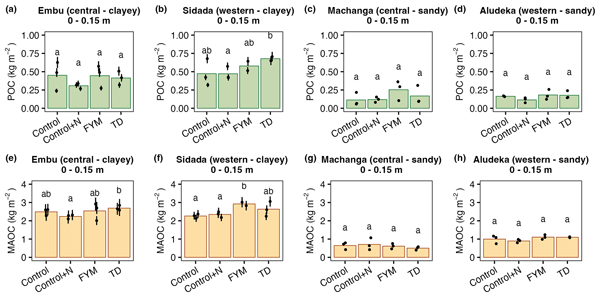
To improve soil health and increase crop yields, organic matter is commenly added to arable soils. Studying the effect of different organic resources on soil organic carbon sequestration in four long-term field trials in Kenya, we found that only a small portion (< 7 %) of added organic carbon was stabilised, which was only observed in the top 15 cm of the soil. These results underline the challenges associated with increasing the organic carbon content of tropical arable soils.
Claude Raoul Müller, Johan Six, Daniel Mugendi Njiru, Bernard Vanlauwe, and Marijn Van de Broek
Biogeosciences, 22, 2733–2747, https://doi.org/10.5194/bg-22-2733-2025, https://doi.org/10.5194/bg-22-2733-2025, 2025
Short summary
Short summary
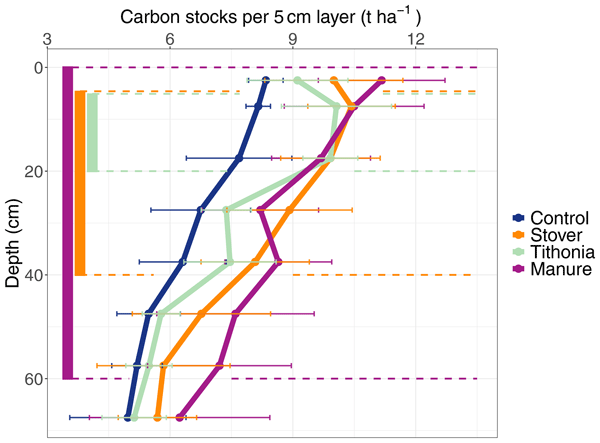
We studied how different organic and inorganic nutrient inputs affect soil organic carbon (SOC) down to 70 cm in Kenya. After 19 years, all organic treatments increased SOC stocks compared with the control, but mineral nitrogen had no significant effect. Manure was the organic treatment that significantly increased SOC at the deepest soil depths, as its effect could be observed down to 60 cm. Manure was the best strategy to limit SOC loss in croplands and maintain soil quality after deforestation.
Marijn Van de Broek, Gerard Govers, Marion Schrumpf, and Johan Six
Biogeosciences, 22, 1427–1446, https://doi.org/10.5194/bg-22-1427-2025, https://doi.org/10.5194/bg-22-1427-2025, 2025
Short summary
Short summary
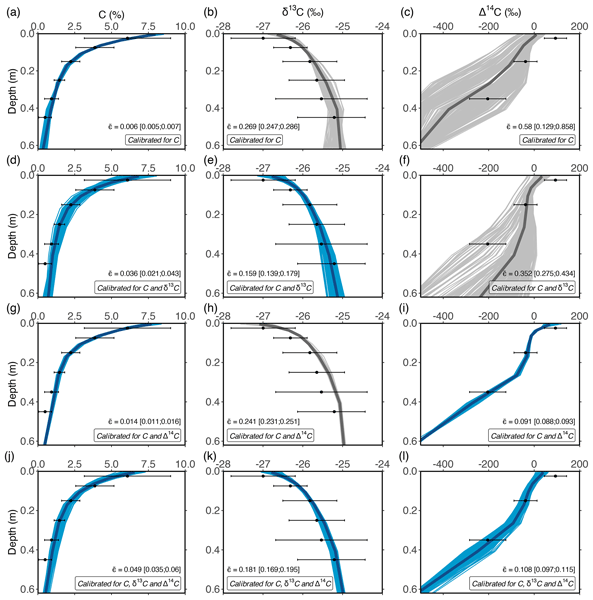
Soil organic carbon models are used to predict how soils affect the concentration of CO2 in the atmosphere. We show that equifinality – the phenomenon that different parameter values lead to correct overall model outputs, albeit with a different model behaviour – is an important source of model uncertainty. Our results imply that adding more complexity to soil organic carbon models is unlikely to lead to better predictions as long as more data to constrain model parameters are not available.
Moritz Laub, Magdalena Necpalova, Marijn Van de Broek, Marc Corbeels, Samuel Mathu Ndungu, Monicah Wanjiku Mucheru-Muna, Daniel Mugendi, Rebecca Yegon, Wycliffe Waswa, Bernard Vanlauwe, and Johan Six
Biogeosciences, 21, 3691–3716, https://doi.org/10.5194/bg-21-3691-2024, https://doi.org/10.5194/bg-21-3691-2024, 2024
Short summary
Short summary
We used the DayCent model to assess the potential impact of integrated soil fertility management (ISFM) on maize production, soil fertility, and greenhouse gas emission in Kenya. After adjustments, DayCent represented measured mean yields and soil carbon stock changes well and N2O emissions acceptably. Our results showed that soil fertility losses could be reduced but not completely eliminated with ISFM and that, while N2O emissions increased with ISFM, emissions per kilogram yield decreased.
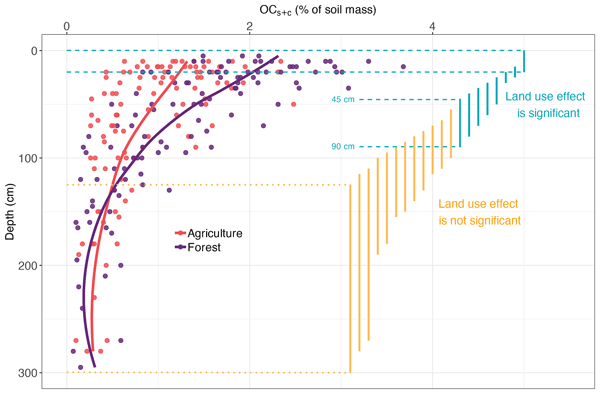
Claude Raoul Müller, Johan Six, Liesa Brosens, Philipp Baumann, Jean Paolo Gomes Minella, Gerard Govers, and Marijn Van de Broek
SOIL, 10, 349–365, https://doi.org/10.5194/soil-10-349-2024, https://doi.org/10.5194/soil-10-349-2024, 2024
Short summary
Short summary
Subsoils in the tropics are not as extensively studied as those in temperate regions. In this study, the conversion of forest to agriculture in a subtropical region affected the concentration of stabilized organic carbon (OC) down to 90 cm depth, while no significant differences between 90 cm and 300 cm were detected. Our results suggest that subsoils below 90 cm are unlikely to accumulate additional stabilized OC through reforestation over decadal periods due to declining OC input with depth.
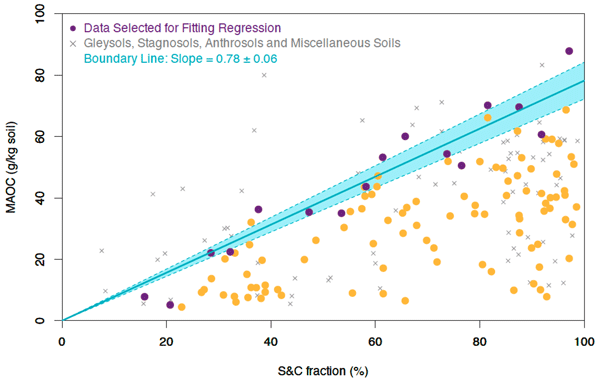
Johan Six, Sebastian Doetterl, Moritz Laub, Claude R. Müller, and Marijn Van de Broek
SOIL, 10, 275–279, https://doi.org/10.5194/soil-10-275-2024, https://doi.org/10.5194/soil-10-275-2024, 2024
Short summary
Short summary
Soil C saturation has been tested in several recent studies and led to a debate about its existence. We argue that, to test C saturation, one should pay attention to six fundamental principles: the right measures, the right units, the right dispersive energy and application, the right soil type, the right clay type, and the right saturation level. Once we take care of those six rights across studies, we find support for a maximum of C stabilized by minerals and thus soil C saturation.
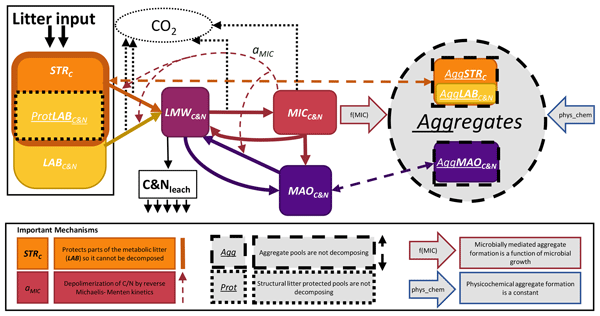
Moritz Laub, Sergey Blagodatsky, Marijn Van de Broek, Samuel Schlichenmaier, Benjapon Kunlanit, Johan Six, Patma Vityakon, and Georg Cadisch
Geosci. Model Dev., 17, 931–956, https://doi.org/10.5194/gmd-17-931-2024, https://doi.org/10.5194/gmd-17-931-2024, 2024
Short summary
Short summary
To manage soil organic matter (SOM) sustainably, we need a better understanding of the role that soil microbes play in aggregate protection. Here, we propose the SAMM model, which connects soil aggregate formation to microbial growth. We tested it against data from a tropical long-term experiment and show that SAMM effectively represents the microbial growth, SOM, and aggregate dynamics and that it can be used to explore the importance of aggregate formation in SOM stabilization.

Moritz Laub, Marc Corbeels, Antoine Couëdel, Samuel Mathu Ndungu, Monicah Wanjiku Mucheru-Muna, Daniel Mugendi, Magdalena Necpalova, Wycliffe Waswa, Marijn Van de Broek, Bernard Vanlauwe, and Johan Six
SOIL, 9, 301–323, https://doi.org/10.5194/soil-9-301-2023, https://doi.org/10.5194/soil-9-301-2023, 2023
Short summary
Short summary
In sub-Saharan Africa, long-term low-input maize cropping threatens soil fertility. We studied how different quality organic inputs combined with mineral N fertilizer could counteract this. Farmyard manure was the best input to counteract soil carbon loss; mineral N fertilizer had no effect on carbon. Yet, the rates needed to offset soil carbon losses are unrealistic for farmers (>10 t of dry matter per hectare and year). Additional agronomic measures may be needed.
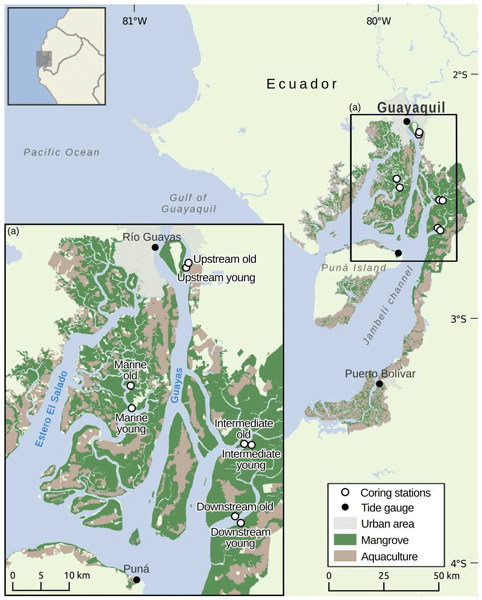
Rey Harvey Suello, Simon Lucas Hernandez, Steven Bouillon, Jean-Philippe Belliard, Luis Dominguez-Granda, Marijn Van de Broek, Andrea Mishell Rosado Moncayo, John Ramos Veliz, Karem Pollette Ramirez, Gerard Govers, and Stijn Temmerman
Biogeosciences, 19, 1571–1585, https://doi.org/10.5194/bg-19-1571-2022, https://doi.org/10.5194/bg-19-1571-2022, 2022
Short summary
Short summary
This research shows indications that the age of the mangrove forest and its position along a deltaic gradient (upstream–downstream) play a vital role in the amount and sources of carbon stored in the mangrove sediments. Our findings also imply that carbon capture by the mangrove ecosystem itself contributes partly but relatively little to long-term sediment organic carbon storage. This finding is particularly relevant for budgeting the potential of mangrove ecosystems to mitigate climate change.
Florian Lauryssen, Philippe Crombé, Tom Maris, Elliot Van Maldegem, Marijn Van de Broek, Stijn Temmerman, and Erik Smolders
Biogeosciences, 19, 763–776, https://doi.org/10.5194/bg-19-763-2022, https://doi.org/10.5194/bg-19-763-2022, 2022
Short summary
Short summary
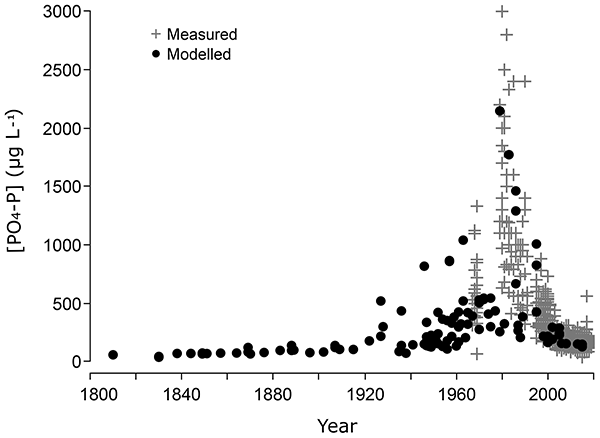
Surface waters in lowland regions have a poor surface water quality, mainly due to excess nutrients like phosphate. Therefore, we wanted to know the phosphate levels without humans, also called the pre-industrial background. Phosphate binds strongly to sediment particles, suspended in the river water. In this research we used sediments deposited by a river as an archive for surface water phosphate back to 1800 CE. Pre-industrial phosphate levels were estimated at one-third of the modern levels.
Jize Jiang, Lenny H. E. Winkel, Chloé Wüst-Galley, Daniel Bretscher, Magdalena Necpalova, Andrea Stenke, and Johan Six
Biogeosciences, 23, 6741–6761, https://doi.org/10.5194/bg-23-6741-2026, https://doi.org/10.5194/bg-23-6741-2026, 2026
Short summary
Short summary
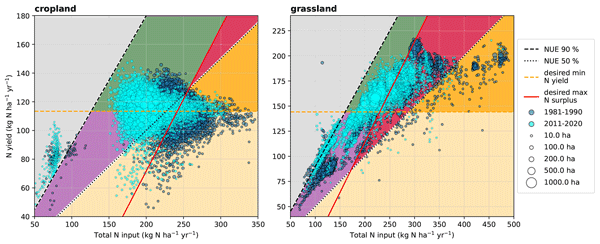
We studied nitrogen use in Swiss agriculture for four decades using detailed data and modelling. We found that nitrogen use efficiency improved, while nitrogen losses decreased. Yet, modelling results suggested that cropland soils may lose nitrogen. The results show that policies implementation benefited productivity and reduced pollution. On the other hand, soil nitrogen balance should also be monitored, underscoring the need for integrated nitrogen management.
Jize Jiang, Lenny H. E. Winkel, Andrea Stenke, Magdalena Necpalova, Moritz Laub, Iris Feigenwinter, Nina Buchmann, and Johan Six
EGUsphere, https://doi.org/10.5194/egusphere-2026-4445, https://doi.org/10.5194/egusphere-2026-4445, 2026
Short summary
Short summary
We studied how fertiliser management and a warming climate affect nitrous oxide emissions from agricultural soils in Switzerland over the past fourty years. Using computer simulations and nationwide data, we found that lower fertiliser use reduced emissions, but rising temperatures cancelled part of these mitigations. The results show a trade-off between mitigation actions and environmental-driven feedback, highlighting future efforts must also account for the effects of a changing climate.
Laura Summerauer, Fernando Bamba, Bendicto Akoraebirungi, Ahurra Wobusobozi, Marijn Bauters, Travis William Drake, Negar Haghipour, Clovis Kabaseke, Daniel Muhindo, Landry Cizungu Ntaboba, Leonardo Ramirez-Lopez, Johan Six, Daniel Wasner, and Sebastian Doetterl
Biogeosciences, 23, 3907–3938, https://doi.org/10.5194/bg-23-3907-2026, https://doi.org/10.5194/bg-23-3907-2026, 2026
Short summary
Short summary
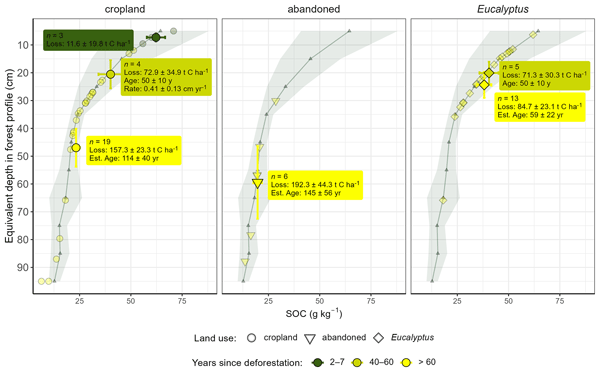
Deforestation for croplands on tropical hillslopes causes severe soil degradation and loss of fertile topsoil. We found that this leads to a steep decline in soil fertility, including organic carbon, nitrogen, and phosphorus. This makes the land unproductive, often leading farmers to abandon it. Replanting with Eucalyptus trees doesn't restore fertility. This degradation leads to cropland lifespans of only 145±56 years and poses a serious threat to future food production.
Mosisa Tujuba Wakjira, Renske Hijbeek, Joost van Heerwaarden, John Koestel, Sara Bonetti, Johan Six, and Katrien Descheemaeker
EGUsphere, https://doi.org/10.5194/egusphere-2026-2816, https://doi.org/10.5194/egusphere-2026-2816, 2026
Short summary
Short summary
Nowadays, minimizing agricultural soil tillage is widely promoted but often leads to lower crop yields. This study combines experimental evidence globally to identify soil-related causes of these yield declines. Results show that minimized tillage, especially without leaving crop residues on the field, can cause soil compaction, limiting root growth and the movement of air and water needed by crops. This suggests that conservation agriculture should only be applied where suitable.
Eric Rahn, Mirjam Pulleman, Gabriel Y. K. Moinet, Rémi Cardinael, Dick Brus, Stefan Hauser, Johan Six, José Francisco Valle Pilia, Estephania Nieto, and Isabela Otero
EGUsphere, https://doi.org/10.5194/egusphere-2026-1479, https://doi.org/10.5194/egusphere-2026-1479, 2026
This preprint is open for discussion and under review for SOIL (SOIL).
Short summary
Short summary
To improve understanding of how coffee farming affects soil carbon storage, we reviewed 80 studies and found large differences in methods and reporting. Based on this evidence, we propose clear guidance for future research, including better study design, deeper soil sampling, careful measurement of soil density, and transparent reporting. Stronger and more consistent methods are needed so that research can produce reliable evidence to guide climate policy and sustainable coffee management.
Marijn Van de Broek, Fiona Stewart-Smith, Moritz Laub, Marc Corbeels, Monicah Wanjiku Mucheru-Muna, Daniel Mugendi, Wycliffe Waswa, Bernard Vanlauwe, and Johan Six
SOIL, 12, 187–204, https://doi.org/10.5194/soil-12-187-2026, https://doi.org/10.5194/soil-12-187-2026, 2026
Short summary
Short summary
To improve soil health and increase crop yields, organic matter is commenly added to arable soils. Studying the effect of different organic resources on soil organic carbon sequestration in four long-term field trials in Kenya, we found that only a small portion (< 7 %) of added organic carbon was stabilised, which was only observed in the top 15 cm of the soil. These results underline the challenges associated with increasing the organic carbon content of tropical arable soils.
Nathan Carlier, Matti Barthel, Antoine de Clippele, Lissie Willemijn de Groot, Travis William Drake, Jordon Dennis Hemingway, Yi Hou, José Nlandu Wabakanghanzi, Joseph Zambo Mandea, Pengzhi Zhao, Johan Six, and Kristof Van Oost
EGUsphere, https://doi.org/10.5194/egusphere-2026-247, https://doi.org/10.5194/egusphere-2026-247, 2026
Short summary
Short summary
The Congo River Basin, a region of global significance, is undergoing a strong increase in population, which will in turn increase soil erosion, impacting soil fertility and the carbon cycle. We examined river sediment (eroded soil) transport, whereby we provided information on the main contributors of sediment to the Congo River. We also highlighted the role of a swampy region which removes large amounts of sediment from the water, acting as a regulator sediment transport to the Congo River.
Antoine de Clippele, Astrid C. H. Jaeger, Simon Baumgartner, Marijn Bauters, Pascal Boeckx, Clement Botefa, Glenn Bush, Jessica Carilli, Travis W. Drake, Christian Ekamba, Gode Lompoko, Nivens Bey Mukwiele, Kristof Van Oost, Roland A. Werner, Joseph Zambo, Johan Six, and Matti Barthel
Biogeosciences, 22, 3011–3027, https://doi.org/10.5194/bg-22-3011-2025, https://doi.org/10.5194/bg-22-3011-2025, 2025
Short summary
Short summary
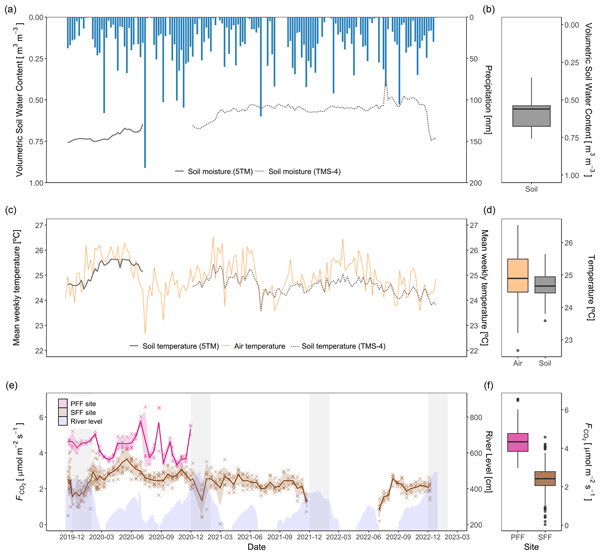
Tropical forest soils as a large terrestrial source of carbon dioxide (CO2) contribute to the global greenhouse gas budget. Despite this, carbon flux data from forested wetlands are scarce in tropical Africa. The study presents 3 years of semi-continuous measurements of surface CO2 fluxes within the Congo Basin. Although no seasonal patterns were evident, our results show a positive effect of soil temperature and moisture, while a quadratic relationship was observed with the water table.
Claude Raoul Müller, Johan Six, Daniel Mugendi Njiru, Bernard Vanlauwe, and Marijn Van de Broek
Biogeosciences, 22, 2733–2747, https://doi.org/10.5194/bg-22-2733-2025, https://doi.org/10.5194/bg-22-2733-2025, 2025
Short summary
Short summary
We studied how different organic and inorganic nutrient inputs affect soil organic carbon (SOC) down to 70 cm in Kenya. After 19 years, all organic treatments increased SOC stocks compared with the control, but mineral nitrogen had no significant effect. Manure was the organic treatment that significantly increased SOC at the deepest soil depths, as its effect could be observed down to 60 cm. Manure was the best strategy to limit SOC loss in croplands and maintain soil quality after deforestation.
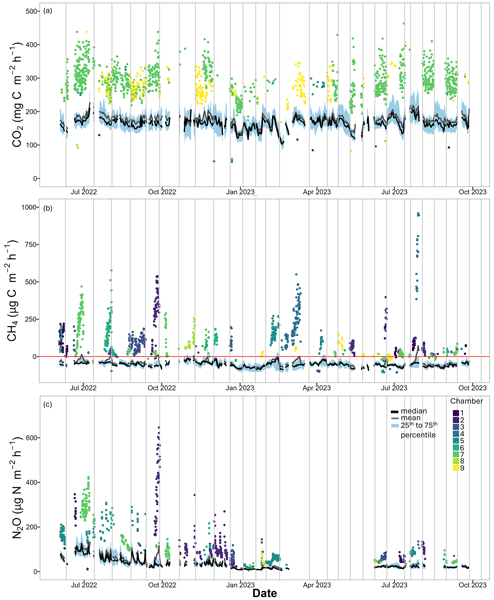
Roxanne Daelman, Marijn Bauters, Matti Barthel, Emmanuel Bulonza, Lodewijk Lefevre, José Mbifo, Johan Six, Klaus Butterbach-Bahl, Benjamin Wolf, Ralf Kiese, and Pascal Boeckx
Biogeosciences, 22, 1529–1542, https://doi.org/10.5194/bg-22-1529-2025, https://doi.org/10.5194/bg-22-1529-2025, 2025
Short summary
Short summary
The increase in atmospheric concentrations of several greenhouse gases (GHGs) since 1750 is attributed to human activity. However, natural ecosystems, such as tropical forests, also contribute to GHG budgets. The Congo Basin hosts the second largest tropical forest and is understudied. In this study, measurements of soil GHG exchange were carried out during 16 months in a tropical forest in the Congo Basin. Overall, the soil acted as a major source of CO2 and N2O and a minor sink of CH4.
Marijn Van de Broek, Gerard Govers, Marion Schrumpf, and Johan Six
Biogeosciences, 22, 1427–1446, https://doi.org/10.5194/bg-22-1427-2025, https://doi.org/10.5194/bg-22-1427-2025, 2025
Short summary
Short summary
Soil organic carbon models are used to predict how soils affect the concentration of CO2 in the atmosphere. We show that equifinality – the phenomenon that different parameter values lead to correct overall model outputs, albeit with a different model behaviour – is an important source of model uncertainty. Our results imply that adding more complexity to soil organic carbon models is unlikely to lead to better predictions as long as more data to constrain model parameters are not available.
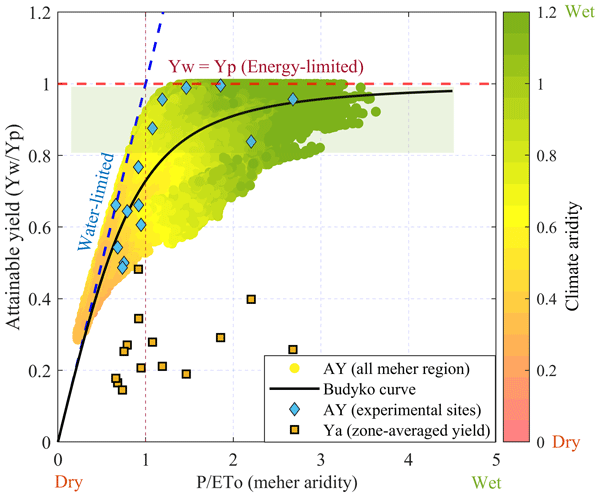
Mosisa Tujuba Wakjira, Nadav Peleg, Johan Six, and Peter Molnar
Hydrol. Earth Syst. Sci., 29, 863–886, https://doi.org/10.5194/hess-29-863-2025, https://doi.org/10.5194/hess-29-863-2025, 2025
Short summary
Short summary
In this study, we implement a climate, water, and crop interaction model to evaluate current conditions and project future changes in rainwater availability and its yield potential, with the goal of informing adaptation policies and strategies in Ethiopia. Although climate change is likely to increase rainfall in Ethiopia, our findings suggest that water-scarce croplands in Ethiopia are expected to face reduced crop yields during the main growing season due to increases in temperature.
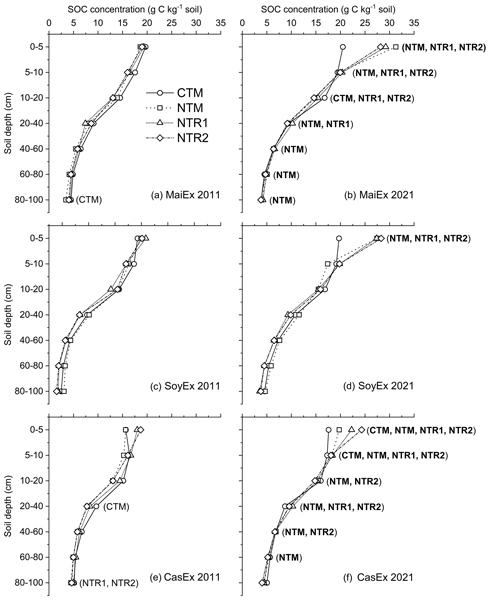
Vira Leng, Rémi Cardinael, Florent Tivet, Vang Seng, Phearum Mark, Pascal Lienhard, Titouan Filloux, Johan Six, Lyda Hok, Stéphane Boulakia, Clever Briedis, João Carlos de Moraes Sá, and Laurent Thuriès
SOIL, 10, 699–725, https://doi.org/10.5194/soil-10-699-2024, https://doi.org/10.5194/soil-10-699-2024, 2024
Short summary
Short summary
We assessed the long-term impacts of no-till cropping systems on soil organic carbon and nitrogen dynamics down to 1 m depth under the annual upland crop productions (cassava, maize, and soybean) in the tropical climate of Cambodia. We showed that no-till systems combined with rotations and cover crops could store large amounts of carbon in the top and subsoil in both the mineral organic matter and particulate organic matter fractions. We also question nitrogen management in these systems.
Moritz Laub, Magdalena Necpalova, Marijn Van de Broek, Marc Corbeels, Samuel Mathu Ndungu, Monicah Wanjiku Mucheru-Muna, Daniel Mugendi, Rebecca Yegon, Wycliffe Waswa, Bernard Vanlauwe, and Johan Six
Biogeosciences, 21, 3691–3716, https://doi.org/10.5194/bg-21-3691-2024, https://doi.org/10.5194/bg-21-3691-2024, 2024
Short summary
Short summary
We used the DayCent model to assess the potential impact of integrated soil fertility management (ISFM) on maize production, soil fertility, and greenhouse gas emission in Kenya. After adjustments, DayCent represented measured mean yields and soil carbon stock changes well and N2O emissions acceptably. Our results showed that soil fertility losses could be reduced but not completely eliminated with ISFM and that, while N2O emissions increased with ISFM, emissions per kilogram yield decreased.
Claude Raoul Müller, Johan Six, Liesa Brosens, Philipp Baumann, Jean Paolo Gomes Minella, Gerard Govers, and Marijn Van de Broek
SOIL, 10, 349–365, https://doi.org/10.5194/soil-10-349-2024, https://doi.org/10.5194/soil-10-349-2024, 2024
Short summary
Short summary
Subsoils in the tropics are not as extensively studied as those in temperate regions. In this study, the conversion of forest to agriculture in a subtropical region affected the concentration of stabilized organic carbon (OC) down to 90 cm depth, while no significant differences between 90 cm and 300 cm were detected. Our results suggest that subsoils below 90 cm are unlikely to accumulate additional stabilized OC through reforestation over decadal periods due to declining OC input with depth.
Johan Six, Sebastian Doetterl, Moritz Laub, Claude R. Müller, and Marijn Van de Broek
SOIL, 10, 275–279, https://doi.org/10.5194/soil-10-275-2024, https://doi.org/10.5194/soil-10-275-2024, 2024
Short summary
Short summary
Soil C saturation has been tested in several recent studies and led to a debate about its existence. We argue that, to test C saturation, one should pay attention to six fundamental principles: the right measures, the right units, the right dispersive energy and application, the right soil type, the right clay type, and the right saturation level. Once we take care of those six rights across studies, we find support for a maximum of C stabilized by minerals and thus soil C saturation.
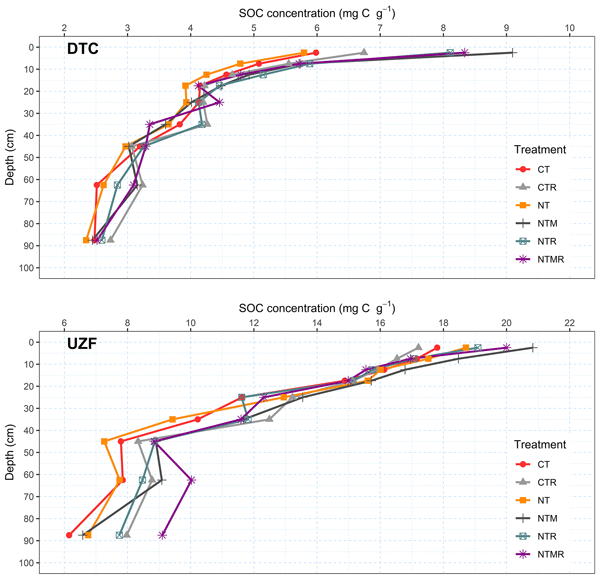
Armwell Shumba, Regis Chikowo, Christian Thierfelder, Marc Corbeels, Johan Six, and Rémi Cardinael
SOIL, 10, 151–165, https://doi.org/10.5194/soil-10-151-2024, https://doi.org/10.5194/soil-10-151-2024, 2024
Short summary
Short summary
Conservation agriculture (CA), combining reduced or no tillage, permanent soil cover, and improved rotations, is often promoted as a climate-smart practice. However, our knowledge of the impact of CA on top- and subsoil soil organic carbon (SOC) stocks in the low-input cropping systems of sub-Saharan Africa is rather limited. Using two long-term experimental sites with different soil types, we found that mulch could increase top SOC stocks, but no tillage alone had a slightly negative impact.
Moritz Laub, Sergey Blagodatsky, Marijn Van de Broek, Samuel Schlichenmaier, Benjapon Kunlanit, Johan Six, Patma Vityakon, and Georg Cadisch
Geosci. Model Dev., 17, 931–956, https://doi.org/10.5194/gmd-17-931-2024, https://doi.org/10.5194/gmd-17-931-2024, 2024
Short summary
Short summary
To manage soil organic matter (SOM) sustainably, we need a better understanding of the role that soil microbes play in aggregate protection. Here, we propose the SAMM model, which connects soil aggregate formation to microbial growth. We tested it against data from a tropical long-term experiment and show that SAMM effectively represents the microbial growth, SOM, and aggregate dynamics and that it can be used to explore the importance of aggregate formation in SOM stabilization.
Moritz Laub, Marc Corbeels, Antoine Couëdel, Samuel Mathu Ndungu, Monicah Wanjiku Mucheru-Muna, Daniel Mugendi, Magdalena Necpalova, Wycliffe Waswa, Marijn Van de Broek, Bernard Vanlauwe, and Johan Six
SOIL, 9, 301–323, https://doi.org/10.5194/soil-9-301-2023, https://doi.org/10.5194/soil-9-301-2023, 2023
Short summary
Short summary
In sub-Saharan Africa, long-term low-input maize cropping threatens soil fertility. We studied how different quality organic inputs combined with mineral N fertilizer could counteract this. Farmyard manure was the best input to counteract soil carbon loss; mineral N fertilizer had no effect on carbon. Yet, the rates needed to offset soil carbon losses are unrealistic for farmers (>10 t of dry matter per hectare and year). Additional agronomic measures may be needed.
Kristof Van Oost and Johan Six
Biogeosciences, 20, 635–646, https://doi.org/10.5194/bg-20-635-2023, https://doi.org/10.5194/bg-20-635-2023, 2023
Short summary
Short summary
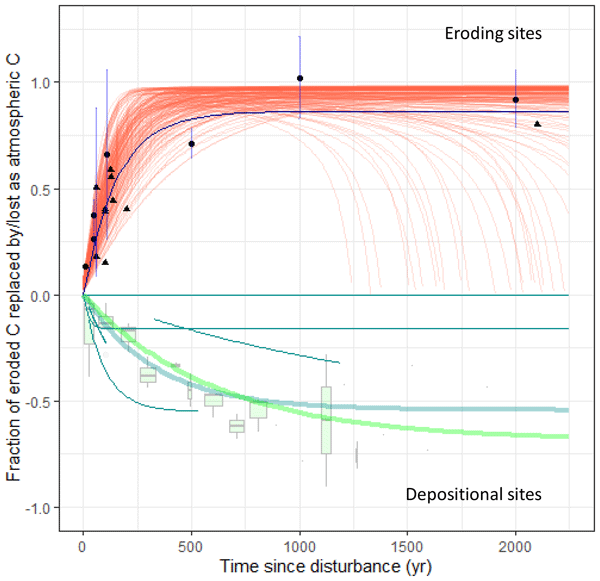
The direction and magnitude of the net erosion-induced land–atmosphere C exchange have been the topic of a big scientific debate for more than a decade now. Many have assumed that erosion leads to a loss of soil carbon to the atmosphere, whereas others have shown that erosion ultimately leads to a carbon sink. Here, we show that the soil carbon erosion source–sink paradox is reconciled when the broad range of temporal and spatial scales at which the underlying processes operate are considered.
Charlotte Decock, Juhwan Lee, Matti Barthel, Elizabeth Verhoeven, Franz Conen, and Johan Six
Biogeosciences Discuss., https://doi.org/10.5194/bg-2022-221, https://doi.org/10.5194/bg-2022-221, 2022
Preprint withdrawn
Short summary
Short summary
One of the least well understood processes in the nitrogen (N) cycle is the loss of nitrogen gas (N2), referred to as total denitrification. This is mainly due to the difficulty of quantifying total denitrification in situ. In this study, we developed and tested a novel modeling approach to estimate total denitrification over the depth profile, based on concentrations and isotope values of N2O. Our method will help close N budgets and identify management strategies that reduce N pollution.
Tegawende Léa Jeanne Ilboudo, Lucien NGuessan Diby, Delwendé Innocent Kiba, Tor Gunnar Vågen, Leigh Ann Winowiecki, Hassan Bismarck Nacro, Johan Six, and Emmanuel Frossard
EGUsphere, https://doi.org/10.5194/egusphere-2022-209, https://doi.org/10.5194/egusphere-2022-209, 2022
Preprint withdrawn
Short summary
Short summary
Our results showed that at landscape level SOC stock variability was mainly explained by clay content. We found significant linear positive relationships between VC and SOC stocks for the land uses annual croplands, perennial croplands, grasslands and bushlands without soil depth restrictions until 110 cm. We concluded that in the forest-savanna transition zone, soil properties and topography determine land use, which in turn affects the stocks of SOC and TN and to some extent the VC stocks.
Rey Harvey Suello, Simon Lucas Hernandez, Steven Bouillon, Jean-Philippe Belliard, Luis Dominguez-Granda, Marijn Van de Broek, Andrea Mishell Rosado Moncayo, John Ramos Veliz, Karem Pollette Ramirez, Gerard Govers, and Stijn Temmerman
Biogeosciences, 19, 1571–1585, https://doi.org/10.5194/bg-19-1571-2022, https://doi.org/10.5194/bg-19-1571-2022, 2022
Short summary
Short summary
This research shows indications that the age of the mangrove forest and its position along a deltaic gradient (upstream–downstream) play a vital role in the amount and sources of carbon stored in the mangrove sediments. Our findings also imply that carbon capture by the mangrove ecosystem itself contributes partly but relatively little to long-term sediment organic carbon storage. This finding is particularly relevant for budgeting the potential of mangrove ecosystems to mitigate climate change.
Florian Lauryssen, Philippe Crombé, Tom Maris, Elliot Van Maldegem, Marijn Van de Broek, Stijn Temmerman, and Erik Smolders
Biogeosciences, 19, 763–776, https://doi.org/10.5194/bg-19-763-2022, https://doi.org/10.5194/bg-19-763-2022, 2022
Short summary
Short summary
Surface waters in lowland regions have a poor surface water quality, mainly due to excess nutrients like phosphate. Therefore, we wanted to know the phosphate levels without humans, also called the pre-industrial background. Phosphate binds strongly to sediment particles, suspended in the river water. In this research we used sediments deposited by a river as an archive for surface water phosphate back to 1800 CE. Pre-industrial phosphate levels were estimated at one-third of the modern levels.
Philipp Baumann, Juhwan Lee, Emmanuel Frossard, Laurie Paule Schönholzer, Lucien Diby, Valérie Kouamé Hgaza, Delwende Innocent Kiba, Andrew Sila, Keith Sheperd, and Johan Six
SOIL, 7, 717–731, https://doi.org/10.5194/soil-7-717-2021, https://doi.org/10.5194/soil-7-717-2021, 2021
Short summary
Short summary
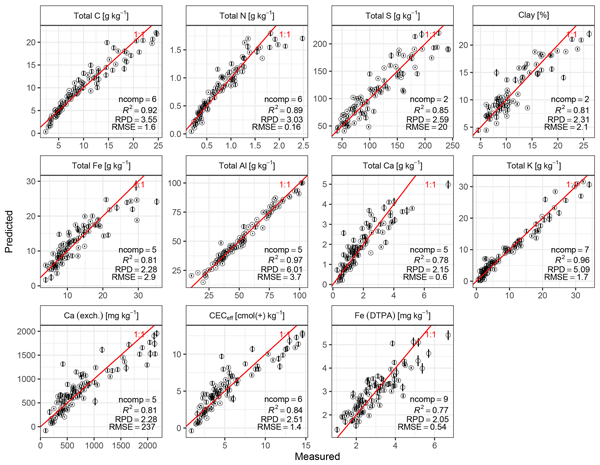
This work delivers openly accessible and validated calibrations for diagnosing 26 soil properties based on mid-infrared spectroscopy. These were developed for four regions in Burkina Faso and Côte d'Ivoire, including 80 fields of smallholder farmers. The models can help to site-specifically and cost-efficiently monitor soil quality and fertility constraints to ameliorate soils and yields of yam or other staple crops in the four regions between the humid forest and the northern Guinean savanna.
Laura Summerauer, Philipp Baumann, Leonardo Ramirez-Lopez, Matti Barthel, Marijn Bauters, Benjamin Bukombe, Mario Reichenbach, Pascal Boeckx, Elizabeth Kearsley, Kristof Van Oost, Bernard Vanlauwe, Dieudonné Chiragaga, Aimé Bisimwa Heri-Kazi, Pieter Moonen, Andrew Sila, Keith Shepherd, Basile Bazirake Mujinya, Eric Van Ranst, Geert Baert, Sebastian Doetterl, and Johan Six
SOIL, 7, 693–715, https://doi.org/10.5194/soil-7-693-2021, https://doi.org/10.5194/soil-7-693-2021, 2021
Short summary
Short summary
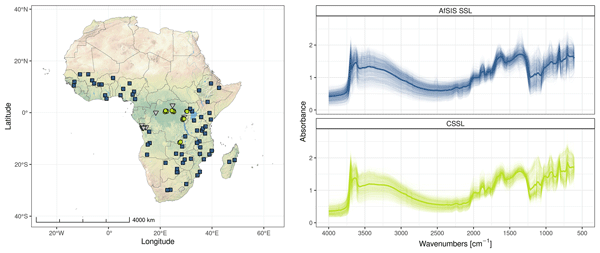
We present a soil mid-infrared library with over 1800 samples from central Africa in order to facilitate soil analyses of this highly understudied yet critical area. Together with an existing continental library, we demonstrate a regional analysis and geographical extrapolation to predict total carbon and nitrogen. Our results show accurate predictions and highlight the value that the data contribute to existing libraries. Our library is openly available for public use and for expansion.
Cited articles
Abramoff, R. Z., Guenet, B., Zhang, H., Georgiou, K., Xu, X., Viscarra Rossel, R. A., Yuan, W., and Ciais, P.: Improved global-scale predictions of soil carbon stocks with Millennial Version 2, Soil Biol. Biochem., 164, 108466, https://doi.org/10.1016/j.soilbio.2021.108466, 2022. a, b, c
Ahrens, B., Reichstein, M., Borken, W., Muhr, J., Trumbore, S. E., and Wutzler, T.: Bayesian calibration of a soil organic carbon model using Δ14C measurements of soil organic carbon and heterotrophic respiration as joint constraints, Biogeosciences, 11, 2147–2168, https://doi.org/10.5194/bg-11-2147-2014, 2014. a, b, c, d
Ahrens, B., Braakhekke, M. C., Guggenberger, G., Schrumpf, M., and Reichstein, M.: Contribution of sorption, DOC transport and microbial interactions to the 14C age of a soil organic carbon profile: Insights from a calibrated process model, Soil Biol. Biochem., 88, 390–402, https://doi.org/10.1016/j.soilbio.2015.06.008, 2015. a, b
Ahrens, B., Guggenberger, G., Rethemeyer, J., John, S., Marschner, B., Heinze, S., Angst, G., Mueller, C. W., Kögel-Knabner, I., Leuschner, C., Hertel, D., Bachmann, J., Reichstein, M., and Schrumpf, M.: Combination of energy limitation and sorption capacity explains 14C depth gradients, Soil Biol. Biochem., 148, 107912, https://doi.org/10.1016/j.soilbio.2020.107912, 2020. a
Allison, S. D., Wallenstein, M. D., and Bradford, M. A.: Soil-carbon response to warming dependent on microbial physiology, Nat. Geosci., 3, 336–340, https://doi.org/10.1038/ngeo846, 2010. a
Ardia, D., Boudt, K., Carl, P., Mullen, K. M., and Peterson, B. G.: Differential Evolution with DEoptim: An Application to Non-Convex Portfolio Optimization, R J., 3, 27–34, https://doi.org/10.32614/RJ-2011-005, 2011. a
Balesdent, J., Basile-Doelsch, I., Chadoeuf, J., Cornu, S., Derrien, D., Fekiacova, Z., and Hatté, C.: Atmosphere–soil carbon transfer as a function of soil depth, Nature, 559, 599–602, https://doi.org/10.1038/s41586-018-0328-3, 2018. a
Baveye, P. C.: Ecosystem-scale modelling of soil carbon dynamics: Time for a radical shift of perspective?, Soil Biol. Biochem., 184, 109112, https://doi.org/10.1016/j.soilbio.2023.109112, 2023. a, b
Beck, M. B.: Water quality modeling: A review of the analysis of uncertainty, Water Resour. Res., 23, 1393–1442, https://doi.org/10.1029/WR023i008p01393, 1987. a, b
Bellman, R. and Åström, K. J.: On structural identifiability, Math. Biosci., 7, 329–339, https://doi.org/10.1016/0025-5564(70)90132-X, 1970. a
Beven, K.: Prophecy, reality and uncertainty in distributed hydrological modelling, Adv. Water Resour., 16, 41–51, https://doi.org/10.1016/0309-1708(93)90028-E, 1993. a
Beven, K.: Towards a coherent philosophy for modelling the environment, Proceedings of the Royal Society of London. Series A: Mathematical, Physical and Engineering Sciences, 458, 2465–2484, https://doi.org/10.1098/rspa.2002.0986, 2002. a, b
Beven, K.: A manifesto for the equifinality thesis, J. Hydrol., 320, 18–36, https://doi.org/10.1016/j.jhydrol.2005.07.007, 2006. a, b, c, d
Beven, K.: Towards integrated environmental models of everywhere: uncertainty, data and modelling as a learning process, Hydrol. Earth Syst. Sci., 11, 460–467, https://doi.org/10.5194/hess-11-460-2007, 2007. a
Beven, K. and Binley, A.: The future of distributed models: Model calibration and uncertainty prediction, Hydrol. Process., 6, 279–298, https://doi.org/10.1002/hyp.3360060305, 1992. a
Blankinship, J. C., Berhe, A. A., Crow, S. E., Druhan, J. L., Heckman, K. A., Keiluweit, M., Lawrence, C. R., Marín-Spiotta, E., Plante, A. F., Rasmussen, C., Schädel, C., Schimel, J. P., Sierra, C. A., Thompson, A., Wagai, R., and Wieder, W. R.: Improving understanding of soil organic matter dynamics by triangulating theories, measurements, and models, Biogeochemistry, 140, 1–13, https://doi.org/10.1007/s10533-018-0478-2, 2018. a
Braakhekke, M. C., Wutzler, T., Beer, C., Kattge, J., Schrumpf, M., Ahrens, B., Schöning, I., Hoosbeek, M. R., Kruijt, B., Kabat, P., and Reichstein, M.: Modeling the vertical soil organic matter profile using Bayesian parameter estimation, Biogeosciences, 10, 399–420, https://doi.org/10.5194/bg-10-399-2013, 2013. a, b
Braakhekke, M. C., Beer, C., Schrumpf, M., Ekici, A., Ahrens, B., Hoosbeek, M. R., Kruijt, B., Kabat, P., and Reichstein, M.: The use of radiocarbon to constrain current and future soil organic matter turnover and transport in a temperate forest, J. Geophys. Res.-Biogeo., 119, 372–391, https://doi.org/10.1002/2013JG002420, 2014. a, b, c, d
Bradford, M. A., Wieder, W. R., Bonan, G. B., Fierer, N., Raymond, P. A., and Crowther, T. W.: Managing uncertainty in soil carbon feedbacks to climate change, Nat. Clim. Change, 6, 751–758, https://doi.org/10.1038/nclimate3071, 2016. a, b
Brazier, R. E., Beven, K. J., Freer, J., and Rowan, J. S.: Equifinality and uncertainty in physically based soil erosion models: application of the GLUE methodology to WEPP – the Water Erosion Prediction Project – for sites in the UK and USA, Earth Surf. Processes, 25, 825–845, https://doi.org/10.1002/1096-9837(200008)25:8<825::AID-ESP101>3.0.CO;2-3, 2000. a
Browning, A. P., Warne, D. J., Burrage, K., Baker, R. E., and Simpson, M. J.: Identifiability analysis for stochastic differential equation models in systems biology, J. Roy. Soc. Interface, 17, 20200652, https://doi.org/10.1098/rsif.2020.0652, 2020. a
Brun, R., Kühni, M., Siegrist, H., Gujer, W., and Reichert, P.: Practical identifiability of ASM2d parameters – systematic selection and tuning of parameter subsets, Water Res., 36, 4113–4127, https://doi.org/10.1016/S0043-1354(02)00104-5, 2002. a
Brunmayr, A. S., Hagedorn, F., Moreno Duborgel, M., Minich, L. I., and Graven, H. D.: Radiocarbon analysis reveals underestimation of soil organic carbon persistence in new-generation soil models, Geosci. Model Dev., 17, 5961–5985, https://doi.org/10.5194/gmd-17-5961-2024, 2024. a, b
Buchkowski, R. W., Bradford, M. A., Grandy, A. S., Schmitz, O. J., and Wieder, W. R.: Applying population and community ecology theory to advance understanding of belowground biogeochemistry, Ecol. Lett., 20, 231–245, https://doi.org/10.1111/ele.12712, 2017. a
Campbell, E. E. and Paustian, K.: Current developments in soil organic matter modeling and the expansion of model applications: a review, Environ. Res. Lett., 10, 123004, https://doi.org/10.1088/1748-9326/10/12/123004, 2015. a, b
Chandel, A. K., Jiang, L., and Luo, Y.: Microbial Models for Simulating Soil Carbon Dynamics: A Review, J. Geophys. Res.-Biogeo., 128, e2023JG007436, https://doi.org/10.1029/2023JG007436, 2023. a, b, c
Chen, S., Chen, Z., Zhang, X., Luo, Z., Schillaci, C., Arrouays, D., Richer-de-Forges, A. C., and Shi, Z.: European topsoil bulk density and organic carbon stock database (0–20 cm) using machine-learning-based pedotransfer functions, Earth Syst. Sci. Data, 16, 2367–2383, https://doi.org/10.5194/essd-16-2367-2024, 2024. a
Cobelli, C., Lepschy, A., and Jacur, G. R.: Identifiability of compartmental systems and related structural properties, Math. Biosci., 44, 1–18, https://doi.org/10.1016/0025-5564(79)90026-9, 1979. a
Dankwa, E. A., Brouwer, A. F., and Donnelly, C. A.: Structural identifiability of compartmental models for infectious disease transmission is influenced by data type, Epidemics, 41, 100643, https://doi.org/10.1016/j.epidem.2022.100643, 2022. a
de Brogniez, D., Ballabio, C., Stevens, A., Jones, R. J. A., Montanarella, L., and van Wesemael, B.: A map of the topsoil organic carbon content of Europe generated by a generalized additive model, Eur. J. Soil Sci., 66, 121–134, https://doi.org/10.1111/ejss.12193, 2015. a
Delforge, J.: The problem of structural identifiability of a linear compartmental system: Solved or not?, Math. Biosci., 36, 119–125, https://doi.org/10.1016/0025-5564(77)90019-0, 1977. a
DiStefano, J. and Cobelli, C.: On parameter and structural identifiability: Nonunique observability/reconstructibility for identifiable systems, other ambiguities, and new definitions, IEEE T. Automat. Contr., 25, 830–833, https://doi.org/10.1109/TAC.1980.1102439, 1980. a
Dwivedi, D., Riley, W. J., Torn, M. S., Spycher, N., Maggi, F., and Tang, J. Y.: Mineral properties, microbes, transport, and plant-input profiles control vertical distribution and age of soil carbon stocks, Soil Biol. Biochem., 107, 244–259, https://doi.org/10.1016/j.soilbio.2016.12.019, iSBN: 0038-0717 Publisher: Elsevier Ltd, 2017. a
Famiglietti, C. A., Smallman, T. L., Levine, P. A., Flack-Prain, S., Quetin, G. R., Meyer, V., Parazoo, N. C., Stettz, S. G., Yang, Y., Bonal, D., Bloom, A. A., Williams, M., and Konings, A. G.: Optimal model complexity for terrestrial carbon cycle prediction, Biogeosciences, 18, 2727–2754, https://doi.org/10.5194/bg-18-2727-2021, 2021. a
Finzi, A. C., Abramoff, R. Z., Spiller, K. S., Brzostek, E. R., Darby, B. A., Kramer, M. A., and Phillips, R. P.: Rhizosphere processes are quantitatively important components of terrestrial carbon and nutrient cycles, Glob. Change Biol., 21, 2082–2094, https://doi.org/10.1111/gcb.12816, 2015. a
Garsia, A., Moinet, A., Vazquez, C., Creamer, R. E., and Moinet, G. Y. K.: The challenge of selecting an appropriate soil organic carbon simulation model: A comprehensive global review and validation assessment, Glob. Change Biol., 29, 5760–5774, https://doi.org/10.1111/gcb.16896, 2023. a
Georgiou, K., Abramoff, R. Z., Harte, J., Riley, W. J., and Torn, M. S.: Microbial community-level regulation explains soil carbon responses to long-term litter manipulations, Nat. Commun., 8, 1223, https://doi.org/10.1038/s41467-017-01116-z, 2017. a, b
Georgiou, K., Jackson, R. B., Vindušková, O., Abramoff, R. Z., Ahlström, A., Feng, W., Harden, J. W., Pellegrini, A. F. A., Polley, H. W., Soong, J. L., Riley, W. J., and Torn, M. S.: Global stocks and capacity of mineral-associated soil organic carbon, Nat. Commun., 13, 3797, https://doi.org/10.1038/s41467-022-31540-9, 2022. a
Guillaume, J. H. A., Jakeman, J. D., Marsili-Libelli, S., Asher, M., Brunner, P., Croke, B., Hill, M. C., Jakeman, A. J., Keesman, K. J., Razavi, S., and Stigter, J. D.: Introductory overview of identifiability analysis: A guide to evaluating whether you have the right type of data for your modeling purpose, Environ. Modell. Softw., 119, 418–432, https://doi.org/10.1016/j.envsoft.2019.07.007, 2019. a, b, c, d, e
Guo, X., Viscarra Rossel, R. A., Wang, G., Xiao, L., Wang, M., Zhang, S., and Luo, Z.: Particulate and mineral-associated organic carbon turnover revealed by modelling their long-term dynamics, Soil Biol. Biochem., 173, 108780, https://doi.org/10.1016/j.soilbio.2022.108780, 2022. a, b, c, d, e, f, g, h
Hammer, S. and Levin, I.: Monthly mean atmospheric d14CO2 at Jungfraujoch and Schauinsland from 1986 to 2016 [dataset], https://doi.org/10.11588/data/10100, 2017. a
Hansen, P. M., Even, R., King, A. E., Lavallee, J., Schipanski, M., and Cotrufo, M. F.: Distinct, direct and climate-mediated environmental controls on global particulate and mineral-associated organic carbon storage, Glob. Change Biol., 30, e17080, https://doi.org/10.1111/gcb.17080, 2024. a
Hartig, F., Minunno, F., and Paul, S.: BayesianTools: General-Purpose MCMC and SMC Samplers and Tools for Bayesian Statistics, R package version 0.1.8, https://CRAN.R-project.org/package=BayesianTools (last access: September 2026), 2023. a
He, Y., Trumbore, S. E., Torn, M. S., Harden, J. W., Vaughn, L. J. S., Allison, S. D., and Randerson, J. T.: Radiocarbon constraints imply reduced carbon uptake by soils during the 21st century, Science, 353, 1419–1424, https://doi.org/10.1126/science.aad4273, 2016. a, b
Hirte, J., Leifeld, J., Abiven, S., Oberholzer, H.-R., and Mayer, J.: Below ground carbon inputs to soil via root biomass and rhizodeposition of field-grown maize and wheat at harvest are independent of net primary productivity, Agr. Ecosyst. Environ., 265, 556–566, https://doi.org/10.1016/j.agee.2018.07.010, 2018. a
Holmberg, A.: On the practical identifiability of microbial growth models incorporating Michaelis–Menten type nonlinearities, Math. Biosci., 62, 23–43, https://doi.org/10.1016/0025-5564(82)90061-X, 1982. a
Hua, Q., Barbetti, M., and Rakowski, A. Z.: Atmospheric radiocarbon for the period 1950–2010, Radiocarbon, 55, 2059–2072, https://doi.org/10.2458/azu_js_rc.v55i2.16177, 2013. a
Jakeman, A. J. and Hornberger, G. M.: How much complexity is warranted in a rainfall-runoff model?, Water Resour. Res., 29, 2637–2649, https://doi.org/10.1029/93WR00877, 1993. a
Jakeman, A. J., Letcher, R. A., and Norton, J. P.: Ten iterative steps in development and evaluation of environmental models, Environ. Modell. Softw., 21, 602–614, https://doi.org/10.1016/j.envsoft.2006.01.004, 2006. a
Keel, S. G., Leifeld, J., Mayer, J., Taghizadeh-Toosi, A., and Olesen, J. E.: Large uncertainty in soil carbon modelling related to method of calculation of plant carbon input in agricultural systems, Eur. J. Soil Sci., 68, 953–963, https://doi.org/10.1111/ejss.12454, 2017. a
Kelleher, C., Wagener, T., McGlynn, B., Ward, A. S., Gooseff, M. N., and Payn, R. A.: Identifiability of transient storage model parameters along a mountain stream, Water Resour. Res., 49, 5290–5306, https://doi.org/10.1002/wrcr.20413, 2013. a
Kleissen, F. M., Beck, M. B., and Wheater, H. S.: The Identifiability of Conceptual Hydrochemical Models, Water Resour. Res., 26, 2979–2992, https://doi.org/10.1029/WR026i012p02979, 1990. a, b
Lam, N. N., Docherty, P. D., and Murray, R.: Practical identifiability of parametrised models: A review of benefits and limitations of various approaches, Math. Comput. Simulat., 199, 202–216, https://doi.org/10.1016/j.matcom.2022.03.020, 2022. a, b, c
Laub, M., Blagodatsky, S., Van de Broek, M., Schlichenmaier, S., Kunlanit, B., Six, J., Vityakon, P., and Cadisch, G.: SAMM version 1.0: a numerical model for microbial- mediated soil aggregate formation, Geosci. Model Dev., 17, 931–956, https://doi.org/10.5194/gmd-17-931-2024, 2024. a, b, c
Lawrence, C. R., Neff, J. C., and Schimel, J. P.: Does adding microbial mechanisms of decomposition improve soil organic matter models? A comparison of four models using data from a pulsed rewetting experiment, Soil Biol. Biochem., 41, 1923–1934, https://doi.org/10.1016/j.soilbio.2009.06.016, 2009. a
Lawrence, C. R., Beem-Miller, J., Hoyt, A. M., Monroe, G., Sierra, C. A., Stoner, S., Heckman, K., Blankinship, J. C., Crow, S. E., McNicol, G., Trumbore, S., Levine, P. A., Vindušková, O., Todd-Brown, K., Rasmussen, C., Hicks Pries, C. E., Schädel, C., McFarlane, K., Doetterl, S., Hatté, C., He, Y., Treat, C., Harden, J. W., Torn, M. S., Estop-Aragonés, C., Asefaw Berhe, A., Keiluweit, M., Della Rosa Kuhnen, Á., Marin-Spiotta, E., Plante, A. F., Thompson, A., Shi, Z., Schimel, J. P., Vaughn, L. J. S., von Fromm, S. F., and Wagai, R.: An open-source database for the synthesis of soil radiocarbon data: International Soil Radiocarbon Database (ISRaD) version 1.0, Earth Syst. Sci. Data, 12, 61–76, https://doi.org/10.5194/essd-12-61-2020, 2020. a, b
Le Noë, J., Manzoni, S., Abramoff, R., Bölscher, T., Bruni, E., Cardinael, R., Ciais, P., Chenu, C., Clivot, H., Derrien, D., Ferchaud, F., Garnier, P., Goll, D., Lashermes, G., Martin, M., Rasse, D., Rees, F., Sainte-Marie, J., Salmon, E., Schiedung, M., Schimel, J., Wieder, W., Abiven, S., Barré, P., Cécillon, L., and Guenet, B.: Soil organic carbon models need independent time-series validation for reliable prediction, Communications Earth and Environment, 4, 1–8, https://doi.org/10.1038/s43247-023-00830-5, 2023. a, b, c, d
Lennon, J. T., Abramoff, R. Z., Allison, S. D., Burckhardt, R. M., DeAngelis, K. M., Dunne, J. P., Frey, S. D., Friedlingstein, P., Hawkes, C. V., Hungate, B. A., Khurana, S., Kivlin, S. N., Levine, N. M., Manzoni, S., Martiny, A. C., Martiny, J. B. H., Nguyen, N. K., Rawat, M., Talmy, D., Todd-Brown, K., Vogt, M., Wieder, W. R., and Zakem, E. J.: Priorities, opportunities, and challenges for integrating microorganisms into Earth system models for climate change prediction, mBio, 15, e00455-24, https://doi.org/10.1128/mbio.00455-24, 2024. a
Lugato, E., Lavallee, J. M., Haddix, M. L., Panagos, P., and Cotrufo, M. F.: Different climate sensitivity of particulate and mineral-associated soil organic matter, Nat. Geosci., 14, 295–300, https://doi.org/10.1038/s41561-021-00744-x, 2021. a
Luo, Y., Weng, E., Wu, X., Gao, C., Zhou, X., and Zhang, L.: Parameter Identifiability, Constraint, and Equifinality in Data Assimilation with Ecosystem Models, Ecol. Appl., 19, 571–574, https://www.jstor.org/stable/27645995 (last access: September 2026), 2009. a
Luo, Z., Wang, E., Shao, Q., Conyers, M. K., and Liu, D. L.: Confidence in soil carbon predictions undermined by the uncertainties in observations and model parameterisation, Environ. Modell. Softw., 80, 26–32, https://doi.org/10.1016/j.envsoft.2016.02.013, 2016. a, b
Mai, J.: Ten strategies towards successful calibration of environmental models, J. Hydrol., 620, 129414, https://doi.org/10.1016/j.jhydrol.2023.129414, 2023. a
Manzoni, S. and Porporato, A.: Soil carbon and nitrogen mineralization: Theory and models across scales, Soil Biol. Biochem., 41, 1355–1379, https://doi.org/10.1016/j.soilbio.2009.02.031, 2009. a, b
Manzoni, S. and Schimel, J. P.: Advances in modelling soil microbial dynamics, Soil Biol. Biochem., 197, 109535, https://doi.org/10.1016/j.soilbio.2024.109535, 2024. a, b
Marschmann, G. L., Pagel, H., Kügler, P., and Streck, T.: Equifinality, sloppiness, and emergent structures of mechanistic soil biogeochemical models, Environ. Modell. Softw., 122, 104518, https://doi.org/10.1016/j.envsoft.2019.104518, 2019. a, b, c
Mathieu, J. A., Hatté, C., Balesdent, J., and Parent, E.: Deep soil carbon dynamics are driven more by soil type than by climate: a worldwide meta-analysis of radiocarbon profiles, Glob. Change Biol., 21, 4278–4292, https://doi.org/10.1111/gcb.13012, iSBN: 1365-2486, 2015. a
Menichetti, L., Kätterer, T., and Leifeld, J.: Parametrization consequences of constraining soil organic matter models by total carbon and radiocarbon using long-term field data, Biogeosciences, 13, 3003–3019, https://doi.org/10.5194/bg-13-3003-2016, 2016. a
Meurer, K. H. E., Chenu, C., Coucheney, E., Herrmann, A. M., Keller, T., Kätterer, T., Nimblad Svensson, D., and Jarvis, N.: Modelling dynamic interactions between soil structure and the storage and turnover of soil organic matter, Biogeosciences, 17, 5025–5042, https://doi.org/10.5194/bg-17-5025-2020, 2020. a
Miao, H., Xia, X., Perelson, A. S., and Wu, H.: On Identifiability of Nonlinear ODE Models and Applications in Viral Dynamics, SIAM Rev., 53, 3–39, https://doi.org/10.1137/090757009, 2011. a, b
Mullen, K., Ardia, D., Gil, D., Windover, D., and Cline, J.: DEoptim: An R Package for Global Optimization by Differential Evolution, J. Stat. Softw., 40, 1–26, https://doi.org/10.18637/jss.v040.i06, 2011. a
Nearing, M. A., Govers, G., and Norton, L. D.: Variability in Soil Erosion Data from Replicated Plots, Soil Sci. Soc. Am. J., 63, 1829–1835, https://doi.org/10.2136/sssaj1999.6361829x, 1999. a
Nguyen, V. V. and Wood, E. F.: Review and Unification of Linear Identifiability Concepts, SIAM Rev., 24, 34–51, https://www.jstor.org/stable/2029430 (last access: September 2026), 1982. a
Omlin, M., Brun, R., and Reichert, P.: Biogeochemical model of Lake Zürich: sensitivity, identifiability and uncertainty analysis, Ecol. Model., 141, 105–123, https://doi.org/10.1016/S0304-3800(01)00257-5, 2001. a, b
Oreskes, N., Shrader-Frechette, K., and Belitz, K.: Verification, Validation, and Confirmation of Numerical Models in the Earth Sciences, Science, 263, 641–646, https://doi.org/10.1126/science.263.5147.641, iSBN: 00368075, 1994. a
Pallandt, M., Schrumpf, M., Lange, H., Reichstein, M., Yu, L., and Ahrens, B.: Modelling the effect of climate–substrate interactions on soil organic matter decomposition with the Jena Soil Model, Biogeosciences, 22, 1907–1928, https://doi.org/10.5194/bg-22-1907-2025, 2025. a
Pausch, J. and Kuzyakov, Y.: Carbon input by roots into the soil: Quantification of rhizodeposition from root to ecosystem scale, Glob. Change Biol., 24, 1–12, https://doi.org/10.1111/gcb.13850, 2018. a
Perretti, C. T., Munch, S. B., and Sugihara, G.: Model-free forecasting outperforms the correct mechanistic model for simulated and experimental data, P. Natl. Acad. Sci., 110, 5253–5257, https://doi.org/10.1073/pnas.1216076110, 2013. a
Poage, M. A. and Feng, X.: A theoretical analysis of steady state δ13C profiles of soil organic matter, Global Biogeochem. Cy., 18, 1–13, https://doi.org/10.1029/2003GB002195, 2004. a
R Core Team: R: A Language and Environment for Statistical Computing, R Foundation for Statistical Computing, Vienna, Austria, https://www.R-project.org/ (last access: September 2026), 2025. a
Raue, A., Kreutz, C., Maiwald, T., Klingmüller, U., and Timmer, J.: Addressing parameter identifiability by model-based experimentation, IET Syst. Biol., 5, 120–130, https://doi.org/10.1049/iet-syb.2010.0061, 2011. a, b
Raue, A., Karlsson, J., Saccomani, M. P., Jirstrand, M., and Timmer, J.: Comparison of approaches for parameter identifiability analysis of biological systems, Bioinformatics, 30, 1440–1448, https://doi.org/10.1093/bioinformatics/btu006, 2014. a
Reiersøl, O.: Identifiability of a Linear Relation between Variables Which Are Subject to Error, Econometrica, 18, 375–389, https://doi.org/10.2307/1907835, 1950. a
Reimer, P. J., Bard, E., Bayliss, A., Beck, J. W., Blackwell, P. G., Ramsey, C. B., Buck, C. E., Cheng, H., Edwards, R. L., Friedrich, M., Grootes, P. M., Guilderson, T. P., Haflidason, H., Hajdas, I., Hatté, C., Heaton, T. J., Hoffmann, D. L., Hogg, A. G., Hughen, K. A., Kaiser, K. F., Kromer, B., Manning, S. W., Niu, M., Reimer, R. W., Richards, D. A., Scott, E. M., Southon, J. R., Staff, R. A., Turney, C. S. M., and Plicht, J. v. d.: Intcal13 and marine13 radiocarbon age calibration curves 0–50 000 yrs cal bp, Radiocarbon, 55, 1869–1887, https://doi.org/10.2458/azu_js_rc.55.16947, 2013. a
Riley, W. J., Maggi, F., Kleber, M., Torn, M. S., Tang, J. Y., Dwivedi, D., and Guerry, N.: Long residence times of rapidly decomposable soil organic matter: application of a multi-phase, multi-component, and vertically resolved model (BAMS1) to soil carbon dynamics, Geosci. Model Dev., 7, 1335–1355, https://doi.org/10.5194/gmd-7-1335-2014, 2014. a, b
Rothenberg, T. J.: Identification in Parametric Models, Econometrica, 39, 577–591, https://doi.org/10.2307/1913267, 1971. a
Schimel, J.: Modeling ecosystem-scale carbon dynamics in soil: The microbial dimension, Soil Biol. Biochem., 178, 108948, https://doi.org/10.1016/j.soilbio.2023.108948, 2023. a, b
Schimel, J. P. and Weintraub, M. N.: The implications of exoenzyme activity on microbial carbon and nitrogen limitation in soil: a theoretical model, Soil Biol. Biochem., 35, 549–563, https://doi.org/10.1016/S0038-0717(03)00015-4, 2003. a
Schindler, D. E. and Hilborn, R.: Prediction, precaution, and policy under global change, Science, 347, 953–954, https://doi.org/10.1126/science.1261824, 2015. a
Schmidt, M. W. I., Torn, M. S., Abiven, S., Dittmar, T., Guggenberger, G., Janssens, I. a., Kleber, M., Kögel-Knabner, I., Lehmann, J., Manning, D. A. C., Nannipieri, P., Rasse, D. P., Weiner, S., and Trumbore, S. E.: Persistence of soil organic matter as an ecosystem property, Nature, 478, 49–56, https://doi.org/10.1038/nature10386, 2011. a
Schrumpf, M. and Kaiser, K.: Large differences in estimates of soil organic carbon turnover in density fractions by using single and repeated radiocarbon inventories, Geoderma, 239–240, 168–178, https://doi.org/10.1016/j.geoderma.2014.09.025, 2015. a
Sierra, C. A., Ahrens, B., Bolinder, M. A., Braakhekke, M. C., von Fromm, S., Kätterer, T., Luo, Z., Parvin, N., and Wang, G.: Carbon sequestration in the subsoil and the time required to stabilize carbon for climate change mitigation, Glob. Change Biol., 30, e17153, https://doi.org/10.1111/gcb.17153, 2024. a
Soetaert, K. and Petzoldt, T.: Inverse Modelling, Sensitivity and Monte Carlo Analysis in R Using Package FME, J. Stat. Softw., 33, 1–28, https://doi.org/10.18637/jss.v033.i03, 2010. a, b, c, d
Soetaert, K., Petzoldt, T., and Setzer, R. W.: Solving Differential Equations in R: Package deSolve, J. Stat. Softw., 33, 1–25, https://doi.org/10.18637/jss.v033.i09, 2010. a
Sorooshian, S. and Gupta, V. K.: Automatic calibration of conceptual rainfall-runoff models: The question of parameter observability and uniqueness, Water Resour. Res., 19, 260–268, https://doi.org/10.1029/WR019i001p00260, 1983. a
Storn, R. and Price, K.: Differential Evolution – A Simple and Efficient Heuristic for global Optimization over Continuous Spaces, J. Global Optim., 11, 341–359, https://doi.org/10.1023/A:1008202821328, 1997. a, b
Sulman, B. N., Moore, J. A. M., Abramoff, R., Averill, C., Kivlin, S., Georgiou, K., Sridhar, B., Hartman, M. D., Wang, G., Wieder, W. R., Bradford, M. A., Luo, Y., Mayes, M. A., Morrison, E., Riley, W. J., Salazar, A., Schimel, J. P., Tang, J., and Classen, A. T.: Multiple models and experiments underscore large uncertainty in soil carbon dynamics, Biogeochemistry, 141, 109–123, https://doi.org/10.1007/s10533-018-0509-z, 2018. a, b, c
Sulman, B. N., Shevliakova, E., Brzostek, E. R., Kivlin, S. N., Malyshev, S., Menge, D. N., and Zhang, X.: Diverse Mycorrhizal Associations Enhance Terrestrial C Storage in a Global Model, Global Biogeochem. Cy., 33, 501–523, https://doi.org/10.1029/2018GB005973, 2019. a
Taghizadeh-Toosi, A., Christensen, B. T., Glendining, M., and Olesen, J. E.: Consolidating soil carbon turnover models by improved estimates of belowground carbon input, Sci. Rep., 6, 32568, https://doi.org/10.1038/srep32568, 2016. a
Tang, J. and Riley, W. J.: Weaker soil carbon–climate feedbacks resulting from microbial and abiotic interactions, Nat. Clim. Change, 5, 56–60, https://doi.org/10.1038/nclimate2438, 2015. a, b
Tang, J. and Riley, W. J.: Competitor and substrate sizes and diffusion together define enzymatic depolymerization and microbial substrate uptake rates, Soil Biol. Biochem., 139, 107624, https://doi.org/10.1016/j.soilbio.2019.107624, 2019. a
Tang, J. Y. and Riley, W. J.: A total quasi-steady-state formulation of substrate uptake kinetics in complex networks and an example application to microbial litter decomposition, Biogeosciences, 10, 8329–8351, https://doi.org/10.5194/bg-10-8329-2013, 2013. a, b, c
Tao, F., Huang, Y., Hungate, B. A., Manzoni, S., Frey, S. D., Schmidt, M. W. I., Reichstein, M., Carvalhais, N., Ciais, P., Jiang, L., Lehmann, J., Wang, Y.-P., Houlton, B. Z., Ahrens, B., Mishra, U., Hugelius, G., Hocking, T. D., Lu, X., Shi, Z., Viatkin, K., Vargas, R., Yigini, Y., Omuto, C., Malik, A. A., Peralta, G., Cuevas-Corona, R., Di Paolo, L. E., Luotto, I., Liao, C., Liang, Y.-S., Saynes, V. S., Huang, X., and Luo, Y.: Microbial carbon use efficiency promotes global soil carbon storage, Nature, 618, 981–985, https://doi.org/10.1038/s41586-023-06042-3, 2023. a
ter Braak, C. J. F. and Vrugt, J. A.: Differential Evolution Markov Chain with snooker updater and fewer chains, Stat. Comput., 18, 435–446, https://doi.org/10.1007/s11222-008-9104-9, 2008. a, b, c
Tifafi, M., Camino-Serrano, M., Hatté, C., Morras, H., Moretti, L., Barbaro, S., Cornu, S., and Guenet, B.: The use of radiocarbon 14C to constrain carbon dynamics in the soil module of the land surface model ORCHIDEE (SVN r5165), Geosci. Model Dev., 11, 4711–4726, https://doi.org/10.5194/gmd-11-4711-2018, 2018. a
Tougma, I. A., Van de Broek, M., Six, J., Gaiser, T., Holz, M., Zentgraf, I., and Webber, H.: AMPSOM: A measureable pool soil organic carbon and nitrogen model for arable cropping systems, Environ. Modell. Softw., 185, 106291, https://doi.org/10.1016/j.envsoft.2024.106291, 2025. a, b
Travis, C. C. and Haddock, G.: On structural identification, Math. Biosci., 56, 157–173, https://doi.org/10.1016/0025-5564(81)90052-3, 1981. a
Treseder, K. K., Balser, T. C., Bradford, M. A., Brodie, E. L., Dubinsky, E. A., Eviner, V. T., Hofmockel, K. S., Lennon, J. T., Levine, U. Y., MacGregor, B. J., Pett-Ridge, J., and Waldrop, M. P.: Integrating microbial ecology into ecosystem models: challenges and priorities, Biogeochemistry, 109, 7–18, https://www.jstor.org/stable/41490541 (last access: September 2026), 2012. a
van Dam, D., van Breemen, N., and Veldkamp, E.: Soil organic carbon dynamics: variability with depth in forested and deforested soils under pasture in Costa Rica, Biogeochemistry, 39, 343–375, https://doi.org/10.1023/A:1005880031579, 1997. a
Van de Broek, M.: Codes for Van de Broek and Six (2026) – Geoscientific Model Development, Zenodo [code and data set], https://doi.org/10.5281/zenodo.22206989, 2026. a
Van de Broek, M., Riley, W. J., Tang, J., Frey, S. D., and Schmidt, M. W. I.: Thermal Adaptation of Enzyme-Mediated Processes Reduces Simulated Soil CO2 Fluxes Upon Soil Warming, J. Geophys. Res.-Biogeo., 129, e2024JG008619, https://doi.org/10.1029/2024JG008619, 2024. a, b, c, d
Van Rompaey, A. J. J. and Govers, G.: Data quality and model complexity for regional scale soil erosion prediction, Int. J. Geogr. Inf. Sci., 16, 663–680, https://doi.org/10.1080/13658810210148561, 2002. a
von Fromm, S. F., Hoyt, A. M., Sierra, C. A., Georgiou, K., Doetterl, S., and Trumbore, S. E.: Controls and relationships of soil organic carbon abundance and persistence vary across pedo-climatic regions, Glob. Change Biol., 30, e17320, https://doi.org/10.1111/gcb.17320, 2024. a
Vrugt, J. A.: Markov chain Monte Carlo simulation using the DREAM software package: Theory, concepts, and MATLAB implementation, Environ. Modell. Softw., 75, 273–316, https://doi.org/10.1016/j.envsoft.2015.08.013, 2016. a
Walter, E. and Pronzato, L.: On the identifiability and distinguishability of nonlinear parametric models, Math. Comput. Simulat., 42, 125–134, https://doi.org/10.1016/0378-4754(95)00123-9, 1996. a, b
Wang, J., Xia, J., Zhou, X., Huang, K., Zhou, J., Huang, Y., Jiang, L., Xu, X., Liang, J., Wang, Y.-P., Cheng, X., and Luo, Y.: Evaluating the simulated mean soil carbon transit times by Earth system models using observations, Biogeosciences, 16, 917–926, https://doi.org/10.5194/bg-16-917-2019, 2019. a
Wang, Z., Qiu, J., and Van Oost, K.: A multi-isotope model for simulating soil organic carbon cycling in eroding landscapes (WATEM_C v1.0), Geosci. Model Dev., 13, 4977–4992, https://doi.org/10.5194/gmd-13-4977-2020, 2020. a
Wanika, L., Egan, J. R., Swaminathan, N., Duran-Villalobos, C. A., Branke, J., Goldrick, S., and Chappell, M.: Structural and practical identifiability analysis in bioengineering: a beginner’s guide, J. Biol. Eng., 18, 20, https://doi.org/10.1186/s13036-024-00410-x, 2024. a, b
Wieder, W. R., Grandy, A. S., Kallenbach, C. M., Taylor, P. G., and Bonan, G. B.: Representing life in the Earth system with soil microbial functional traits in the MIMICS model, Geosci. Model Dev., 8, 1789–1808, https://doi.org/10.5194/gmd-8-1789-2015, 2015. a
Wieder, W. R., Hartman, M. D., Sulman, B. N., Wang, Y.-P., Koven, C. D., and Bonan, G. B.: Carbon cycle confidence and uncertainty: Exploring variation among soil biogeochemical models, Glob. Change Biol., 24, 1563–1579, https://doi.org/10.1111/gcb.13979, 2018. a
Wieder, W. R., Hartman, M. D., Kyker-Snowman, E., Eastman, B., Georgiou, K., Pierson, D., Rocci, K. S., and Grandy, A. S.: Simulating Global Terrestrial Carbon and Nitrogen Biogeochemical Cycles With Implicit and Explicit Representations of Soil Microbial Activity, J. Adv. Model. Earth Sy., 16, e2023MS004156, https://doi.org/10.1029/2023MS004156, 2024. a
Woolf, D. and Lehmann, J.: Microbial models with minimal mineral protection can explain long-term soil organic carbon persistence, Sci. Rep., 9, 6522, https://doi.org/10.1038/s41598-019-43026-8, 2019. a
Wu, H., Zhu, H., Miao, H., and Perelson, A. S.: Parameter Identifiability and Estimation of HIV/AIDS Dynamic Models, B. Math. Biol., 70, 785–799, https://doi.org/10.1007/s11538-007-9279-9, 2008. a
Wutzler, T., Yu, L., Schrumpf, M., and Zaehle, S.: Simulating long-term responses of soil organic matter turnover to substrate stoichiometry by abstracting fast and small-scale microbial processes: the Soil Enzyme Steady Allocation Model (SESAM; v3.0), Geosci. Model Dev., 15, 8377–8393, https://doi.org/10.5194/gmd-15-8377-2022, 2022. a, b, c, d, e, f, g, h, i, j
Yu, L., Ahrens, B., Wutzler, T., Schrumpf, M., and Zaehle, S.: Jena Soil Model (JSM v1.0; revision 1934): a microbial soil organic carbon model integrated with nitrogen and phosphorus processes, Geosci. Model Dev., 13, 783–803, https://doi.org/10.5194/gmd-13-783-2020, 2020. a, b
Short summary
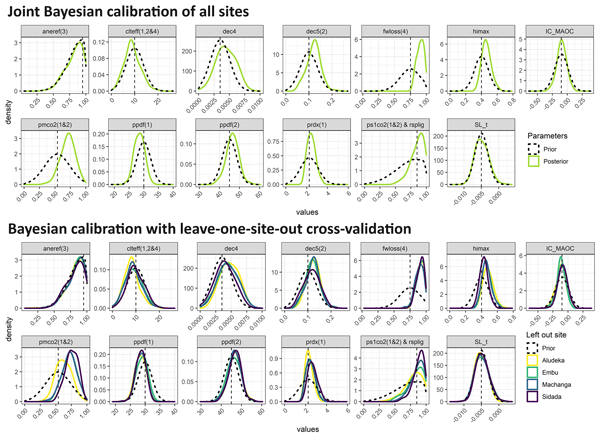
Soil organic matter models are characterised by equifinality, the phenomenon whereby multiple parameter sets yield similar results. This study shows that the number of identifiable parameters that can be optimised together is limited, even under data-rich conditions. As a result, overparameterised models show a large variability when simulating future changes. Optimising only identifiable model parameters is therefore necessary to avoid this hidden uncertainty in soil organic matter models.
Soil organic matter models are characterised by equifinality, the phenomenon whereby multiple...


