
Articles | Volume 19, issue 9
https://doi.org/10.5194/gmd-19-3923-2026
© Author(s) 2026. This work is distributed under
the Creative Commons Attribution 4.0 License.
the Creative Commons Attribution 4.0 License.
https://doi.org/10.5194/gmd-19-3923-2026
© Author(s) 2026. This work is distributed under
the Creative Commons Attribution 4.0 License.
the Creative Commons Attribution 4.0 License.
Model description paper
| 
13 May 2026
Model description paper |
| 13 May 2026
| 13 May 2026
darcyInterTransportFoam v1.0: an open-source, fully-coupled 3D solver for simulating surface water – saturated groundwater processes and exchanges
Álvaro Pardo-Álvarez
CORRESPONDING AUTHOR

Centre for Hydrogeology and Geothermics, University of Neuchâtel, Neuchâtel, 2000, Switzerland
Jan H. Fleckenstein
Helmholtz Center for Environmental Research – UFZ, Leipzig, 04318, Germany
Kalliopi Koutantou
Centre for Hydrogeology and Geothermics, University of Neuchâtel, Neuchâtel, 2000, Switzerland
Philip Brunner
Centre for Hydrogeology and Geothermics, University of Neuchâtel, Neuchâtel, 2000, Switzerland
Related authors
Thomas Hermans, Pascal Goderniaux, Damien Jougnot, Jan H. Fleckenstein, Philip Brunner, Frédéric Nguyen, Niklas Linde, Johan Alexander Huisman, Olivier Bour, Jorge Lopez Alvis, Richard Hoffmann, Andrea Palacios, Anne-Karin Cooke, Álvaro Pardo-Álvarez, Lara Blazevic, Behzad Pouladi, Peleg Haruzi, Alejandro Fernandez Visentini, Guilherme E. H. Nogueira, Joel Tirado-Conde, Majken C. Looms, Meruyert Kenshilikova, Philippe Davy, and Tanguy Le Borgne
Hydrol. Earth Syst. Sci., 27, 255–287, https://doi.org/10.5194/hess-27-255-2023, https://doi.org/10.5194/hess-27-255-2023, 2023
Short summary
Short summary
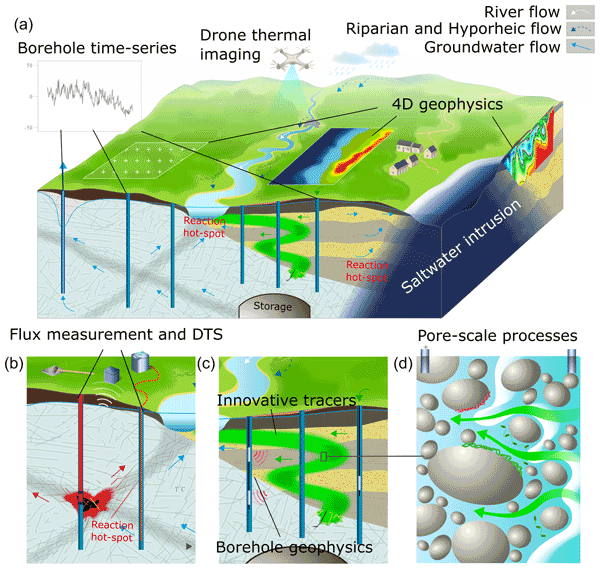
Although invisible, groundwater plays an essential role for society as a source of drinking water or for ecosystems but is also facing important challenges in terms of contamination. Characterizing groundwater reservoirs with their spatial heterogeneity and their temporal evolution is therefore crucial for their sustainable management. In this paper, we review some important challenges and recent innovations in imaging and modeling the 4D nature of the hydrogeological systems.

Tam V. Nguyen, Rohini Kumar, José L. J. Ledesma, Pia Ebeling, Jan H. Fleckenstein, and Andreas Musolff
Hydrol. Earth Syst. Sci., 30, 5749–5768, https://doi.org/10.5194/hess-30-5749-2026, https://doi.org/10.5194/hess-30-5749-2026, 2026
Short summary
Short summary
Lumped and landscape-explicit dissolved organic carbon (DOC) models are commonly calibrated using stream DOC concentrations, while internal DOC dynamics in different model compartments are not given enough attention. Our study shows that stream DOC alone is insufficient to constrain internal DOC dynamics. Applying models calibrated in this way under changing boundary conditions may therefore lead to unrealistic results.

Alexandre Gauvain, Ronan Abhervé, Bastien Boivin, Alexandre Coche, Martin Le Mesnil, Tristan Babey, Enzo Maugan, Théa Touzeau, Imene Issolah, Clément Roques, Camille Bouchez, Jean Marçais, Sarah Leray, Etienne Marti, Etienne Bresciani, Ronny Figueroa, Mathias Pélissier, Simon Carlier, Luca Guillaumot, Rock S. Bagagnan, Camille Vautier, Laurent Longuevergne, June Sallou, Johan Bourcier, Benoit Combemale, Philip Brunner, Luc Aquilina, and Jean-Raynald de Dreuzy
Hydrol. Earth Syst. Sci., 30, 5571–5592, https://doi.org/10.5194/hess-30-5571-2026, https://doi.org/10.5194/hess-30-5571-2026, 2026
Short summary
Short summary
HydroModPy was developed to make it easier and faster to deploy groundwater models across multiple catchments. Although such models are widely used, setting them up often requires significant time and expertise. HydroModPy automates key steps, from preparing maps and input data to building models and running simulations. It is specifically designed for shallow aquifers and supports transparent, reproducible studies of groundwater. This tool can improve water management, research, and education.
Alex Naoki Asato Kobayashi, Clément Roques, Daniel Hunkeler, Edward A. D. Mitchell, Robin Calisti, and Philip Brunner
Geosci. Instrum. Method. Data Syst., 14, 435–446, https://doi.org/10.5194/gi-14-435-2025, https://doi.org/10.5194/gi-14-435-2025, 2025
Short summary
Short summary
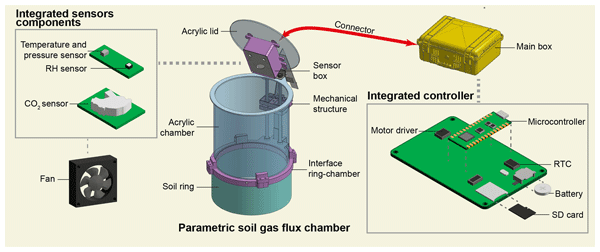
The increasing impact of climate change and human activities on greenhouse gas emissions highlights the need for effective monitoring, especially from the soil. Our design introduces a low-cost solution for measuring soil gas flux that is adaptable to various environments. Additionally, we propose a novel method for ensuring data quality before deploying these systems in the field.
Judith Eeckman, Brian De Grenus, Floreana Marie Miesen, James Thornton, Philip Brunner, and Nadav Peleg
Hydrol. Earth Syst. Sci., 29, 4093–4107, https://doi.org/10.5194/hess-29-4093-2025, https://doi.org/10.5194/hess-29-4093-2025, 2025
Short summary
Short summary
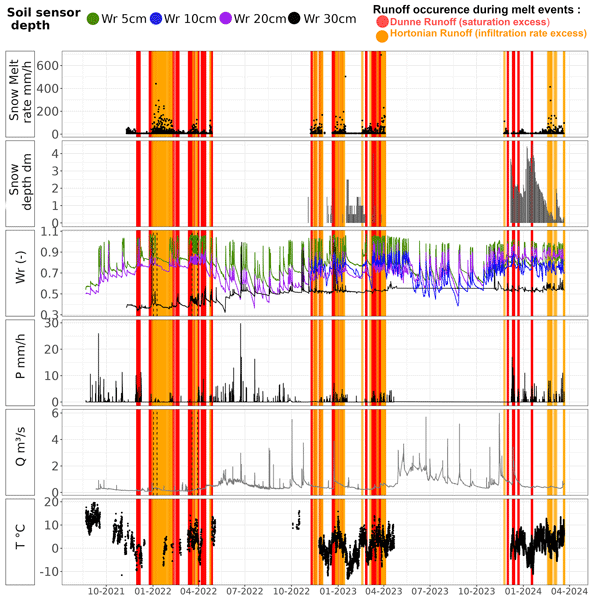
The fate of liquid water from melting snow in winter and spring is difficult to understand in the mountains. This work uses a multi-instrumental network to accurately monitor the dynamics of snowmelt and infiltration at different depths in the ground and at different altitudes. The results show that melting snow quickly infiltrates into the upper layers of the soil but is also quickly transferred through the soil along the slopes towards the river.
Pia Ebeling, Andreas Musolff, Rohini Kumar, Andreas Hartmann, and Jan H. Fleckenstein
Hydrol. Earth Syst. Sci., 29, 2925–2950, https://doi.org/10.5194/hess-29-2925-2025, https://doi.org/10.5194/hess-29-2925-2025, 2025
Short summary
Short summary
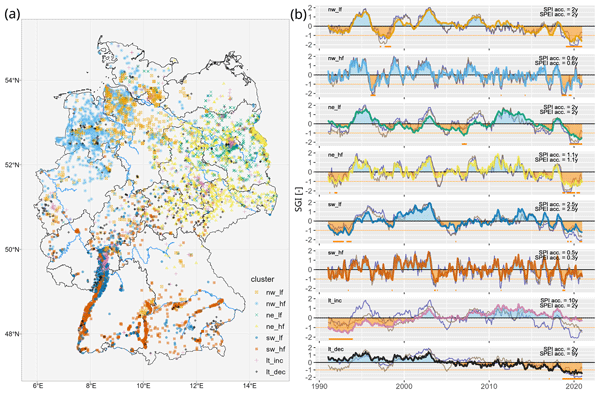
Groundwater is a crucial resource at risk due to droughts. To understand drought effects on groundwater levels in Germany, we grouped 6626 wells into six regional and two national patterns. Weather explained half of the level variations with varied response times. Shallow groundwater responds fast and is more vulnerable to short droughts (a few months). Dampened deep heads buffer short droughts but suffer from long droughts and recoveries. Two nationwide trend patterns were linked to human water use.
Alexandre Gauvain, Ronan Abhervé, Alexandre Coche, Martin Le Mesnil, Clément Roques, Camille Bouchez, Jean Marçais, Sarah Leray, Etienne Marti, Ronny Figueroa, Etienne Bresciani, Camille Vautier, Bastien Boivin, June Sallou, Johan Bourcier, Benoit Combemale, Philip Brunner, Laurent Longuevergne, Luc Aquilina, and Jean-Raynald de Dreuzy
EGUsphere, https://doi.org/10.5194/egusphere-2024-3962, https://doi.org/10.5194/egusphere-2024-3962, 2025
Preprint archived
Short summary
Short summary
HydroModPy is an open-source toolbox that makes it easier to study and model groundwater flow at catchment scale. By combining mapping tools with groundwater modeling, it automates the process of building, analyzing and deploying aquifer models. This allows researchers to simulate groundwater flow that sustains stream baseflows, providing insights for the hydrology community. Designed to be accessible and customizable, HydroModPy supports sustainable water management, research, and education.
Qi Tang, Hugo Delottier, Wolfgang Kurtz, Lars Nerger, Oliver S. Schilling, and Philip Brunner
Geosci. Model Dev., 17, 3559–3578, https://doi.org/10.5194/gmd-17-3559-2024, https://doi.org/10.5194/gmd-17-3559-2024, 2024
Short summary
Short summary
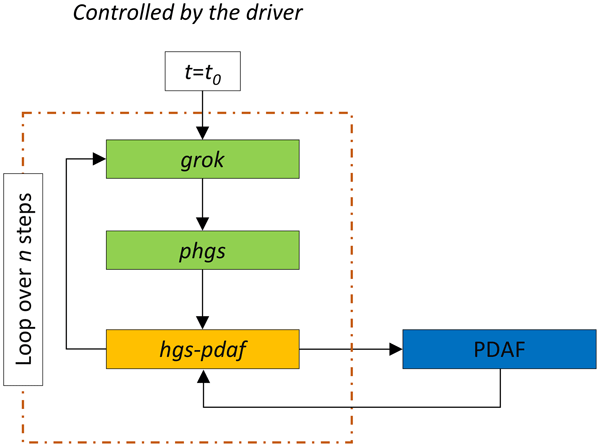
We have developed a new data assimilation framework by coupling an integrated hydrological model HydroGeoSphere with the data assimilation software PDAF. Compared to existing hydrological data assimilation systems, the advantage of our newly developed framework lies in its consideration of the physically based model; its large selection of different assimilation algorithms; and its modularity with respect to the combination of different types of observations, states and parameters.
Arianna Borriero, Rohini Kumar, Tam V. Nguyen, Jan H. Fleckenstein, and Stefanie R. Lutz
Hydrol. Earth Syst. Sci., 27, 2989–3004, https://doi.org/10.5194/hess-27-2989-2023, https://doi.org/10.5194/hess-27-2989-2023, 2023
Short summary
Short summary
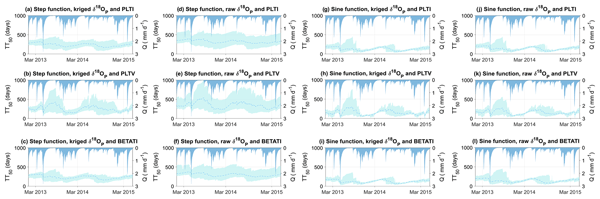
We analyzed the uncertainty of the water transit time distribution (TTD) arising from model input (interpolated tracer data) and structure (StorAge Selection, SAS, functions). We found that uncertainty was mainly associated with temporal interpolation, choice of SAS function, nonspatial interpolation, and low-flow conditions. It is important to characterize the specific uncertainty sources and their combined effects on TTD, as this has relevant implications for both water quantity and quality.
Hugo Delottier, John Doherty, and Philip Brunner
Geosci. Model Dev., 16, 4213–4231, https://doi.org/10.5194/gmd-16-4213-2023, https://doi.org/10.5194/gmd-16-4213-2023, 2023
Short summary
Short summary
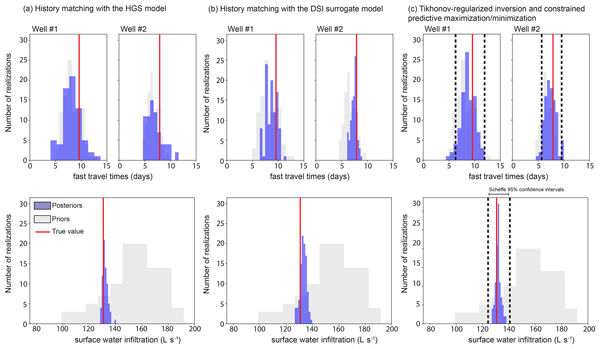
Long run times are usually a barrier to the quantification and reduction of predictive uncertainty with complex hydrological models. Data space inversion (DSI) provides an alternative and highly model-run-efficient method for uncertainty quantification. This paper demonstrates DSI's ability to robustly quantify predictive uncertainty and extend the methodology to provide practical metrics that can guide data acquisition and analysis to achieve goals of decision-support modelling.
Carolin Winter, Tam V. Nguyen, Andreas Musolff, Stefanie R. Lutz, Michael Rode, Rohini Kumar, and Jan H. Fleckenstein
Hydrol. Earth Syst. Sci., 27, 303–318, https://doi.org/10.5194/hess-27-303-2023, https://doi.org/10.5194/hess-27-303-2023, 2023
Short summary
Short summary
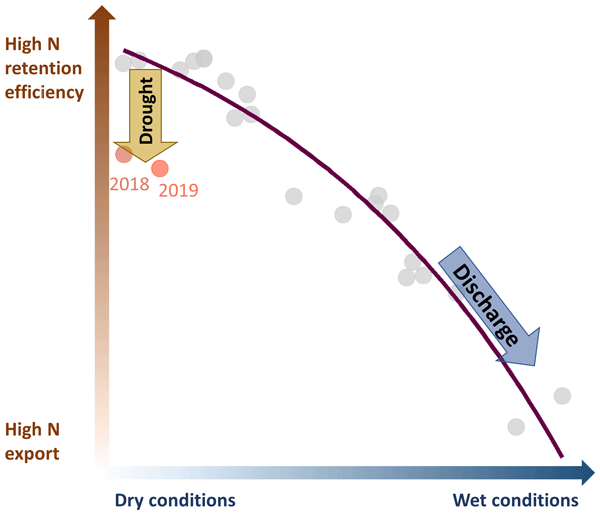
The increasing frequency of severe and prolonged droughts threatens our freshwater resources. While we understand drought impacts on water quantity, its effects on water quality remain largely unknown. Here, we studied the impact of the unprecedented 2018–2019 drought in Central Europe on nitrate export in a heterogeneous mesoscale catchment in Germany. We show that severe drought can reduce a catchment's capacity to retain nitrogen, intensifying the internal pollution and export of nitrate.
Thomas Hermans, Pascal Goderniaux, Damien Jougnot, Jan H. Fleckenstein, Philip Brunner, Frédéric Nguyen, Niklas Linde, Johan Alexander Huisman, Olivier Bour, Jorge Lopez Alvis, Richard Hoffmann, Andrea Palacios, Anne-Karin Cooke, Álvaro Pardo-Álvarez, Lara Blazevic, Behzad Pouladi, Peleg Haruzi, Alejandro Fernandez Visentini, Guilherme E. H. Nogueira, Joel Tirado-Conde, Majken C. Looms, Meruyert Kenshilikova, Philippe Davy, and Tanguy Le Borgne
Hydrol. Earth Syst. Sci., 27, 255–287, https://doi.org/10.5194/hess-27-255-2023, https://doi.org/10.5194/hess-27-255-2023, 2023
Short summary
Short summary
Although invisible, groundwater plays an essential role for society as a source of drinking water or for ecosystems but is also facing important challenges in terms of contamination. Characterizing groundwater reservoirs with their spatial heterogeneity and their temporal evolution is therefore crucial for their sustainable management. In this paper, we review some important challenges and recent innovations in imaging and modeling the 4D nature of the hydrogeological systems.
Jie Yang, Qiaoyu Wang, Ingo Heidbüchel, Chunhui Lu, Yueqing Xie, Andreas Musolff, and Jan H. Fleckenstein
Hydrol. Earth Syst. Sci., 26, 5051–5068, https://doi.org/10.5194/hess-26-5051-2022, https://doi.org/10.5194/hess-26-5051-2022, 2022
Short summary
Short summary
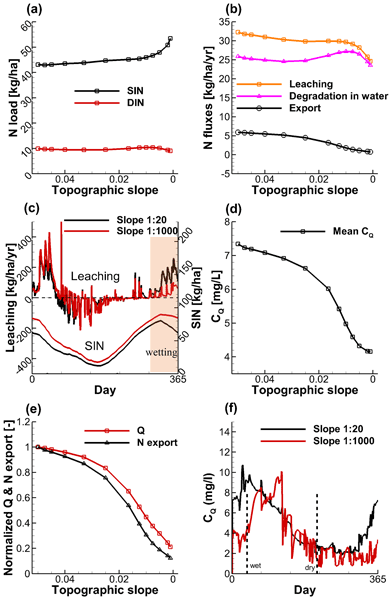
We assessed the effect of catchment topographic slopes on the nitrate export dynamics in terms of the nitrogen mass fluxes and concentration level using a coupled surface–subsurface model. We found that flatter landscapes tend to retain more nitrogen mass in the soil and export less nitrogen mass to the stream, explained by the reduced leaching and increased potential of degradation in flat landscapes. We emphasized that stream water quality is potentially less vulnerable in flatter landscapes.
Guilherme E. H. Nogueira, Christian Schmidt, Daniel Partington, Philip Brunner, and Jan H. Fleckenstein
Hydrol. Earth Syst. Sci., 26, 1883–1905, https://doi.org/10.5194/hess-26-1883-2022, https://doi.org/10.5194/hess-26-1883-2022, 2022
Short summary
Short summary
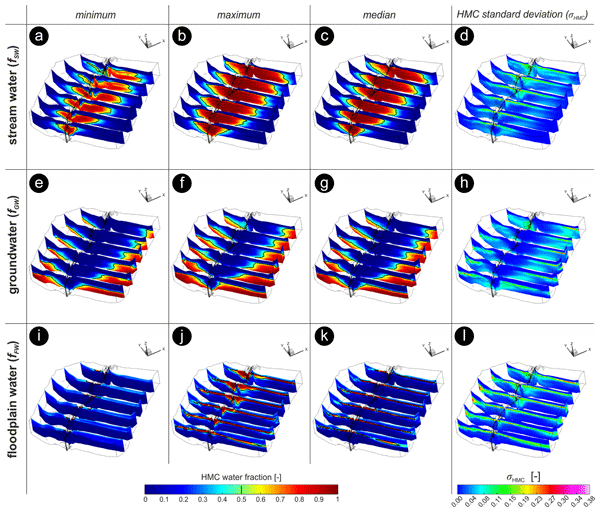
In near-stream aquifers, mixing between stream water and ambient groundwater can lead to dilution and the removal of substances that can be harmful to the water ecosystem at high concentrations. We used a numerical model to track the spatiotemporal evolution of different water sources and their mixing around a stream, which are rather difficult in the field. Results show that mixing mainly develops as narrow spots, varying In time and space, and is affected by magnitudes of discharge events.
Joni Dehaspe, Fanny Sarrazin, Rohini Kumar, Jan H. Fleckenstein, and Andreas Musolff
Hydrol. Earth Syst. Sci., 25, 6437–6463, https://doi.org/10.5194/hess-25-6437-2021, https://doi.org/10.5194/hess-25-6437-2021, 2021
Short summary
Short summary
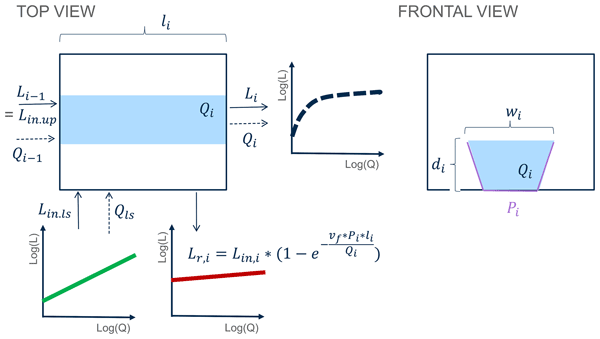
Increased nitrate concentrations in surface waters can compromise river ecosystem health. As riverine nitrate uptake is hard to measure, we explore how low-frequency nitrate concentration and discharge observations (that are widely available) can help to identify (in)efficient uptake in river networks. We find that channel geometry and water velocity rather than the biological uptake capacity dominate the nitrate-discharge pattern at the outlet. The former can be used to predict uptake.
Benedikt J. Werner, Oliver J. Lechtenfeld, Andreas Musolff, Gerrit H. de Rooij, Jie Yang, Ralf Gründling, Ulrike Werban, and Jan H. Fleckenstein
Hydrol. Earth Syst. Sci., 25, 6067–6086, https://doi.org/10.5194/hess-25-6067-2021, https://doi.org/10.5194/hess-25-6067-2021, 2021
Short summary
Short summary
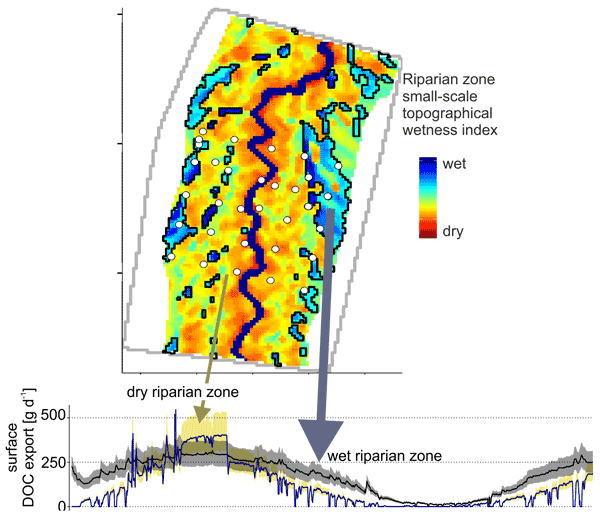
Export of dissolved organic carbon (DOC) from riparian zones (RZs) is an important yet poorly understood component of the catchment carbon budget. This study chemically and spatially classifies DOC source zones within a RZ of a small catchment to assess DOC export patterns. Results highlight that DOC export from only a small fraction of the RZ with distinct DOC composition dominates overall DOC export. The application of a spatial, topographic proxy can be used to improve DOC export models.

Katharina Blaurock, Burkhard Beudert, Benjamin S. Gilfedder, Jan H. Fleckenstein, Stefan Peiffer, and Luisa Hopp
Hydrol. Earth Syst. Sci., 25, 5133–5151, https://doi.org/10.5194/hess-25-5133-2021, https://doi.org/10.5194/hess-25-5133-2021, 2021
Short summary
Short summary
Dissolved organic carbon (DOC) is an important part of the global carbon cycle with regards to carbon storage, greenhouse gas emissions and drinking water treatment. In this study, we compared DOC export of a small, forested catchment during precipitation events after dry and wet preconditions. We found that the DOC export from areas that are usually important for DOC export was inhibited after long drought periods.
Cited articles
Anderson, M. P., Woessner, W. W., and Hunt, R. J.: Applied Groundwater Modeling, 2nd Edn., Elsevier Inc, 564 pp., https://doi.org/10.1016/C2009-0-21563-7, 2015.
Aryal, P.: Modeling free surface thermal flow with relative motion of heat source and drop injector with respect to a liquid pool, Technical Rep. in proceedings of the course CFD with open-source software, Chalmers University of Technology, Göteborg, Sweden, 46 pp., http://dx.doi.org/10.17196/OS_CFD#YEAR_2019, 2019.
Barthel, R. and Banzhaf, S.: Groundwater and surface water interaction at the regional-scale – A review with focus on regional integrated models, Water Resour. Manag., 30, 1–32, https://doi.org/10.1007/s11269-015-1163-z, 2016.
Bayon-Barrachina, A. and Lopez-Jimenez, P. A.: Numerical analysis of hydraulic jumps using OpenFOAM, J. Hydroinform., 17, 662–678, https://doi.org/10.2166/hydro.2015.041, 2015.
Bear, J. (Ed.).: Dynamics of fluids in porous media, 1st Edn., American Elsevier Publishing Company, New York, USA, 764 pp., ISBN 978-0444001146, 1972.
Berberović, E., van Hinsberg, N. P., Jakirlić, S., Roisman, I. V., and Tropea, C.: Drop impact onto a liquid layer of finite thickness: dynamics of the cavity evolution, Phys. Rev. E, 79, 036306, https://doi.org/10.1103/PhysRevE.79.036306, 2009.
Blanc, T., Peel, M., Brennwald, M. S., Kipfer, R., and Brunner, P.: Efficient injection of gas tracers into rivers: a tool to study surface water–groundwater interactions, Water Res., 254, 121375, https://doi.org/10.1016/j.watres.2024.121375, 2024.
Blau, R. V. and Muchenberger, F.: Grundlagen für schutz und bewirtschaftung der grundwasser des Kantons Bern: nutzungs-, schutz- und überwachungskonzept für die grundwasserleiter des obersten Emmentals, zwischen Emmenmatt, Langnau und Eggiwil, Technical Rep., wasser- und energiewirtschaft des Kantons Bern, Bern, Switzerland, 1997.
Boano, F., Harvey, J. W., Marion, A., Packman, A. I., Revelli, R., Ridolfi, L., and Wörman, A.: Hyporheic flow and transport processes: mechanisms, models, and biogeochemical implications, Rev. Geophys., 41, 603–679, https://doi.org/10.1002/2012RG000417, 2014.
Boudreau, B. P.: The diffusive tortuosity of fine-grained unlithified sediments, Geochim. Cosmochim. Ac., 60, 3139–3142, https://doi.org/10.1016/0016-7037(96)00158-5, 1996.
Broecker, T., Elsesser, W., Teuber, K., Özgen, I., Nützmann, G., and Hinkelmann, R.: High-resolution simulation of free-surface flow and tracer retention over streambeds with ripples, Limnologica, 68, 46–58, https://doi.org/10.1016/j.limno.2017.06.005, 2017.
Broecker, T., Teuber, K., Sobhi Gollo, V., Nützmann, G., Lewandowski, J., and Hinkelmann, R.: Integral flow modelling approach for surface water-groundwater interactions along a rippled streambed, Water, 11, 1517, https://doi.org/10.3390/w11071517, 2019.
Broecker, T., Gollo, V. S., Fox, A., Lewandowski, J., Nützmann, G., Arnon, S., and Hinkelmann, R.: High-resolution integrated transport model for studying surface water–groundwater interaction, Groundwater, 59, 488–502, https://doi.org/10.1111/gwat.13071, 2021.
Brunner, P., Therrien, R., Renard, P., Simmons, C. T., and Hendricks Franssen, H.-J.: Advances in understanding river-groundwater interactions, Rev. Geophys., 55, 818–854, https://doi.org/10.1002/2017RG000556, 2017.
Cardenas, M. B., Cook, P. L., Jiang, H., and Traykovski, P.: Constraining denitrification in permeable wave-influenced marine sediment using linked hydrodynamic and biogeochemical modeling, Earth Planet. Sc. Lett., 275, 127–137, https://doi.org/10.1016/j.epsl.2008.08.016, 2008.
Chen, X., Cardenas, M. B., and Chen, L.: Three-dimensional versus two-dimensional bed form-induced hyporheic exchange, Water Resour. Res., 51, 2923–2936, https://doi.org/10.1002/2014WR016848, 2015.
Chen, X., Cardenas, M. B., and Chen, L.: Hyporheic exchange driven by three-dimensional sandy bed forms: sensitivity to and prediction from bed form geometry, Water Resour. Res., 54, 4131–4149, https://doi.org/10.1029/2018WR022663, 2018.
Coluccio, K. and Morgan, L. K.: A review of methods for measuring groundwater–surface water exchange in braided rivers, Hydrol. Earth Syst. Sci., 23, 4397–4417, https://doi.org/10.5194/hess-23-4397-2019, 2019.
Deshpande, S. S., Anumolu, L., and Trujillo, M. F.: Evaluating the performance of the two-phase flow solver interFoam, Comput. Sci. Discov., 5, 014016, https://doi.org/10.1088/1749-4699/5/1/014016, 2012.
Dichgans, F., Boos, J.-P., Ahmadi, P., Frei, S., and Fleckenstein, J. H.: Integrated numerical modeling to quantify transport and fate of microplastics in the hyporheic zone, Water Res., 243, 120349, https://doi.org/10.1016/j.watres.2023.120349, 2023.
Figura, S., Livingstone, D. M., and Kipfer, R.: Competing controls on groundwater oxygen concentrations revealed in multidecadal time series from riverbank filtration sites, Water Resour. Res., 49, 7411–7426, https://doi.org/10.1002/2013WR013750, 2013.
Fleckenstein, J. H., Krause, S., Hannah, D. M., and Boano, F.: Groundwater-surface water interactions: new methods and models to improve understanding of processes and dynamics, Adv. Water Resour., 33, 1291–1295, https://doi.org/10.1016/j.advwatres.2010.09.011, 2010.
Haitjema, H. M.: The role of hand calculations in ground water flow modeling, Groundwater, 44, 786e791, https://doi.org/10.1111/j.1745-6584.2006.00189.x, 2006.
Haitjema, H. M. and Anderson, M. P.: Darcy velocity is not a velocity, Groundwater, 54, 1–1, https://doi.org/10.1111/gwat.12386, 2016.
Haroun, Y., Legendre, D., and Raynal, L.: Volume of fluid method for interfacial reactive mass transfer: application to stable liquid film, Chem. Eng. Sci., 65, 2896–2909, https://doi.org/10.1016/j.ces.2010.01.012, 2010.
Hermans, T., Goderniaux, P., Jougnot, D., Fleckenstein, J. H., Brunner, P., Nguyen, F., Linde, N., Huisman, J. A., Bour, O., Lopez Alvis, J., Hoffmann, R., Palacios, A., Cooke, A.-K., Pardo-Álvarez, Á., Blazevic, L., Pouladi, B., Haruzi, P., Fernandez Visentini, A., Nogueira, G. E. H., Tirado-Conde, J., Looms, M. C., Kenshilikova, M., Davy, P., and Le Borgne, T.: Advancing measurements and representations of subsurface heterogeneity and dynamic processes: towards 4D hydrogeology, Hydrol. Earth Syst. Sci., 27, 255–287, https://doi.org/10.5194/hess-27-255-2023, 2023.
Hirt, C. W. and Nichols, B. D.: Volume of fluid (VOF) method for the dynamics of free boundaries, J. Comput. Phys., 39, 201–225, https://doi.org/10.1016/0021-9991(81)90145-5, 1981.
Horgue, P., Soulaine, C., Franc, J., Guibert, R., and Debenest, G.: An open-source toolbox for multiphase flow in porous media, Comput. Phys. Commun., 187, 217–226, https://doi.org/10.1016/j.cpc.2014.10.005, 2015.
Horgue, P., Renard, F., Gerlero, G., Guibert, R., and Debenest, G.: porousMultiphaseFoam v2107: An open-source tool for modeling saturated/unsaturated water flows and solute transfers at watershed scale, Comput. Phys. Commun., 273, 108278, https://doi.org/10.1016/j.cpc.2021.108278, 2022.
Janssen, F., Cardenas, M. B., Sawyer, A. H., Dammrich, T., Krietsch, J., and de Beer, D.: A comparative experimental and multiphysics computational fluid dynamics study of coupled surface–subsurface flow in bed forms, Water Resour. Res., 48, W08514, https://doi.org/10.1029/2012WR011982, 2012.
Jin, G., Tang, H., Li, L., and Barry, D. A.: Hyporheic flow under periodic bed forms influenced by low-density gradients, Geophys. Res. Lett., 38, L22401, https://doi.org/10.1029/2011GL049694, 2011.
Käser, D. and Hunkeler, D.: Contribution of alluvial groundwater to the outflow of mountainous catchments, Water Resour. Res., 52, 680–697, https://doi.org/10.1002/2014WR016730, 2016.
Krause, S., Boano, F., Cuthbert, M. O., Fleckenstein, J. H., and Lewandowski, J.: Understanding process dynamics at aquifer-surface water interfaces: an introduction to the special section on new modeling approaches and novel experimental technologies, Water Resour. Res., 50, 1847–1855, https://doi.org/10.1002/2013WR014755, 2014.
Krause, S., Lewandowski, J., Grimm, N. B., Hannah, D. M., Pinay, G., McDonald, K., Martí, E., Argerich, A., Pfister, L., Klaus, J., Battin, T., Larned, S. T., Schelker, J., Fleckenstein, J., Schmidt, C., Rivett, M. O., Watts, G., Sabater, F., Sorolla, A., and Turk, V.: Ecohydrological interfaces as hot spots of ecosystem processes, Water Resour. Res., 53, 6359–6376, https://doi.org/10.1002/2016WR019516, 2017.
Krause, S., Hannah, D., and Grimm, N. (Eds.): Ecohydrological Interfaces, 1st Edn., John Wiley and Sons, 411 pp., https://doi.org/10.1002/9781119489702, 2023.
Lee, A., Aubeneau, A., and Cardenas, M.: The sensitivity of hyporheic exchange to fractal properties of riverbeds, Water Resour. Res., 56, e2019WR026560, https://doi.org/10.1029/2019WR026560, 2020.
Lee, A., Aubeneau, A., Liu, X., and Cardenas, M. B.: Hyporheic exchange in sand dunes under a freely deforming river water surface, Water Resour. Res., 57, e2020WR028817, https://doi.org/10.1029/2020WR028817, 2021.
Lee, A., Aubeneau, A., Cardenas, M., and Liu, X.: Hyporheic exchange due to cobbles on sandy beds, Water Resour. Res., 58, e2021WR030164, https://doi.org/10.1029/2021WR030164, 2022.
Lewandowski, J., Arnon, S., Banks, E., Batelaan, O., Betterle, A., Broecker, T., Coll, C., Drummond, J. D., Gaona Garcia, J., Galloway, J., Gomez-Velez, J., Grabowski, R. C., Herzog, S. P., Hinkelmann, R., Höhne, A., Hollender, J., Horn, M. A., Jaeger, A., Krause, S., Löchner Prats, A., Magliozzi, C., Meinikmann, K., Mojarrad, B. B., Mueller, B. M., Peralta-Maraver, I., Popp, A. L., Posselt, M., Putschew, A., Radke, M., Raza, M., Riml, J., Robertson, A., Rutere, C., Schaper, J. L., Schirmer, M., Schulz, H., Shanafield, M., Singh, T., Ward, A. S., Wolke, P., Wörman, A., and Wu, L.: Is the hyporheic zone relevant beyond the Scientific Community?, Water, 11, 2230, https://doi.org/10.3390/w11112230, 2019.
Lewandowski, J., Meinikmann, K., and Krause, S.: Groundwater–surface water interactions: recent advances and interdisciplinary challenges, Water, 12, 296, https://doi.org/10.3390/w12010296, 2020.
Li, B., Liu, X., Kaufman, M. H., Turetcaia, A., Chen, X., and Cardenas, B. M.: Flexible and modular simultaneous modeling of flow and reactive transport in rivers and hyporheic zones, Water Resour. Res., 56, e2019WR026528, https://doi.org/10.1029/2019WR026528, 2020.
Maxwell, R. M., Putti, M., Meyerhoff, S., Delfs, J.-O., Ferguson, I. M., Ivanov, V., Kim, J., Kolditz, O., Kollet, S. J., Kumar, M., Lopez, S., Niu, J., Paniconi, C., Park, Y.-J., Phanikumar, M. S., Shen, C., Sudicky, E. A., and Sulis, M.: Surface-subsurface model intercomparison: a first set of benchmark results to diagnose integrated hydrology and feedbacks, Water Resour. Res., 50, 1531–1549, https://doi.org/10.1002/2013WR013725, 2014.
Menter, F. R.: Two-equation eddy-viscosity turbulence models for engineering applications, AIAAJ, 32, 1598–1605, https://doi.org/10.2514/3.12149, 1994.
Nieves-Remacha, M. J., Yang, L., and Jensen, K. F.: OpenFOAM computational fluid dynamic simulations of two-phase flow and mass transfer in an advanced-flow reactor, Ind. Eng. Chem. Res., 54, 6649–6659, https://doi.org/10.1021/acs.iecr.5b00480, 2015.
Nisbeth, C. S., Kidmose, J., Weckström, K., Reitzel, K., Odgaard, B. V., Bennike, O., Thorling, L., McGowan, S., Schomacker, A., Kristensen, D. L. J., and Jessen, S.: Dissolved inorganic geogenic phosphorus load to a groundwater-fed lake: implications of terrestrial phosphorus cycling by groundwater, Water, 11, 2213, https://doi.org/10.3390/w11112213, 2019.
Nogueira, G. E., Schmidt, C., Brunner, P., Graeber, D., and Fleckenstein, J. H.: Transit-time and temperature control the spatial patterns of aerobic respiration and denitrification in the riparian zone, Water Resour. Res., 57, e2021WR030117, https://doi.org/10.1029/2021WR030117, 2021.
OpenCFD Ltd.: OpenFOAM® v2312 User Guide, https://doc.openfoam.com/2312/ (last access: 25 December 2024), 2023.
OpenCFD Ltd.: OpenFOAM® v2406, OpenFOAM® Download [code], https://dl.openfoam.com/source/v2406/ (last access: 25 December 2024), 2024.
Pardo-Álvarez, Á.: A custom OpenFOAM solver for fully-coupled surface and subsurface hydrological modelling, Doctoral thesis, University of Neuchâtel, 225 pp., https://doi.org/10.35662/unine-thesis-3190, 2025.
Pardo-Álvarez, Á.: darcyInterTransportFoam v1.0, Zenodo [code], https://doi.org/10.5281/zenodo.17092721, 2026a.
Pardo-Álvarez, Á.: MATLAB-based OpenFOAM mesh and data dictionary generator, Zenodo [code], https://doi.org/10.5281/zenodo.15857296, 2026b.
Pardo-Álvarez, Á.: Code and data associated with Pardo-Álvarez et al. (2026), Zenodo [data set], https://doi.org/10.5281/zenodo.16283559, 2026c.
Peel, M., Kipfer, R., Hunkeler, D., and Brunner, P.: Variable 222Rn emanation rates in an alluvial aquifer: limits on using 222Rn as a tracer of surface water – groundwater interactions, Chem. Geol., 599, 120829, https://doi.org/10.1016/j.chemgeo.2022.120829, 2022.
Poffet, D.: Interactions nappe-rivière et stockage dans l'aquifère de la Haute-Emme: approche par la modélisation numérique, MSc Thesis, University of Neuchâtel, Centre for Hydrogeology and Geothermics, Neuchâtel, Switzerland, 134 pp., 2011.
Popp, A. L., Pardo-Álvarez, Á., Schilling, O. S., Scheidegger, A., Musy, S., Peel, M., Brunner, P., Purtschert, R., Hunkeler, D., and Kipfer, R.: A framework for untangling transient groundwater mixing and travel times, Water Resour. Res., 57, e2020WR028362, https://doi.org/10.1029/2020WR028362, 2021.
Rubin, H.: Heat dispersion effect on thermal convection in a porous medium layer, J. Hydrol., 21, 173–185, https://doi.org/10.1016/0022-1694(74)90035-3, 1974.
Rusche, H.: Computational fluid dynamics of dispersed two-phase flows at high phase fractions, PhD Thesis, Imperial College of Science, Technology and Medicine, London, UK, 343 pp., http://hdl.handle.net/10044/1/8110 (last access: 3 May 2026), 2003.
Schaper, J. L., Posselt, M., McCallum, J. L., Banks, E. W., Hoehne, A., Meinikmann, K., Shanafield, M. A., Batelaan, O., and Lewandowski, J.: Hyporheic exchange controls fate of trace organic compounds in an urban stream, Environ. Sci. Technol., 52, 12285–12294, https://doi.org/10.1021/acs.est.8b03117, 2018.
Schilling, O. S., Gerber, C., Partington, D. J., Purtschert, R., Brennwald, M. S., Kipfer, R., Hunkeler, D., and Brunner, P.: Advancing physically-based flow simulations of alluvial systems through atmospheric noble gases and the novel 37Ar tracer method, Water Resour. Res., 53, 10465-10490, https://doi.org/10.1002/2017WR020754, 2017.
Schilling, O. S., Partington, D. J., Doherty, J., Kipfer, R., Hunkeler, D., and Brunner, P.: Buried paleo-channel detection with a groundwater model, tracer-based observations, and spatially varying, preferred anisotropy pilot point calibration, Geophys. Res. Lett., 49, e2022GL098944, https://doi.org/10.1029/2022GL098944, 2022.
Schulze, L. and Thorenz, C.: The multiphase capabilities of the CFD toolbox OpenFOAM for hydraulic engineering applications, in: proceedings of the 11th International Conference on Hydroscience and Engineering, Hamburg, Germany, 28 September–2 October 2014, 1007–1016, https://hdl.handle.net/20.500.11970/99530 (last access: 4 May 2026), 2014.
Schulze, L. and Thorenz, C.: Mehrphasenmodellierung im Wasserbau, Open Rep., Bundesanstalt für Wasserbau, Wasserbauwerke – Vom hydraulischen Entwurf bis zum Betrieb, Karlsruhe, Germany, 53–58, https://hdl.handle.net/20.500.11970/102274 (last access: 4 May 2026), 2015.
Severin, T.: Computational fluid dynamics assisted design of thin-layer cascade photobioreactor components, PhD Thesis, Technical University of Munich, Chair of Biochemical Engineering, Munich, Germany, 166 pp., https://mediatum.ub.tum.de/doc/1363208/1363208.pdf (last access: 6 May 2025), 2017.
Sobhi Gollo, V., Broecker, T., Marx, C., Lewandowski, J., Nützmann, G., and Hinkelmann, R.: A comparative study of integral and coupled approaches formodeling hydraulic exchange processes across a rippled streambed, Int. J. Geomath., 13, 1–27, https://doi.org/10.1007/s13137-022-00206-5, 2022.
Tang, Q., Schilling, O. S., Kurtz, W., Brunner, P., Vereecken, H., and Hendricks Franssen, H.-J.: Simulating flood-induced riverbed transience using Unmanned Aerial Vehicles, physically based hydrological modeling, and the Ensemble Kalman filter, Water Resour. Res., 54, 9342–9363, https://doi.org/10.1029/2018WR023067, 2018.
Teuber, K.: A three-dimensional two-phase model for flow, transport and mass transfer processes in sewers, PhD Thesis, Technischen Universität Berlin, Water Resources Management and Modeling of Hydrosystems, Berlin, Germany, 174 pp., https://doi.org/10.14279/depositonce-9576, 2020.
Tonina, D. and Buffington, J. M.: Hyporheic exchange in mountain rivers I: mechanics and environmental effects, Geography Compass, 3, 1063–1086, https://doi.org/10.1111/j.1749-8198.2009.00226.x, 2009.
Toran, L.: Groundwater–surface water interaction, Encycl. Water Sci. Technol. Soc., 1–12, https://doi.org/10.1002/9781119300762.wsts0027, 2019.
Trauth, N. and Fleckenstein, J. H.: Single discharge events increase reactive efficiency of the hyporheic zone, Water Resour. Res., 53, 779–798, https://doi.org/10.1002/2016WR019488, 2017.
Trauth, N., Schmidt, C., Vieweg, M., Maier, U., and Fleckenstein, J. H.: Hyporheic transport and biogeochemical reactions in pool-riffle systems under varying ambient groundwater flow conditions, J. Geophys. Res.-Biogeo., 119, 910–928, https://doi.org/10.1002/2013JG002586, 2014.
Trauth, N., Schmidt, C., Vieweg, M., Oswald, S. E., and Fleckenstein, J. H.: Hydraulic controls of in-stream gravel bar hyporheic exchange and reactions, Water Resour. Res., 51, 2243–2263, https://doi.org/10.1002/2014WR015857, 2015.
Trauth, N., Musolff, A., Knoller, K., Kaden, U. S., Keller, T., Werban, U., and Fleckenstein, J. H.: River water infiltration enhances denitrification efficiency in riparian groundwater, Water Res., 130, 185–199, https://doi.org/10.1016/j.watres.2017.11.058, 2018.
Versteeg, H. K. and Malalasekera, W. (Eds.): An introduction to computational fluid dynamics: the finite volume method, 2nd Edn., Pearson Education, Edinburgh, UK, 503 pp., ISBN 978-0131274983, 2007.
Voermans, J. J., Ghisalberti, M., and Ivey, G. N.: The variation of flow and turbulence across the sediment–water interface, J. Fluid. Mech., 824, 413–437, https://doi.org/10.1017/jfm.2017.345, 2017.
Weller, H. G.: Derivation, modelling and solution of the conditionally averaged two-phase flow equations, Technical Rep. TR/HGW/02, Nabla Ltd, Boston, USA, 9 pp., 2002.
Weller, H. G., Tabor, G., Jasak, H., and Fureby, C.: A tensorial approach to computational continuum mechanics using object-oriented techniques, Comput. Phys., 12, 620–631, https://doi.org/10.1063/1.168744, 1998.
Winter, T. C., Harvey, W. J., Franke, O. L., and Alley, M. W.: Ground water and surface water: a single resource, Open Rep., North Dakota Water Science Center, Denver, USA, 79 pp., https://doi.org/10.3133/cir1139, 1998.
Würsten, M.: GWB-Hydrogeologische untersuchungen Aeschau: Schlussbericht, Technical Rep., Geotechnisches Institut, Zürich, Switzerland, 1991.
Young, D. F., Munson, B. R., Okiishi, T. H., and Huebsch, W. W. (Eds.): A brief introduction to fluid mechanics, 5th Edn., John Wiley and Sons, New York, USA, 512 pp., ISBN 978-0470596791, 2010.
Short summary
An upgraded version of a numerical solver is introduced to better capture the 3D interactions between surface water and groundwater. Built using open-source software, the custom solver adds new features to handle the complexity of real environments, including the representation of subsurface geology and the simulation of diverse dynamic processes, such as solute transport and heat transfer, in both domains. A test case and a full description of the novel features are provided in this paper.
An upgraded version of a numerical solver is introduced to better capture the 3D interactions...


