
Articles | Volume 19, issue 17
https://doi.org/10.5194/gmd-19-8447-2026
© Author(s) 2026. This work is distributed under
the Creative Commons Attribution 4.0 License.
the Creative Commons Attribution 4.0 License.
https://doi.org/10.5194/gmd-19-8447-2026
© Author(s) 2026. This work is distributed under
the Creative Commons Attribution 4.0 License.
the Creative Commons Attribution 4.0 License.
Development and technical paper
| 
10 Sep 2026
Development and technical paper |
| 10 Sep 2026
| 10 Sep 2026
Integrating ozone–vegetation damage schemes into SSiB4/TRIFFID: evaluation of six parameterizations and refinement of ozone decay process across plant functional types
Lingfeng Li
School of Atmospheric Sciences, Nanjing University, Nanjing, 210023, China
Bo Qiu
CORRESPONDING AUTHOR

School of Atmospheric Sciences, Nanjing University, Nanjing, 210023, China
Frontiers Science Center for Critical Earth Material Cycling, Nanjing University, Nanjing, 210023, China
Siwen Zhao
School of Atmospheric Sciences, Nanjing University, Nanjing, 210023, China
School of Atmospheric Sciences, Nanjing University, Nanjing, 210023, China
Chaorong Chen
School of Atmospheric Sciences, Nanjing University, Nanjing, 210023, China
Jiuyi Chen
School of Atmospheric Sciences, Nanjing University, Nanjing, 210023, China
Yueyang Ni
School of Atmospheric Sciences, Nanjing University, Nanjing, 210023, China
Xin Huang
School of Atmospheric Sciences, Nanjing University, Nanjing, 210023, China
Frontiers Science Center for Critical Earth Material Cycling, Nanjing University, Nanjing, 210023, China
Haishan Chen
School of Atmospheric Sciences, Nanjing University of Information Science and Technology, Nanjing, 210044, China
State Key Laboratory for Climate System Predictions and Risk Management/Key Laboratory of Meteorological Disaster, Ministry of Education/Collaborative Innovation Center on Forecast and Evaluation of Meteorological Disasters, Nanjing University of Information Science and Technology, Nanjing, 210044, China
Weidong Guo
School of Atmospheric Sciences, Nanjing University, Nanjing, 210023, China
Related authors
No articles found.
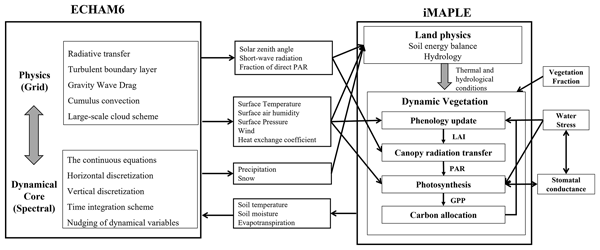
Weijie Fu, Chenguang Tian, Yuan Zhao, Yihan Hu, Jingchao Huang, Haishan Chen, and Xu Yue
Geosci. Model Dev., 19, 9395–9409, https://doi.org/10.5194/gmd-19-9395-2026, https://doi.org/10.5194/gmd-19-9395-2026, 2026
Short summary
Short summary
Land-atmosphere interaction is an important process for the exchange of matter and energy between land and atmosphere. In this work, we incorporated the interactive Model for Air Pollution and Land Ecosystems into the European Centre Hamburg general circulation model. Compare with original configuration, the new coupling model demonstrates better performance in simulating terrestrial carbon and water fluxes. Our research provides a useful tool for studying land–atmosphere interactions.
Jinpeng Lu, Sijia Lou, Wuke Wang, Jiankai Zhang, Ke Ding, Xin Huang, Yiquan Jiang, Tengyu Liu, Yawen Liu, Qingyan Xie, Lian Xue, Zilin Wang, Chen Zhou, Anbao Zhu, and Aijun Ding
EGUsphere, https://doi.org/10.5194/egusphere-2026-5104, https://doi.org/10.5194/egusphere-2026-5104, 2026
This preprint is open for discussion and under review for Atmospheric Chemistry and Physics (ACP).
Short summary
Short summary
The 2022 Hunga Tonga eruption injected sulfur gases and massive water vapor into the stratosphere. With observations and simulations, we assessed effects on the tropical quasi-biennial oscillation (QBO). Pollutants lingered over a year; the water-rich eruption notably altered QBO winds. Cooling from excess vapor and particles, concentrated south of 15° N, reshaped upper circulation and drove downward wind anomalies modulating the QBO, with April–October 2022 cooling causing more wind shifts.
Qihao Lin, Jiandong Wang, Chenxi Li, Dian Ding, Jiaping Wang, Wei Nie, Ximeng Qi, Yuliang Liu, Xuguang Chi, and Xin Huang
EGUsphere, https://doi.org/10.5194/egusphere-2026-3636, https://doi.org/10.5194/egusphere-2026-3636, 2026
Short summary
Short summary
We focused on nanoparticle growth because it affects climate and health. Current models often merge these particles with background aerosol populations, missing key details. We developed an improved model that explicitly tracks these particles from formation through subsequent growth. Our model matched observations better than standard approaches, captured early growth more realistically, and added minimal computational cost, making it promising for three-dimensional atmospheric simulations.
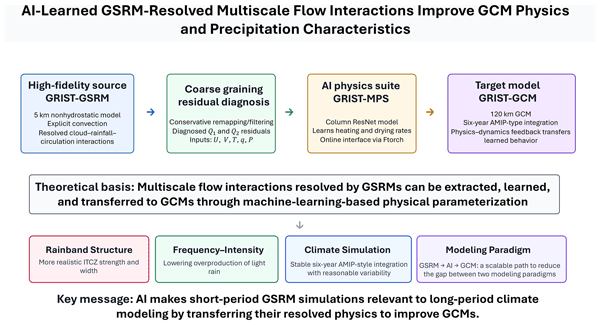
Yiming Wang, Yi Zhang, Yilun Han, Wei Xue, Tianru Chen, Yihui Zhou, Xiaohan Li, and Haishan Chen
Geosci. Model Dev., 19, 5553–5570, https://doi.org/10.5194/gmd-19-5553-2026, https://doi.org/10.5194/gmd-19-5553-2026, 2026
Short summary
Short summary
This study demonstrates that short-period Global Storm Resolving Model (GSRM) simulations can inform long-term Global Climate Model (GCM) integrations through a machine-learning-based physics suite. With 80 d of GSRM-derived training data, the hybrid model achieves stable multiyear climate simulations and improved precipitation climatic characteristics.
Anbao Zhu, Xin Huang, Haiming Xu, Jiechun Deng, Lian Xue, Zilin Wang, Ke Ding, Tianshuai Li, and Aijun Ding
EGUsphere, https://doi.org/10.5194/egusphere-2026-3180, https://doi.org/10.5194/egusphere-2026-3180, 2026
Short summary
Short summary
Every spring, East Asian dust travels across the North Pacific. We investigated its effect on the North Pacific storm track using decades of data and a numerical model. We found that dust absorbs sunlight and warms the middle atmosphere, altering temperature patterns. This shifts the zone favorable for storm development poleward. These results highlight that natural dust meaningfully influences large-scale atmospheric circulation and should be considered in regional climate assessments.
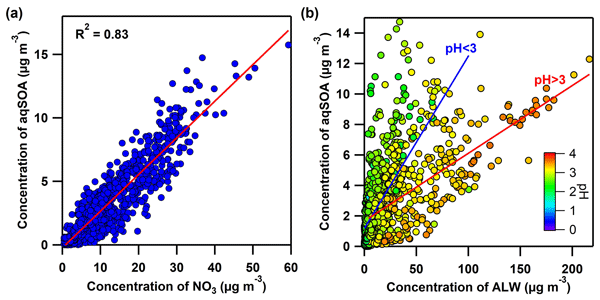
Qiu Wang, Tengyu Liu, Weiqi Xu, Jinbo Wang, Dafeng Ge, Caijun Zhu, Chuanhua Ren, Jiaping Wang, Qiaozhi Zha, Ximeng Qi, Wei Nie, Xuguang Chi, Sijia Lou, Xin Huang, and Aijun Ding
Atmos. Chem. Phys., 26, 3185–3194, https://doi.org/10.5194/acp-26-3185-2026, https://doi.org/10.5194/acp-26-3185-2026, 2026
Short summary
Short summary
The sources and formation mechanisms of aqueous secondary organic aerosol (aqSOA) remain unclear. This study investigates the characteristics and processing of aqSOA in polluted suburban environments in Eastern China. The results highlight the critical roles of nitrate, aerosol liquid water, acidity, and photochemistry in aqSOA formation and contribute to an improved understanding of aqSOA formation in polluted environments.
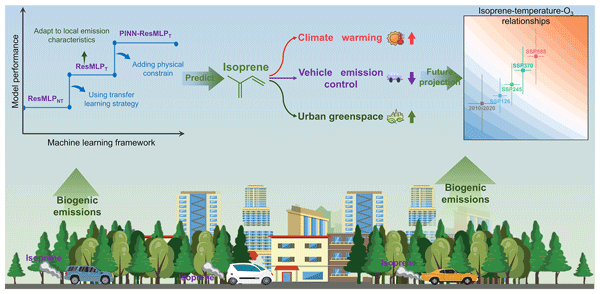
Song Liu, Xiaopu Lyu, Fumo Yang, Zongbo Shi, Xin Huang, Tengyu Liu, Hongli Wang, Mei Li, Jian Gao, Nan Chen, Guoliang Shi, Yu Zou, Chenglei Pei, Chengxu Tong, Xinyi Liu, Li Zhou, Alex B. Guenther, and Nan Wang
Atmos. Chem. Phys., 26, 635–646, https://doi.org/10.5194/acp-26-635-2026, https://doi.org/10.5194/acp-26-635-2026, 2026
Short summary
Short summary
We studied the invisible gas isoprene, which trees and vehicles release into the air and which can worsen urban smog. Using advanced computer learning trained on measurements from many cities, we uncovered how temperature, sunlight, and city greening shape isoprene levels. Comparing Hong Kong and London, we found climate warming boosts isoprene and future ozone pollution, but strong cuts in anthropogenic emission could limit this impact.
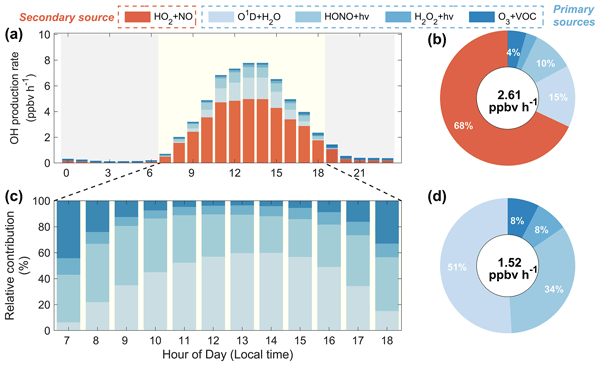
Haoran Zhang, Chengchun Shi, Chuanyou Ying, Shengheng Weng, Erling Ni, Lanbu Zhao, Peiheng Yang, Keqin Tang, Xueyu Zhou, Chuanhua Ren, Xuguang Chi, Derong Zhou, Mengmeng Li, Nan Li, Tengyu Liu, and Xin Huang
Atmos. Chem. Phys., 25, 16797–16816, https://doi.org/10.5194/acp-25-16797-2025, https://doi.org/10.5194/acp-25-16797-2025, 2025
Short summary
Short summary
This study reports a unique diurnal pattern of nitrous acid (HONO), featuring higher concentrations around noon, based on one-month measurements in coastal Fujian, southeast China. Using an improved chemical transport model, we successfully reproduced the observed HONO levels and temporal variations. Further process analyses and sensitivity experiments quantified the formation mechanisms of HONO in coastal areas and shed light on its impact on the formation of OH radicals and ozone.
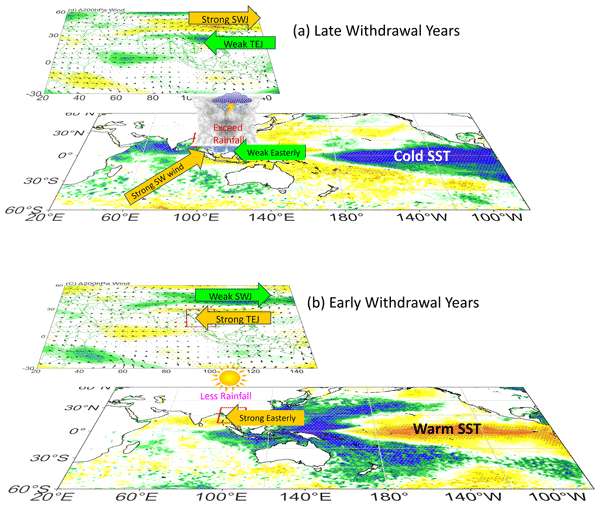
Kyaw Than Oo, Chen Haishan, Kazora Jonah, and Du Xinguan
Weather Clim. Dynam., 6, 1399–1417, https://doi.org/10.5194/wcd-6-1399-2025, https://doi.org/10.5194/wcd-6-1399-2025, 2025
Short summary
Short summary
The study examines the delayed withdrawal of the Mainland Indochina Southwest Monsoon by exploring spatial trends. The new Cumulative Change-Point Monsoon index effectively describes seasonal shifts. Results indicate stronger subtropical westerly jets and weaker tropical easterly jets in recent years, impacting wind patterns and delaying monsoon withdrawal.
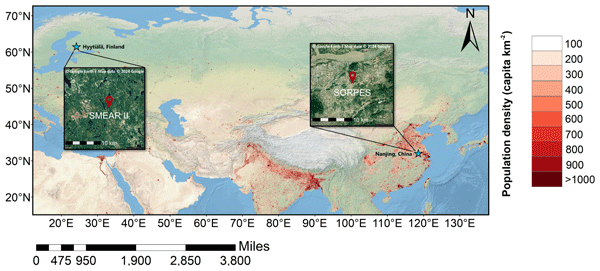
Tinghan Zhang, Ximeng Qi, Janne Lampilahti, Liangduo Chen, Xuguang Chi, Wei Nie, Xin Huang, Zehao Zou, Wei Du, Tom Kokkonen, Tuukka Petäjä, Katrianne Lehtipalo, Veli-Matti Kerminen, Aijun Ding, and Markku Kulmala
Atmos. Chem. Phys., 25, 10027–10048, https://doi.org/10.5194/acp-25-10027-2025, https://doi.org/10.5194/acp-25-10027-2025, 2025
Short summary
Short summary
By comparing air ions at two flagship sites – a boreal forest site in Finland and a megacity site in eastern China – we characterized ion concentrations and their roles in new particle formation (NPF) across contrasting environments. The ion-induced fraction was much higher in the clean boreal forest. However, earlier activation of charged particles and high ion-induced fraction during quiet NPF in the megacity site imply a non-negligible role for ion-induced NPF in polluted urban areas.

Le Wang, Xin Miao, Xinyun Hu, Yizhuo Li, Bo Qiu, Jun Ge, and Weidong Guo
The Cryosphere, 19, 2733–2750, https://doi.org/10.5194/tc-19-2733-2025, https://doi.org/10.5194/tc-19-2733-2025, 2025
Short summary
Short summary
Snow phenology is a crucial indicator for assessing seasonal changes in snow. In this work, we find that snow phenology is significantly impacted by the datasets and methods used, and current methods often overlook the spatial and temporal variability in snow across the Northern Hemisphere. To address this, we develop a dynamic-threshold method, which contributes to better representing the seasonal changes in snow cover across the Northern Hemisphere, especially on the Tibetan Plateau.
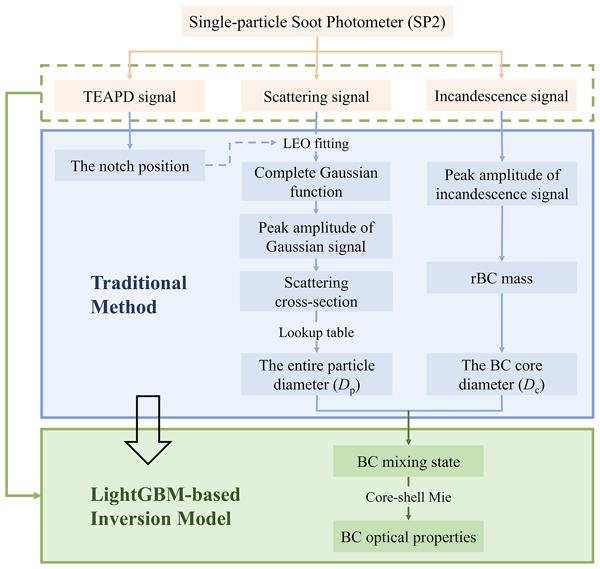
Zeyuan Tian, Jiandong Wang, Jiaping Wang, Chao Liu, Jia Xing, Jinbo Wang, Zhouyang Zhang, Yuzhi Jin, Sunan Shen, Bin Wang, Wei Nie, Xin Huang, and Aijun Ding
Atmos. Meas. Tech., 18, 1149–1162, https://doi.org/10.5194/amt-18-1149-2025, https://doi.org/10.5194/amt-18-1149-2025, 2025
Short summary
Short summary
The radiative effect of black carbon (BC) is substantially modulated by its mixing state, which is challenging to derive physically with a single-particle soot photometer. This study establishes a machine-learning-based inversion model which can accurately and efficiently acquire the BC mixing state. Compared to the widely used leading-edge-only method, our model utilizes a broader scattering signal coverage to more accurately capture diverse particle characteristics.
Zhiqi Xu, Jianping Guo, Guwei Zhang, Yuchen Ye, Haikun Zhao, and Haishan Chen
Earth Syst. Sci. Data, 16, 5753–5766, https://doi.org/10.5194/essd-16-5753-2024, https://doi.org/10.5194/essd-16-5753-2024, 2024
Short summary
Short summary
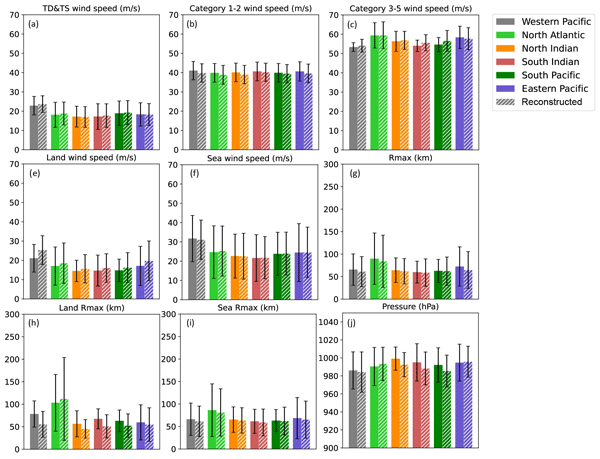
Tropical cyclones (TCs) are powerful weather systems that can cause extreme disasters. Here we generate a global long-term TC size and intensity reconstruction dataset, covering a time period from 1959 to 2022, with a 3 h temporal resolution, using machine learning models. These can be valuable for filling observational data gaps and advancing our understanding of TC climatology, thereby facilitating risk assessments and defenses against TC-related disasters.
Jinbo Wang, Jiaping Wang, Yuxuan Zhang, Tengyu Liu, Xuguang Chi, Xin Huang, Dafeng Ge, Shiyi Lai, Caijun Zhu, Lei Wang, Qiaozhi Zha, Ximeng Qi, Wei Nie, Congbin Fu, and Aijun Ding
Atmos. Chem. Phys., 24, 11063–11080, https://doi.org/10.5194/acp-24-11063-2024, https://doi.org/10.5194/acp-24-11063-2024, 2024
Short summary
Short summary
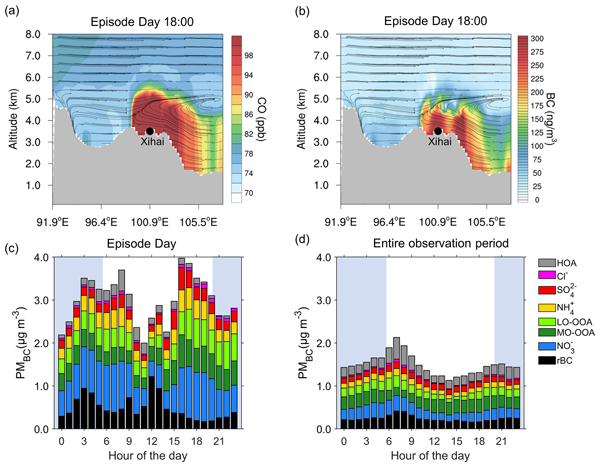
In this study, we found large spatial discrepancies in the physical and chemical properties of black carbon over the Tibetan Plateau (TP). Elevated anthropogenic emissions from low-altitude regions can significantly change the mass concentration, mixing state and chemical composition of black-carbon-containing aerosol in the TP region, further altering its light absorption ability. Our study emphasizes the vulnerability of remote plateau regions to intense anthropogenic influences.
Zheng Xiang, Yongkang Xue, Weidong Guo, Melannie D. Hartman, Ye Liu, and William J. Parton
Geosci. Model Dev., 17, 6437–6464, https://doi.org/10.5194/gmd-17-6437-2024, https://doi.org/10.5194/gmd-17-6437-2024, 2024
Short summary
Short summary
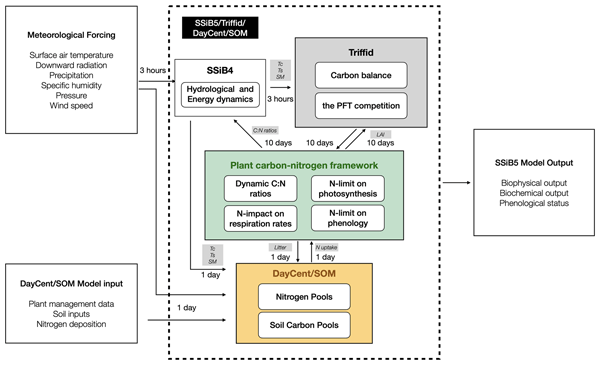
A process-based plant carbon (C)–nitrogen (N) interface coupling framework has been developed which mainly focuses on plant resistance and N-limitation effects on photosynthesis, plant respiration, and plant phenology. A dynamic C / N ratio is introduced to represent plant resistance and self-adjustment. The framework has been implemented in a coupled biophysical-ecosystem–biogeochemical model, and testing results show a general improvement in simulating plant properties with this framework.
Lijuan Chen, Ren Wang, Ying Fei, Peng Fang, Yong Zha, and Haishan Chen
Atmos. Meas. Tech., 17, 4411–4424, https://doi.org/10.5194/amt-17-4411-2024, https://doi.org/10.5194/amt-17-4411-2024, 2024
Short summary
Short summary
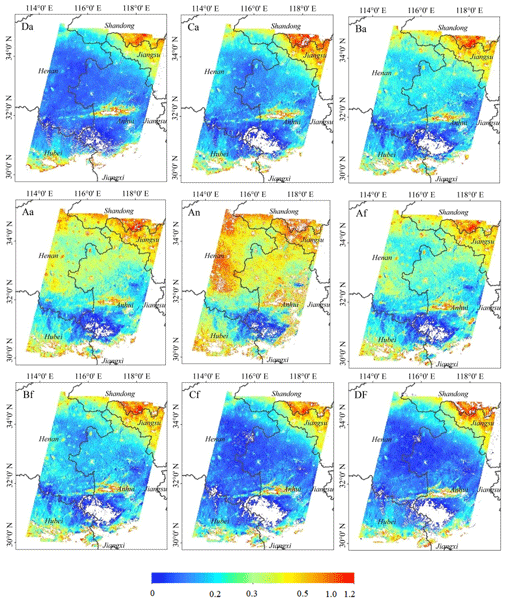
This study explores the problems of surface reflectance estimation from previous MISR satellite remote sensing images and develops an error correction model to obtain a higher-precision aerosol optical depth (AOD) product. High-accuracy AOD is important not only for the daily monitoring of air pollution but also for the study of energy exchange between land and atmosphere. This will help further improve the retrieval accuracy of multi-angle AOD on large spatial scales and for long time series.
Wenxuan Hua, Sijia Lou, Xin Huang, Lian Xue, Ke Ding, Zilin Wang, and Aijun Ding
Atmos. Chem. Phys., 24, 6787–6807, https://doi.org/10.5194/acp-24-6787-2024, https://doi.org/10.5194/acp-24-6787-2024, 2024
Short summary
Short summary
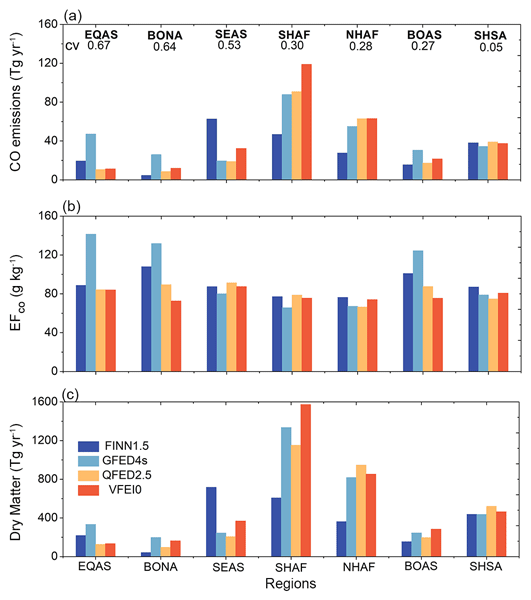
In this study, we diagnose uncertainties in carbon monoxide and organic carbon emissions from four inventories for seven major wildfire-prone regions. Uncertainties in vegetation classification methods, fire detection products, and cloud obscuration effects lead to bias in these biomass burning (BB) emission inventories. By comparing simulations with measurements, we provide certain inventory recommendations. Our study has implications for reducing uncertainties in emissions in further studies.
Yawen Liu, Yun Qian, Philip J. Rasch, Kai Zhang, Lai-yung Ruby Leung, Yuhang Wang, Minghuai Wang, Hailong Wang, Xin Huang, and Xiu-Qun Yang
Atmos. Chem. Phys., 24, 3115–3128, https://doi.org/10.5194/acp-24-3115-2024, https://doi.org/10.5194/acp-24-3115-2024, 2024
Short summary
Short summary
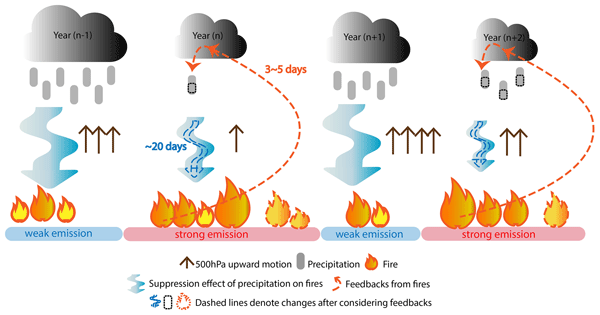
Fire management has long been a challenge. Here we report that spring-peak fire activity over southern Mexico and Central America (SMCA) has a distinct quasi-biennial signal by measuring multiple fire metrics. This signal is initially driven by quasi-biennial variability in precipitation and is further amplified by positive feedback of fire–precipitation interaction at short timescales. This work highlights the importance of fire–climate interactions in shaping fires on an interannual scale.
Shiyi Lai, Ximeng Qi, Xin Huang, Sijia Lou, Xuguang Chi, Liangduo Chen, Chong Liu, Yuliang Liu, Chao Yan, Mengmeng Li, Tengyu Liu, Wei Nie, Veli-Matti Kerminen, Tuukka Petäjä, Markku Kulmala, and Aijun Ding
Atmos. Chem. Phys., 24, 2535–2553, https://doi.org/10.5194/acp-24-2535-2024, https://doi.org/10.5194/acp-24-2535-2024, 2024
Short summary
Short summary
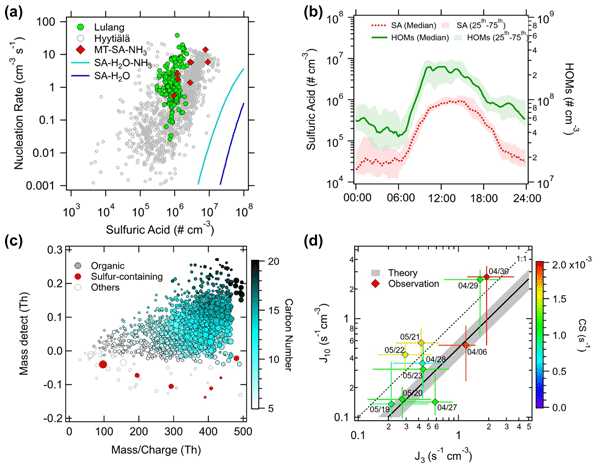
By combining in situ measurements and chemical transport modeling, this study investigates new particle formation (NPF) on the southeastern Tibetan Plateau. We found that the NPF was driven by the presence of biogenic gases and the transport of anthropogenic precursors. The NPF was vertically heterogeneous and shaped by the vertical mixing. This study highlights the importance of anthropogenic–biogenic interactions and meteorological dynamics in NPF in this climate-sensitive region.
Nan Wang, Hongyue Wang, Xin Huang, Xi Chen, Yu Zou, Tao Deng, Tingyuan Li, Xiaopu Lyu, and Fumo Yang
Atmos. Chem. Phys., 24, 1559–1570, https://doi.org/10.5194/acp-24-1559-2024, https://doi.org/10.5194/acp-24-1559-2024, 2024
Short summary
Short summary
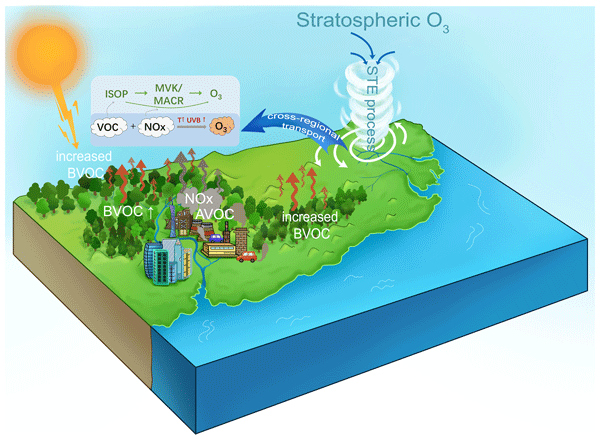
This study explores the influence of extreme-weather-induced natural processes on ozone pollution, which is often overlooked. By analyzing meteorological factors, natural emissions, chemistry pathways and atmospheric transport, we discovered that these natural processes could substantially exacerbate ozone pollution. The findings contribute to a deeper understanding of ozone pollution and offer valuable insights for controlling ozone pollution in the context of global warming.
Shanlei Sun, Zaoying Bi, Jingfeng Xiao, Yi Liu, Ge Sun, Weimin Ju, Chunwei Liu, Mengyuan Mu, Jinjian Li, Yang Zhou, Xiaoyuan Li, Yibo Liu, and Haishan Chen
Earth Syst. Sci. Data, 15, 4849–4876, https://doi.org/10.5194/essd-15-4849-2023, https://doi.org/10.5194/essd-15-4849-2023, 2023
Short summary
Short summary
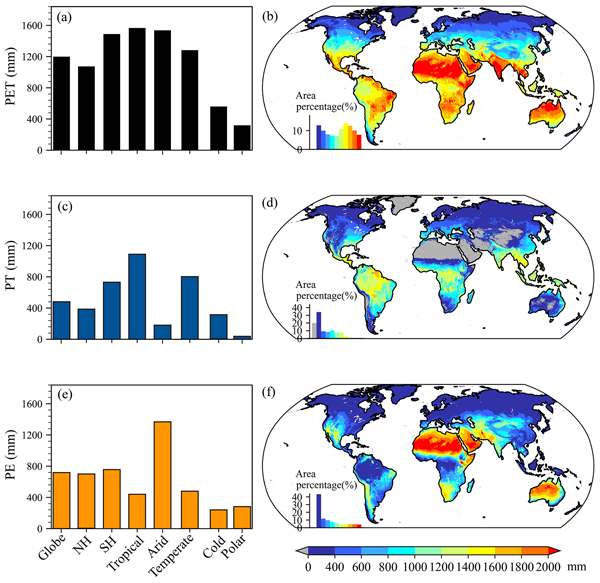
Based on various existing datasets, we comprehensively considered spatiotemporal differences in land surfaces and CO2 effects on plant stomatal resistance to parameterize the Shuttleworth–Wallace model, and we generated a global 5 km ensemble mean monthly potential evapotranspiration (PET) dataset (including potential transpiration PT and soil evaporation PE) during 1982–2015. The new dataset may be used by academic communities and various agencies to conduct various studies.
Chupeng Zhang, Shangfei Hai, Yang Gao, Yuhang Wang, Shaoqing Zhang, Lifang Sheng, Bin Zhao, Shuxiao Wang, Jingkun Jiang, Xin Huang, Xiaojing Shen, Junying Sun, Aura Lupascu, Manish Shrivastava, Jerome D. Fast, Wenxuan Cheng, Xiuwen Guo, Ming Chu, Nan Ma, Juan Hong, Qiaoqiao Wang, Xiaohong Yao, and Huiwang Gao
Atmos. Chem. Phys., 23, 10713–10730, https://doi.org/10.5194/acp-23-10713-2023, https://doi.org/10.5194/acp-23-10713-2023, 2023
Short summary
Short summary
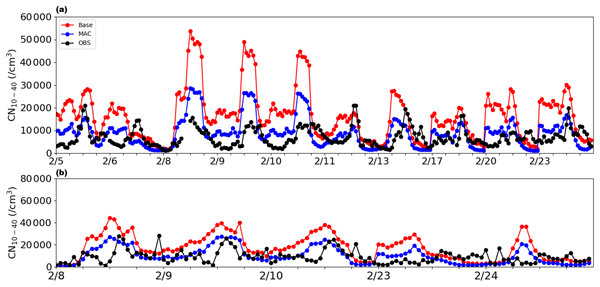
New particle formation is an important source of atmospheric particles, exerting critical influences on global climate. Numerical models are vital tools to understanding atmospheric particle evolution, which, however, suffer from large biases in simulating particle numbers. Here we improve the model chemical processes governing particle sizes and compositions. The improved model reveals substantial contributions of newly formed particles to climate through effects on cloud condensation nuclei.
Guangdong Niu, Ximeng Qi, Liangduo Chen, Lian Xue, Shiyi Lai, Xin Huang, Jiaping Wang, Xuguang Chi, Wei Nie, Veli-Matti Kerminen, Tuukka Petäjä, Markku Kulmala, and Aijun Ding
Atmos. Chem. Phys., 23, 7521–7534, https://doi.org/10.5194/acp-23-7521-2023, https://doi.org/10.5194/acp-23-7521-2023, 2023
Short summary
Short summary
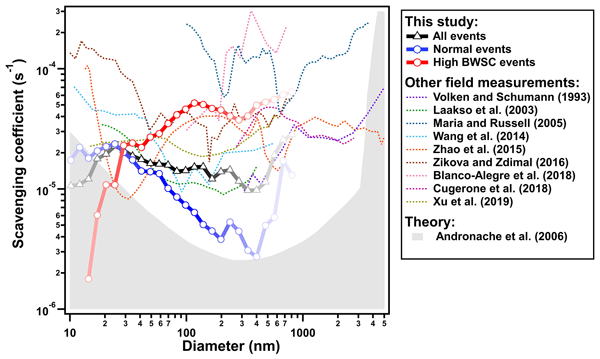
The reported below-cloud wet-scavenging coefficients (BWSCs) are much higher than theoretical data, but the reason remains unclear. Based on long-term observation, we find that air mass changing during rainfall events causes the overestimation of BWSCs. Thus, the discrepancy in BWSCs between observation and theory is not as large as currently believed. To obtain reasonable BWSCs and parameterizations from field observations, the effect of air mass changes needs to be considered.
Chuanhua Ren, Xin Huang, Tengyu Liu, Yu Song, Zhang Wen, Xuejun Liu, Aijun Ding, and Tong Zhu
Geosci. Model Dev., 16, 1641–1659, https://doi.org/10.5194/gmd-16-1641-2023, https://doi.org/10.5194/gmd-16-1641-2023, 2023
Short summary
Short summary
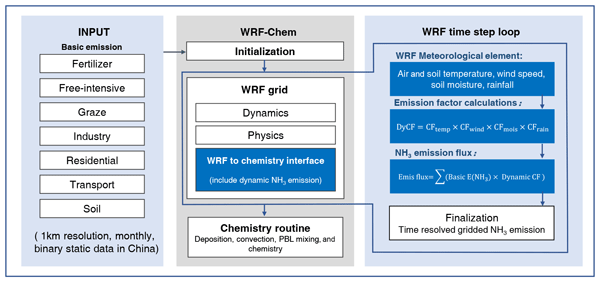
Ammonia in the atmosphere has wide impacts on the ecological environment and air quality, and its emission from soil volatilization is highly sensitive to meteorology, making it challenging to be well captured in models. We developed a dynamic emission model capable of calculating ammonia emission interactively with meteorological and soil conditions. Such a coupling of soil emission with meteorology provides a better understanding of ammonia emission and its contribution to atmospheric aerosol.
Zheng Xiang, Yongkang Xue, Weidong Guo, Melannie D. Hartman, Ye Liu, and William J. Parton
EGUsphere, https://doi.org/10.5194/egusphere-2022-1111, https://doi.org/10.5194/egusphere-2022-1111, 2022
Preprint archived
Short summary
Short summary
A process-based plant Carbon (C)-Nitrogen (N) interface coupling framework has been developed, which mainly focuses on the plant resistance and N limitation effects on photosynthesis, plant respiration, and plant phenology. A dynamic C / N ratio is introduced to represent plant resistance and self-adjustment. The framework has been implemented in a coupled biophysical-ecosystem-biogeochemical model and testing results show a general improvement in simulating plant properties with this framework.
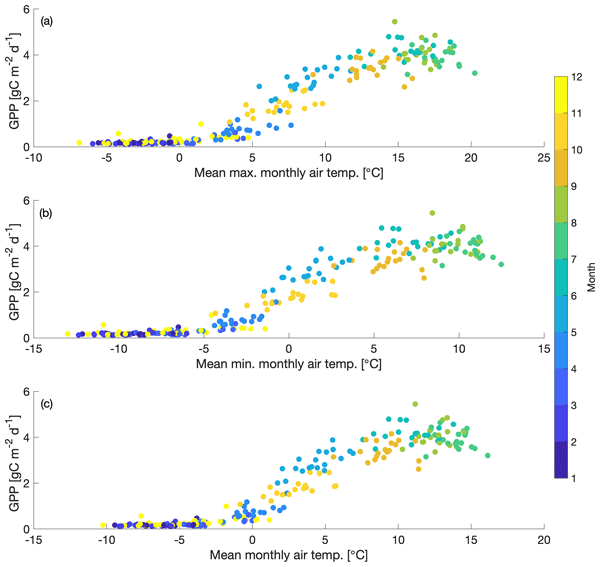
Stephanie G. Stettz, Nicholas C. Parazoo, A. Anthony Bloom, Peter D. Blanken, David R. Bowling, Sean P. Burns, Cédric Bacour, Fabienne Maignan, Brett Raczka, Alexander J. Norton, Ian Baker, Mathew Williams, Mingjie Shi, Yongguang Zhang, and Bo Qiu
Biogeosciences, 19, 541–558, https://doi.org/10.5194/bg-19-541-2022, https://doi.org/10.5194/bg-19-541-2022, 2022
Short summary
Short summary
Uncertainty in the response of photosynthesis to temperature poses a major challenge to predicting the response of forests to climate change. In this paper, we study how photosynthesis in a mountainous evergreen forest is limited by temperature. This study highlights that cold temperature is a key factor that controls spring photosynthesis. Including the cold-temperature limitation in an ecosystem model improved its ability to simulate spring photosynthesis.
Cited articles
Agathokleous, E., Feng, Z., Oksanen, E., Sicard, P., Wang, Q., Saitanis, C. J., Araminiene, V., Blande, J. D., Hayes, F., Calatayud, V., Domingos, M., Veresoglou, S. D., Penuelas, J., Wardle, D. A., De Marco, A., Li, Z., Harmens, H., Yuan, X., Vitale, M., and Paoletti, E.: Ozone affects plant, insect, and soil microbial communities: A threat to terrestrial ecosystems and biodiversity, Sci. Adv., 6, https://doi.org/10.1126/sciadv.abc1176, 2020.
Ainsworth, E. A., Yendrek, C. R., Sitch, S., Collins, W. J., and Emberson, L. D.: The Effects of Tropospheric Ozone on Net Primary Productivity and Implications for Climate Change, Annu. Rev. Plant Biol., 63, 637–661, https://doi.org/10.1146/annurev-arplant-042110-103829, 2012.
Cao, J., Yue, X., and Ma, M.: Simulation of ozone–vegetation coupling and feedback in China using multiple ozone damage schemes, Atmos. Chem. Phys., 24, 3973–3987, https://doi.org/10.5194/acp-24-3973-2024, 2024.
Castagna, A. and Ranieri, A.: Detoxification and repair process of ozone injury: From O3 uptake to gene expression adjustment, Environ. Pollut., 157, 1461–1469, https://doi.org/10.1016/j.envpol.2008.09.029, 2009.
Cheesman, A. W., Brown, F., Artaxo, P., Farha, M. N., Folberth, G. A., Hayes, F. J., Heinrich, V. H. A., Hill, T. C., Mercado, L. M., Oliver, R. J., O' Sullivan, M., Uddling, J., Cernusak, L. A., and Sitch, S.: Reduced productivity and carbon drawdown of tropical forests from ground-level ozone exposure, Nat. Geosci., https://doi.org/10.1038/s41561-024-01530-1, 2024.
Collatz, G. J., Ball, J. T., Grivet, C., and Berry, J. A.: Physiological and environmental regulation of stomatal conductance, photosynthesis and transpiration: a model that includes a laminar boundary layer, Agr. Forest Meteorol., 54, 107–136, https://doi.org/10.1016/0168-1923(91)90002-8, 1991.
Ducker, J. A., Holmes, C. D., Keenan, T. F., Fares, S., Goldstein, A. H., Mammarella, I., Munger, J. W., and Schnell, J.: Synthetic ozone deposition and stomatal uptake at flux tower sites, Biogeosciences, 15, 5395–5413, https://doi.org/10.5194/bg-15-5395-2018, 2018.
Emberson, L.: Effects of ozone on agriculture, forests and grasslands, Philos. T. Roy. Soc. A, 378, https://doi.org/10.1098/rsta.2019.0327, 2020.
Felzer, B. S., Cronin, T. W., Melillo, J. M., Kicklighter, D. W., and Schlosser, C. A.: Importance of carbon–nitrogen interactions and ozone on ecosystem hydrology during the 21st century, J. Geophys. Res.-Biogeo., 114, https://doi.org/10.1029/2008jg000826, 2009.
Feng, Z., Büker, P., Pleijel, H., Emberson, L., Karlsson, P. E., and Uddling, J.: A unifying explanation for variation in ozone sensitivity among woody plants, Glob. Change Biol., 24, 78–84, https://doi.org/10.1111/gcb.13824, 2018.
Feng, Z. Z., Agathokleous, E., Yue, X., Oksanen, E., Paoletti, E., Sase, H., Gandin, A., Koike, T., Calatayud, V., Yuan, X. Y., Liu, X. J., De Marco, A., Jolivet, Y., Kontunen-Soppela, S., Hoshika, Y., Saji, H., Li, P., Li, Z., Watanabe, M., and Kobayashi, K.: Emerging challenges of ozone impacts on asian plants: actions are needed to protect ecosystem health, Ecosystem Health and Sustainability, 7, https://doi.org/10.1080/20964129.2021.1911602, 2021.
Grulke, N. E. and Heath, R. L.: Ozone effects on plants in natural ecosystems, Plant Biology, 22, 12–37, https://doi.org/10.1111/plb.12971, 2020.
Hayes, F., Jones, M. L. M., Mills, G., and Ashmore, M.: Meta-analysis of the relative sensitivity of semi-natural vegetation species to ozone, Environ. Pollut., 146, 754–762, https://doi.org/10.1016/j.envpol.2006.06.011, 2007.
He, L., Shang, B., Agathokleous, E., Yuan, X., Xu, Y., and Feng, Z.: Changes in the trade-offs between photosynthesis and detoxification capacity among different tree species under ozone pollution, Environ. Pollut., 384, 127013, https://doi.org/10.1016/j.envpol.2025.127013, 2025.
Heath, R. L. and Taylor, G. E.: Physiological Processes and Plant Responses to Ozone Exposure, in: Forest Decline and Ozone: A Comparison of Controlled Chamber and Field Experiments, edited by: Sandermann, H., Wellburn, A. R., and Heath, R. L., Springer, Berlin, Heidelberg, 317–368, https://doi.org/10.1007/978-3-642-59233-1_10, 1997.
Heath, R. L., Lefohn, A. S., and Musselman, R. C.: Temporal processes that contribute to nonlinearity in vegetation responses to ozone exposure and dose, Atmos. Environ., 43, 2919–2928, https://doi.org/10.1016/j.atmosenv.2009.03.011, 2009.
Jin, Z., Yan, D., Zhang, Z., Li, M., Wang, T., Huang, X., Xie, M., Li, S., and Zhuang, B.: Effects of Elevated Ozone Exposure on Regional Meteorology and Air Quality in China Through Ozone-Vegetation Coupling, J. Geophys. Res.-Atmos., 128, e2022JD038119, https://doi.org/10.1029/2022JD038119, 2023.
Jung, M., Schwalm, C., Migliavacca, M., Walther, S., Camps-Valls, G., Koirala, S., Anthoni, P., Besnard, S., Bodesheim, P., Carvalhais, N., Chevallier, F., Gans, F., Goll, D. S., Haverd, V., Köhler, P., Ichii, K., Jain, A. K., Liu, J., Lombardozzi, D., Nabel, J. E. M. S., Nelson, J. A., O'Sullivan, M., Pallandt, M., Papale, D., Peters, W., Pongratz, J., Rödenbeck, C., Sitch, S., Tramontana, G., Walker, A., Weber, U., and Reichstein, M.: Scaling carbon fluxes from eddy covariance sites to globe: synthesis and evaluation of the FLUXCOM approach, Biogeosciences, 17, 1343–1365, https://doi.org/10.5194/bg-17-1343-2020, 2020.
Keronen, P., Reissell, A., Rannik, Ü., Pohja, T., Siivola, E., Hiltunen, V., Hari, P., Kulmala, M., and Vesala, T.: Ozone flux measurements over a Scots pine forest using eddy covariance method: Performance evaluation and comparison with flux-profile method, Boreal Environ. Res., 8, 425–443, 2003.
Li, F., Zhou, Z., Levis, S., Sitch, S., Hayes, F., Feng, Z., Reich, P. B., Zhao, Z., and Zhou, Y.: Quantifying the role of ozone-caused damage to vegetation in the Earth system: a new parameterization scheme for photosynthetic and stomatal responses, Geosci. Model Dev., 17, 6173–6193, https://doi.org/10.5194/gmd-17-6173-2024, 2024.
Li, J., Wang, X., Wang, Z.-H., Wang, B., Wang, C.-Z., Deng, M.-F., and Liu, L.-L.: Effects of ozone and aerosol pollution on photosynthesis of poplar leaves, Chinese Journal of Plant Ecology, 44, 854–863, https://doi.org/10.17521/cjpe.2020.0022, 2020.
Li, K., Jacob, D. J., Liao, H., Qiu, Y. L., Shen, L., Zhai, S. X., Bates, K. H., Sulprizio, M. P., Song, S. J., Lu, X., Zhang, Q., Zheng, B., Zhang, Y. L., Zhang, J. Q., Lee, H. C., and Kuk, S. K.: Ozone pollution in the North China Plain spreading into the late-winter haze season, P. Natl. Acad. Sci. USA, 118, https://doi.org/10.1073/pnas.2015797118, 2021.
Li, L.: Dataset and Code for publication titled “Integrating Ozone–vegetation Damage Schemes into SSiB4/TRIFFID: Evaluation of Six Parameterizations and Refinement of Ozone Decay Process Across Plant Functional Types”, Zenodo [code and data set], https://doi.org/10.5281/zenodo.18927710, 2026.
Li, P., Feng, Z., Catalayud, V., Yuan, X., Xu, Y., and Paoletti, E.: A meta-analysis on growth, physiological, and biochemical responses of woody species to ground-level ozone highlights the role of plant functional types, Plant Cell Environ., 40, 2369–2380, https://doi.org/10.1111/pce.13043, 2017.
Li, S., Leakey, A. D. B., Moller, C. A., Montes, C. M., Sacks, E. J., Lee, D., and Ainsworth, E. A.: Similar photosynthetic but different yield responses of C3 and C3 crops to elevated O3, P. Natl. Acad. Sci. USA, 120, e2313591120, https://doi.org/10.1073/pnas.2313591120, 2023.
Li, X. and Xiao, J.: A Global, 0.05-Degree Product of Solar-Induced Chlorophyll Fluorescence Derived from OCO-2, MODIS, and Reanalysis Data, Remote Sens.-Basel, 11, https://doi.org/10.3390/rs11050517, 2019.
Liang, S. L., Cheng, J., Jia, K., Jiang, B., Liu, Q., Xiao, Z. Q., Yao, Y. J., Yuan, W. P., Zhang, X. T., Zhao, X., and Zhou, J.: The Global Land Surface Satellite (GLASS) Product Suite, B. Am. Meteorol. Soc., 102, E323-E337, https://doi.org/10.1175/bams-d-18-0341.1, 2021.
Lin, M., Horowitz, L. W., Xie, Y., Paulot, F., Malyshev, S., Shevliakova, E., Finco, A., Gerosa, G., Kubistin, D., and Pilegaard, K.: Vegetation feedbacks during drought exacerbate ozone air pollution extremes in Europe, Nat. Clim. Change, 10, 444–451, https://doi.org/10.1038/s41558-020-0743-y, 2020.
Liu, X., Chu, B., Tang, R., Liu, Y., Qiu, B., Gao, M., Li, X., Xiao, J., Sun, H. Z., Huang, X., Desai, A. R., Ding, A., and Wang, H.: Air quality improvements can strengthen China's food security, Nat. Food, https://doi.org/10.1038/s43016-023-00882-y, 2024.
Liu, Y., Xue, Y., MacDonald, G., Cox, P., and Zhang, Z.: Global vegetation variability and its response to elevated CO2, global warming, and climate variability – a study using the offline SSiB4/TRIFFID model and satellite data, Earth Syst. Dynam., 10, 9–29, https://doi.org/10.5194/esd-10-9-2019, 2019.
Liu, Z., Zhou, M., Li, D., Song, T., Yue, X., Lu, X., Zhao, Y., and Zhang, L.: Co-benefit of forestation on ozone air quality and carbon storage in South China, Nat. Commun., 16, 2429, https://doi.org/10.1038/s41467-025-57548-5, 2025.
Lombardozzi, D., Levis, S., Bonan, G., Hess, P. G., and Sparks, J. P.: The Influence of Chronic Ozone Exposure on Global Carbon and Water Cycles, J. Climate, 28, 292–305, https://doi.org/10.1175/jcli-d-14-00223.1, 2015.
Long, X., Han, Y., Wang, Q. Y., Li, X. K., Feng, T., Wang, Y. C., Wang, Y., Zhang, S. L., Han, Y. M., Li, G. H., Tie, X. X., Cao, J. J., and Chen, Y.: Adverse Effects of Ozone Pollution on Net Primary Productivity in the North China Plain, Geophys. Res. Lett., 51, e2023GL105209, https://doi.org/10.1029/2023GL105209, 2024.
Lu, X., Hong, J., Zhang, L., Cooper, O. R., Schultz, M. G., Xu, X., Wang, T., Gao, M., Zhao, Y., and Zhang, Y.: Severe Surface Ozone Pollution in China: A Global Perspective, Environ. Sci. Tech. Let., 5, 487–494, https://doi.org/10.1021/acs.estlett.8b00366, 2018.
Ma, Y., Yue, X., Sitch, S., Unger, N., Uddling, J., Mercado, L. M., Gong, C., Feng, Z., Yang, H., Zhou, H., Tian, C., Cao, Y., Lei, Y., Cheesman, A. W., Xu, Y., and Duran Rojas, M. C.: Implementation of trait-based ozone plant sensitivity in the Yale Interactive terrestrial Biosphere model v1.0 to assess global vegetation damage, Geosci. Model Dev., 16, 2261–2276, https://doi.org/10.5194/gmd-16-2261-2023, 2023.
Mills, G., Pleijel, H., Braun, S., Büker, P., Bermejo, V., Calvo, E., Danielsson, H., Emberson, L., Fernández, I. G., Grünhage, L., Harmens, H., Hayes, F., Karlsson, P.-E., and Simpson, D.: New stomatal flux-based critical levels for ozone effects on vegetation, Atmos. Environ., 45, 5064–5068, https://doi.org/10.1016/j.atmosenv.2011.06.009, 2011.
Monks, P. S., Archibald, A. T., Colette, A., Cooper, O., Coyle, M., Derwent, R., Fowler, D., Granier, C., Law, K. S., Mills, G. E., Stevenson, D. S., Tarasova, O., Thouret, V., von Schneidemesser, E., Sommariva, R., Wild, O., and Williams, M. L.: Tropospheric ozone and its precursors from the urban to the global scale from air quality to short-lived climate forcer, Atmos. Chem. Phys., 15, 8889–8973, https://doi.org/10.5194/acp-15-8889-2015, 2015.
Moreno-Martínez, Á., Camps-Valls, G., Kattge, J., Robinson, N., Reichstein, M., van Bodegom, P., Kramer, K., Cornelissen, J. H. C., Reich, P., Bahn, M., Niinemets, Ü., Peñuelas, J., Craine, J. M., Cerabolini, B. E. L., Minden, V., Laughlin, D. C., Sack, L., Allred, B., Baraloto, C., Byun, C., Soudzilovskaia, N. A., and Running, S. W.: A methodology to derive global maps of leaf traits using remote sensing and climate data, Remote Sens. Environ., 218, 69–88, https://doi.org/10.1016/j.rse.2018.09.006, 2018.
Munger, J. W., Wofsy, S. C., Bakwin, P. S., Fan, S.-M., Goulden, M. L., Daube, B. C., Goldstein, A. H., Moore, K. E., and Fitzjarrald, D. R.: Atmospheric deposition of reactive nitrogen oxides and ozone in a temperate deciduous forest and a subarctic woodland: 1. Measurements and mechanisms, J. Geophys. Res.-Atmos., 101, 12639–12657, https://doi.org/10.1029/96JD00230, 1996.
Muñoz Sabater, J.: ERA5-Land hourly data from 1981 to present [data set], https://doi.org/10.24381/cds.e2161bac, 2019.
Pleijel, H., Danielsson, H., and Broberg, M. C.: Benefits of the Phytotoxic Ozone Dose (POD) index in dose-response functions for wheat yield loss, Atmos. Environ., 268, 118797, https://doi.org/10.1016/j.atmosenv.2021.118797, 2022.
Ren, W., Tian, H., Tao, B., Chappelka, A., Sun, G., Lu, C., Liu, M., Chen, G., and Xu, X.: Impacts of tropospheric ozone and climate change on net primary productivity and net carbon exchange of China's forest ecosystems, Global Ecol. Biogeogr., 20, 391–406, https://doi.org/10.1111/j.1466-8238.2010.00606.x, 2011.
Sellers, P. J., Randall, D. A., Collatz, G. J., Berry, J. A., Field, C. B., Dazlich, D. A., Zhang, C., Collelo, G. D., and Bounoua, L.: A revised land surface parameterization (SiB2) for atmospheric GCMs, 1. Model formulation, J. Climate, 9, 676–705, https://doi.org/10.1175/1520-0442(1996)009<0676:Arlspf>2.0.Co;2, 1996.
Sitch, S., Cox, P. M., Collins, W. J., and Huntingford, C.: Indirect radiative forcing of climate change through ozone effects on the land-carbon sink, Nature, 448, 791-U794, https://doi.org/10.1038/nature06059, 2007.
Tarasick, D., Galbally, I. E., Cooper, O. R., Schultz, M. G., Ancellet, G., Leblanc, T., Wallington, T. J., Ziemke, J., Liu, X., Steinbacher, M., Staehelin, J., Vigouroux, C., Hannigan, J. W., García, O., Foret, G., Zanis, P., Weatherhead, E., Petropavlovskikh, I., Worden, H., Osman, M., Liu, J., Chang, K.-L., Gaudel, A., Lin, M., Granados-Muñoz, M., Thompson, A. M., Oltmans, S. J., Cuesta, J., Dufour, G., Thouret, V., Hassler, B., Trickl, T., and Neu, J. L.: Tropospheric Ozone Assessment Report: Tropospheric ozone from 1877–2016, observed levels, trends and uncertainties, Elementa: Science of the Anthropocene, 7, 39, https://doi.org/10.1525/elementa.376, 2019.
Turnock, S. T., Allen, R. J., Andrews, M., Bauer, S. E., Deushi, M., Emmons, L., Good, P., Horowitz, L., John, J. G., Michou, M., Nabat, P., Naik, V., Neubauer, D., O'Connor, F. M., Olivié, D., Oshima, N., Schulz, M., Sellar, A., Shim, S., Takemura, T., Tilmes, S., Tsigaridis, K., Wu, T., and Zhang, J.: Historical and future changes in air pollutants from CMIP6 models, Atmos. Chem. Phys., 20, 14547–14579, https://doi.org/10.5194/acp-20-14547-2020, 2020.
Wang, T., Xue, L., Feng, Z., Dai, J., Zhang, Y., and Tan, Y.: Ground-level ozone pollution in China: a synthesis of recent findings on influencing factors and impacts, Environ. Res. Lett., 17, https://doi.org/10.1088/1748-9326/ac69fe, 2022.
Wang, Y. P., Lu, X. J., Wright, I. J., Dai, Y. J., Rayner, P. J., and Reich, P. B.: Correlations among leaf traits provide a significant constraint on the estimate of global gross primary production, Geophys. Res. Lett., 39, https://doi.org/10.1029/2012GL053461, 2012.
Wittig, V. E., Ainsworth, E. A., and Long, S. P.: To what extent do current and projected increases in surface ozone affect photosynthesis and stomatal conductance of trees? A meta-analytic review of the last 3 decades of experiments, Plant Cell Environ., 30, 1150–1162, https://doi.org/10.1111/j.1365-3040.2007.01717.x, 2007.
Xie, X. D., Wang, T. J., Yue, X., Li, S., Zhuang, B. L., Wang, M. H., and Yang, X. Q.: Numerical modeling of ozone damage to plants and its effects on atmospheric CO2 in China, Atmos. Environ., 217, https://doi.org/10.1016/j.atmosenv.2019.116970, 2019.
Yue, X. and Unger, N.: Ozone vegetation damage effects on gross primary productivity in the United States, Atmos. Chem. Phys., 14, 9137–9153, https://doi.org/10.5194/acp-14-9137-2014, 2014.
Yue, X., Unger, N., Harper, K., Xia, X., Liao, H., Zhu, T., Xiao, J., Feng, Z., and Li, J.: Ozone and haze pollution weakens net primary productivity in China, Atmos. Chem. Phys., 17, 6073–6089, https://doi.org/10.5194/acp-17-6073-2017, 2017.
Zhan, X. W., Xue, Y. K., and Collatz, G. J.: An analytical approach for estimating CO2 and heat fluxes over the Amazonian region, Ecol. Model., 162, 97–117, https://doi.org/10.1016/s0304-3800(02)00405-2, 2003.
Zhang, H., Liu, D., Dong, W., Cai, W., and Yuan, W.: Accurate representation of leaf longevity is important for simulating ecosystem carbon cycle, Basic Appl. Ecol., 17, 396–407, https://doi.org/10.1016/j.baae.2016.01.006, 2016.
Zhang, W., Liu, D., Tian, H., Pan, N., Yang, R., Tang, W., Yang, J., Lu, F., Dayananda, B., Mei, H., Wang, S., and Shi, H.: Parsimonious estimation of hourly surface ozone concentration across China during 2015–2020, Sci. Data, 11, 492, https://doi.org/10.1038/s41597-024-03302-3, 2024.
Zhang, Z., Xue, Y., MacDonald, G., Cox, P. M., and Collatz, G. J.: Investigation of North American vegetation variability under recent climate: A study using the SSiB4/TRIFFID biophysical/dynamic vegetation model, J. Geophys. Res.-Atmos., 120, 1300–1321, https://doi.org/10.1002/2014jd021963, 2015.
Zhou, H., Yue, X., Dai, H., Geng, G., Yuan, W., Chen, J., Shen, G., Zhang, T., Zhu, J., and Liao, H.: Recovery of ecosystem productivity in China due to the Clean Air Action plan, Nat. Geosci., https://doi.org/10.1038/s41561-024-01586-z, 2024.
Zhu, J., Tai, A. P. K., and Hung Lam Yim, S.: Effects of ozone–vegetation interactions on meteorology and air quality in China using a two-way coupled land–atmosphere model, Atmos. Chem. Phys., 22, 765–782, https://doi.org/10.5194/acp-22-765-2022, 2022.
Short summary
Ground-level ozone can reduce plant growth, but models represent this damage in different ways. We tested six approaches in the same vegetation model for China during the 2010s. They estimated that ozone reduced plant carbon uptake by 17 % to 27 %, averaging about 21 %. Approaches based on broader observations and leaf traits matched measurements more closely, while using leaf lifespan improved how the model represented the accumulation and decline of ozone damage.
Ground-level ozone can reduce plant growth, but models represent this damage in different ways....


