
Articles | Volume 19, issue 10
https://doi.org/10.5194/gmd-19-4467-2026
© Author(s) 2026. This work is distributed under
the Creative Commons Attribution 4.0 License.
the Creative Commons Attribution 4.0 License.
https://doi.org/10.5194/gmd-19-4467-2026
© Author(s) 2026. This work is distributed under
the Creative Commons Attribution 4.0 License.
the Creative Commons Attribution 4.0 License.
Model description paper
| 
27 May 2026
Model description paper |
| 27 May 2026
| 27 May 2026
H2CM (v1.0): hybrid modeling of global water–carbon cycles constrained by atmospheric and land observations

Department of Biogeochemical Integration, Max Planck Institute for Biogeochemistry, Jena, Germany
Department of Aerospace and Geodesy, TUM School of Engineering and Design, Technical University of Munich (TUM), Munich, Germany
Markus Reichstein
Department of Biogeochemical Integration, Max Planck Institute for Biogeochemistry, Jena, Germany
ELLIS Unit Jena at Michael‐Stifel‐Center Jena for Data‐driven and Simulation Science, Jena, Germany
Basil Kraft
ETH Zurich, Environmental Systems Science, Zurich, Switzerland
Bernhard Ahrens
Department of Biogeochemical Integration, Max Planck Institute for Biogeochemistry, Jena, Germany
Marco Körner
Department of Aerospace and Geodesy, TUM School of Engineering and Design, Technical University of Munich (TUM), Munich, Germany
Munich Data Science Institute, Technical University of Munich (TUM), Munich, Germany
Martin Jung
Department of Biogeochemical Integration, Max Planck Institute for Biogeochemistry, Jena, Germany
Related authors
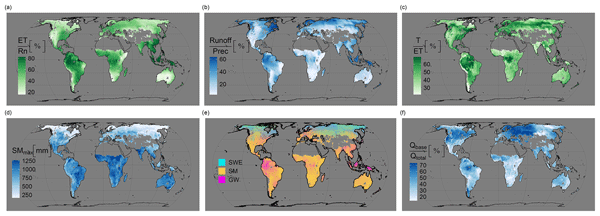
Zavud Baghirov, Martin Jung, Markus Reichstein, Marco Körner, and Basil Kraft
Geosci. Model Dev., 18, 2921–2943, https://doi.org/10.5194/gmd-18-2921-2025, https://doi.org/10.5194/gmd-18-2921-2025, 2025
Short summary
Short summary
We use an innovative approach to studying the Earth's water cycle by integrating advanced machine learning techniques with a traditional water cycle model. Our model is designed to learn from observational data, with a particular emphasis on understanding the influence of vegetation on water movement. By closely aligning with real-world observations, our model offers new possibilities for enhancing our understanding of the water cycle and its interactions with vegetation.
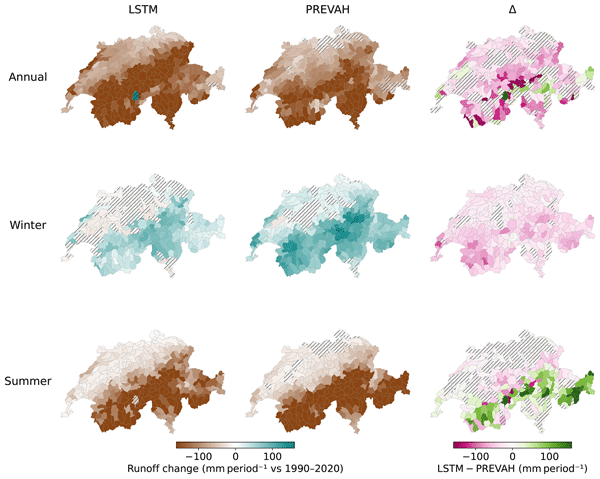
Fabien Courvoisier, Basil Kraft, Yann Yasser Haddad, Massimiliano Zappa, and Lukas Gudmundsson
Hydrol. Earth Syst. Sci., 30, 5873–5900, https://doi.org/10.5194/hess-30-5873-2026, https://doi.org/10.5194/hess-30-5873-2026, 2026
Short summary
Short summary
Climate change strongly modifies runoff in alpine regions like Switzerland, altering water supply and affecting both human sectors and natural ecosystems. We test whether a model that learns only from past observations can credibly project future runoff under climate scenarios. It captures major expected shifts and reveals known limits for extremes. Its speed and ability to generalize across catchments make it a promising tool for assessing climate impacts on water resources.
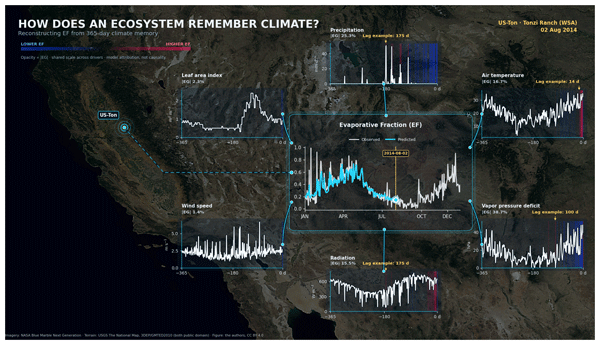
Wenli Zhao, Alexander J. Winkler, Markus Reichstein, Rene Orth, and Pierre Gentine
Hydrol. Earth Syst. Sci., 30, 5373–5394, https://doi.org/10.5194/hess-30-5373-2026, https://doi.org/10.5194/hess-30-5373-2026, 2026
Short summary
Short summary
We used explainable machine learning that incorporates memory effects to study how plants respond to weather and drought. Using data from 90 sites worldwide, we show that memory plays a key role in regulating plant water stress. Forests and savannas rely on longer past conditions than grasslands, reflecting differences in rooting depth and water use. These insights improve our ability to anticipate ecosystem vulnerability as droughts intensify.
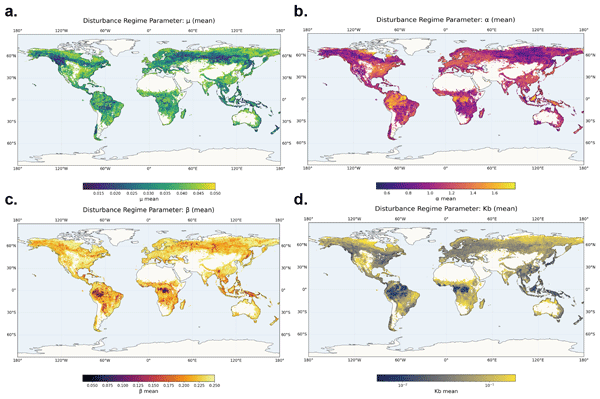
Siyuan Wang, Hui Yang, Sujan Koirala, Maurizio Santoro, Anna Candotti, Ulrich Weber, Ranit De, Claire Robin, Felix Cremer, Matthias Forkel, Markus Reichstein, and Nuno Carvalhais
Earth Syst. Sci. Data, 18, 5895–5913, https://doi.org/10.5194/essd-18-5895-2026, https://doi.org/10.5194/essd-18-5895-2026, 2026
Short summary
Short summary
Forest disturbances are difficult to predict in models because they occur randomly. We discovered that the long-term rules of disturbance known as
regimeleave a unique footprint in a forest's spatial biomass patterns. We trained a model on millions of computer simulations to learn this link. By applying this model to detailed satellite biomass, we could read these patterns to infer the disturbance regime globally, helping make climate projections more accurate.
Joana Reuss, Ekaterina Gikalo, and Marco Körner
ISPRS Ann. Photogramm. Remote Sens. Spatial Inf. Sci., XI-3-2026, 787–795, https://doi.org/10.5194/isprs-annals-XI-3-2026-787-2026, https://doi.org/10.5194/isprs-annals-XI-3-2026-787-2026, 2026
Lorenzo Beltrame, Jules Salzinger, Filip Svoboda, Phillipp Fanta-Jende, Jasmin Lampert, Radu Timofte, and Marco Körner
ISPRS Ann. Photogramm. Remote Sens. Spatial Inf. Sci., XI-3-2026, 11–18, https://doi.org/10.5194/isprs-annals-XI-3-2026-11-2026, https://doi.org/10.5194/isprs-annals-XI-3-2026-11-2026, 2026
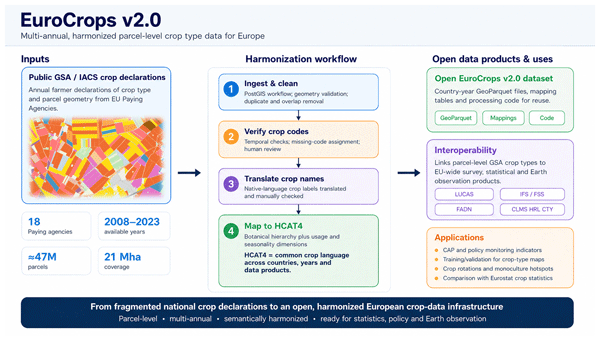
Martin Claverie, Ayshah Chan, Linda See, Helena Ramos, Renate Koeble, Momchil Yordanov, Jon Olav Skøien, Ferdinando Urbano, Raphael d'Andrimont, Maja Schneider, Marco Körner, and Marijn Van der Velde
Earth Syst. Sci. Data, 18, 4075–4095, https://doi.org/10.5194/essd-18-4075-2026, https://doi.org/10.5194/essd-18-4075-2026, 2026
Short summary
Short summary
The Eurocrops v2.0 dataset contains several years of farmer crop declarations from 16 Member States for the Common Agricultural Policy. These data were harmonized with a crop taxonomy and then linked to other classification systems including agricultural statistics and remotely sensed products. This dataset can support researchers and policy makers in tracking changes over time, calculating crop rotations, for national comparisons, for evaluating official statistics and for remote sensing.

Samuel Upton, Markus Reichstein, Wouter Peters, Santiago Botía, Jacob A. Nelson, Sophia Walther, Martin Jung, Fabian Gans, László Haszpra, and Ana Bastos
Atmos. Chem. Phys., 26, 2561–2595, https://doi.org/10.5194/acp-26-2561-2026, https://doi.org/10.5194/acp-26-2561-2026, 2026
Short summary
Short summary
We create a hybrid ecosystem-level carbon flux model using both eddy-covariance observations and observations of the atmospheric mole fraction of CO2 at three tall-tower observatories. Our study uses an atmospheric transport model (STILT) to connect the atmospheric signal to the ecosystem-level model. We show that this inclusion of atmospheric information meaningfully improves the model's representation of the interannual variability of the global net flux of CO2.
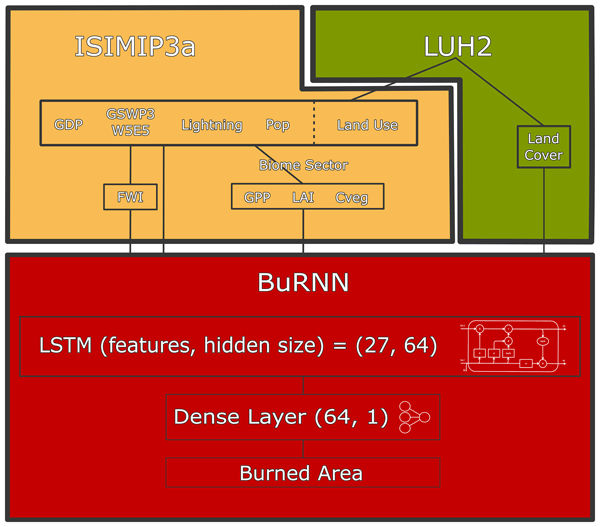
Seppe Lampe, Lukas Gudmundsson, Basil Kraft, Stijn Hantson, Douglas Kelley, Vincent Humphrey, Bertrand Le Saux, Emilio Chuvieco, and Wim Thiery
Geosci. Model Dev., 19, 955–988, https://doi.org/10.5194/gmd-19-955-2026, https://doi.org/10.5194/gmd-19-955-2026, 2026
Short summary
Short summary
We introduce BuRNN (BUrned area modelling by Recurrent Neural Networks), a model which estimates monthly burned area based on satellite observations and climate, vegetation, and socio-economic data using machine learning. BuRNN outperforms existing process-based fire models, which improves our capabilities of modelling past and future burned areas.
Xuemeng Tian, Bernhard Ahrens, Leo Rossdeutscher, Lazaro Alonso, and Leandro Parente
EGUsphere, https://doi.org/10.5194/egusphere-2026-229, https://doi.org/10.5194/egusphere-2026-229, 2026
Short summary
Short summary
We studied how to better estimate and map how much carbon is stored in soils when key measurements are scarce. We built a machine learning model that follows known physical links between soil carbon and soil density, and compared it with pure machine learning methods. Although accuracy was similar, the model informed by soil science gave more realistic and stable results over time and clearer insights into soil behavior, improving interpretability for decision making.
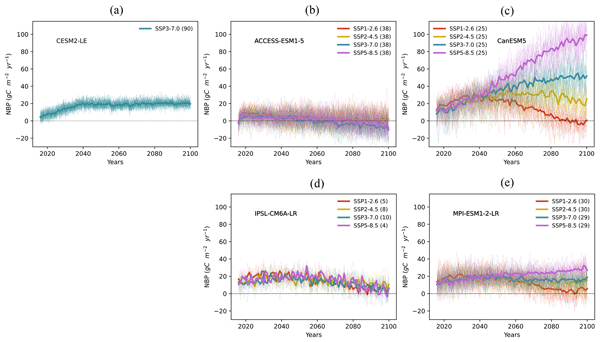
Na Li, Sebastian Sippel, Nora Linscheid, Miguel D. Mahecha, Markus Reichstein, and Ana Bastos
Biogeosciences, 23, 767–792, https://doi.org/10.5194/bg-23-767-2026, https://doi.org/10.5194/bg-23-767-2026, 2026
Short summary
Short summary
We study when anthropogenic signal becomes detectable in the global land carbon sink, which has risen since the 1950s due to CO₂ fertilization and mid- to high-latitude warming. The signal emerges earlier at the global than at regional scales. Future scenarios (2016–2100) take longer to detect than the historical period (1851–2014) because the signal is weaker relative to larger natural variability. Removing circulation-induced variability with dynamical adjustment shortens the detection time.
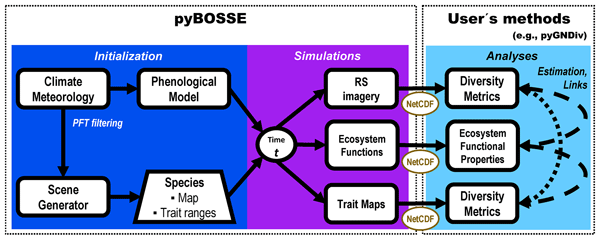
Javier Pacheco-Labrador, Ulisse Gomarasca, Daniel E. Pabon-Moreno, Wantong Li, Mirco Migliavacca, Martin Jung, and Gregory Duveiller
Geosci. Model Dev., 18, 8401–8422, https://doi.org/10.5194/gmd-18-8401-2025, https://doi.org/10.5194/gmd-18-8401-2025, 2025
Short summary
Short summary
Measuring biodiversity is necessary to assess its loss, evolution, and role in ecosystem functions. Satellites image the whole terrestrial surface and could cost-efficiently map plant diversity globally. However, developing the necessary methods lacks consistent and sufficient field measurements. Thus, we propose using a simulation tool that generates virtual ecosystems, with species properties and functions varying in response to meteorology and the respective remote sensing imagery.
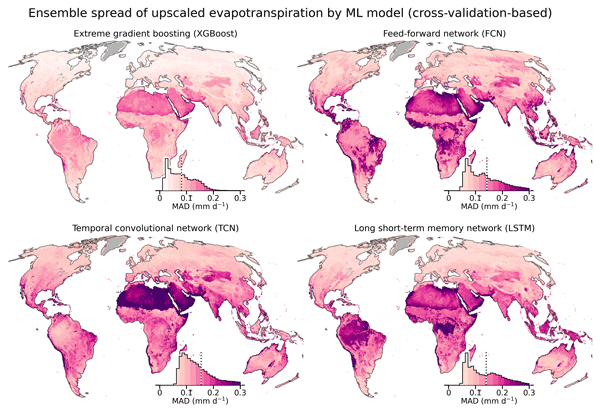
Basil Kraft, Jacob A. Nelson, Sophia Walther, Fabian Gans, Ulrich Weber, Gregory Duveiller, Markus Reichstein, Weijie Zhang, Marc Rußwurm, Devis Tuia, Marco Körner, Zayd Hamdi, and Martin Jung
Biogeosciences, 22, 3965–3987, https://doi.org/10.5194/bg-22-3965-2025, https://doi.org/10.5194/bg-22-3965-2025, 2025
Short summary
Short summary
This study evaluates machine learning approaches for upscaling evapotranspiration from the site to the global scale. Sequential models capture temporal dynamics better, especially with precipitation data, but all models show biases in data-scarce regions. Improved upscaling requires richer training data, informed covariate selection, and physical constraints to enhance robustness and reduce extrapolation errors.
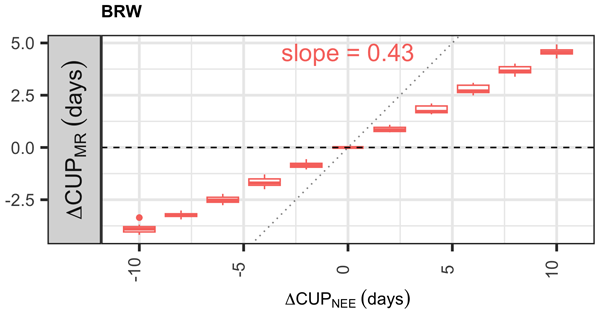
Theertha Kariyathan, Ana Bastos, Markus Reichstein, Wouter Peters, and Julia Marshall
Atmos. Chem. Phys., 25, 7863–7878, https://doi.org/10.5194/acp-25-7863-2025, https://doi.org/10.5194/acp-25-7863-2025, 2025
Short summary
Short summary
The carbon uptake period (CUP) is the time period when land absorbs more CO2 than it emits. While atmospheric CO2 mole fraction measurements can be used to assess CUP changes, atmospheric transport and asynchronous timing across regions reduce the accuracy of the estimates. Forward model experiments show that only ~ 50 % of prescribed shifts in CUP timing applied to surface fluxes (ΔCUPNEE) are captured in simulated CO2 mole fraction data at monitoring sites like the Barrow Atmospheric Baseline Observatory.
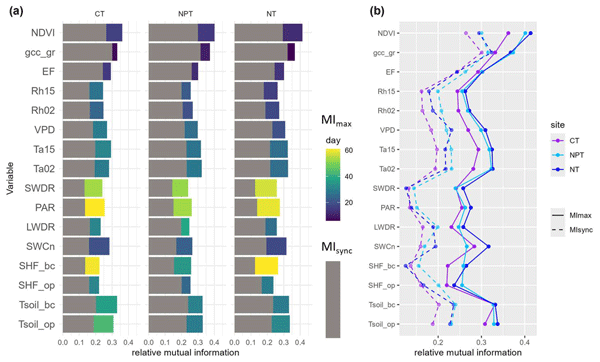
Laura Nadolski, Tarek S. El-Madany, Jacob Nelson, Arnaud Carrara, Gerardo Moreno, Richard Nair, Yunpeng Luo, Anke Hildebrandt, Victor Rolo, Markus Reichstein, and Sung-Ching Lee
Biogeosciences, 22, 2935–2958, https://doi.org/10.5194/bg-22-2935-2025, https://doi.org/10.5194/bg-22-2935-2025, 2025
Short summary
Short summary
Semi-arid ecosystems are crucial for Earth's carbon balance and are sensitive to changes in nitrogen (N) and phosphorus (P) levels. Their carbon dynamics are complex and not fully understood. We studied how long-term nutrient changes affect carbon exchange. In summer, the addition of N+P changed plant composition and productivity. In transitional seasons, carbon exchange was less weather-dependent with N. The addition of N and N+P increases carbon-exchange variability, driven by grass greenness.
Friedrich J. Bohn, Ana Bastos, Romina Martin, Anja Rammig, Niak Sian Koh, Giles B. Sioen, Bram Buscher, Louise Carver, Fabrice DeClerck, Moritz Drupp, Robert Fletcher, Matthew Forrest, Alexandros Gasparatos, Alex Godoy-Faúndez, Gregor Hagedorn, Martin C. Hänsel, Jessica Hetzer, Thomas Hickler, Cornelia B. Krug, Stasja Koot, Xiuzhen Li, Amy Luers, Shelby Matevich, H. Damon Matthews, Ina C. Meier, Mirco Migliavacca, Awaz Mohamed, Sungmin O, David Obura, Ben Orlove, Rene Orth, Laura Pereira, Markus Reichstein, Lerato Thakholi, Peter H. Verburg, and Yuki Yoshida
Biogeosciences, 22, 2425–2460, https://doi.org/10.5194/bg-22-2425-2025, https://doi.org/10.5194/bg-22-2425-2025, 2025
Short summary
Short summary
An interdisciplinary collaboration of 36 international researchers from 35 institutions highlights recent findings in biosphere research. Within eight themes, they discuss issues arising from climate change and other anthropogenic stressors and highlight the co-benefits of nature-based solutions and ecosystem services. Based on an analysis of these eight topics, we have synthesized four overarching insights.
Zavud Baghirov, Martin Jung, Markus Reichstein, Marco Körner, and Basil Kraft
Geosci. Model Dev., 18, 2921–2943, https://doi.org/10.5194/gmd-18-2921-2025, https://doi.org/10.5194/gmd-18-2921-2025, 2025
Short summary
Short summary
We use an innovative approach to studying the Earth's water cycle by integrating advanced machine learning techniques with a traditional water cycle model. Our model is designed to learn from observational data, with a particular emphasis on understanding the influence of vegetation on water movement. By closely aligning with real-world observations, our model offers new possibilities for enhancing our understanding of the water cycle and its interactions with vegetation.
Marleen Pallandt, Marion Schrumpf, Holger Lange, Markus Reichstein, Lin Yu, and Bernhard Ahrens
Biogeosciences, 22, 1907–1928, https://doi.org/10.5194/bg-22-1907-2025, https://doi.org/10.5194/bg-22-1907-2025, 2025
Short summary
Short summary
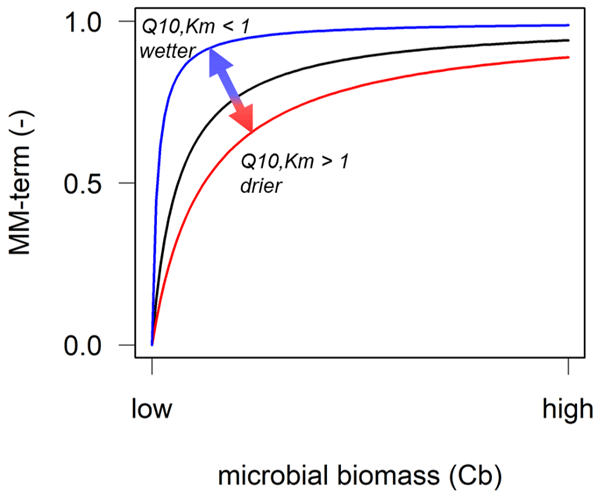
As soils warm due to climate change, soil organic carbon (SOC) decomposes faster due to increased microbial activity, given sufficient available moisture. We modelled the microbial decomposition of plant litter and residue at different depths and found that deep soil layers are more sensitive than topsoils. Warming causes SOC loss, but its extent depends on the litter type and its temperature sensitivity, which can either counteract or amplify losses. Droughts may also counteract warming-induced SOC losses.
Basil Kraft, Michael Schirmer, William H. Aeberhard, Massimiliano Zappa, Sonia I. Seneviratne, and Lukas Gudmundsson
Hydrol. Earth Syst. Sci., 29, 1061–1082, https://doi.org/10.5194/hess-29-1061-2025, https://doi.org/10.5194/hess-29-1061-2025, 2025
Short summary
Short summary
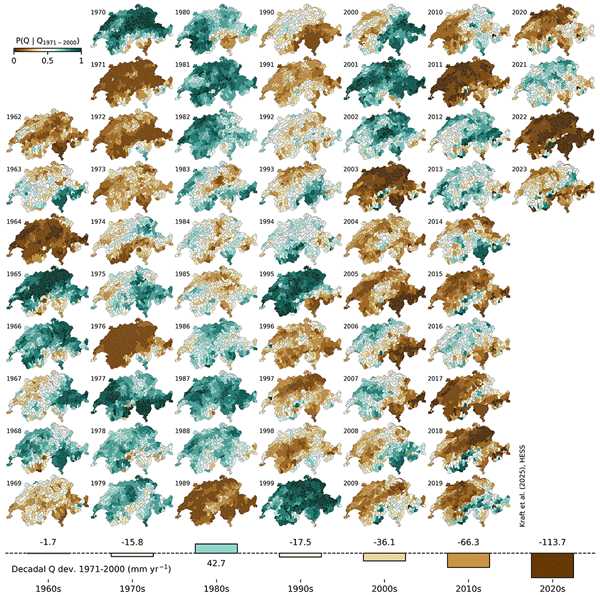
This study reconstructs daily runoff in Switzerland (1962–2023) using a deep-learning model, providing a spatially contiguous dataset on a medium-sized catchment grid. The model outperforms traditional hydrological methods, revealing shifts in Swiss water resources, including more frequent dry years and declining summer runoff. The reconstruction is publicly available.
Wenli Zhao, Alexander J. Winkler, Markus Reichstein, Rene Orth, and Pierre Gentine
EGUsphere, https://doi.org/10.5194/egusphere-2025-365, https://doi.org/10.5194/egusphere-2025-365, 2025
Preprint archived
Short summary
Short summary
We developed a machine learning model that accounts for the memory effects of soil moisture and vegetation to predict Evaporative Fraction (EF) without relying on soil moisture as a direct input. The model accurately predicts EF during dry periods for the unseen sites, highlighting the key of meteorological memory effects. The learned memory effect related to rooting depth and soil water holding capacity could potentially serve as proxies for assessing the plant water stress.
Eva-Marie Metz, Sanam Noreen Vardag, Sourish Basu, Martin Jung, and André Butz
Biogeosciences, 22, 555–584, https://doi.org/10.5194/bg-22-555-2025, https://doi.org/10.5194/bg-22-555-2025, 2025
Short summary
Short summary
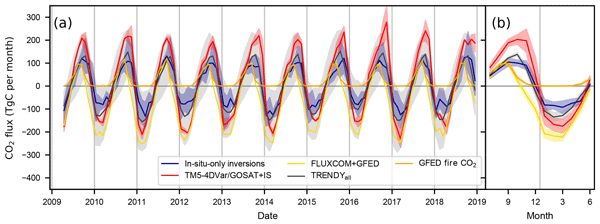
We estimate CO2 fluxes in semiarid southern Africa from 2009 to 2018 based on satellite CO2 measurements and atmospheric inverse modeling. By selecting process-based vegetation models, which agree with the satellite CO2 fluxes, we find that soil respiration mainly drives the seasonality, whereas photosynthesis substantially influences the interannual variability. Our study emphasizes the need for better representation of the response of semiarid ecosystems to soil rewetting in vegetation models.
Jacob A. Nelson, Sophia Walther, Fabian Gans, Basil Kraft, Ulrich Weber, Kimberly Novick, Nina Buchmann, Mirco Migliavacca, Georg Wohlfahrt, Ladislav Šigut, Andreas Ibrom, Dario Papale, Mathias Göckede, Gregory Duveiller, Alexander Knohl, Lukas Hörtnagl, Russell L. Scott, Jiří Dušek, Weijie Zhang, Zayd Mahmoud Hamdi, Markus Reichstein, Sergio Aranda-Barranco, Jonas Ardö, Maarten Op de Beeck, Dave Billesbach, David Bowling, Rosvel Bracho, Christian Brümmer, Gustau Camps-Valls, Shiping Chen, Jamie Rose Cleverly, Ankur Desai, Gang Dong, Tarek S. El-Madany, Eugenie Susanne Euskirchen, Iris Feigenwinter, Marta Galvagno, Giacomo A. Gerosa, Bert Gielen, Ignacio Goded, Sarah Goslee, Christopher Michael Gough, Bernard Heinesch, Kazuhito Ichii, Marcin Antoni Jackowicz-Korczynski, Anne Klosterhalfen, Sara Knox, Hideki Kobayashi, Kukka-Maaria Kohonen, Mika Korkiakoski, Ivan Mammarella, Mana Gharun, Riccardo Marzuoli, Roser Matamala, Stefan Metzger, Leonardo Montagnani, Giacomo Nicolini, Thomas O'Halloran, Jean-Marc Ourcival, Matthias Peichl, Elise Pendall, Borja Ruiz Reverter, Marilyn Roland, Simone Sabbatini, Torsten Sachs, Marius Schmidt, Christopher R. Schwalm, Ankit Shekhar, Richard Silberstein, Maria Lucia Silveira, Donatella Spano, Torbern Tagesson, Gianluca Tramontana, Carlo Trotta, Fabio Turco, Timo Vesala, Caroline Vincke, Domenico Vitale, Enrique R. Vivoni, Yi Wang, William Woodgate, Enrico A. Yepez, Junhui Zhang, Donatella Zona, and Martin Jung
Biogeosciences, 21, 5079–5115, https://doi.org/10.5194/bg-21-5079-2024, https://doi.org/10.5194/bg-21-5079-2024, 2024
Short summary
Short summary
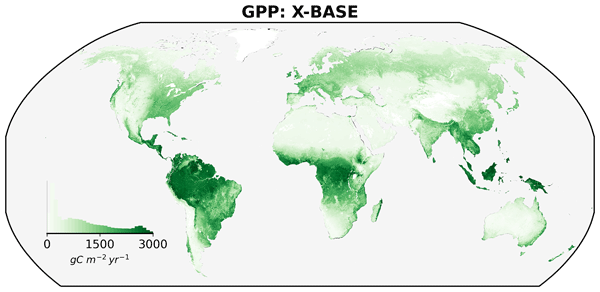
The movement of water, carbon, and energy from the Earth's surface to the atmosphere, or flux, is an important process to understand because it impacts our lives. Here, we outline a method called FLUXCOM-X to estimate global water and CO2 fluxes based on direct measurements from sites around the world. We go on to demonstrate how these new estimates of net CO2 uptake/loss, gross CO2 uptake, total water evaporation, and transpiration from plants compare to previous and independent estimates.

Guohua Liu, Mirco Migliavacca, Christian Reimers, Basil Kraft, Markus Reichstein, Andrew D. Richardson, Lisa Wingate, Nicolas Delpierre, Hui Yang, and Alexander J. Winkler
Geosci. Model Dev., 17, 6683–6701, https://doi.org/10.5194/gmd-17-6683-2024, https://doi.org/10.5194/gmd-17-6683-2024, 2024
Short summary
Short summary
Our study employs long short-term memory (LSTM) networks to model canopy greenness and phenology, integrating meteorological memory effects. The LSTM model outperforms traditional methods, enhancing accuracy in predicting greenness dynamics and phenological transitions across plant functional types. Highlighting the importance of multi-variate meteorological memory effects, our research pioneers unlock the secrets of vegetation phenology responses to climate change with deep learning techniques.
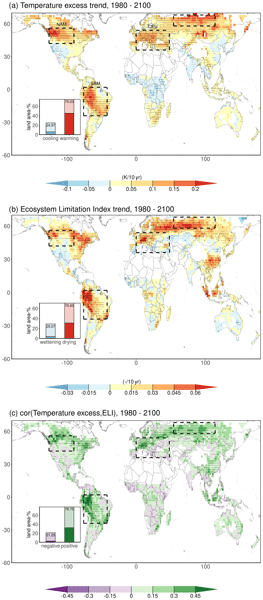
Jasper M. C. Denissen, Adriaan J. Teuling, Sujan Koirala, Markus Reichstein, Gianpaolo Balsamo, Martha M. Vogel, Xin Yu, and René Orth
Earth Syst. Dynam., 15, 717–734, https://doi.org/10.5194/esd-15-717-2024, https://doi.org/10.5194/esd-15-717-2024, 2024
Short summary
Short summary
Heat extremes have severe implications for human health and ecosystems. Heat extremes are mostly introduced by large-scale atmospheric circulation but can be modulated by vegetation. Vegetation with access to water uses solar energy to evaporate water into the atmosphere. Under dry conditions, water may not be available, suppressing evaporation and heating the atmosphere. Using climate projections, we show that regionally less water is available for vegetation, intensifying future heat extremes.
Bjorn Stevens, Stefan Adami, Tariq Ali, Hartwig Anzt, Zafer Aslan, Sabine Attinger, Jaana Bäck, Johanna Baehr, Peter Bauer, Natacha Bernier, Bob Bishop, Hendryk Bockelmann, Sandrine Bony, Guy Brasseur, David N. Bresch, Sean Breyer, Gilbert Brunet, Pier Luigi Buttigieg, Junji Cao, Christelle Castet, Yafang Cheng, Ayantika Dey Choudhury, Deborah Coen, Susanne Crewell, Atish Dabholkar, Qing Dai, Francisco Doblas-Reyes, Dale Durran, Ayoub El Gaidi, Charlie Ewen, Eleftheria Exarchou, Veronika Eyring, Florencia Falkinhoff, David Farrell, Piers M. Forster, Ariane Frassoni, Claudia Frauen, Oliver Fuhrer, Shahzad Gani, Edwin Gerber, Debra Goldfarb, Jens Grieger, Nicolas Gruber, Wilco Hazeleger, Rolf Herken, Chris Hewitt, Torsten Hoefler, Huang-Hsiung Hsu, Daniela Jacob, Alexandra Jahn, Christian Jakob, Thomas Jung, Christopher Kadow, In-Sik Kang, Sarah Kang, Karthik Kashinath, Katharina Kleinen-von Königslöw, Daniel Klocke, Uta Kloenne, Milan Klöwer, Chihiro Kodama, Stefan Kollet, Tobias Kölling, Jenni Kontkanen, Steve Kopp, Michal Koran, Markku Kulmala, Hanna Lappalainen, Fakhria Latifi, Bryan Lawrence, June Yi Lee, Quentin Lejeun, Christian Lessig, Chao Li, Thomas Lippert, Jürg Luterbacher, Pekka Manninen, Jochem Marotzke, Satoshi Matsouoka, Charlotte Merchant, Peter Messmer, Gero Michel, Kristel Michielsen, Tomoki Miyakawa, Jens Müller, Ramsha Munir, Sandeep Narayanasetti, Ousmane Ndiaye, Carlos Nobre, Achim Oberg, Riko Oki, Tuba Özkan-Haller, Tim Palmer, Stan Posey, Andreas Prein, Odessa Primus, Mike Pritchard, Julie Pullen, Dian Putrasahan, Johannes Quaas, Krishnan Raghavan, Venkatachalam Ramaswamy, Markus Rapp, Florian Rauser, Markus Reichstein, Aromar Revi, Sonakshi Saluja, Masaki Satoh, Vera Schemann, Sebastian Schemm, Christina Schnadt Poberaj, Thomas Schulthess, Cath Senior, Jagadish Shukla, Manmeet Singh, Julia Slingo, Adam Sobel, Silvina Solman, Jenna Spitzer, Philip Stier, Thomas Stocker, Sarah Strock, Hang Su, Petteri Taalas, John Taylor, Susann Tegtmeier, Georg Teutsch, Adrian Tompkins, Uwe Ulbrich, Pier-Luigi Vidale, Chien-Ming Wu, Hao Xu, Najibullah Zaki, Laure Zanna, Tianjun Zhou, and Florian Ziemen
Earth Syst. Sci. Data, 16, 2113–2122, https://doi.org/10.5194/essd-16-2113-2024, https://doi.org/10.5194/essd-16-2113-2024, 2024
Short summary
Short summary
To manage Earth in the Anthropocene, new tools, new institutions, and new forms of international cooperation will be required. Earth Virtualization Engines is proposed as an international federation of centers of excellence to empower all people to respond to the immense and urgent challenges posed by climate change.
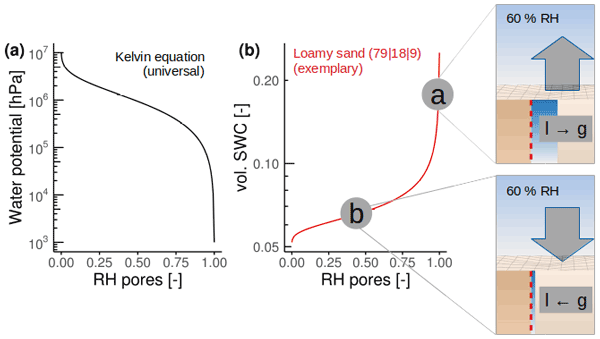
Sinikka J. Paulus, Rene Orth, Sung-Ching Lee, Anke Hildebrandt, Martin Jung, Jacob A. Nelson, Tarek Sebastian El-Madany, Arnaud Carrara, Gerardo Moreno, Matthias Mauder, Jannis Groh, Alexander Graf, Markus Reichstein, and Mirco Migliavacca
Biogeosciences, 21, 2051–2085, https://doi.org/10.5194/bg-21-2051-2024, https://doi.org/10.5194/bg-21-2051-2024, 2024
Short summary
Short summary
Porous materials are known to reversibly trap water from the air, even at low humidity. However, this behavior is poorly understood for soils. In this analysis, we test whether eddy covariance is able to measure the so-called adsorption of atmospheric water vapor by soils. We find that this flux occurs frequently during dry nights in a Mediterranean ecosystem, while EC detects downwardly directed vapor fluxes. These results can help to map moisture uptake globally.
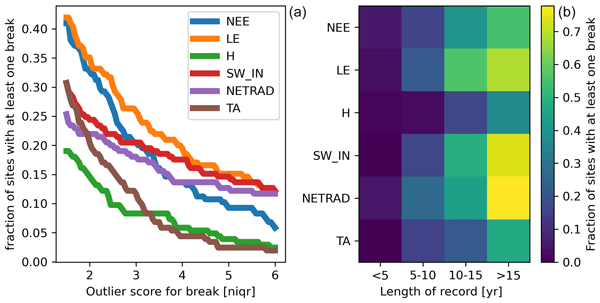
Martin Jung, Jacob Nelson, Mirco Migliavacca, Tarek El-Madany, Dario Papale, Markus Reichstein, Sophia Walther, and Thomas Wutzler
Biogeosciences, 21, 1827–1846, https://doi.org/10.5194/bg-21-1827-2024, https://doi.org/10.5194/bg-21-1827-2024, 2024
Short summary
Short summary
We present a methodology to detect inconsistencies in perhaps the most important data source for measurements of ecosystem–atmosphere carbon, water, and energy fluxes. We expect that the derived consistency flags will be relevant for data users and will help in improving our understanding of and our ability to model ecosystem–climate interactions.
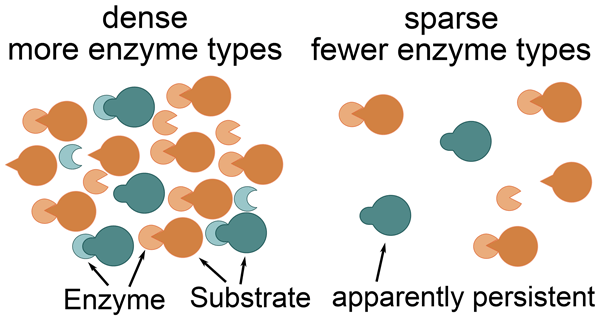
Thomas Wutzler, Christian Reimers, Bernhard Ahrens, and Marion Schrumpf
Geosci. Model Dev., 17, 2705–2725, https://doi.org/10.5194/gmd-17-2705-2024, https://doi.org/10.5194/gmd-17-2705-2024, 2024
Short summary
Short summary
Soil microbes provide a strong link for elemental fluxes in the earth system. The SESAM model applies an optimality assumption to model those linkages and their adaptation. We found that a previous heuristic description was a special case of a newly developed more rigorous description. The finding of new behaviour at low microbial biomass led us to formulate the constrained enzyme hypothesis. We now can better describe how microbially mediated linkages of elemental fluxes adapt across decades.
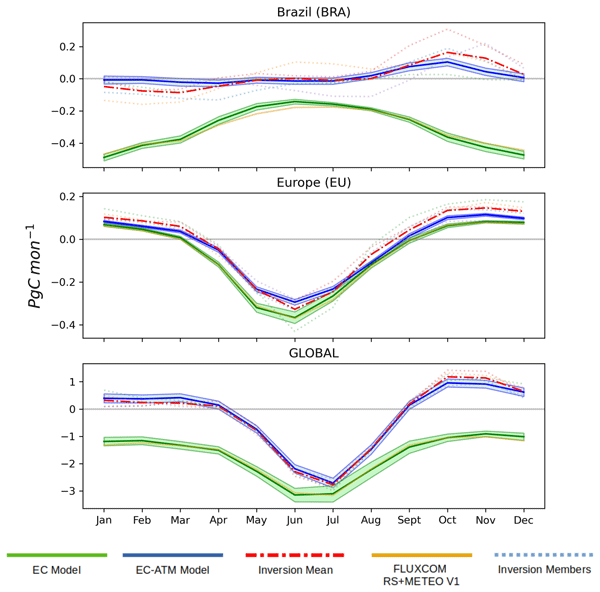
Samuel Upton, Markus Reichstein, Fabian Gans, Wouter Peters, Basil Kraft, and Ana Bastos
Atmos. Chem. Phys., 24, 2555–2582, https://doi.org/10.5194/acp-24-2555-2024, https://doi.org/10.5194/acp-24-2555-2024, 2024
Short summary
Short summary
Data-driven eddy-covariance upscaled estimates of the global land–atmosphere net CO2 exchange (NEE) show important mismatches with regional and global estimates based on atmospheric information. To address this, we create a model with a dual constraint based on bottom-up eddy-covariance data and top-down atmospheric inversion data. Our model overcomes shortcomings of each approach, producing improved NEE estimates from local to global scale, helping to reduce uncertainty in the carbon budget.
Richard Nair, Yunpeng Luo, Tarek El-Madany, Victor Rolo, Javier Pacheco-Labrador, Silvia Caldararu, Kendalynn A. Morris, Marion Schrumpf, Arnaud Carrara, Gerardo Moreno, Markus Reichstein, and Mirco Migliavacca
EGUsphere, https://doi.org/10.5194/egusphere-2023-2434, https://doi.org/10.5194/egusphere-2023-2434, 2023
Preprint archived
Short summary
Short summary
We studied a Mediterranean ecosystem to understand carbon uptake efficiency and its controls. These ecosystems face potential nitrogen-phosphorus imbalances due to pollution. Analysing six years of carbon data, we assessed controls at different timeframes. This is crucial for predicting such vulnerable regions. Our findings revealed N limitation on C uptake, not N:P imbalance, and strong influence of water availability. whether drought or wetness promoted net C uptake depended on timescale.
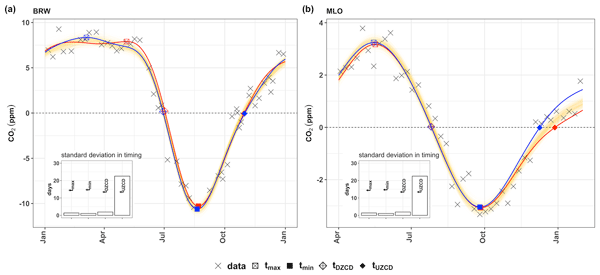
Theertha Kariyathan, Ana Bastos, Julia Marshall, Wouter Peters, Pieter Tans, and Markus Reichstein
Atmos. Meas. Tech., 16, 3299–3312, https://doi.org/10.5194/amt-16-3299-2023, https://doi.org/10.5194/amt-16-3299-2023, 2023
Short summary
Short summary
The timing and duration of the carbon uptake period (CUP) are sensitive to the occurrence of major phenological events, which are influenced by recent climate change. This study presents an ensemble-based approach for quantifying the timing and duration of the CUP and their uncertainty when derived from atmospheric CO2 measurements with noise and gaps. The CUP metrics derived with the approach are more robust and have less uncertainty than when estimated with the conventional methods.
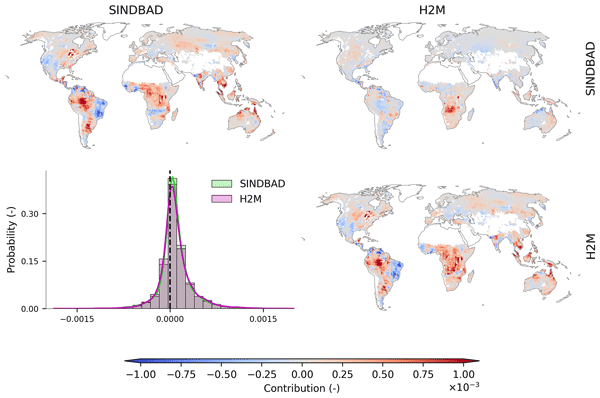
Hoontaek Lee, Martin Jung, Nuno Carvalhais, Tina Trautmann, Basil Kraft, Markus Reichstein, Matthias Forkel, and Sujan Koirala
Hydrol. Earth Syst. Sci., 27, 1531–1563, https://doi.org/10.5194/hess-27-1531-2023, https://doi.org/10.5194/hess-27-1531-2023, 2023
Short summary
Short summary
We spatially attribute the variance in global terrestrial water storage (TWS) interannual variability (IAV) and its modeling error with two data-driven hydrological models. We find error hotspot regions that show a disproportionately large significance in the global mismatch and the association of the error regions with a smaller-scale lateral convergence of water. Our findings imply that TWS IAV modeling can be efficiently improved by focusing on model representations for the error hotspots.

Robert Vautard, Geert Jan van Oldenborgh, Rémy Bonnet, Sihan Li, Yoann Robin, Sarah Kew, Sjoukje Philip, Jean-Michel Soubeyroux, Brigitte Dubuisson, Nicolas Viovy, Markus Reichstein, Friederike Otto, and Iñaki Garcia de Cortazar-Atauri
Nat. Hazards Earth Syst. Sci., 23, 1045–1058, https://doi.org/10.5194/nhess-23-1045-2023, https://doi.org/10.5194/nhess-23-1045-2023, 2023
Short summary
Short summary
A deep frost occurred in early April 2021, inducing severe damages in grapevine and fruit trees in France. We found that such extreme frosts occurring after the start of the growing season such as those of April 2021 are currently about 2°C colder [0.5 °C to 3.3 °C] in observations than in preindustrial climate. This observed intensification of growing-period frosts is attributable, at least in part, to human-caused climate change, making the 2021 event 50 % more likely [10 %–110 %].
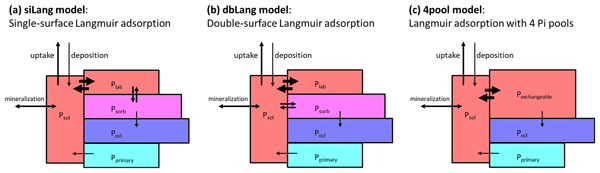
Lin Yu, Silvia Caldararu, Bernhard Ahrens, Thomas Wutzler, Marion Schrumpf, Julian Helfenstein, Chiara Pistocchi, and Sönke Zaehle
Biogeosciences, 20, 57–73, https://doi.org/10.5194/bg-20-57-2023, https://doi.org/10.5194/bg-20-57-2023, 2023
Short summary
Short summary
In this study, we addressed a key weakness in current ecosystem models regarding the phosphorus exchange in the soil and developed a new scheme to describe this process. We showed that the new scheme improved the model performance for plant productivity, soil organic carbon, and soil phosphorus content at five beech forest sites in Germany. We claim that this new model could be used as a better tool to study ecosystems under future climate change, particularly phosphorus-limited systems.
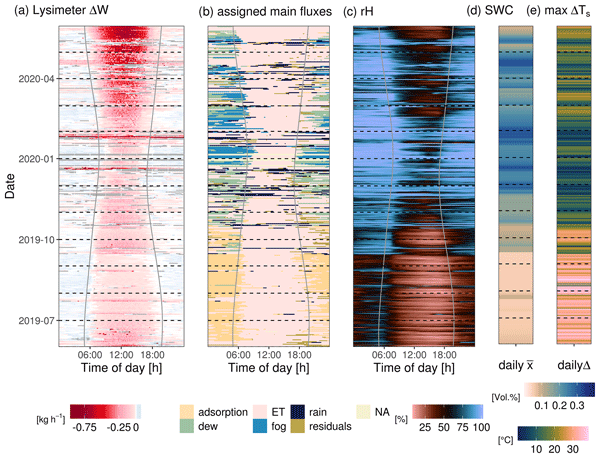
Sinikka Jasmin Paulus, Tarek Sebastian El-Madany, René Orth, Anke Hildebrandt, Thomas Wutzler, Arnaud Carrara, Gerardo Moreno, Oscar Perez-Priego, Olaf Kolle, Markus Reichstein, and Mirco Migliavacca
Hydrol. Earth Syst. Sci., 26, 6263–6287, https://doi.org/10.5194/hess-26-6263-2022, https://doi.org/10.5194/hess-26-6263-2022, 2022
Short summary
Short summary
In this study, we analyze small inputs of water to ecosystems such as fog, dew, and adsorption of vapor. To measure them, we use a scaling system and later test our attribution of different water fluxes to weight changes. We found that they occur frequently during 1 year in a dry summer ecosystem. In each season, a different flux seems dominant, but they all mainly occur during the night. Therefore, they could be important for the biosphere because rain is unevenly distributed over the year.
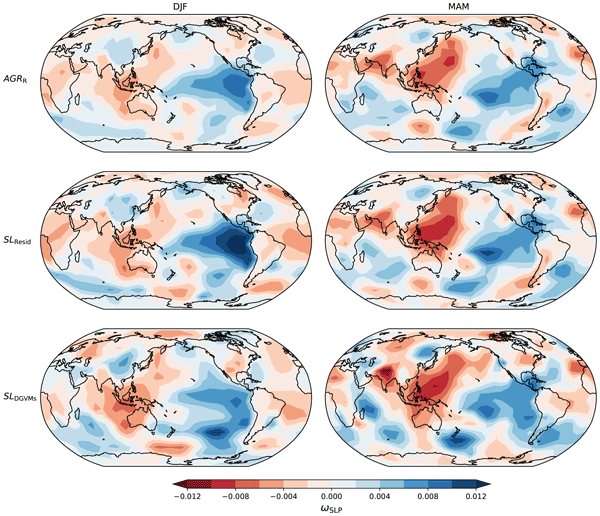
Na Li, Sebastian Sippel, Alexander J. Winkler, Miguel D. Mahecha, Markus Reichstein, and Ana Bastos
Earth Syst. Dynam., 13, 1505–1533, https://doi.org/10.5194/esd-13-1505-2022, https://doi.org/10.5194/esd-13-1505-2022, 2022
Short summary
Short summary
Quantifying the imprint of large-scale atmospheric circulation dynamics and associated carbon cycle responses is key to improving our understanding of carbon cycle dynamics. Using a statistical model that relies on spatiotemporal sea level pressure as a proxy for large-scale atmospheric circulation, we quantify the fraction of interannual variability in atmospheric CO2 growth rate and the land CO2 sink that are driven by atmospheric circulation variability.
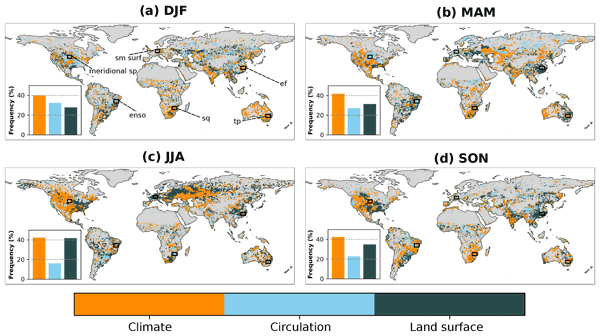
Melissa Ruiz-Vásquez, Sungmin O, Alexander Brenning, Randal D. Koster, Gianpaolo Balsamo, Ulrich Weber, Gabriele Arduini, Ana Bastos, Markus Reichstein, and René Orth
Earth Syst. Dynam., 13, 1451–1471, https://doi.org/10.5194/esd-13-1451-2022, https://doi.org/10.5194/esd-13-1451-2022, 2022
Short summary
Short summary
Subseasonal forecasts facilitate early warning of extreme events; however their predictability sources are not fully explored. We find that global temperature forecast errors in many regions are related to climate variables such as solar radiation and precipitation, as well as land surface variables such as soil moisture and evaporative fraction. A better representation of these variables in the forecasting and data assimilation systems can support the accuracy of temperature forecasts.
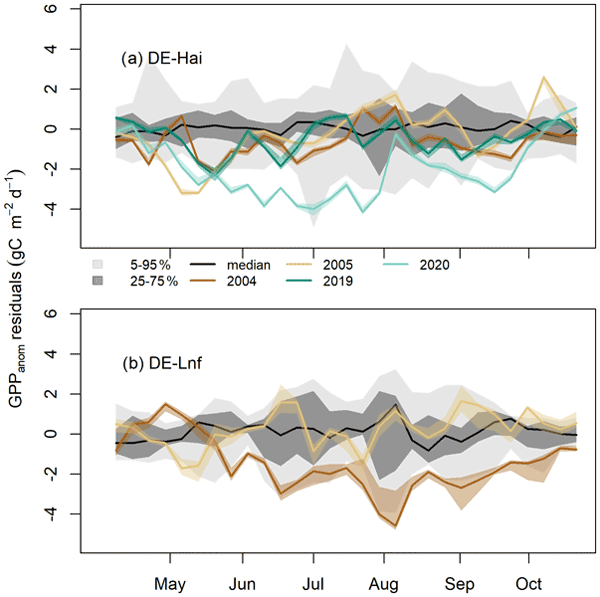
Xin Yu, René Orth, Markus Reichstein, Michael Bahn, Anne Klosterhalfen, Alexander Knohl, Franziska Koebsch, Mirco Migliavacca, Martina Mund, Jacob A. Nelson, Benjamin D. Stocker, Sophia Walther, and Ana Bastos
Biogeosciences, 19, 4315–4329, https://doi.org/10.5194/bg-19-4315-2022, https://doi.org/10.5194/bg-19-4315-2022, 2022
Short summary
Short summary
Identifying drought legacy effects is challenging because they are superimposed on variability driven by climate conditions in the recovery period. We develop a residual-based approach to quantify legacies on gross primary productivity (GPP) from eddy covariance data. The GPP reduction due to legacy effects is comparable to the concurrent effects at two sites in Germany, which reveals the importance of legacy effects. Our novel methodology can be used to quantify drought legacies elsewhere.
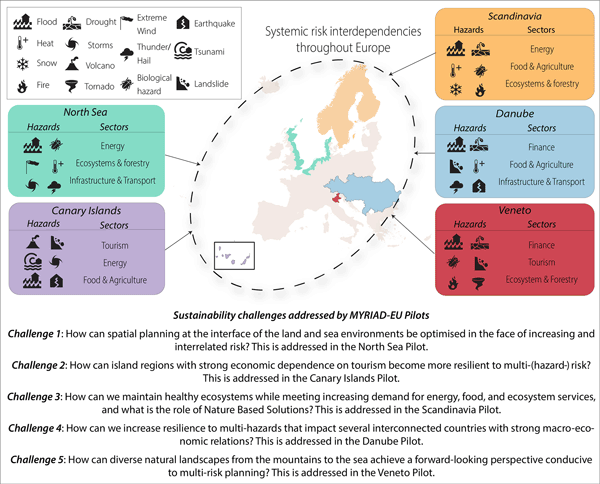
Philip J. Ward, James Daniell, Melanie Duncan, Anna Dunne, Cédric Hananel, Stefan Hochrainer-Stigler, Annegien Tijssen, Silvia Torresan, Roxana Ciurean, Joel C. Gill, Jana Sillmann, Anaïs Couasnon, Elco Koks, Noemi Padrón-Fumero, Sharon Tatman, Marianne Tronstad Lund, Adewole Adesiyun, Jeroen C. J. H. Aerts, Alexander Alabaster, Bernard Bulder, Carlos Campillo Torres, Andrea Critto, Raúl Hernández-Martín, Marta Machado, Jaroslav Mysiak, Rene Orth, Irene Palomino Antolín, Eva-Cristina Petrescu, Markus Reichstein, Timothy Tiggeloven, Anne F. Van Loon, Hung Vuong Pham, and Marleen C. de Ruiter
Nat. Hazards Earth Syst. Sci., 22, 1487–1497, https://doi.org/10.5194/nhess-22-1487-2022, https://doi.org/10.5194/nhess-22-1487-2022, 2022
Short summary
Short summary
The majority of natural-hazard risk research focuses on single hazards (a flood, a drought, a volcanic eruption, an earthquake, etc.). In the international research and policy community it is recognised that risk management could benefit from a more systemic approach. In this perspective paper, we argue for an approach that addresses multi-hazard, multi-risk management through the lens of sustainability challenges that cut across sectors, regions, and hazards.
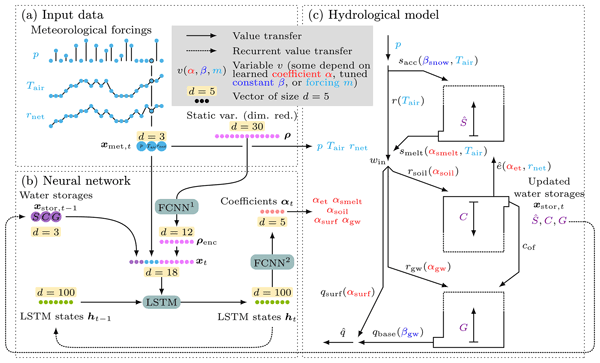
Basil Kraft, Martin Jung, Marco Körner, Sujan Koirala, and Markus Reichstein
Hydrol. Earth Syst. Sci., 26, 1579–1614, https://doi.org/10.5194/hess-26-1579-2022, https://doi.org/10.5194/hess-26-1579-2022, 2022
Short summary
Short summary
We present a physics-aware machine learning model of the global hydrological cycle. As the model uses neural networks under the hood, the simulations of the water cycle are learned from data, and yet they are informed and constrained by physical knowledge. The simulated patterns lie within the range of existing hydrological models and are plausible. The hybrid modeling approach has the potential to tackle key environmental questions from a novel perspective.

Tina Trautmann, Sujan Koirala, Nuno Carvalhais, Andreas Güntner, and Martin Jung
Hydrol. Earth Syst. Sci., 26, 1089–1109, https://doi.org/10.5194/hess-26-1089-2022, https://doi.org/10.5194/hess-26-1089-2022, 2022
Short summary
Short summary
We assess the effect of how vegetation is defined in a global hydrological model on the composition of total water storage (TWS). We compare two experiments, one with globally uniform and one with vegetation parameters that vary in space and time. While both experiments are constrained against observational data, we found a drastic change in the partitioning of TWS, highlighting the important role of the interaction between groundwater–soil moisture–vegetation in understanding TWS variations.
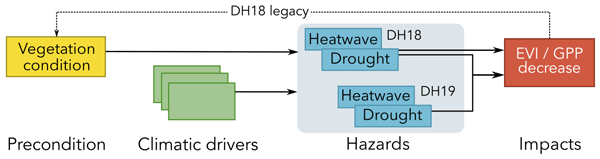
Ana Bastos, René Orth, Markus Reichstein, Philippe Ciais, Nicolas Viovy, Sönke Zaehle, Peter Anthoni, Almut Arneth, Pierre Gentine, Emilie Joetzjer, Sebastian Lienert, Tammas Loughran, Patrick C. McGuire, Sungmin O, Julia Pongratz, and Stephen Sitch
Earth Syst. Dynam., 12, 1015–1035, https://doi.org/10.5194/esd-12-1015-2021, https://doi.org/10.5194/esd-12-1015-2021, 2021
Short summary
Short summary
Temperate biomes in Europe are not prone to recurrent dry and hot conditions in summer. However, these conditions may become more frequent in the coming decades. Because stress conditions can leave legacies for many years, this may result in reduced ecosystem resilience under recurrent stress. We assess vegetation vulnerability to the hot and dry summers in 2018 and 2019 in Europe and find the important role of inter-annual legacy effects from 2018 in modulating the impacts of the 2019 event.
Cited articles
Agustí-Panareda, A., Barré, J., Massart, S., Inness, A., Aben, I., Ades, M., Baier, B. C., Balsamo, G., Borsdorff, T., Bousserez, N., Boussetta, S., Buchwitz, M., Cantarello, L., Crevoisier, C., Engelen, R., Eskes, H., Flemming, J., Garrigues, S., Hasekamp, O., Huijnen, V., Jones, L., Kipling, Z., Langerock, B., McNorton, J., Meilhac, N., Noël, S., Parrington, M., Peuch, V.-H., Ramonet, M., Razinger, M., Reuter, M., Ribas, R., Suttie, M., Sweeney, C., Tarniewicz, J., and Wu, L.: Technical note: The CAMS greenhouse gas reanalysis from 2003 to 2020, Atmos. Chem. Phys., 23, 3829–3859, https://doi.org/10.5194/acp-23-3829-2023, 2023. a
Ainsworth, E. A. and Rogers, A.: The response of photosynthesis and stomatal conductance to rising [CO2]: mechanisms and environmental interactions, Plant Cell Environ., 30, 258–270, https://doi.org/10.1111/j.1365-3040.2007.01641.x, 2007. a
Baghirov, Z.: High level overview of the carbon cycle related processes in H2CM, created with BioRender, https://BioRender.com/k6gy7an (last acess: 1 July 2025), 2025a. a
Baghirov, Z.: H2CM – inputs and targets, Zenodo [data set], https://doi.org/10.5281/zenodo.16575309, 2025b. a
Baghirov, Z.: zavud/h2cm: v1.0.1: Improve TWS anomaly estimation, Zenodo [code], https://doi.org/10.5281/zenodo.18400385, 2026a (code also available at: https://github.com/zavud/h2cm, last access: 31 January 2026). a
Baghirov, Z.: H2CM – model simulations, Zenodo [data set], https://doi.org/10.5281/zenodo.18434085, 2026b. a
Baghirov, Z.: Overview of the H2CM framework, created with BioRender, https://BioRender.com/0kf418a (last access: 31 January 2026), 2026c. a
Baker, D. F., Law, R. M., Gurney, K. R., Rayner, P., Peylin, P., Denning, A. S., Bousquet, P., Bruhwiler, L., Chen, Y., Ciais, P., Fung, I. Y., Heimann, M., John, J., Maki, T., Maksyutov, S., Masarie, K., Prather, M., Pak, B., Taguchi, S., and Zhu, Z.: TransCom 3 inversion intercomparison: Impact of transport model errors on the interannual variability of regional CO2 fluxes, 1988–2003, Global Biogeochem. Cy., 20, https://doi.org/10.1029/2004gb002439, 2006. a
Birch, H. F.: Mineralisation of Plant Nitrogen Following Alternate Wet and Dry Conditions, Plant Soil, 20, 43–49, https://doi.org/10.1007/BF01378096, 1964. a
Bodesheim, P., Jung, M., Gans, F., Mahecha, M. D., and Reichstein, M.: Upscaled diurnal cycles of land–atmosphere fluxes: a new global half-hourly data product, Earth Syst. Sci. Data, 10, 1327–1365, https://doi.org/10.5194/essd-10-1327-2018, 2018. a
Boese, S., Jung, M., Carvalhais, N., Teuling, A. J., and Reichstein, M.: Carbon–water flux coupling under progressive drought, Biogeosciences, 16, 2557–2572, https://doi.org/10.5194/bg-16-2557-2019, 2019. a
Byrne, B., Baker, D. F., Basu, S., Bertolacci, M., Bowman, K. W., Carroll, D., Chatterjee, A., Chevallier, F., Ciais, P., Cressie, N., Crisp, D., Crowell, S., Deng, F., Deng, Z., Deutscher, N. M., Dubey, M. K., Feng, S., García, O. E., Griffith, D. W. T., Herkommer, B., Hu, L., Jacobson, A. R., Janardanan, R., Jeong, S., Johnson, M. S., Jones, D. B. A., Kivi, R., Liu, J., Liu, Z., Maksyutov, S., Miller, J. B., Miller, S. M., Morino, I., Notholt, J., Oda, T., O'Dell, C. W., Oh, Y.-S., Ohyama, H., Patra, P. K., Peiro, H., Petri, C., Philip, S., Pollard, D. F., Poulter, B., Remaud, M., Schuh, A., Sha, M. K., Shiomi, K., Strong, K., Sweeney, C., Té, Y., Tian, H., Velazco, V. A., Vrekoussis, M., Warneke, T., Worden, J. R., Wunch, D., Yao, Y., Yun, J., Zammit-Mangion, A., and Zeng, N.: National CO2 budgets (2015–2020) inferred from atmospheric CO2 observations in support of the global stocktake, Earth Syst. Sci. Data, 15, 963–1004, https://doi.org/10.5194/essd-15-963-2023, 2023. a, b
Chen, J., Chen, J., Liao, A., Cao, X., Chen, L., Chen, X., He, C., Han, G., Peng, S., Lu, M., Zhang, W., Tong, X., and Mills, J.: Global land cover mapping at 30 m resolution: A POK-based operational approach, ISPRS J. Photogram. Remote Sens., 103, 7–27, https://doi.org/10.1016/j.isprsjprs.2014.09.002, 2015. a
Chen, Y., Hall, J., van Wees, D., Andela, N., Hantson, S., Giglio, L., van der Werf, G. R., Morton, D. C., and Randerson, J. T.: Multi-decadal trends and variability in burned area from the fifth version of the Global Fire Emissions Database (GFED5), Earth Syst. Sci. Data, 15, 5227–5259, https://doi.org/10.5194/essd-15-5227-2023, 2023. a
Chen, Z., Wang, W., Yu, Z., Xia, J., and Schwartz, F. W.: The collapse points of increasing trend of vegetation rain-use efficiency under droughts, Environ. Res. Lett., 15, 104072, https://doi.org/10.1088/1748-9326/abb332, 2020. a
Connor, B., Bösch, H., McDuffie, J., Taylor, T., Fu, D., Frankenberg, C., O'Dell, C., Payne, V. H., Gunson, M., Pollock, R., Hobbs, J., Oyafuso, F., and Jiang, Y.: Quantification of uncertainties in OCO-2 measurements of XCO2 simulations and linear error analysis, Atmos. Meas. Tech., 9, 5227–5238, https://doi.org/10.5194/amt-9-5227-2016, 2016. a
Doelling, D.: CERES Level 3 SYN1DEG-DAYTerra+ Aqua HDF4 file – Edition 4A, NASA Langley Atmospheric Science Data Center DAAC, https://doi.org/10.5067/Terra+Aqua/CERES/SYN1degDay_L3.004A, 2017. a
Dou, X., Yang, Y., and Luo, J.: Estimating Forest Carbon Fluxes Using Machine Learning Techniques Based on Eddy Covariance Measurements, Sustainability, 10, 203, https://doi.org/10.3390/su10010203, 2018. a
EROS (Earth Resources Observation and Science) Center: Global 30 Arc-Second Elevation (GTOPO30), https://doi.org/10.5066/F7DF6PQS, 2017. a
Eyring, V., Gentine, P., Camps-Valls, G., Lawrence, D. M., and Reichstein, M.: AI-empowered next-generation multiscale climate modelling for mitigation and adaptation, Nat. Geosci., 17, 963–971, https://doi.org/10.1038/s41561-024-01527-w, 2024. a, b
Geirhos, R., Jacobsen, J.-H., Michaelis, C., Zemel, R., Brendel, W., Bethge, M., and Wichmann, F. A.: Shortcut learning in deep neural networks, Nat. Mach. Intel., 2, 665–673, https://doi.org/10.1038/s42256-020-00257-z, 2020. a
Ghiggi, G., Humphrey, V., Seneviratne, S. I., and Gudmundsson, L.: GRUN: an observation-based global gridded runoff dataset from 1902 to 2014, Earth Syst. Sci. Data, 11, 1655–1674, https://doi.org/10.5194/essd-11-1655-2019, 2019. a
Ghiggi, G., Humphrey, V., Seneviratne, S. I., and Gudmundsson, L.: G‐RUN ENSEMBLE: A Multi‐Forcing Observation‐Based Global Runoff Reanalysis, Water Resour. Res., 57, https://doi.org/10.1029/2020wr028787, 2021. a
Harris, I., Jones, P., Osborn, T., and Lister, D.: Updated high‐resolution grids of monthly climatic observations – the CRU TS3.10 Dataset, Int. J. Climatol., 34, 623–642, https://doi.org/10.1002/joc.3711, 2013. a
He, Y., Piao, S., Li, X., Chen, A., and Qin, D.: Global patterns of vegetation carbon use efficiency and their climate drivers deduced from MODIS satellite data and process-based models, Agr. Forest Meteorol., 256–257, 150–158, https://doi.org/10.1016/j.agrformet.2018.03.009, 2018. a
Heimann, M. and Reichstein, M.: Terrestrial ecosystem carbon dynamics and climate feedbacks, Nature, 451, 289–292, https://doi.org/10.1038/nature06591, 2008. a
Hengl, T., Mendes de Jesus, J., Heuvelink, G. B. M., Ruiperez Gonzalez, M., Kilibarda, M., Blagotić, A., Shangguan, W., Wright, M. N., Geng, X., Bauer-Marschallinger, B., Guevara, M. A., Vargas, R., MacMillan, R. A., Batjes, N. H., Leenaars, J. G. B., Ribeiro, E., Wheeler, I., Mantel, S., and Kempen, B.: SoilGrids250m: Global gridded soil information based on machine learning, PLOS ONE, 12, e0169748, https://doi.org/10.1371/journal.pone.0169748, 2017. a
Hersbach, H., Bell, B., Berrisford, P., Hirahara, S., Horányi, A., Muñoz‐Sabater, J., Nicolas, J., Peubey, C., Radu, R., Schepers, D., Simmons, A., Soci, C., Abdalla, S., Abellan, X., Balsamo, G., Bechtold, P., Biavati, G., Bidlot, J., Bonavita, M., De Chiara, G., Dahlgren, P., Dee, D., Diamantakis, M., Dragani, R., Flemming, J., Forbes, R., Fuentes, M., Geer, A., Haimberger, L., Healy, S., Hogan, R. J., Hólm, E., Janisková, M., Keeley, S., Laloyaux, P., Lopez, P., Lupu, C., Radnoti, G., de Rosnay, P., Rozum, I., Vamborg, F., Villaume, S., and Thépaut, J.: The ERA5 global reanalysis, Q. J. Roy. Meteorol. Soc., 146, 1999–2049, https://doi.org/10.1002/qj.3803, 2020. a
Huffman, G., Bolvin, D., and Adler, R.: GPCP version 1.2 one-degree daily precipitation data set, Research Data Archive at the National Center for Atmospheric Research, Comput. Inf. Syst. Lab., 10, D6D50K46, https://doi.org/10.5065/D6D50K46, 2016. a
Humphrey, V., Zscheischler, J., Ciais, P., Gudmundsson, L., Sitch, S., and Seneviratne, S. I.: Sensitivity of atmospheric CO2 growth rate to observed changes in terrestrial water storage, Nature, 560, 628–631, https://doi.org/10.1038/s41586-018-0424-4, 2018. a, b
Huntingford, C., Jeffers, E. S., Bonsall, M. B., Christensen, H. M., Lees, T., and Yang, H.: Machine learning and artificial intelligence to aid climate change research and preparedness, Environ. Res. Lett., 14, 124007, https://doi.org/10.1088/1748-9326/ab4e55, 2019. a
Huxman, T. E., Smith, M. D., Fay, P. A., Knapp, A. K., Shaw, M. R., Loik, M. E., Smith, S. D., Tissue, D. T., Zak, J. C., Weltzin, J. F., Pockman, W. T., Sala, O. E., Haddad, B. M., Harte, J., Koch, G. W., Schwinning, S., Small, E. E., and Williams, D. G.: Convergence across biomes to a common rain-use efficiency, Nature, 429, 651–654, https://doi.org/10.1038/nature02561, 2004. a
Inness, A., Ades, M., Agustí-Panareda, A., Barré, J., Benedictow, A., Blechschmidt, A.-M., Dominguez, J. J., Engelen, R., Eskes, H., Flemming, J., Huijnen, V., Jones, L., Kipling, Z., Massart, S., Parrington, M., Peuch, V.-H., Razinger, M., Remy, S., Schulz, M., and Suttie, M.: The CAMS reanalysis of atmospheric composition, Atmos. Chem. Phys., 19, 3515–3556, https://doi.org/10.5194/acp-19-3515-2019, 2019. a
Ito, A. and Inatomi, M.: Water-Use Efficiency of the Terrestrial Biosphere: A Model Analysis Focusing on Interactions between the Global Carbon and Water Cycles, J. Hydrometeorol., 13, 681–694, https://doi.org/10.1175/jhm-d-10-05034.1, 2012. a
Jarvis, P., Rey, A., Petsikos, C., Wingate, L., Rayment, M., Pereira, J., Banza, J., David, J., Miglietta, F., Borghetti, M., Manca, G., and Valentini, R.: Drying and wetting of Mediterranean soils stimulates decomposition and carbon dioxide emission: the “Birch effect”, Tree Physiol., 27, 929–940, https://doi.org/10.1093/treephys/27.7.929, 2007. a
Jung, M., Reichstein, M., Schwalm, C. R., Huntingford, C., Sitch, S., Ahlström, A., Arneth, A., Camps-Valls, G., Ciais, P., Friedlingstein, P., Gans, F., Ichii, K., Jain, A. K., Kato, E., Papale, D., Poulter, B., Raduly, B., Rödenbeck, C., Tramontana, G., Viovy, N., Wang, Y.-P., Weber, U., Zaehle, S., and Zeng, N.: Compensatory water effects link yearly global land CO2 sink changes to temperature, Nature, 541, 516–520, https://doi.org/10.1038/nature20780, 2017. a
Jung, M., Koirala, S., Weber, U., Ichii, K., Gans, F., Camps-Valls, G., Papale, D., Schwalm, C., Tramontana, G., and Reichstein, M.: The FLUXCOM ensemble of global land-atmosphere energy fluxes, Sci. Data, 6, https://doi.org/10.1038/s41597-019-0076-8, 2019. a, b, c, d
Jung, M., Schwalm, C., Migliavacca, M., Walther, S., Camps-Valls, G., Koirala, S., Anthoni, P., Besnard, S., Bodesheim, P., Carvalhais, N., Chevallier, F., Gans, F., Goll, D. S., Haverd, V., Köhler, P., Ichii, K., Jain, A. K., Liu, J., Lombardozzi, D., Nabel, J. E. M. S., Nelson, J. A., O'Sullivan, M., Pallandt, M., Papale, D., Peters, W., Pongratz, J., Rödenbeck, C., Sitch, S., Tramontana, G., Walker, A., Weber, U., and Reichstein, M.: Scaling carbon fluxes from eddy covariance sites to globe: synthesis and evaluation of the FLUXCOM approach, Biogeosciences, 17, 1343–1365, https://doi.org/10.5194/bg-17-1343-2020, 2020. a, b, c, d, e, f
Jung, M., Nelson, J., Migliavacca, M., El-Madany, T., Papale, D., Reichstein, M., Walther, S., and Wutzler, T.: Technical note: Flagging inconsistencies in flux tower data, Biogeosciences, 21, 1827–1846, https://doi.org/10.5194/bg-21-1827-2024, 2024. a, b
Karpatne, A., Atluri, G., Faghmous, J. H., Steinbach, M., Banerjee, A., Ganguly, A., Shekhar, S., Samatova, N., and Kumar, V.: Theory-Guided Data Science: A New Paradigm for Scientific Discovery from Data, IEEE T. Knowl. Data Eng., 29, 2318–2331, https://doi.org/10.1109/TKDE.2017.2720168, 2017. a
Katul, G. G., Palmroth, S., and Oren, R.: Leaf stomatal responses to vapour pressure deficit under current and CO2‐enriched atmosphere explained by the economics of gas exchange, Plant Cell Environ., 32, 968–979, https://doi.org/10.1111/j.1365-3040.2009.01977.x, 2009. a
Katul, G. G., Oren, R., Manzoni, S., Higgins, C., and Parlange, M. B.: Evapotranspiration: A process driving mass transport and energy exchange in the soil‐plant‐atmosphere‐climate system, Rev. Geophys., 50, https://doi.org/10.1029/2011rg000366, 2012. a
Kingma, D. P. and Ba, J.: Adam: A Method for Stochastic Optimization, arXiv [preprint], https://doi.org/10.48550/ARXIV.1412.6980, 2014. a
Konings, A. G., Bloom, A. A., Liu, J., Parazoo, N. C., Schimel, D. S., and Bowman, K. W.: Global satellite-driven estimates of heterotrophic respiration, Biogeosciences, 16, 2269–2284, https://doi.org/10.5194/bg-16-2269-2019, 2019. a
Kraft, B., Jung, M., Körner, M., Koirala, S., and Reichstein, M.: Towards hybrid modeling of the global hydrological cycle, Hydrol. Earth Syst. Sci., 26, 1579–1614, https://doi.org/10.5194/hess-26-1579-2022, 2022. a, b
Küçük, u., Koirala, S., Carvalhais, N., Miralles, D. G., Reichstein, M., and Jung, M.: Characterizing the Response of Vegetation Cover to Water Limitation in Africa Using Geostationary Satellites, J. Adv. Model. Earth Syst., 14, https://doi.org/10.1029/2021ms002730, 2022. a
Kulawik, S. S., Crowell, S., Baker, D., Liu, J., McKain, K., Sweeney, C., Biraud, S. C., Wofsy, S., O'Dell, C. W., Wennberg, P. O., Wunch, D., Roehl, C. M., Deutscher, N. M., Kiel, M., Griffith, D. W. T., Velazco, V. A., Notholt, J., Warneke, T., Petri, C., De Mazière, M., Sha, M. K., Sussmann, R., Rettinger, M., Pollard, D. F., Morino, I., Uchino, O., Hase, F., Feist, D. G., Roche, S., Strong, K., Kivi, R., Iraci, L., Shiomi, K., Dubey, M. K., Sepulveda, E., Rodriguez, O. E. G., Té, Y., Jeseck, P., Heikkinen, P., Dlugokencky, E. J., Gunson, M. R., Eldering, A., Crisp, D., Fisher, B., and Osterman, G. B.: Characterization of OCO-2 and ACOS-GOSAT biases and errors for CO2 flux estimates, Atmos. Meas. Tech. Discuss. [preprint], https://doi.org/10.5194/amt-2019-257, 2019a. a
Kulawik, S. S., O'Dell, C., Nelson, R. R., and Taylor, T. E.: Validation of OCO-2 error analysis using simulated retrievals, Atmos. Meas. Tech., 12, 5317–5334, https://doi.org/10.5194/amt-12-5317-2019, 2019b. a
Lawrence, D. M., Thornton, P. E., Oleson, K. W., and Bonan, G. B.: The Partitioning of Evapotranspiration into Transpiration, Soil Evaporation, and Canopy Evaporation in a GCM: Impacts on Land–Atmosphere Interaction, J. Hydrometeorol., 8, 862–880, https://doi.org/10.1175/jhm596.1, 2007. a
LeCun, Y., Bengio, Y., and Hinton, G.: Deep learning, Nature, 521, 436–444, https://doi.org/10.1038/nature14539, 2015. a
Lee, H., Jung, M., Carvalhais, N., Reichstein, M., Forkel, M., Bloom, A. A., Pacheco‐Labrador, J., and Koirala, S.: Spatial Attribution of Temporal Variability in Global Land‐Atmosphere CO2 Exchange Using a Model‐Data Integration Framework, J. Adv. Model. Earth Syst., 17, https://doi.org/10.1029/2024ms004479, 2025. a, b, c
Le Quéré, C., Andres, R. J., Boden, T., Conway, T., Houghton, R. A., House, J. I., Marland, G., Peters, G. P., van der Werf, G. R., Ahlström, A., Andrew, R. M., Bopp, L., Canadell, J. G., Ciais, P., Doney, S. C., Enright, C., Friedlingstein, P., Huntingford, C., Jain, A. K., Jourdain, C., Kato, E., Keeling, R. F., Klein Goldewijk, K., Levis, S., Levy, P., Lomas, M., Poulter, B., Raupach, M. R., Schwinger, J., Sitch, S., Stocker, B. D., Viovy, N., Zaehle, S., and Zeng, N.: The global carbon budget 1959–2011, Earth Syst. Sci. Data, 5, 165–185, https://doi.org/10.5194/essd-5-165-2013, 2013. a
Li, F., Xiao, J., Chen, J., Ballantyne, A., Jin, K., Li, B., Abraha, M., and John, R.: Global water use efficiency saturation due to increased vapor pressure deficit, Science, 381, 672–677, https://doi.org/10.1126/science.adf5041, 2023. a
Liu, Y., Yang, Y., Wang, Q., Du, X., Li, J., Gang, C., Zhou, W., and Wang, Z.: Evaluating the responses of net primary productivity and carbon use efficiency of global grassland to climate variability along an aridity gradient, Sci. Total Environ., 652, 671–682, https://doi.org/10.1016/j.scitotenv.2018.10.295, 2019. a
Liu, Z., He, C., Xu, J., Sun, H., Dai, X., Cui, E., Qiu, C., Xia, J., and Huang, K.: Observed increasing light-use efficiency of terrestrial gross primary productivity, Agr. Forest Meteorol., 359, 110269, https://doi.org/10.1016/j.agrformet.2024.110269, 2024a. a
Liu, Z., Skrzypek, G., Batelaan, O., and Guan, H.: Rain use efficiency gradients across Australian ecosystems, Sci. Total Environ., 933, 173101, https://doi.org/10.1016/j.scitotenv.2024.173101, 2024b. a
Luojus, K., Pulliainen, J., Takala, M., Lemmetyinen, J., Kangwa, M., Eskelinen, M., Metsämäki, S., Solberg, R., Salberg, A.-B., Bippus, G., Ripper, E., Nagler, T., Derksen, C., Wiesmann, A., Wunderle, S., Hüsler, F., Fontana, F., and Foppa, N.: GlobSnow-2 Final Report, Global Snow Monitoring for Climate Research, European Space Agency, https://www.globsnow.info/docs/GlobSnow_2_Final_Report_release.pdf (last access: 23 May 2026), 2014. a
Luojus, K., Pulliainen, J., Takala, M., Lemmetyinen, J., Mortimer, C., Derksen, C., Mudryk, L., Moisander, M., Hiltunen, M., Smolander, T., Ikonen, J., Cohen, J., Salminen, M., Norberg, J., Veijola, K., and Venäläinen, P.: GlobSnow v3.0 Northern Hemisphere snow water equivalent dataset, Sci. Data, 8, https://doi.org/10.1038/s41597-021-00939-2, 2021. a
Medlyn, B. E., Duursma, R. A., Eamus, D., Ellsworth, D. S., Prentice, I. C., Barton, C. V. M., Crous, K. Y., De Angelis, P., Freeman, M., and Wingate, L.: Reconciling the optimal and empirical approaches to modelling stomatal conductance: reconciling optimal and empirical stomatal models, Global Change Biol., 17, 2134–2144, https://doi.org/10.1111/j.1365-2486.2010.02375.x, 2011. a
Medlyn, B. E., De Kauwe, M. G., Lin, Y., Knauer, J., Duursma, R. A., Williams, C. A., Arneth, A., Clement, R., Isaac, P., Limousin, J., Linderson, M., Meir, P., Martin‐StPaul, N., and Wingate, L.: How do leaf and ecosystem measures of water‐use efficiency compare?, New Phytol., 216, 758–770, https://doi.org/10.1111/nph.14626, 2017. a
Metz, E.-M., Vardag, S. N., Basu, S., Jung, M., Ahrens, B., El-Madany, T., Sitch, S., Arora, V. K., Briggs, P. R., Friedlingstein, P., Goll, D. S., Jain, A. K., Kato, E., Lombardozzi, D., Nabel, J. E. M. S., Poulter, B., Séférian, R., Tian, H., Wiltshire, A., Yuan, W., Yue, X., Zaehle, S., Deutscher, N. M., Griffith, D. W. T., and Butz, A.: Soil respiration-driven CO2 pulses dominate Australia's flux variability, Science, 379, 1332–1335, https://doi.org/10.1126/science.add7833, 2023. a, b
Metz, E.-M., Vardag, S. N., Basu, S., Jung, M., and Butz, A.: Seasonal and interannual variability in CO2 fluxes in southern Africa seen by GOSAT, Biogeosciences, 22, 555–584, https://doi.org/10.5194/bg-22-555-2025, 2025. a, b, c, d
Meyer, N., Welp, G., and Amelung, W.: The Temperature Sensitivity (Q10) of Soil Respiration: Controlling Factors and Spatial Prediction at Regional Scale Based on Environmental Soil Classes, Global Biogeochem. Cy., 32, 306–323, https://doi.org/10.1002/2017gb005644, 2018. a
Myneni, R., Knyazikhin, Y., and Park, T.: MOD15A2H MODIS/Terra Leaf Area Index/FPAR 8-Day L4 Global 500 m SIN Grid V006, NASA, https://doi.org/10.5067/MODIS/MOD15A2H.006, 2015. a
Nearing, G. S., Kratzert, F., Sampson, A. K., Pelissier, C. S., Klotz, D., Frame, J. M., Prieto, C., and Gupta, H. V.: What Role Does Hydrological Science Play in the Age of Machine Learning?, Water Resour. Res., 57, https://doi.org/10.1029/2020wr028091, 2021. a
Nelson, J. A., Walther, S., Gans, F., Kraft, B., Weber, U., Novick, K., Buchmann, N., Migliavacca, M., Wohlfahrt, G., Šigut, L., Ibrom, A., Papale, D., Göckede, M., Duveiller, G., Knohl, A., Hörtnagl, L., Scott, R. L., Dušek, J., Zhang, W., Hamdi, Z. M., Reichstein, M., Aranda-Barranco, S., Ardö, J., Op de Beeck, M., Billesbach, D., Bowling, D., Bracho, R., Brümmer, C., Camps-Valls, G., Chen, S., Cleverly, J. R., Desai, A., Dong, G., El-Madany, T. S., Euskirchen, E. S., Feigenwinter, I., Galvagno, M., Gerosa, G. A., Gielen, B., Goded, I., Goslee, S., Gough, C. M., Heinesch, B., Ichii, K., Jackowicz-Korczynski, M. A., Klosterhalfen, A., Knox, S., Kobayashi, H., Kohonen, K.-M., Korkiakoski, M., Mammarella, I., Gharun, M., Marzuoli, R., Matamala, R., Metzger, S., Montagnani, L., Nicolini, G., O'Halloran, T., Ourcival, J.-M., Peichl, M., Pendall, E., Ruiz Reverter, B., Roland, M., Sabbatini, S., Sachs, T., Schmidt, M., Schwalm, C. R., Shekhar, A., Silberstein, R., Silveira, M. L., Spano, D., Tagesson, T., Tramontana, G., Trotta, C., Turco, F., Vesala, T., Vincke, C., Vitale, D., Vivoni, E. R., Wang, Y., Woodgate, W., Yepez, E. A., Zhang, J., Zona, D., and Jung, M.: X-BASE: the first terrestrial carbon and water flux products from an extended data-driven scaling framework, FLUXCOM-X, Biogeosciences, 21, 5079–5115, https://doi.org/10.5194/bg-21-5079-2024, 2024. a, b, c, d, e, f, g, h, i, j
Niu, B., Zhang, X., Piao, S., Janssens, I. A., Fu, G., He, Y., Zhang, Y., Shi, P., Dai, E., Yu, C., Zhang, J., Yu, G., Xu, M., Wu, J., Zhu, L., Desai, A. R., Chen, J., Bohrer, G., Gough, C. M., Mammarella, I., Varlagin, A., Fares, S., Zhao, X., Li, Y., Wang, H., and Ouyang, Z.: Warming homogenizes apparent temperature sensitivity of ecosystem respiration, Sci. Adv., 7, https://doi.org/10.1126/sciadv.abc7358, 2021. a
O'Sullivan, M., Friedlingstein, P., Sitch, S., Anthoni, P., Arneth, A., Arora, V. K., Bastrikov, V., Delire, C., Goll, D. S., Jain, A., Kato, E., Kennedy, D., Knauer, J., Lienert, S., Lombardozzi, D., McGuire, P. C., Melton, J. R., Nabel, J. E. M. S., Pongratz, J., Poulter, B., Séférian, R., Tian, H., Vuichard, N., Walker, A. P., Yuan, W., Yue, X., and Zaehle, S.: Process-oriented analysis of dominant sources of uncertainty in the land carbon sink, Nat. Commun., 13, https://doi.org/10.1038/s41467-022-32416-8, 2022. a
Paruelo, J. M., Lauenroth, W. K., Burke, I. C., and Sala, O. E.: Grassland Precipitation-Use Efficiency Varies Across a Resource Gradient, Ecosystems, 2, 64–68, https://doi.org/10.1007/s100219900058, 1999. a, b
Paszke, A., Gross, S., Massa, F., Lerer, A., Bradbury, J., Chanan, G., Killeen, T., Lin, Z., Gimelshein, N., Antiga, L., Desmaison, A., Köpf, A., Yang, E., DeVito, Z., Raison, M., Tejani, A., Chilamkurthy, S., Steiner, B., Fang, L., Bai, J., and Chintala, S.: PyTorch: An Imperative Style, High-Performance Deep Learning Library, arXiv [preprint], https://doi.org/10.48550/ARXIV.1912.01703, 2019. a
Pawar, S., San, O., Aksoylu, B., Rasheed, A., and Kvamsdal, T.: Physics guided machine learning using simplified theories, Phys. Fluids, 33, https://doi.org/10.1063/5.0038929, 2021. a
Poggio, L., de Sousa, L. M., Batjes, N. H., Heuvelink, G. B. M., Kempen, B., Ribeiro, E., and Rossiter, D.: SoilGrids 2.0: producing soil information for the globe with quantified spatial uncertainty, SOIL, 7, 217–240, https://doi.org/10.5194/soil-7-217-2021, 2021. a
Prentice, I. C., Dong, N., Gleason, S. M., Maire, V., and Wright, I. J.: Balancing the costs of carbon gain and water transport: testing a new theoretical framework for plant functional ecology, Ecol. Lett., 17, 82–91, https://doi.org/10.1111/ele.12211, 2013. a
Raissi, M., Perdikaris, P., and Karniadakis, G.: Physics-informed neural networks: A deep learning framework for solving forward and inverse problems involving nonlinear partial differential equations, J. Comput. Phys., 378, 686–707, https://doi.org/10.1016/j.jcp.2018.10.045, 2019. a
Reichstein, M., Camps-Valls, G., Stevens, B., Jung, M., Denzler, J., Carvalhais, N., and Prabhat: Deep learning and process understanding for data-driven Earth system science, Nature, 566, 195–204, https://doi.org/10.1038/s41586-019-0912-1, 2019. a, b, c
Roberts, D. R., Bahn, V., Ciuti, S., Boyce, M. S., Elith, J., Guillera‐Arroita, G., Hauenstein, S., Lahoz‐Monfort, J. J., Schröder, B., Thuiller, W., Warton, D. I., Wintle, B. A., Hartig, F., and Dormann, C. F.: Cross‐validation strategies for data with temporal, spatial, hierarchical, or phylogenetic structure, Ecography, 40, 913–929, https://doi.org/10.1111/ecog.02881, 2017. a
Rödenbeck, C., Zaehle, S., Keeling, R., and Heimann, M.: How does the terrestrial carbon exchange respond to inter-annual climatic variations? A quantification based on atmospheric CO2 data, Biogeosciences, 15, 2481–2498, https://doi.org/10.5194/bg-15-2481-2018, 2018. a
Rolnick, D., Donti, P. L., Kaack, L. H., Kochanski, K., Lacoste, A., Sankaran, K., Ross, A. S., Milojevic-Dupont, N., Jaques, N., Waldman-Brown, A., Luccioni, A. S., Maharaj, T., Sherwin, E. D., Mukkavilli, S. K., Kording, K. P., Gomes, C. P., Ng, A. Y., Hassabis, D., Platt, J. C., Creutzig, F., Chayes, J., and Bengio, Y.: Tackling Climate Change with Machine Learning, ACM Comput. Surv., 55, 1–96, https://doi.org/10.1145/3485128, 2022. a
Schneider, T., Lan, S., Stuart, A., and Teixeira, J.: Earth System Modeling 2.0: A Blueprint for Models That Learn From Observations and Targeted High‐Resolution Simulations, Geophys. Res. Lett., 44, https://doi.org/10.1002/2017gl076101, 2017. a
Shen, C., Laloy, E., Elshorbagy, A., Albert, A., Bales, J., Chang, F.-J., Ganguly, S., Hsu, K.-L., Kifer, D., Fang, Z., Fang, K., Li, D., Li, X., and Tsai, W.-P.: HESS Opinions: Incubating deep-learning-powered hydrologic science advances as a community, Hydrol. Earth Syst. Sci., 22, 5639–5656, https://doi.org/10.5194/hess-22-5639-2018, 2018. a
Shen, C., Appling, A. P., Gentine, P., Bandai, T., Gupta, H., Tartakovsky, A., Baity-Jesi, M., Fenicia, F., Kifer, D., Li, L., Liu, X., Ren, W., Zheng, Y., Harman, C. J., Clark, M., Farthing, M., Feng, D., Kumar, P., Aboelyazeed, D., Rahmani, F., Song, Y., Beck, H. E., Bindas, T., Dwivedi, D., Fang, K., Höge, M., Rackauckas, C., Mohanty, B., Roy, T., Xu, C., and Lawson, K.: Differentiable modelling to unify machine learning and physical models for geosciences, Nat. Rev. Earth Environ., 4, 552–567, https://doi.org/10.1038/s43017-023-00450-9, 2023. a, b, c, d
Shi, H., Zhang, Y., Luo, G., Hellwich, O., Zhang, W., Xie, M., Gao, R., Kurban, A., De Maeyer, P., and Van de Voorde, T.: Machine learning-based investigation of forest evapotranspiration, net ecosystem productivity, water use efficiency and their climate controls at meteorological station level, J. Hydrol., 641, 131811, https://doi.org/10.1016/j.jhydrol.2024.131811, 2024. a
Sitch, S., Friedlingstein, P., Gruber, N., Jones, S. D., Murray-Tortarolo, G., Ahlström, A., Doney, S. C., Graven, H., Heinze, C., Huntingford, C., Levis, S., Levy, P. E., Lomas, M., Poulter, B., Viovy, N., Zaehle, S., Zeng, N., Arneth, A., Bonan, G., Bopp, L., Canadell, J. G., Chevallier, F., Ciais, P., Ellis, R., Gloor, M., Peylin, P., Piao, S. L., Le Quéré, C., Smith, B., Zhu, Z., and Myneni, R.: Recent trends and drivers of regional sources and sinks of carbon dioxide, Biogeosciences, 12, 653–679, https://doi.org/10.5194/bg-12-653-2015, 2015. a, b
Sitch, S., O'Sullivan, M., Robertson, E., Friedlingstein, P., Albergel, C., Anthoni, P., Arneth, A., Arora, V. K., Bastos, A., Bastrikov, V., Bellouin, N., Canadell, J. G., Chini, L., Ciais, P., Falk, S., Harris, I., Hurtt, G., Ito, A., Jain, A. K., Jones, M. W., Joos, F., Kato, E., Kennedy, D., Klein Goldewijk, K., Kluzek, E., Knauer, J., Lawrence, P. J., Lombardozzi, D., Melton, J. R., Nabel, J. E. M. S., Pan, N., Peylin, P., Pongratz, J., Poulter, B., Rosan, T. M., Sun, Q., Tian, H., Walker, A. P., Weber, U., Yuan, W., Yue, X., and Zaehle, S.: Trends and Drivers of Terrestrial Sources and Sinks of Carbon Dioxide: An Overview of the TRENDY Project, Global Biogeochem. Cy., 38, https://doi.org/10.1029/2024gb008102, 2024. a, b, c, d
Soci, C., Hersbach, H., Simmons, A., Poli, P., Bell, B., Berrisford, P., Horányi, A., Muñoz‐Sabater, J., Nicolas, J., Radu, R., Schepers, D., Villaume, S., Haimberger, L., Woollen, J., Buontempo, C., and Thépaut, J.: The ERA5 global reanalysis from 1940 to 2022, Q. J. Roy. Meteorol. Soc., 150, 4014–4048, https://doi.org/10.1002/qj.4803, 2024. a
Stocker, B. D., Tumber-Dávila, S. J., Konings, A. G., Anderson, M. C., Hain, C., and Jackson, R. B.: Global patterns of water storage in the rooting zones of vegetation, Nat. Geosci., 16, 250–256, https://doi.org/10.1038/s41561-023-01125-2, 2023. a
Tao, F., Huang, Y., Hungate, B. A., Manzoni, S., Frey, S. D., Schmidt, M. W. I., Reichstein, M., Carvalhais, N., Ciais, P., Jiang, L., Lehmann, J., Wang, Y.-P., Houlton, B. Z., Ahrens, B., Mishra, U., Hugelius, G., Hocking, T. D., Lu, X., Shi, Z., Viatkin, K., Vargas, R., Yigini, Y., Omuto, C., Malik, A. A., Peralta, G., Cuevas-Corona, R., Di Paolo, L. E., Luotto, I., Liao, C., Liang, Y.-S., Saynes, V. S., Huang, X., and Luo, Y.: Microbial carbon use efficiency promotes global soil carbon storage, Nature, 618, 981–985, https://doi.org/10.1038/s41586-023-06042-3, 2023. a
Tartakovsky, A. M., Marrero, C. O., Perdikaris, P., Tartakovsky, G. D., and Barajas‐Solano, D.: Physics-Informed Deep Neural Networks for Learning Parameters and Constitutive Relationships in Subsurface Flow Problems, Water Resour. Res., 56, https://doi.org/10.1029/2019wr026731, 2020. a
Tian, Z., Yi, C., Fu, Y., Kutter, E., Krakauer, N. Y., Fang, W., Zhang, Q., and Luo, H.: Fusion of Multiple Models for Improving Gross Primary Production Estimation With Eddy Covariance Data Based on Machine Learning, J. Geophys. Res.-Biogeo., 128, https://doi.org/10.1029/2022jg007122, 2023. a
Tootchi, A., Jost, A., and Ducharne, A.: Multi-source global wetland maps combining surface water imagery and groundwater constraints, Earth Syst. Sci. Data, 11, 189–220, https://doi.org/10.5194/essd-11-189-2019, 2019. a
Ueyama, M., Ichii, K., Kobayashi, H., Kumagai, T., Beringer, J., Merbold, L., Euskirchen, E. S., Hirano, T., Marchesini, L. B., Baldocchi, D., Saitoh, T. M., Mizoguchi, Y., Ono, K., Kim, J., Varlagin, A., Kang, M., Shimizu, T., Kosugi, Y., Bret-Harte, M. S., Machimura, T., Matsuura, Y., Ohta, T., Takagi, K., Takanashi, S., and Yasuda, Y.: Inferring CO2 fertilization effect based on global monitoring land-atmosphere exchange with a theoretical model, Environ. Res. Lett., 15, 084009, https://doi.org/10.1088/1748-9326/ab79e5, 2020. a
Vardag, S. N., Metz, E., Artelt, L., Basu, S., and Butz, A.: CO2 Release During Soil Rewetting Shapes the Seasonal Carbon Dynamics in South American Temperate Region, Geophys. Res. Lett., 52, https://doi.org/10.1029/2024gl111725, 2025. a
Viovy, N.: CRUNCEP Version 7 – Atmospheric Forcing Data for the Community Land Model, NSF National Center for Atmospheric Research, https://doi.org/10.5065/PZ8F-F017, 2018. a
Wang, M., Zhao, J., and Wang, S.: Detection of Carbon Use Efficiency Extremes and Analysis of Their Forming Climatic Conditions on a Global Scale Using a Remote Sensing-Based Model, Remote Sens., 14, 4873, https://doi.org/10.3390/rs14194873, 2022. a
Wang, S., Zhang, Y., Ju, W., Chen, J. M., Ciais, P., Cescatti, A., Sardans, J., Janssens, I. A., Wu, M., Berry, J. A., Campbell, E., Fernández-Martínez, M., Alkama, R., Sitch, S., Friedlingstein, P., Smith, W. K., Yuan, W., He, W., Lombardozzi, D., Kautz, M., Zhu, D., Lienert, S., Kato, E., Poulter, B., Sanders, T. G. M., Krüger, I., Wang, R., Zeng, N., Tian, H., Vuichard, N., Jain, A. K., Wiltshire, A., Haverd, V., Goll, D. S., and Peñuelas, J.: Recent global decline of CO2 fertilization effects on vegetation photosynthesis, Science, 370, 1295–1300, https://doi.org/10.1126/science.abb7772, 2020. a, b
Watkins, M. M., Wiese, D. N., Yuan, D., Boening, C., and Landerer, F. W.: Improved methods for observing Earth's time variable mass distribution with GRACE using spherical cap mascons, J. Geophys. Res.-Solid, 120, 2648–2671, https://doi.org/10.1002/2014jb011547, 2015. a
Wei, S., Yi, C., Fang, W., and Hendrey, G.: A global study of GPP focusing on light‐use efficiency in a random forest regression model, Ecosphere, 8, https://doi.org/10.1002/ecs2.1724, 2017a. a
Wei, Z., Yoshimura, K., Wang, L., Miralles, D. G., Jasechko, S., and Lee, X.: Revisiting the contribution of transpiration to global terrestrial evapotranspiration, Geophys. Res. Lett., 44, 2792–2801, https://doi.org/10.1002/2016gl072235, 2017b. a
Wielicki, B. A., Barkstrom, B. R., Harrison, E. F., Lee, R. B., Louis Smith, G., and Cooper, J. E.: Clouds and the Earth's Radiant Energy System (CERES): An Earth Observing System Experiment, B. Am. Meteorol. Soc., 77, 853–868, https://doi.org/10.1175/1520-0477(1996)077<0853:catere>2.0.co;2, 1996. a
Worden, J. R., Doran, G., Kulawik, S., Eldering, A., Crisp, D., Frankenberg, C., O'Dell, C., and Bowman, K.: Evaluation and attribution of OCO-2 XCO2 uncertainties, Atmos. Meas. Tech., 10, 2759–2771, https://doi.org/10.5194/amt-10-2759-2017, 2017. a
Yun, J., Liu, J., Byrne, B., Weir, B., Ott, L. E., McKain, K., Baier, B. C., Gatti, L. V., and Biraud, S. C.: Quantification of regional net CO2 flux errors in the Orbiting Carbon Observatory-2 (OCO-2) v10 model intercomparison project (MIP) ensemble using airborne measurements, Atmos. Chem. Phys., 25, 1725–1748, https://doi.org/10.5194/acp-25-1725-2025, 2025. a
Zhan, C., Orth, R., Yang, H., Reichstein, M., Zaehle, S., De Kauwe, M. G., Rammig, A., and Winkler, A. J.: Estimating the CO2 Fertilization Effect on Extratropical Forest Productivity From Flux‐Tower Observations, Jo. Geophys. Res.-Biogeo., 129, https://doi.org/10.1029/2023jg007910, 2024. a
Zhang, L., Davis, K. J., Schuh, A. E., Jacobson, A. R., Pal, S., Cui, Y. Y., Baker, D., Crowell, S., Chevallier, F., Remaud, M., Liu, J., Weir, B., Philip, S., Johnson, M. S., Deng, F., and Basu, S.: Multi‐Season Evaluation of CO2 Weather in OCO‐2 MIP Models, J. Geophys. Res.-Atmos., 127, https://doi.org/10.1029/2021jd035457, 2022. a
Zhang, Q., Phillips, R. P., Manzoni, S., Scott, R. L., Oishi, A. C., Finzi, A., Daly, E., Vargas, R., and Novick, K. A.: Changes in photosynthesis and soil moisture drive the seasonal soil respiration-temperature hysteresis relationship, Agr. Forest Meteorol., 259, 184–195, https://doi.org/10.1016/j.agrformet.2018.05.005, 2018. a
Zhang, Y., Yu, G., Yang, J., Wimberly, M. C., Zhang, X., Tao, J., Jiang, Y., and Zhu, J.: Climate‐driven global changes in carbon use efficiency, Global Ecol. Biogeogr., 23, 144–155, https://doi.org/10.1111/geb.12086, 2013. a
Zhou, T., Shi, P., Hui, D., and Luo, Y.: Global pattern of temperature sensitivity of soil heterotrophic respiration (Q10) and its implications for carbon‐climate feedback, J. Geophys. Res.-Biogeo., 114, https://doi.org/10.1029/2008jg000850, 2009. a
Short summary
We introduce a new global model that links how water and carbon move through land ecosystems. By combining process knowledge with artificial intelligence that learns from observations, we model daily changes in vegetation, water and carbon cycle processes. This model outperforms both purely data-driven and traditional process models, especially in dry and tropical regions. This advance could improve current understanding of water–carbon cycle relationships.
We introduce a new global model that links how water and carbon move through land ecosystems. By...


