Articles | Volume 18, issue 23
https://doi.org/10.5194/gmd-18-9293-2025
© Author(s) 2025. This work is distributed under
the Creative Commons Attribution 4.0 License.
https://doi.org/10.5194/gmd-18-9293-2025
© Author(s) 2025. This work is distributed under
the Creative Commons Attribution 4.0 License.
Calibrating the GAMIL3-1° climate model using a derivative-free optimization method
Wenjun Liang
School of Atmospheric Sciences, Southern Marine Science and Engineering Guangdong Laboratory (Zhuhai), Sun Yat-sen University, Zhuhai, 519082, China
Key Laboratory of Tropical Atmosphere-Ocean System, Ministry of Education, Zhuhai, 519082, China
School of Geosciences, University of Edinburgh, Edinburgh, United Kingdom
Simon Frederick Barnard Tett
School of Geosciences, University of Edinburgh, Edinburgh, United Kingdom
Lijuan Li
State Key Laboratory of Earth System Numerical Modeling and Application, Chinese Academy of Sciences, Beijing, China
Coralia Cartis
Mathematical Institute, University of Oxford, Oxford, United Kingdom
Danya Xu
Southern Marine Science and Engineering Guangdong Laboratory (Zhuhai), Zhuhai 519082, China
Wenjie Dong
CORRESPONDING AUTHOR
School of Atmospheric Sciences, Southern Marine Science and Engineering Guangdong Laboratory (Zhuhai), Sun Yat-sen University, Zhuhai, 519082, China
Key Laboratory of Tropical Atmosphere-Ocean System, Ministry of Education, Zhuhai, 519082, China
Junjie Huang
State Key Laboratory of Earth System Numerical Modeling and Application, Chinese Academy of Sciences, Beijing, China
Anhui Meteorological Information Centre, Hefei, China
Related authors
No articles found.
Guiling Ye, Jeremy Cheuk-Hin Leung, Wenjie Dong, Jianjun Xu, Weijing Li, Weihong Qian, Hoiio Kong, and Banglin Zhang
Earth Syst. Sci. Data Discuss., https://doi.org/10.5194/essd-2025-126, https://doi.org/10.5194/essd-2025-126, 2025
Revised manuscript under review for ESSD
Short summary
Short summary
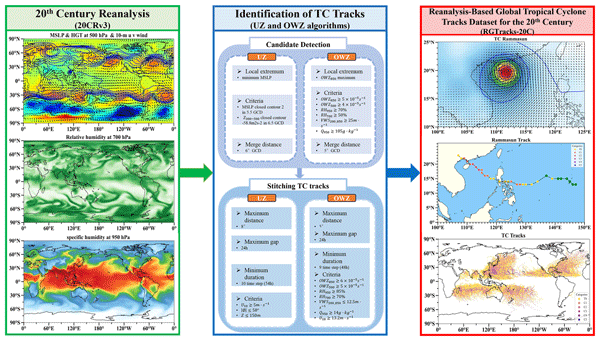
The RGTracks-20C is the first publicly available reanalysis-based TC dataset spanning the whole 20th century and part of the 19th century. We use two independent TC tracking algorithms to detect information of all the TCs from NOAA’s Twentieth Century Reanalysis (20CRv3). By doing so, the RGTracks-20C fills the gaps of incomplete TC track records (TC intensity) in the historical TC observation data (e.g., IBTrACS), addressing the limitations of early-year observed TC data.
Duofan Zheng, Shao-Yi Lee, Wenting Lin, Qi Ran, and Wenjie Dong
EGUsphere, https://doi.org/10.5194/egusphere-2024-2415, https://doi.org/10.5194/egusphere-2024-2415, 2024
Preprint archived
Short summary
Short summary
Three Asia-centric configurations of CAM-SE with different resolution were set up in Western Pacific region. A typhoon track algorithm was developed to extract the tracks of typhoons generated by the simulations. We found that the 0.25° regionally-refined configuration of CAM-SE could produce cost-efficient yet appropriate extreme typhoon statistics for the use of climate studies.
Andrew P. Schurer, Gabriele C. Hegerl, Hugues Goosse, Massimo A. Bollasina, Matthew H. England, Michael J. Mineter, Doug M. Smith, and Simon F. B. Tett
Clim. Past, 19, 943–957, https://doi.org/10.5194/cp-19-943-2023, https://doi.org/10.5194/cp-19-943-2023, 2023
Short summary
Short summary
We adopt an existing data assimilation technique to constrain a model simulation to follow three important modes of variability, the North Atlantic Oscillation, El Niño–Southern Oscillation and the Southern Annular Mode. How it compares to the observed climate is evaluated, with improvements over simulations without data assimilation found over many regions, particularly the tropics, the North Atlantic and Europe, and discrepancies with global cooling following volcanic eruptions are reconciled.
Yi Zhou, Yu Zhang, Changsheng Chen, Lele Li, Danya Xu, Robert C. Beardsley, and Weizeng Shao
The Cryosphere Discuss., https://doi.org/10.5194/tc-2023-40, https://doi.org/10.5194/tc-2023-40, 2023
Revised manuscript not accepted
Short summary
Short summary
This study used an improved retracking algorithm, considered the corrected radar penetration rates, and included the new snow depth from the Feng Yun-3B satellite to enhance the accuracy of Arctic sea ice thickness derived from the CryoSat-2 satellite. This comprehensive optimization was the first to improve the sea ice thickness retrieval. Compared with the sea ice product derived by the Alfred Wegener Institute, the optimization cases could successfully reduce the errors above 20 %.
Sophy Oliver, Coralia Cartis, Iris Kriest, Simon F. B Tett, and Samar Khatiwala
Geosci. Model Dev., 15, 3537–3554, https://doi.org/10.5194/gmd-15-3537-2022, https://doi.org/10.5194/gmd-15-3537-2022, 2022
Short summary
Short summary
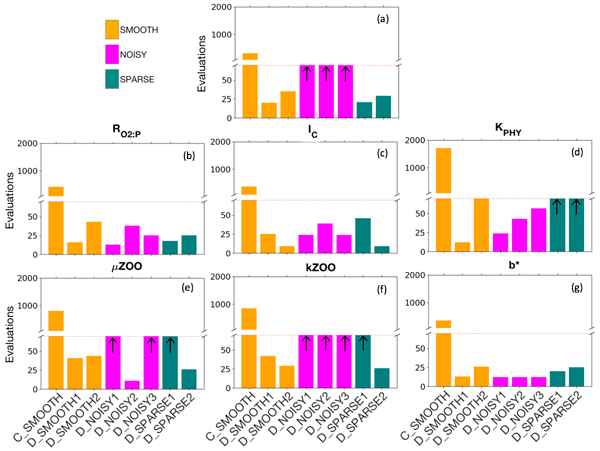
Global ocean biogeochemical models are used within Earth system models which are used to predict future climate change. However, these are very computationally expensive to run and therefore are rarely routinely improved or calibrated to real oceanic observations. Here we apply a new, fast optimisation algorithm to one such model and show that it can calibrate the model much faster than previously managed, therefore encouraging further ocean biogeochemical model improvements.
Wenbin Sun, Yang Yang, Liya Chao, Wenjie Dong, Boyin Huang, Phil Jones, and Qingxiang Li
Earth Syst. Sci. Data, 14, 1677–1693, https://doi.org/10.5194/essd-14-1677-2022, https://doi.org/10.5194/essd-14-1677-2022, 2022
Short summary
Short summary
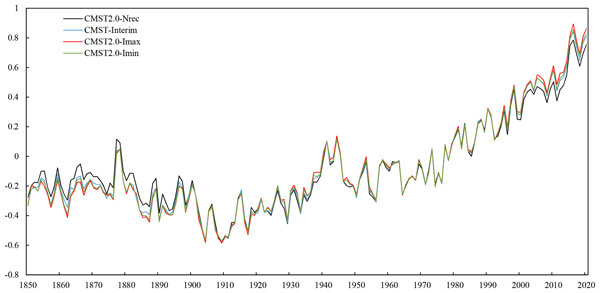
The new China global Merged Surface Temperature CMST 2.0 is the updated version of CMST-Interim used in the IPCC's AR6. The updated dataset is described in this study, containing three versions: CMST2.0 – Nrec, CMST2.0 – Imax, and CMST2.0 – Imin. The reconstructed datasets significantly improve data coverage, especially in the high latitudes in the Northern Hemisphere, thus increasing the long-term trends at global, hemispheric, and regional scales since 1850.
James Keeble, Birgit Hassler, Antara Banerjee, Ramiro Checa-Garcia, Gabriel Chiodo, Sean Davis, Veronika Eyring, Paul T. Griffiths, Olaf Morgenstern, Peer Nowack, Guang Zeng, Jiankai Zhang, Greg Bodeker, Susannah Burrows, Philip Cameron-Smith, David Cugnet, Christopher Danek, Makoto Deushi, Larry W. Horowitz, Anne Kubin, Lijuan Li, Gerrit Lohmann, Martine Michou, Michael J. Mills, Pierre Nabat, Dirk Olivié, Sungsu Park, Øyvind Seland, Jens Stoll, Karl-Hermann Wieners, and Tongwen Wu
Atmos. Chem. Phys., 21, 5015–5061, https://doi.org/10.5194/acp-21-5015-2021, https://doi.org/10.5194/acp-21-5015-2021, 2021
Short summary
Short summary
Stratospheric ozone and water vapour are key components of the Earth system; changes to both have important impacts on global and regional climate. We evaluate changes to these species from 1850 to 2100 in the new generation of CMIP6 models. There is good agreement between the multi-model mean and observations, although there is substantial variation between the individual models. The future evolution of both ozone and water vapour is strongly dependent on the assumed future emissions scenario.
Cited articles
Adler, R. F., Huffman, G. J., Chang, A., Ferraro, R., Xie, P., Janowiak, J., Rudolf, B., Schneider, U., Curtis, S., Bolvin, D., Gruber, A., Susskind, J., Arkin, P., and Nelkin, E.: The Version-2 Global Precipitation Climatology Project (GPCP) Monthly Precipitation Analysis (1979–Present), Journal of Hydrometeorology, 4, 1147–1167, https://doi.org/10.1175/1525-7541(2003)004<1147:TVGPCP>2.0.CO;2, 2003.
Allen, M. R., Stott, P. A., Mitchell, J. F. B., Schnur, R., and Delworth, T. L.: Quantifying the uncertainty in forecasts of anthropogenic climate change, Nature, 407, 617–620, https://doi.org/10.1038/35036559, 2000.
Bardenet, R. M., Brendel, M. T. S., Gl, B. Z. K., and Sebag, M. L.: Collaborative hyperparameter tuning, International Conference on Machine Learning, 28, 199–207, 2013.
Bellprat, O., Kotlarski, S., Lüthi, D., and Schär, C.: Objective calibration of regional climate models, Journal of Geophysical Research Atmospheres, 117, https://doi.org/10.1029/2012jd018262, 2012.
Bellucci, A., Athanasiadis, P. J., Scoccimarro, E., Ruggieri, P., Gualdi, S., Fedele, G., Haarsma, R. J., Garcia-Serrano, J., Castrillo, M., Putrahasan, D., Sanchez-Gomez, E., Moine, M., Roberts, C. D., Roberts, M. J., Seddon, J., and Vidale, P. L.: Air-Sea interaction over the Gulf Stream in an ensemble of HighResMIP present climate simulations, Climate Dynamics, 56, 2093–2111, https://doi.org/10.1007/s00382-020-05573-z, 2021.
Bhouri, M. A., Peng, L., Pritchard, M. S., and Gentine, P.: Multi-fidelity climate model parameterization for better generalization and extrapolation, arXiv (Cornell University), https://doi.org/10.48550/arxiv.2309.10231, 2023.
Blockley, E., Vancoppenolle, M., Hunke, E., Bitz, C., Feltham, D., Lemieux, J., Losch, M., Maisonnave, E., Notz, D., Rampal, P., Tietsche, S., Tremblay, B., Turner, A., Massonnet, F., Ólason, E., Roberts, A., Aksenov, Y., Fichefet, T., Garric, G., Iovino, D., Madec, G., Rousset, C., Melia, D. S. y, and Schroeder, D.: The Future of Sea Ice Modeling: Where Do We Go from Here?, Bulletin of the American Meteorological Society, 101, E1304–E1311, https://doi.org/10.1175/bams-d-20-0073.1, 2020
Blyth, E. M., Arora, V. K., Clark, D. B., Dadson, S. J., De Kauwe, M. G., Lawrence, D. M., Melton, J. R., Pongratz, J., Turton, R. H., Yoshimura, K., and Yuan, H.: Advances in land surface modelling, Current Climate Change Reports, 7, 45–71, https://doi.org/10.1007/s40641-021-00171-5, 2021.
Bogenschutz, P. A., Gettelman, A., Hannay, C., Larson, V. E., Neale, R. B., Craig, C., and Chen, C.-C.: The path to CAM6: coupled simulations with CAM5.4 and CAM5.5, Geosci. Model Dev., 11, 235–255, https://doi.org/10.5194/gmd-11-235-2018, 2018.
Bonnet, P., Pastori, L., Schwabe, M., Giorgetta, M., Iglesias-Suarez, F., and Eyring, V.: Tuning the ICON-A 2.6.4 climate model with machine-learning-based emulators and history matching, Geosci. Model Dev., 18, 3681–3706, https://doi.org/10.5194/gmd-18-3681-2025, 2025.
Burke, J. V. and Ferris, M. C.: A Gauss–Newton method for convex composite optimization, Mathematical Programming, 71, 179–194, https://doi.org/10.1007/bf01585997, 1995.
Cartis, C., Fiala, J., Marteau, B., and Roberts, L.: Improving the flexibility and robustness of model-based derivative-free optimization solvers, ACM Transactions on Mathematical Software, 45, 1–41, https://doi.org/10.1145/3338517, 2019.
Chen, T., Rossow, W. B., and Zhang, Y.: Radiative effects of Cloud-Type variations, AMETSOC, https://doi.org/10.1175/1520-0442(2000)013<0264:REOCTV>2.0.CO;2, 2000.
Chen, T., Wei, W., and Tsai, J.: Optimum design of headstocks of precision lathes, International Journal of Machine Tools and Manufacture, 39, 1961–1977, https://doi.org/10.1016/s0890-6955(99)00034-6, 1999.
Eidhammer, T., Gettelman, A., Thayer-Calder, K., Watson-Parris, D., Elsaesser, G., Morrison, H., van Lier-Walqui, M., Song, C., and McCoy, D.: An extensible perturbed parameter ensemble for the Community Atmosphere Model version 6, Geosci. Model Dev., 17, 7835–7853, https://doi.org/10.5194/gmd-17-7835-2024, 2024.
Elkinton, C. N., Manwell, J. F., and McGowan, J. G.: Algorithms for offshore wind farm layout optimization, Wind Engineering, 32, 67–84, https://doi.org/10.1260/030952408784305877, 2008.
Erickson, D., Oglesby, R., Elliott, S., Steffen, W., and Brasseur, G. P.: Chapter Seventeen Challenges in Earth System Modelling: Approaches and Applications, in: Developments in Integrated Environmental Assessment, Elsevier B. V., 297–306, https://doi.org/10.1016/s1574-101x(08)00617-0, 2008.
Eyring, V., Bony, S., Meehl, G. A., Senior, C. A., Stevens, B., Stouffer, R. J., and Taylor, K. E.: Overview of the Coupled Model Intercomparison Project Phase 6 (CMIP6) experimental design and organization, Geosci. Model Dev., 9, 1937–1958, https://doi.org/10.5194/gmd-9-1937-2016, 2016.
Fox-Kemper, B., Adcroft, A., Böning, C. W., Chassignet, E. P., Curchitser, E., Danabasoglu, G., Eden, C., England, M. H., Gerdes, R., Greatbatch, R. J., Griffies, S. M., Hallberg, R. W., Hanert, E., Heimbach, P., Hewitt, H. T., Hill, C. N., Komuro, Y., Legg, S., Sommer, J. L., Masina, S., Marsland, S. J., Penny, S. G., Qiao, F. L., Ringler, T. D., Treguier, A, M., Tsujino, H., Uotila, P., and Yeager, S. G.: Challenges and Prospects in ocean circulation models, Frontiers in Marine Science, 6, https://doi.org/10.3389/fmars.2019.00065, 2019.
Gentine, P., Eyring, V., and Beucler, T.: Deep Learning for the Parametrization of Subgrid Processes in Climate Models, Chap. 21, 307–314, John Wiley & Sons, Ltd, Chichester, West Sussex, 307–314, https://doi.org/10.1002/9781119646181.ch21, 2021.
Golaz, J., Horowitz, L. W., and Levy, H.: Cloud tuning in a coupled climate model: Impact on 20th century warming, Geophysical Research Letters, 40, 2246–2251, https://doi.org/10.1002/grl.50232, 2013.
Goosse, H., Kay, J. E., Armour, K. C., Bodas-Salcedo, A., Chepfer, H., Docquier, D., Jonko, A., Kushner, P. J., Lecomte, O., Massonnet, F., Park, H., Pithan, F., Svensson, G., and Vancoppenolle, M.: Quantifying climate feedbacks in polar regions, Nature Communications, 9, https://doi.org/10.1038/s41467-018-04173-0, 2018.
Hakkarainen, J., Ilin, A., Solonen, A., Laine, M., Haario, H., Tamminen, J., Oja, E., and Järvinen, H.: On closure parameter estimation in chaotic systems, Nonlin. Processes Geophys., 19, 127–143, https://doi.org/10.5194/npg-19-127-2012, 2012.
Hakkarainen, J., Solonen, A., Ilin, A., Susiluoto, J., Laine, M., Haario, H., and Järvinen, H.: dilemma of the uniqueness of weather and climate model closure parameters, Tellus a Dynamic Meteorology and Oceanography, 65, 20147, https://doi.org/10.3402/tellusa.v65i0.20147, 2013.
Ham, S., Hong, S., and Park, S.: A study on air–sea interaction on the simulated seasonal climate in an ocean–atmosphere coupled model, Climate Dynamics, 42, 1175–1187, https://doi.org/10.1007/s00382-013-1847-0, 2013.
Harris, I. C., Jones, P. D., and Osborn, T.: CRU TS4. 01. Climatic Research Unit (CRU) Time-Series (TS) version 4.01 of high-resolution gridded data of month-by-month variation in climate (Jan. 1901–Dec. 2016), Centre for Environmental Data Analysis, 25, https://catalogue.ceda.ac.uk/uuid/58a8802721c94c66ae45c3baa4d814d0/ (last access: 25 September 2023), 2017.
Hansen, N.: The CMA Evolution Strategy: a tutorial, arXiv, https://doi.org/10.48550/arXiv.1604.00772, 2016.
Hersbach, H., Bell, B., Berrisford, P., Hirahara, S., Horányi, A., Muñoz-Sabater, J., Nicolas, J., Peubey, C., Radu, R., Schepers, D., Simmons, A., Soci, C., Abdalla, S., Abellan, X., Balsamo, G., Bechtold, P., Biavati, G., Bidlot, J., Bonavita, M., Chiara, G. D., Dahlgren, P., Dee, D., Diamantakis, M., Dragani, R., Flemming, J., Forbes, R., Fuentes, M., Geer, A., Haimberger, L., Healy, S., Hogan, R. J., Hólm, E., Janisková, M., Keeley, S., Laloyaux, P., Lopez, P., Lupu, C., Radnoti, G., de Rosnay, P., Rozum, I., Vamborg, F., Villaume, S., and Thépaut, J.-N.: The ERA5 global reanalysis, Quarterly Journal of the Royal Meteorological Society, 146, 1999–2049, https://doi.org/10.1002/qj.3803, 2020.
Hough, M. and Roberts, L.: Model-Based Derivative-Free methods for Convex-Constrained optimization, SIAM Journal on Optimization, 32, 2552–2579, https://doi.org/10.1137/21m1460971, 2022.
Hourdin, F., Ferster, B., Deshayes, J., Mignot, J., Musat, I., and Williamson, D.: Toward machine-assisted tuning avoiding the underestimation of uncertainty in climate change projections, Science Advances, 9, https://doi.org/10.1126/sciadv.adf2758, 2023.
Hourdin, F., Mauritsen, T., Gettelman, A., Golaz, J., Balaji, V., Duan, Q., Folini, D., Ji, D., Klocke, D., Qian, Y., Rauser, F., Rio, C., Tomassini, L., Watanabe, M., and Williamson, D.: The Art and science of climate model tuning, Bulletin of the American Meteorological Society, 98, 589–602, https://doi.org/10.1175/bams-d-15-00135.1, 2017.
Jackson, C., Sen, M. K., and Stoffa, P. L.: An efficient stochastic Bayesian approach to optimal parameter and uncertainty estimation for climate model predictions, Journal of Climate, 17, 2828–2841, https://doi.org/10.1175/1520-0442(2004)017, 2004.
Jebeile, J., Lam, V., Majszak, M., and Räz, T.: Machine learning and the quest for objectivity in climate model parameterization, Climatic Change, 176, https://doi.org/10.1007/s10584-023-03532-1, 2023.
Jones, P. D., Lister, D. H., Osborn, T. J., Harpham, C., Salmon, M., and Morice, C. P.: Hemispheric and large-scale land-surface air temperature variations: An extensive revision and an update to 2010, Journal of Geophysical Research Atmospheres, 117, https://doi.org/10.1029/2011jd017139, 2012.
Kanamitsu, M., Ebisuzaki, W., Woollen, J., Yang, S., Hnilo, J. J., Fiorino, M., and Potter, G. L.: NCEP–DOE AMIP-II Reanalysis (R-2), Bulletin of the American Meteorological Society, 83, 1631–1644, https://doi.org/10.1175/bams-83-11-1631, 2002.
Kanehama, T., Sandu, I., Beljaars, A., Niekerk, A. v., Wedi, N., Boussetta, S., Lang, S., Johnson, S., and Magnusson L.: Evaluation and optimizaton of orographic drag in the IFS|ECMWF Technical Memoranda, ECMWF, https://www.ecmwf.int/en/elibrary/81293-evaluation-and-optimizaton-orographic-drag-ifs (last access: 18 July 2024), 2022.
Kim, N. D. S. and Lee, N. K.: Block-Coordinate Gauss–Newton optimization and constrained monotone regression for image registration in the presence of outlier objects, IEEE Transactions on Image Processing, 17, 798–810, https://doi.org/10.1109/tip.2008.920716, 2008.
Lauritzen, P. H. and Williamson, D. L.: A total energy error analysis of dynamical Cores and Physics-Dynamics coupling in the Community Atmosphere Model (CAM), Journal of Advances in Modeling Earth Systems, 11, 1309–1328, https://doi.org/10.1029/2018ms001549, 2019.
Lguensat, R., Deshayes, J., Durand, H., and Balaji, V.: Semi-Automatic tuning of coupled climate models with multiple intrinsic timescales: Lessons learned from the Lorenz96 Model, Journal of Advances in Modeling Earth Systems, 15, https://doi.org/10.1029/2022ms003367, 2023.
Li, L., Dong, L., Xie, J., Tang, Y., Xie, F., Guo, Z., Liu, H., Feng, T., Wang, L., Pu, Y., Sun, W., Xia, K., Liu, L., Xie, Z., Wang, Y., Wang, L., Shi, X., Jia, B., Liu, J., and Wang, B.: The GAMIL3: Model Description and Evaluation, Journal of Geophysical Research Atmospheres, 125, https://doi.org/10.1029/2020jd032574, 2020a.
Li, L., Yu, Y., Tang, Y., Lin, P., Xie, J., Song, M., Dong, L., Zhou, T., Liu, L., Wang, L., Pu, Y., Chen, X., Chen, L., Xie, Z., Liu, H., Zhang, L., Huang, X., Feng, T., Zheng, W., Xia, K., Liu, H., Liu, J., Wang, Y., Wang, L., Jia, B., Xie, F., Wang, B., Zhao, S., Yu, Z., Zhao, B., and Wei, J.: The Flexible Global Ocean-Atmosphere-Land System Model Grid-Point Version 3 (FGOALS-G3): Description and Evaluation, Journal of Advances in Modeling Earth Systems, 12, https://doi.org/10.1029/2019ms002012, 2020b.
Liang, W.: dataset_for_pictures_of_GMD_2024-3770_Calibrating the GAMIL3-1d, Zenodo [data set], https://doi.org/10.5281/zenodo.17759560, 2025.
Liu, L., Sun, C., Yu, X., Yu, H., Jiang, Q., Li, X., Li, R., Wang, B., Shen, X., and Yang, G.: C-Coupler3.0: an integrated coupler infrastructure for Earth system modelling, Geosci. Model Dev., 16, 2833–2850, https://doi.org/10.5194/gmd-16-2833-2023, 2023.
Loeb, N. G., Doelling, D. R., Wang, H., Su, W., Nguyen, C., Corbett, J. G., Liang, L., Mitrescu, C., Rose, F. G., and Kato, S.: Clouds and the Earth's Radiant Energy System (CERES) Energy Balanced and Filled (EBAF) Top-of-Atmosphere (TOA) Edition-4.0 data product, Journal of Climate, 31, 895–918, https://doi.org/10.1175/jcli-d-17-0208.1, 2018.
Mauritsen, T., Stevens, B., Roeckner, E., Crueger, T., Esch, M., Giorgetta, M., Haak, H., Jungclaus, J., Klocke, D., Matei, D., Mikolajewicz, U., Notz, D., Pincus, R., Schmidt, H., and Tomassini, L.: Tuning the climate of a global model, Journal of Advances in Modeling Earth Systems, 4, https://doi.org/10.1029/2012ms000154, 2012.
Meng, Z., Zhou, L., Qin, J., and Li, B.: Intraseasonal Air–Sea Interaction Over the Southeastern Indian Ocean and its Impact on Indian Summer Monsoon, Frontiers in Marine Science, 9, https://doi.org/10.3389/fmars.2022.921585, 2022.
Mignot, J., Hourdin, F., Deshayes, J., Boucher, O., Gastineau, G., Musat, I., Vancoppenolle, M., Servonnat, J., Caubel, A., Chéruy, F., Denvil, S., Dufresne, J., Ethé, C., Fairhead, L., Foujols, M., Grandpeix, J., Levavasseur, G., Marti, O., Menary, M., Rio, C., Rousset, C., and Silvy, Y.: The tuning strategy of IPSL-CM6A-LR, Journal of Advances in Modeling Earth Systems, 13, https://doi.org/10.1029/2020ms002340, 2021.
Muller, R. A., Rohde, R., Jacobsen, R., Muller, E., and Wickham, C.: A new estimate of the average Earth surface land temperature spanning 1753 to 2011, Geoinformatics & Geostatistics an Overview, 01, https://doi.org/10.4172/2327-4581.1000101, 2013.
Neelin, J. D., Bracco, A., Luo, H., McWilliams, J. C., and Meyerson, J. E.: Considerations for parameter optimization and sensitivity in climate models, Proceedings of the National Academy of Sciences, 107, 21349–21354, https://doi.org/10.1073/pnas.1015473107, 2010.
Oliver, S., Cartis, C., Kriest, I., Tett, S. F. B., and Khatiwala, S.: A derivative-free optimisation method for global ocean biogeochemical models, Geosci. Model Dev., 15, 3537–3554, https://doi.org/10.5194/gmd-15-3537-2022, 2022.
Oliver, S., Khatiwala, S., Cartis, C., Ward, B., and Kriest, I.: Using shortened Spin-Ups to speed up ocean biogeochemical model optimization, Journal of Advances in Modeling Earth Systems, 16, https://doi.org/10.1029/2023ms003941, 2024.
Philander, S. G. H.: El Niño Southern Oscillation phenomena, Nature, 302, 295–301, https://doi.org/10.1038/302295a0, 1983.
Prinn, R. G.: Development and application of earth system models, Proceedings of the National Academy of Sciences, 110, 3673–3680, https://doi.org/10.1073/pnas.1107470109, 2012.
Qian, Y., Jackson, C., Giorgi, F., Booth, B., Duan, Q., Forest, C., Higdon, D., Hou, Z. J., and Huerta, G.: Uncertainty quantification in climate modeling and projection, Bulletin of the American Meteorological Society, 97, 821–824, https://doi.org/10.1175/bams-d-15-00297.1, 2016.
Qian, Y., Yan, H., Hou, Z., Johannesson, G., Klein, S., Lucas, D., Neale, R., Rasch, P., Swiler, L., Tannahill, J., Wang, H., Wang, M., and Zhao, C.: Parametric sensitivity analysis of precipitation at global and local scales in the Community Atmosphere Model CAM5, Journal of Advances in Modeling Earth Systems, 7, 382–411, https://doi.org/10.1002/2014ms000354, 2015.
Rayner, N. A., Parker, D. E., Horton, E. B., Folland, C. K., Alexander, L. V., Rowell, D. P., Kent, E. C., and Kaplan, A.: Global analyses of sea surface temperature, sea ice, and night marine air temperature since the late nineteenth century, J. Geophys. Res. Atmos., 108, 4407, https://doi.org/10.1029/2002JD002670, 2003.
Regis, R. G. and Shoemaker, C. A.: Combining radial basis function surrogates and dynamic coordinate search in high-dimensional expensive black-box optimization, Engineering Optimization, 45, 529–555, https://doi.org/10.1080/0305215x.2012.687731, 2012.
Saji, N. H., Goswami, B. N., Vinayachandran, P. N., and Yamagata, T.: A dipole mode in the tropical Indian Ocean, Nature, 401, 360–363, https://doi.org/10.1038/43854, 1999.
Sandu, I., Bechtold, P., Beljaars, A., Bozzo, A., Pithan, F., Shepherd, T. G., and Zadra, A.: Impacts of parameterized orographic drag on the Northern Hemisphere winter circulation, Journal of Advances in Modeling Earth Systems, 8, 196–211, https://doi.org/10.1002/2015ms000564, 2015.
Santos, S. P., Caldwell, P. M., and Bretherton, C. S.: Cloud process coupling and time integration in the E3SM Atmosphere model, Journal of Advances in Modeling Earth Systems, 13, https://doi.org/10.1029/2020ms002359, 2021.
Schneider, T., Leung, L. R., and Wills, R. C. J.: Opinion: Optimizing climate models with process knowledge, resolution, and artificial intelligence, Atmos. Chem. Phys., 24, 7041–7062, https://doi.org/10.5194/acp-24-7041-2024, 2024.
Smith, R. S., Mathiot, P., Siahaan, A., Lee, V., Cornford, S. L., Gregory, J. M., Payne, A. J., Jenkins, A., Holland, P. R., Ridley, J. K., and Jones, C. G.: Coupling the U.K. Earth system model to dynamic models of the Greenland and Antarctic ice sheets, Journal of Advances in Modeling Earth Systems, 13, https://doi.org/10.1029/2021ms002520, 2021.
Tett, S.: Model Optimization, Zenodo [code], https://doi.org/10.5281/zenodo.14772250, 2025.
Tett, S. F. B., Gregory, J. M., Freychet, N., Cartis, C., Mineter, M. J., and Roberts, L.: Does model calibration reduce uncertainty in climate projections?, Journal of Climate, 35, 2585–2602, https://doi.org/10.1175/jcli-d-21-0434.1, 2022.
Tett, S. F. B., Mineter, M. J., Cartis, C., Rowlands, D. J., and Liu, P.: Can Top-of-Atmosphere radiation measurements constrain climate predictions? Part I: Tuning, Journal of Climate, 26, 9348–9366, https://doi.org/10.1175/jcli-d-12-00595.1, 2013.
Tett, S. F. B., Yamazaki, K., Mineter, M. J., Cartis, C., and Eizenberg, N.: Calibrating climate models using inverse methods: case studies with HadAM3, HadAM3P and HadCM3, Geosci. Model Dev., 10, 3567–3589, https://doi.org/10.5194/gmd-10-3567-2017, 2017.
Tian, B. and Dong, X.: The Double-ITCZ bias in CMIP3, CMIP5, and CMIP6 models based on annual mean precipitation, Geophysical Research Letters, 47, https://doi.org/10.1029/2020gl087232, 2020.
Touzé-Peiffer, L.: Parameterization of atmospheric convection in numerical climate models-Practices and epistemological challenges. Meteorology, Sorbonne Université, NNT: 2021SORUS539.tel-04215936, 2021.
Valcke, S., Balaji, V., Craig, A., DeLuca, C., Dunlap, R., Ford, R. W., Jacob, R., Larson, J., O'Kuinghttons, R., Riley, G. D., and Vertenstein, M.: Coupling technologies for Earth System Modelling, Geosci. Model Dev., 5, 1589–1596, https://doi.org/10.5194/gmd-5-1589-2012, 2012.
Wan, H., Zhang, S., Rasch, P. J., Larson, V. E., Zeng, X., and Yan, H.: Quantifying and attributing time step sensitivities in present-day climate simulations conducted with EAMv1, Geosci. Model Dev., 14, 1921–1948, https://doi.org/10.5194/gmd-14-1921-2021, 2021.
Wang, B., Wan, H., Ji, Z., Zhang, X., Yu, R., Yu, Y., and Liu, H.: Design of a new dynamical core for global atmospheric models based on some efficient numerical methods, Science in China Series a Mathematics, 47, 4, https://doi.org/10.1360/04za0001, 2004.
Wang, C., Zou, L., and Zhou, T.: SST biases over the Northwest Pacific and possible causes in CMIP5 models, Science China Earth Sciences, 61, 792–803, https://doi.org/10.1007/s11430-017-9171-8, 2018.
Wei, H., Subramanian, A. C., Karnauskas, K. B., DeMott, C. A., Mazloff, M. R., and Balmaseda, M. A.: Tropical Pacific Air-Sea Interaction Processes and Biases in CESM2 and their relation to El Niño Development, Journal of Geophysical Research Oceans, 126, https://doi.org/10.1029/2020jc016967, 2021.
Wielicki, B., Barkstrom, B., Baum, B., Charlock, T., Green, R., Kratz, D., Lee, R., Minnis, P., Smith, G., Wong, N. T., Young, D., Cess, R., Coakley, J., Crommelynck, D., Donner, L., Kandel, R., King, M., Miller, A., Ramanathan, V., Randall, A., Stowe, L., and Welch, R.: Clouds and the Earth's Radiant Energy System (CERES): algorithm overview, IEEE Transactions on Geoscience and Remote Sensing, 36, 1127–1141, https://doi.org/10.1109/36.701020, 1998.
Wild, M.: The global energy balance as represented in CMIP6 climate models, Climate Dynamics, 55, 553–577, https://doi.org/10.1007/s00382-020-05282-7, 2020.
Williams, K. D., Van Niekerk, A., Best, M. J., Lock, A. P., Brooke, J. K., Carvalho, M. J., Derbyshire, S. H., Dunstan, T. D., Rumbold, H. S., Sandu, I., and Sexton, D. M. H.: Addressing the causes of large-scale circulation error in the Met Office Unified Model, Quarterly Journal of the Royal Meteorological Society, 146, 2597–2613, https://doi.org/10.1002/qj.3807, 2020.
Williamson, D. B., Blaker, A. T., and Sinha, B.: Tuning without over-tuning: parametric uncertainty quantification for the NEMO ocean model, Geosci. Model Dev., 10, 1789–1816, https://doi.org/10.5194/gmd-10-1789-2017, 2017.
Williamson, D., Blaker, A. T., Hampton, C., and Salter, J.: Identifying and removing structural biases in climate models with history matching, Climate Dynamics, 45, 1299–1324, https://doi.org/10.1007/s00382-014-2378-z, 2015a.
Williamson, D., Goldstein, M., Allison, L., Blaker, A., Challenor, P., Jackson, L., and Yamazaki, K.: History matching for exploring and reducing climate model parameter space using observations and a large perturbed physics ensemble, Climate Dynamics, 41, 1703–1729, https://doi.org/10.1007/s00382-013-1896-4, 2013.
Williamson, D. L., Olson, J. G., Hannay, C., Toniazzo, T., Taylor, M., and Yudin, V.: Energy considerations in the Community Atmosphere Model (CAM), Journal of Advances in Modeling Earth Systems, 7, 1178–1188, https://doi.org/10.1002/2015ms000448, 2015b.
Wyrtki, K.: El Niño – The dynamic response of the Equatorial Pacific oceanto atmospheric forcing, Journal of Physical Oceanography, 5, 572–584, https://doi.org/10.1175/1520-0485(1975)005<0572:ENTDRO>2.0.CO;2, 1975.
Xie, F., Guo, Z., Li, L., Wang, B., Xue, W., Pu, Y., Qiu, X., Li, J., Wang, G., Chen, J., and Ding, C.: Effects of parametric uncertainty on Intertropical Convergence Zone (ITCZ) precipitation: Understanding the role of interactions between parameters in reducing the double ITCZ bias, Quarterly Journal of the Royal Meteorological Society, https://doi.org/10.1002/qj.5008, 2025.
Xie, F., Li, L., Pu, Y., Wang, B., Xue, W., Qiu, X., and Wang, G.: Quantifying parametric uncertainty effects on tropical cloud fraction in an AGCM, Journal of Advances in Modeling Earth Systems, 15, https://doi.org/10.1029/2022ms003221, 2023.
Xie, F., Li, L., Wang, B., and Xue, W.: Impacts of uncertain cloud-related parameters on Pacific Walker circulation simulation in GAMIL2, Atmospheric and Oceanic Science Letters, 11, 7–14, https://doi.org/10.1080/16742834.2018.1392228, 2018.
Xie, Z., Wang, L., Wang, Y., Liu, B., Li, R., Xie, J., Zeng, Y., Liu, S., Gao, J., Chen, S., Jia, B., and Qin, P.: Land Surface Model CAS-LSM: Model Description and Evaluation, Journal of Advances in Modeling Earth Systems, 12, https://doi.org/10.1029/2020ms002339, 2020.
Yamazaki, K., Rowlands, D. J., Aina, T., Blaker, A. T., Bowery, A., Massey, N., Miller, J., Rye, C., Tett, S. F. B., Williamson, D., Yamazaki, Y. H., and Allen, M. R.: Obtaining diverse behaviors in a climate model without the use of flux adjustments, Journal of Geophysical Research Atmospheres, 118, 2781–2793, https://doi.org/10.1002/jgrd.50304, 2013.
Yang, B., Qian, Y., Lin, G., Leung, L. R., Rasch, P. J., Zhang, G. J., McFarlane, S. A., Zhao, C., Zhang, Y., Wang, H., Wang, M., and Liu, X.: Uncertainty quantification and parameter tuning in the CAM5 Zhang-McFarlane convection scheme and impact of improved convection on the global circulation and climate, Journal of Geophysical Research Atmospheres, 118, 395–415, https://doi.org/10.1029/2012jd018213, 2013.
Yu, Y., Tang, S., Liu, H., Lin, P., and Li, X.: Development and Evaluation of the Dynamic Framework of an Ocean General Circulation Model with Arbitrary Orthogonal Curvilinear Coordinate, Chinese Journal of Atmospheric Sciences, 42, 877–889, https://doi.org/10.3878/j.issn.1006-9895.1805.17284, 2018.
Zhang, L. and Zhao, C.: Processes and mechanisms for the model SST biases in the North Atlantic and North Pacific: A link with the Atlantic meridional overturning circulation, Journal of Advances in Modeling Earth Systems, 7, 739–758, https://doi.org/10.1002/2014ms000415, 2015a.
Zhang, T., Li, L., Lin, Y., Xue, W., Xie, F., Xu, H., and Huang, X.: An automatic and effective parameter optimization method for model tuning, Geosci. Model Dev., 8, 3579–3591, https://doi.org/10.5194/gmd-8-3579-2015, 2015b.
Zou, L., Qian, Y., Zhou, T., and Yang, B.: Parameter Tuning and Calibration of RegCM3 with MIT–Emanuel Cumulus Parameterization Scheme over CORDEX East Asia Domain, Journal of Climate, 27, 7687–7701, https://doi.org/10.1175/jcli-d-14-00229.1, 2014.
Short summary
Predicting climate accurately is challenging due to uncertainties in model parameters. This study introduced an automated approach to refine key parameters, focusing on processes like cloud formation and atmospheric circulation. Testing adjustments to 10 and 20 parameters improved the model’s accuracy and stability, reducing errors in long-term simulations. This faster, more reliable method enhances climate models, supporting better future predictions and aiding global decision-making.
Predicting climate accurately is challenging due to uncertainties in model parameters. This...