
Articles | Volume 19, issue 13
https://doi.org/10.5194/gmd-19-6079-2026
© Author(s) 2026. This work is distributed under
the Creative Commons Attribution 4.0 License.
the Creative Commons Attribution 4.0 License.
https://doi.org/10.5194/gmd-19-6079-2026
© Author(s) 2026. This work is distributed under
the Creative Commons Attribution 4.0 License.
the Creative Commons Attribution 4.0 License.
Development and technical paper
| 
09 Jul 2026
Development and technical paper |
| 09 Jul 2026
| 09 Jul 2026
Calibration of the MEMS v1 model over a continental soil inventory: a comparison of MCMC and 4DEnVar methods

European Commission, Joint Research Centre (JRC), Ispra, Italy
Tristan Quaife
National Centre for Earth Observation, Department of Meteorology, University of Reading, Reading, United Kingdom
Fernando Fahl
European Dynamics Luxembourg S.A., Luxembourg, Luxembourg
Yao Zhang
Natural Resource Ecology Lab, Colorado State University, Fort Collins, CO, USA
Emanuele Lugato
European Commission, Joint Research Centre (JRC), Ispra, Italy
Related authors
Claudia Guidi, Sia Gosheva-Oney, Markus Didion, Roman Flury, Lorenz Walthert, Stephan Zimmermann, Brian J. Oney, Pascal A. Niklaus, Esther Thürig, Toni Viskari, Jari Liski, and Frank Hagedorn
Biogeosciences, 22, 4107–4122, https://doi.org/10.5194/bg-22-4107-2025, https://doi.org/10.5194/bg-22-4107-2025, 2025
Short summary
Short summary
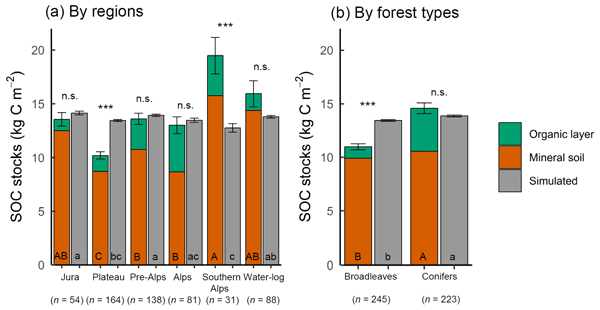
Predicting soil organic carbon (SOC) stocks in forests is crucial to determining the C balance, yet drivers of SOC stocks remain uncertain at large scales. Across a broad environmental gradient in Switzerland, we compared measured SOC stocks with those modeled by Yasso, which is commonly used for greenhouse gas budgets. We show that soil mineral properties and climate are the main controls of SOC stocks, indicating that better accounting of these processes will advance the accuracy of SOC stock predictions.

Jarmo Mäkelä, Laura Arppe, Hannu Fritze, Jussi Heinonsalo, Kristiina Karhu, Jari Liski, Markku Oinonen, Petra Straková, and Toni Viskari
Biogeosciences, 19, 4305–4313, https://doi.org/10.5194/bg-19-4305-2022, https://doi.org/10.5194/bg-19-4305-2022, 2022
Short summary
Short summary
Soils account for the largest share of carbon found in terrestrial ecosystems, and accurate depiction of soil carbon decomposition is essential in understanding how permanent these carbon storages are. We present a straightforward way to include carbon isotope concentrations into soil decomposition and carbon storages for the Yasso model, which enables the model to use 13C as a natural tracer to track changes in the underlying soil organic matter decomposition.
Weilin Huang, Peter M. van Bodegom, Toni Viskari, Jari Liski, and Nadejda A. Soudzilovskaia
Biogeosciences, 19, 1469–1490, https://doi.org/10.5194/bg-19-1469-2022, https://doi.org/10.5194/bg-19-1469-2022, 2022
Short summary
Short summary
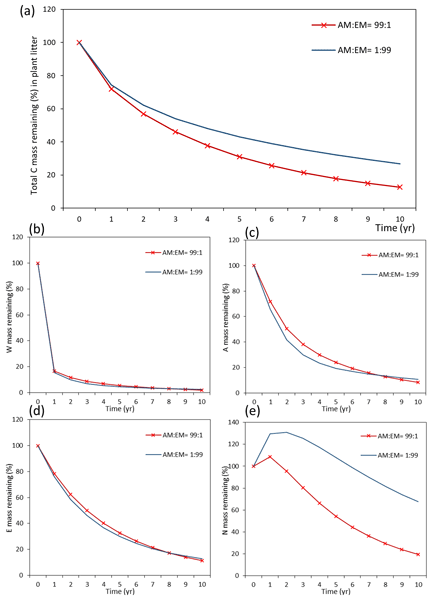
This work focuses on one of the essential pathways of mycorrhizal impact on C cycles: the mediation of plant litter decomposition. We present a model based on litter chemical quality which precludes a conclusive examination of mycorrhizal impacts on soil C. It improves long-term decomposition predictions and advances our understanding of litter decomposition dynamics. It creates a benchmark in quantitatively examining the impacts of plant–microbe interactions on soil C dynamics.

Toni Viskari, Janne Pusa, Istem Fer, Anna Repo, Julius Vira, and Jari Liski
Geosci. Model Dev., 15, 1735–1752, https://doi.org/10.5194/gmd-15-1735-2022, https://doi.org/10.5194/gmd-15-1735-2022, 2022
Short summary
Short summary
We wanted to examine how the chosen measurement data and calibration process affect soil organic carbon model calibration. In our results we found that there is a benefit in using data from multiple litter-bag decomposition experiments simultaneously, even with the required assumptions. Additionally, due to the amount of noise and uncertainties in the system, more advanced calibration methods should be used to parameterize the models.
Olli Nevalainen, Olli Niemitalo, Istem Fer, Antti Juntunen, Tuomas Mattila, Olli Koskela, Joni Kukkamäki, Layla Höckerstedt, Laura Mäkelä, Pieta Jarva, Laura Heimsch, Henriikka Vekuri, Liisa Kulmala, Åsa Stam, Otto Kuusela, Stephanie Gerin, Toni Viskari, Julius Vira, Jari Hyväluoma, Juha-Pekka Tuovinen, Annalea Lohila, Tuomas Laurila, Jussi Heinonsalo, Tuula Aalto, Iivari Kunttu, and Jari Liski
Geosci. Instrum. Method. Data Syst., 11, 93–109, https://doi.org/10.5194/gi-11-93-2022, https://doi.org/10.5194/gi-11-93-2022, 2022
Short summary
Short summary
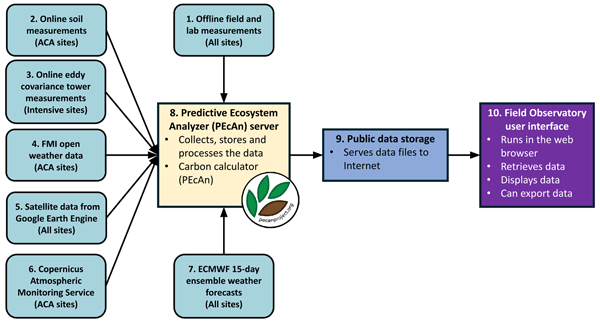
Better monitoring of soil carbon sequestration is needed to understand the best carbon farming practices in different soils and climate conditions. We, the Field Observatory Network (FiON), have therefore established a methodology for monitoring and forecasting agricultural carbon sequestration by combining offline and near-real-time field measurements, weather data, satellite imagery, and modeling. To disseminate our work, we built a website called the Field Observatory (fieldobservatory.org).
J. Cale Baguley, Tristin Quaife, Lucy Rowland, Patrick Meir, Michael C. Bell, Manon E. B. Sabot, and Martin G. De Kauwe
EGUsphere, https://doi.org/10.5194/egusphere-2026-4729, https://doi.org/10.5194/egusphere-2026-4729, 2026
This preprint is open for discussion and under review for Biogeosciences (BG).
Short summary
Short summary
Drought can affect trees both immediately and for months or years afterwards. To improve predictions of how forests respond to drought, we added new representations of how trees regulate water loss and how drought can leave lasting damage to the movement of water within trees in a widely used model. When applied to a 2002 drought in the United Kingdom, the improved model better captured tree responses and suggested that the effects of drought were small in an oak woodland in the following year.
Tea Thum, Javier Pacheco-Labrador, Mika Aurela, Alan Barr, Marika Honkanen, Bruce Johnson, Hannakaisa Lindqvist, Troy Magney, Mirco Migliavacca, Zoe Amie Pierrat, Tristan Quaife, Jochen Stutz, and Sönke Zaehle
Biogeosciences, 23, 3541–3565, https://doi.org/10.5194/bg-23-3541-2026, https://doi.org/10.5194/bg-23-3541-2026, 2026
Short summary
Short summary
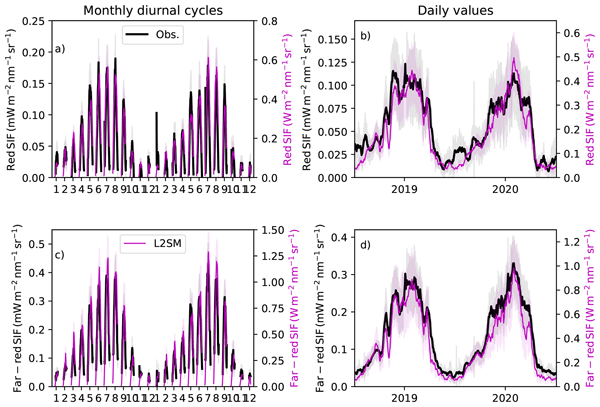
Solar-induced chlorophyll fluorescence (SIF) is an optical signal emitted by plants, connected to the biochemical status of the plants. Therefore it helps to unveil what happens inside plants and since it can be observed with remote sensing, it provides a global view of plant activity. We included SIF module in a terrestrial biosphere model and examined how to best describe movement of the SIF signal in the forest. Our work will help to model SIF in boreal coniferous forests.
Natalie Douglas, Simon Beylat, Tristan Quaife, Philippe Peylin, Nina Raoult, and Ross Bannister
EGUsphere, https://doi.org/10.5194/egusphere-2026-132, https://doi.org/10.5194/egusphere-2026-132, 2026
Short summary
Short summary
This study investigates a statistical method, called 4DEnVar, to calibrate uncertain land surface model parameters against observations. This method is easy to use but can lead to unphysical parameter values. The study explores the causes of this while proposing a simple way to overcome the problem. We show that the 4DEnVar method exhibits considerable versatility by applying the method to two different land surface models, under different settings, to calibrate photosynthetic parameters.
Samantha Petch, Liang Feng, Paul I. Palmer, Robert P. King, Tristan Quaife, and Keith Haines
Biogeosciences, 22, 7031–7051, https://doi.org/10.5194/bg-22-7031-2025, https://doi.org/10.5194/bg-22-7031-2025, 2025
Short summary
Short summary
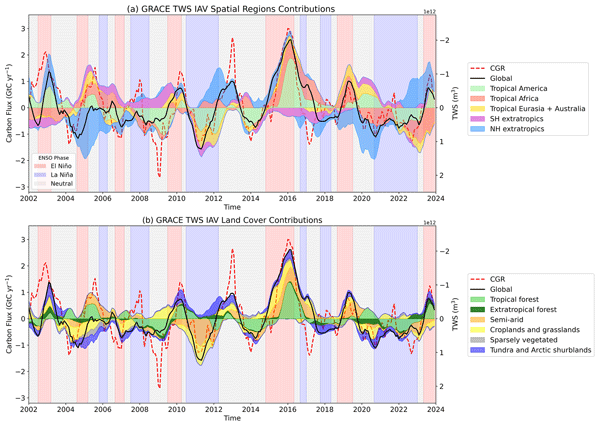
The growth rate of atmospheric CO2 varies year to year, mainly due to land ecosystems. Understanding factors controlling the land carbon uptake is crucial. Our study examines the link between terrestrial water storage and the CO2 growth rate from 2002–2023, revealing a strong negative correlation. We highlight the key role of tropical forests, especially in tropical America, and assess how regional contributions shift over time.
Simon Beylat, Nina Raoult, Cédric Bacour, Natalie Douglas, Tristan Quaife, Vladislav Bastrikov, Peter J. Rayner, and Philippe Peylin
Geosci. Model Dev., 18, 7501–7527, https://doi.org/10.5194/gmd-18-7501-2025, https://doi.org/10.5194/gmd-18-7501-2025, 2025
Short summary
Short summary
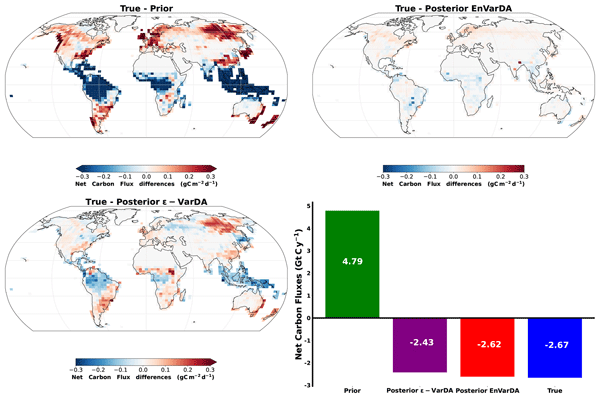
Land surface models are important tools for understanding and predicting the land components of the carbon cycle. Atmospheric CO2 concentration data are a valuable source of information that can be used to improve the accuracy of these models. In this study, we present a statistical ensemble-variational data assimilation method named EnVarDA to calibrate parameters of a land surface model using these data. We show that this method is easy to implement and more efficient and accurate than traditional methods.
Claudia Guidi, Sia Gosheva-Oney, Markus Didion, Roman Flury, Lorenz Walthert, Stephan Zimmermann, Brian J. Oney, Pascal A. Niklaus, Esther Thürig, Toni Viskari, Jari Liski, and Frank Hagedorn
Biogeosciences, 22, 4107–4122, https://doi.org/10.5194/bg-22-4107-2025, https://doi.org/10.5194/bg-22-4107-2025, 2025
Short summary
Short summary
Predicting soil organic carbon (SOC) stocks in forests is crucial to determining the C balance, yet drivers of SOC stocks remain uncertain at large scales. Across a broad environmental gradient in Switzerland, we compared measured SOC stocks with those modeled by Yasso, which is commonly used for greenhouse gas budgets. We show that soil mineral properties and climate are the main controls of SOC stocks, indicating that better accounting of these processes will advance the accuracy of SOC stock predictions.
Richard Essery, Giulia Mazzotti, Sarah Barr, Tobias Jonas, Tristan Quaife, and Nick Rutter
Geosci. Model Dev., 18, 3583–3605, https://doi.org/10.5194/gmd-18-3583-2025, https://doi.org/10.5194/gmd-18-3583-2025, 2025
Short summary
Short summary
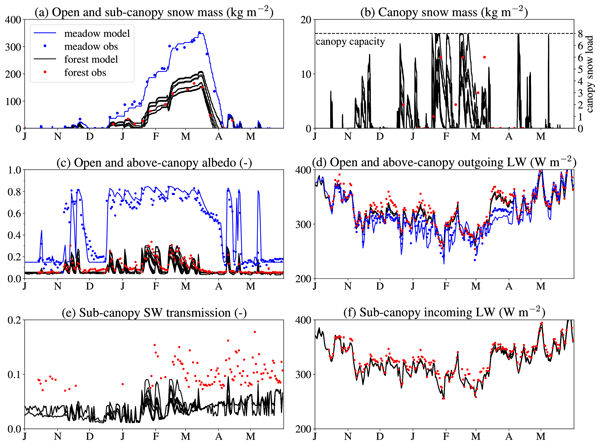
How forests influence accumulation and melt of snow on the ground is of long-standing interest, but uncertainty remains in how best to model forest snow processes. We developed the Flexible Snow Model version 2 to quantify these uncertainties. In a first model demonstration, how unloading of intercepted snow from the forest canopy is represented is responsible for the largest uncertainty. Global mapping of forest distribution is also likely to be a large source of uncertainty in existing models.
Wolfgang Knorr, Matthew Williams, Tea Thum, Thomas Kaminski, Michael Voßbeck, Marko Scholze, Tristan Quaife, T. Luke Smallman, Susan C. Steele-Dunne, Mariette Vreugdenhil, Tim Green, Sönke Zaehle, Mika Aurela, Alexandre Bouvet, Emanuel Bueechi, Wouter Dorigo, Tarek S. El-Madany, Mirco Migliavacca, Marika Honkanen, Yann H. Kerr, Anna Kontu, Juha Lemmetyinen, Hannakaisa Lindqvist, Arnaud Mialon, Tuuli Miinalainen, Gaétan Pique, Amanda Ojasalo, Shaun Quegan, Peter J. Rayner, Pablo Reyes-Muñoz, Nemesio Rodríguez-Fernández, Mike Schwank, Jochem Verrelst, Songyan Zhu, Dirk Schüttemeyer, and Matthias Drusch
Geosci. Model Dev., 18, 2137–2159, https://doi.org/10.5194/gmd-18-2137-2025, https://doi.org/10.5194/gmd-18-2137-2025, 2025
Short summary
Short summary
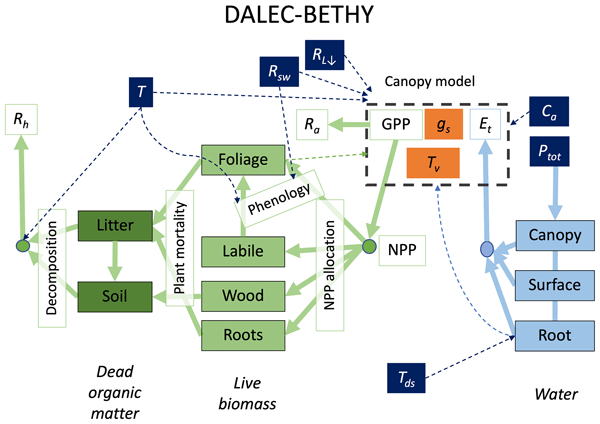
When it comes to climate change, the land surface is where the vast majority of impacts happen. The task of monitoring those impacts across the globe is formidable and must necessarily rely on satellites – at a significant cost: the measurements are only indirect and require comprehensive physical understanding. We have created a comprehensive modelling system that we offer to the research community to explore how satellite data can be better exploited to help us capture the changes that happen on our lands.
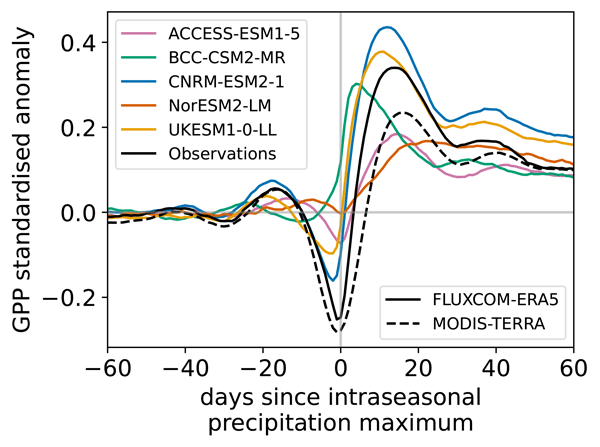
Bethan L. Harris, Tristan Quaife, Christopher M. Taylor, and Phil P. Harris
Earth Syst. Dynam., 15, 1019–1035, https://doi.org/10.5194/esd-15-1019-2024, https://doi.org/10.5194/esd-15-1019-2024, 2024
Short summary
Short summary
The response of vegetation productivity to rainfall is a crucial process linking the water and carbon cycles and influencing the evolution of the climate system. However, there are many uncertainties in its representation in Earth system models. We show that the vegetation productivity responses to short-term rainfall events are very different between models due to their differing sensitivities to water availability. We also evaluate the models against a range of observational products.
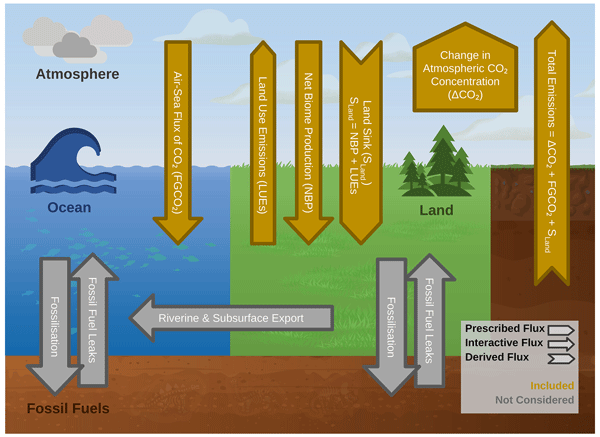
Lee de Mora, Ranjini Swaminathan, Richard P. Allan, Jerry C. Blackford, Douglas I. Kelley, Phil Harris, Chris D. Jones, Colin G. Jones, Spencer Liddicoat, Robert J. Parker, Tristan Quaife, Jeremy Walton, and Andrew Yool
Earth Syst. Dynam., 14, 1295–1315, https://doi.org/10.5194/esd-14-1295-2023, https://doi.org/10.5194/esd-14-1295-2023, 2023
Short summary
Short summary
We investigate the flux of carbon from the atmosphere into the land surface and ocean for multiple models and over a range of future scenarios. We did this by comparing simulations after the same change in the global-mean near-surface temperature. Using this method, we show that the choice of scenario can impact the carbon allocation to the land, ocean, and atmosphere. Scenarios with higher emissions reach the same warming levels sooner, but also with relatively more carbon in the atmosphere.
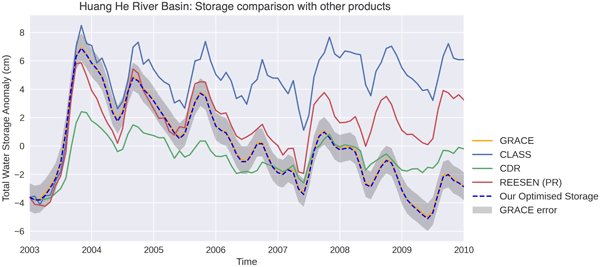
Samantha Petch, Bo Dong, Tristan Quaife, Robert P. King, and Keith Haines
Hydrol. Earth Syst. Sci., 27, 1723–1744, https://doi.org/10.5194/hess-27-1723-2023, https://doi.org/10.5194/hess-27-1723-2023, 2023
Short summary
Short summary
Gravitational measurements of water storage from GRACE (Gravity Recovery and Climate Experiment) can improve understanding of the water budget. We produce flux estimates over large river catchments based on observations that close the monthly water budget and ensure consistency with GRACE on short and long timescales. We use energy data to provide additional constraints and balance the long-term energy budget. These flux estimates are important for evaluating climate models.
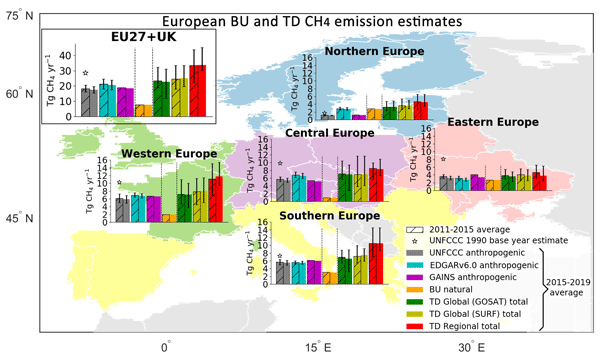
Ana Maria Roxana Petrescu, Chunjing Qiu, Matthew J. McGrath, Philippe Peylin, Glen P. Peters, Philippe Ciais, Rona L. Thompson, Aki Tsuruta, Dominik Brunner, Matthias Kuhnert, Bradley Matthews, Paul I. Palmer, Oksana Tarasova, Pierre Regnier, Ronny Lauerwald, David Bastviken, Lena Höglund-Isaksson, Wilfried Winiwarter, Giuseppe Etiope, Tuula Aalto, Gianpaolo Balsamo, Vladislav Bastrikov, Antoine Berchet, Patrick Brockmann, Giancarlo Ciotoli, Giulia Conchedda, Monica Crippa, Frank Dentener, Christine D. Groot Zwaaftink, Diego Guizzardi, Dirk Günther, Jean-Matthieu Haussaire, Sander Houweling, Greet Janssens-Maenhout, Massaer Kouyate, Adrian Leip, Antti Leppänen, Emanuele Lugato, Manon Maisonnier, Alistair J. Manning, Tiina Markkanen, Joe McNorton, Marilena Muntean, Gabriel D. Oreggioni, Prabir K. Patra, Lucia Perugini, Isabelle Pison, Maarit T. Raivonen, Marielle Saunois, Arjo J. Segers, Pete Smith, Efisio Solazzo, Hanqin Tian, Francesco N. Tubiello, Timo Vesala, Guido R. van der Werf, Chris Wilson, and Sönke Zaehle
Earth Syst. Sci. Data, 15, 1197–1268, https://doi.org/10.5194/essd-15-1197-2023, https://doi.org/10.5194/essd-15-1197-2023, 2023
Short summary
Short summary
This study updates the state-of-the-art scientific overview of CH4 and N2O emissions in the EU27 and UK in Petrescu et al. (2021a). Yearly updates are needed to improve the different respective approaches and to inform on the development of formal verification systems. It integrates the most recent emission inventories, process-based model and regional/global inversions, comparing them with UNFCCC national GHG inventories, in support to policy to facilitate real-time verification procedures.
Arthur Nicolaus Fendrich, Philippe Ciais, Emanuele Lugato, Marco Carozzi, Bertrand Guenet, Pasquale Borrelli, Victoria Naipal, Matthew McGrath, Philippe Martin, and Panos Panagos
Geosci. Model Dev., 15, 7835–7857, https://doi.org/10.5194/gmd-15-7835-2022, https://doi.org/10.5194/gmd-15-7835-2022, 2022
Short summary
Short summary
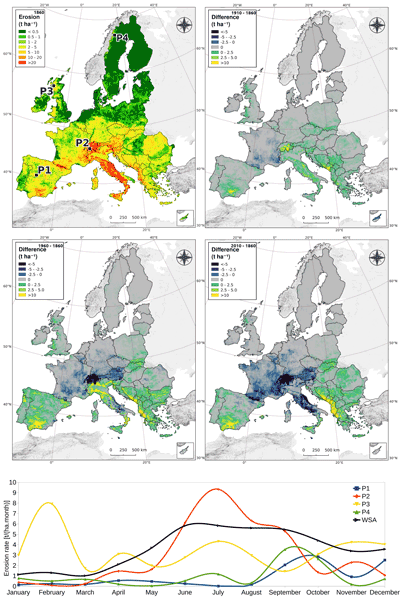
Currently, spatially explicit models for soil carbon stock can simulate the impacts of several changes. However, they do not incorporate the erosion, lateral transport, and deposition (ETD) of soil material. The present work developed ETD formulation, illustrated model calibration and validation for Europe, and presented the results for a depositional site. We expect that our work advances ETD models' description and facilitates their reproduction and incorporation in land surface models.
Jarmo Mäkelä, Laura Arppe, Hannu Fritze, Jussi Heinonsalo, Kristiina Karhu, Jari Liski, Markku Oinonen, Petra Straková, and Toni Viskari
Biogeosciences, 19, 4305–4313, https://doi.org/10.5194/bg-19-4305-2022, https://doi.org/10.5194/bg-19-4305-2022, 2022
Short summary
Short summary
Soils account for the largest share of carbon found in terrestrial ecosystems, and accurate depiction of soil carbon decomposition is essential in understanding how permanent these carbon storages are. We present a straightforward way to include carbon isotope concentrations into soil decomposition and carbon storages for the Yasso model, which enables the model to use 13C as a natural tracer to track changes in the underlying soil organic matter decomposition.
Weilin Huang, Peter M. van Bodegom, Toni Viskari, Jari Liski, and Nadejda A. Soudzilovskaia
Biogeosciences, 19, 1469–1490, https://doi.org/10.5194/bg-19-1469-2022, https://doi.org/10.5194/bg-19-1469-2022, 2022
Short summary
Short summary
This work focuses on one of the essential pathways of mycorrhizal impact on C cycles: the mediation of plant litter decomposition. We present a model based on litter chemical quality which precludes a conclusive examination of mycorrhizal impacts on soil C. It improves long-term decomposition predictions and advances our understanding of litter decomposition dynamics. It creates a benchmark in quantitatively examining the impacts of plant–microbe interactions on soil C dynamics.
Toni Viskari, Janne Pusa, Istem Fer, Anna Repo, Julius Vira, and Jari Liski
Geosci. Model Dev., 15, 1735–1752, https://doi.org/10.5194/gmd-15-1735-2022, https://doi.org/10.5194/gmd-15-1735-2022, 2022
Short summary
Short summary
We wanted to examine how the chosen measurement data and calibration process affect soil organic carbon model calibration. In our results we found that there is a benefit in using data from multiple litter-bag decomposition experiments simultaneously, even with the required assumptions. Additionally, due to the amount of noise and uncertainties in the system, more advanced calibration methods should be used to parameterize the models.
Olli Nevalainen, Olli Niemitalo, Istem Fer, Antti Juntunen, Tuomas Mattila, Olli Koskela, Joni Kukkamäki, Layla Höckerstedt, Laura Mäkelä, Pieta Jarva, Laura Heimsch, Henriikka Vekuri, Liisa Kulmala, Åsa Stam, Otto Kuusela, Stephanie Gerin, Toni Viskari, Julius Vira, Jari Hyväluoma, Juha-Pekka Tuovinen, Annalea Lohila, Tuomas Laurila, Jussi Heinonsalo, Tuula Aalto, Iivari Kunttu, and Jari Liski
Geosci. Instrum. Method. Data Syst., 11, 93–109, https://doi.org/10.5194/gi-11-93-2022, https://doi.org/10.5194/gi-11-93-2022, 2022
Short summary
Short summary
Better monitoring of soil carbon sequestration is needed to understand the best carbon farming practices in different soils and climate conditions. We, the Field Observatory Network (FiON), have therefore established a methodology for monitoring and forecasting agricultural carbon sequestration by combining offline and near-real-time field measurements, weather data, satellite imagery, and modeling. To disseminate our work, we built a website called the Field Observatory (fieldobservatory.org).
Cited articles
Almendra-Martin, L., Martinez-Fernandez, J., Gonzalez-Zamora, A., Benito-Verdugo, P., and Herrero-Jimenez, C. M.: Agricultural Drought Trends on the Iberian Peninsula: An Analysis Using Modeled and Reanalysis Soil Moisture Products, Atmosphere, 12, 236, https://doi.org/10.3390/atmos12020236, 2021.
Abramoff, R. Z., Guenet, B., Zhang, H., Georgiou, K., Xu, X., Viscarra Rossel, R. A., Yuan, W., and Ciais, P.: Improved global-scale predictions of soil carbon stocks with Millenial Version 2, Soil Biol. Biochem., 164, 108466, https://doi.org/10.1016/j.soilbio.2021.108466, 2022.
Bellassen, V., Stephan, N., Afriat, M., Alberola, E., Barker, A., Chang, J.-P., Chiquet, C., Cochran, I., Deheza, M., Dimopoulos, C., Foucherot, C., Jacquier, G., Morel, R., Robinson, R., and Shishlov, I.: Monitoring, reporting and verifying emissions in the climate economy, Nat. Clim. Change, 5, 319–328, 2015.
Beylat, S., Raoult, N., Bacour, C., Douglas, N., Quaife, T., Bastrikov, V., Rayner, P. J., and Peylin, P.: Towards the assimilation of atmospheric CO2 concentration data in a land surface model using adjoint-free variational methods, Geosci. Model Dev., 18, 7501–7527, https://doi.org/10.5194/gmd-18-7501-2025, 2025.
Braakhekke, M. C., Beer, C., Schrumpf, M., Ekici, A., Ahrens, B., Hoosbeek, M. R., Krujit, B., Kabat, P., and Reichstein, M.: The use of radiocarbon to constrain current and future soil organic matter turnover and transport in a temperate forest, J. Geophys. Res.-Biogeo., 119, 372–391, https://doi.org/10.1002/2013JG002420, 2014.
Brunmayr, A. S., Hagedorn, F., Moreno Duborgel, M., Minich, L. I., and Graven, H. D.: Radiocarbon analysis reveals underestimation of soil organic carbon persistence in new-generation soil models, Geosci. Model Dev., 17, 5961–5985, https://doi.org/10.5194/gmd-17-5961-2024, 2024.
Buttner, G.: CORINE land cover and land cover change products, in: Land use and land cover mapping in Europe: practices & trends, 55–74, Dordrecht, Springer Netherlands, 2014.
Cailleret, M., Bircher, N., Hartif, F., Hulsmann, L., and Bugmann, H.: Bayesian calibration of a growth-dependent tree mortality model to simulate the dynamics of European temperate forests, Ecol. Appl., 30, e02021, https://doi.org/10.1002/eap.2021, 2020.
Cambardella, C. A. and Elliot, E. T.: Particulate Soil Organic Matter Changes across a Grassland Cultivation Sequence, Soil Sci. Soc. Am. J., 56, 777–783, 1992.
Campbell, E. E., Parton, W. J., Soong, J. L., Paustian, K., Hobbs, N. T., and Cotrufo, M. F.: Using litter chemistry controls on microbial processes on partition litter carbon fluxes with Litter Decomposition and Leaching (LIDEL) model, Soil Biol. Biochem., 100, 160–174, 2016.
Cao, J., Li, Y., Biswas, A., Holden, N. M., Adamowski, J. F., Wang, F., Hong, S., and Qin, Y.: Grassland biomass allocation across continents and grazing practices and its response to climate and altitude, Agr. Forest Meteorol., 356, 110176, https://doi.org/10.1016/j.agrformet.2024.110176, 2024.
Chandel, A. K., Jiang, L., and Luo, Y.: Microbial Models for Simulating Soil Carbon Dynamics: A Review, J. Geophys. Res.-Biogeo., 128, e2023JG007436, https://doi.org/10.1029/2023JG007436, 2023.
Coleman, K. and Jenkinson, D. S.: RothC-26.3-A Model for the turnover of carbon in soil, in: Evaluation of soil organic matter models: Using existing long-term datasets, 237–246, Berlin, Heidelberg, Springer Berlin Heidelberg, 1996.
Cornes, R. C., Van Der Schrier, G., Van Den Besselaar, E. J., and Jones, P. D.: An ensemble version of the E-OBS temperature and precipitation data sets, J. Geophys. Res., 123, 9391–9409, 2018.
Cornwell, W. K., Cornelissen, J. H. C., Amatangelo, K., Dorrepaal, E., Eviner, V. T., Godoy, O., Hobbie, S. E., Hoorens, B., Kurokawa, H., Perez-Harguindeguy, N., Quested, H. M., Santiage, L. S., Wardle, D. A., Wright, I. J., Aerts, R., Allison, S. D., van Bodegom, P., Brovkin, V., Chatain, A., Callaghan, T. V., Diaz, S., Garnier, E., Gurvich, D. E., Kazakou, E., Klein, J. A., Read, J., Reich, P. B., Soudzilovskaia, N. A., Vaieretti, M. V., and Westoby, M.: Plant species traits are the predominant control on litter decomposition rates within biomes worldwide, Ecol. Lett., 11, 1065–1071, 2008.
Cotrufo, M. F., Ranalli, M. G., Haddix, M. L., Six, J., and Lugato, E.: Soil carbon storage informed by particulate and mineral-associated organic matter, Nat. Geosci., 12, 989–994, 2019.
Delahaie, A. A., Barré, P., Baudin, F., Arrouays, D., Bispo, A., Boulonne, L., Chenu, C., Jolivet, C., Martin, M. P., Ratié, C., Saby, N. P. A., Savignac, F., and Cécillon, L.: Elemental stoichiometry and Rock-Eval® thermal stability of organic matter in French topsoils, SOIL, 9, 209–229, https://doi.org/10.5194/soil-9-209-2023, 2023.
Dietze, M.: Ecological forecasting, Princeton University Press, https://doi.org/10.1515/9781400885459, 2017.
Douglas, N., Quaife, T., and Bannister, R.: Exploring a hybrid ensemble–variational data assimilation technique (4DEnVar) with a simple ecosystem carbon model, Environ. Modell. Softw., 106361, https://doi.org/10.1016/j.envsoft.2025.106361, 2025.
Evensen, G.: The ensemble Kalman filter: Theoretical formulation and practical implementation, Ocean Dynam., 53, 343–367, 2003.
Falloon, P., Jones, C. D., Ades, M., and Paul, K.: Direct soil moisture controls of future global soil carbon changes: An important source of uncertainty, Global Biochem. Cy., 25, https://doi.org/10.1029/2010GB003938, 2011.
Fan, J., McConkey, B., Wang, H., and Janzen, H.: Root distribution by depth for temperate agricultural crops, Field Crops Res., 189, 68–74, https://doi.org/10.1016/j.fcr.2016.02.013, 2016.
Feng, J., Song, Y., and Zhu, B.: Ecosystem-dependent responses of soil carbon storage to phosphorus enrichment, New Phytol., 238, 2363–2374, https://doi.org/10.1111/nph.18907, 2023.
Gardenas, A. I., Agren, G. I., Bird, J. A., Clarholm, M., Hallin, S., Ineson, P., Katterer, T., Knicker, H., Nilsson, S. I., Nasholm, T., Ogle, S., Paustian, K., Persson, T., and Stendahl, J.: Knowledge gaps in soil carbon and nitrogen interactions – From molecular to global scale, Soil Biol. Biochem., 43, 702–717, https://doi.org/10.1016/j.soilbio.2010.04.006, 2011.
Garsia, A., Moinet, A., Vazquez, C., Creamer, R. E., and Moinet, G. Y. K.: The challenge of selecting an appropriate soil organic carbon simulation model: A comprehensive global review and validation assessment, Glob. Change Biol., 29, 5760–5774, https://doi.org/10.1111/gcb.16896, 2023.
Gelman, A. and Hill, J.: Data analysis using regression and multilevel/hierarchical models, Cambridge University Press, Cambridge, 2007.
Georgiou, K., Jackson, R. B., Vinduskova, O., Abramoff, R. Z., Ahlstrom, A., Feng, W., Harden, J. W., Pellegrini, A. F. A., Polley, H. W., Soong, J. L., Riley, W. J., and Torn, M. S.: Global stocks and capacity of mineral-associated soil organic carbon, Nat. Commun., 13, 3797, https://doi.org/10.1038/s41467-022-31540-9, 2022.
Geyer, C. J.: Practical Markov Chain Monte Carlo, Stat. Sci., 7, 473–483, 1992.
Goidts, E., van Wesemael, B., and Crucifix, M.: Magnitude and sources of uncertainties in soil organic carbon (SOC) stock assessment at various scales, Eur. J. Soil Sci., 60, 723–739, https://doi.org/10.1111/j.1365-2389.2009.01157.x, 2009.
Guo, X., Viscarra Rossel, R. A., Want, G., Xiao, L., Wang, M., Zhang, S., and Luo Z.: Particulate and mineral-associated organic carbon turnover revealed by their long-term dynamics, Soil Biol. Biochem., 17, 108780, https://doi.org/10.1016/j.soilbio.2022.108780, 2022.
Gurung, R. B., Ogle, S. M., Breidt, F. J., Williams, S. A., and Parton, W. J.: Bayesian calibration of the DayCent ecosystem model to simulate soil organic carbon dynamics and reduce model uncertainty, Geoderma, 376, 114529, https://doi.org/10.1016/j.geoderma.2020.114529, 2020.
Hartig, F., Minunno, F., Paul, S., Cameron, D., Ott, T., and Pichler, M.: BayesianTools: General-Purpose MCMC and SMC Samples and Tools for Bayesian Statistics. R package version 0.1.8, https://CRAN.R-project.org/package=BayesianTools (last access: 2 May 2025), 2019.
Harmon, M. E., Moreno, A., and Domingo, J. B.: Effects of partial harvest on the carbon stores in Douglas-fir/western hemlock forests: a simulation study, Ecosystems, 12, 777–791, 2009.
Hawkins, H.-J., Cargill, R. I. M., Van Nuland, M. E., Hagen, S. C., Field, K. J., Sheldrake, M., Soudzilovskaia, N. A., and Kiers, E. T.: Mycorrhizal mycelium as a global carbon pool, Curr. Biol., 33, R560–R573, 2023.
Heuvelink, G. B. M., Angelini, M. E., Poggio, L., Bai, Z., Batjes, N. H., van den Bosch, R., Bossio, D., Estella, S., Lehmann, J., Olmedo, G. F., and Sanderman, J.: Machine learning in space and time for modelling soil organic carbon change, Eur. J. Soil Sci., 72, 1607–1623, 2021.
Huang, X.-Y., Xiao, Q., Barker, D. M., Zhang, X., Michalakes, J., Huang, W., Henderson, T., Bray, J., Chen, Y., Ma, Z., Dudhia, J., Guo, Y., Zhang, X., Won, D.-J., Lin, H.-C., and Kuo, Y.-H.: Four-dimensional Variational Data Assimilation for WRF: Formulation and Preliminary Results, Mon. Weather Rev., 137, 299–314, https://doi.org/10.1175/2008MWR2577.1, 2009.
Jevon, F. V., Polussa, A., Lang, A. K., Munger, J. W., Wood, S. A., Wieder, W. R., and Bradford, M. A.: Patterns and controls of aboveground litter inputs to temperate forests, Biogeochemistry, 161, 335–352, 2022.
Lavallee, J. M., Soong, J. L., and Cotrufo, M. F.: Conceptualizing soil organic matter into particulate and mineral-associated forms to address global change in the 21st century, Glob. Change Biol., 26, 261–273, https://doi.org/10.1111/gcb.14859, 2020.
Le Dimet, F. and Talagrand, O.: Variational algorithms for analysis and assimilation of meteorological observations: Theoretic aspects, Tellus A, 38, 97–110, 1986.
Le Noë, J., Manzoni, S., Abramoff, R., Bolscher, T., Bruni, E., Cardinael, R., Ciais, P., Chenu, C., Clivot, H., Derrien, D., Ferchaud, F., Garnier, P., Goll, D., Lashermer, G., Martin, M., Rasse, D., Rees, F., Sainte-Marie, J., Salmon, E., Schiedung, M., Schimel, J., Wieder, W., Abiven, S., Barré, P., Cécillon, L., and Guenet, B.: Soil organic carbon models need independent time-series validation for reliable prediction, Commun. Earth Environ., 4, 158, https://doi.org/10.1038/s43247-023-00830-5, 2023.
Leuthold, S. J., Haddix, M. L., Lavallee, J., and Cotrufo, M. F.: Physical fractioning techniques, Encyclopedia of Soils in the Environment, 2, 68–80, https://doi.org/10.1016/B978-0-12-822974-3.00067-7, 2023.
Liu, C., Xiao, Q., and Wang, B.: An Ensemble-Based Four-Dimensional Variational Data Assimilation Scheme. Part I: Technical Formulation and Preliminary Test, Mon. Weather Rev., 136, 3363–3373, https://doi.org/10.1175/2008MWR2312.1, 2008.
Lorenc, A. C., Ballard, S. P., Bell, R. S., Ingleby, N. B., Andrews, P. L. F., Barker, D. M., Bray, J. R., Clayton, A. M., Dalby, T., Li, D., Payne, T. J., and Saunders, F. W.: The Met Office global three-dimensional variational data assimilation scheme, Q. J. Roy. Meteor. Soc., 126, 2991–3012, 2000.
Loria, N., Lai, R., and Chandra, R.: Handheld In Situ Methods for Soil Organic Carbon Assessment, Sustainability, 16, 5592, https://doi.org/10.3390/su16135592, 2024.
Lugato, E., Lavallee, J. M., Haddix, M. L., Panaganos, P., and Cotrufo, M. F.: Different climate sensitivity of particulate and mineral-associated soil organic matter, Nat. Geosci., 14, 295–300, 2021.
Luo, Z., Viscarra-Rossel, R. A., and Qian, T.: Similar importance of edaphic and climatic factors for controlling soil organic carbon stocks of the world, Biogeosciences, 18, 2063–2073, https://doi.org/10.5194/bg-18-2063-2021, 2021.
Marschmann, G. L., Pagel, H., Kugler, P., and Streck, T.: Equifinality, sloppiness, and emergent structures of mechanistic soil biochemical models. Environ. Modell. Softw., 122, 104518, https://doi.org/10.1016/j.envsoft.2019.104518, 2019.
Mathers, C., Black, C. K., Segal, B. D., Gurung, R. B, Zhang, Y., Easter, M. J., Williams, S., Motew, M., Campbell, E. E., Brummit, C. D., Paustian, K., and Kumar, A. A.: Validating DayCent-CR for cropland soil carbon offset reporting at a national scale, Geoderma, 438, 116647, https://doi.org/10.1016/j.geoderma.2023.116647, 2023.
Matthews, E.: Global litter production, pools, and turnover times: Estimates from measurement data and regression models, J. Geophys. Res.-Atmos., 102, 18771–18800, 1997.
Nemo, Klumpp, K., Coleman, K., Dondini, M., Goulding, K., Hasting, A., Jones, M. B., Leifeld, J., Osborne, B., Saunders, M., Scott, T., Teh, Y. A., and Smith, P.: Soil Organic Carbon (SOC) Equilibrium and Model Initialisation Methods: an Application to the Rothamsted Carbon (RothC) Model, Environ. Model Assess., 22, 215–229, 2017.
Orgiazzi, A., Ballabio, C., Panagos, P., Jones, A., and Fernande-Ugalde, O.: LUCAS soil, the largest expandable soil dataset for Europe: a review, Eur. J. Soil Sci., 69, 140–153, 2018.
Papaioannou, I., Betz, W., Zwirglmaier, K., and Straub, D.: MCMC algorithms for subset simulation, Probabilist. Eng. Mech., 41, 89–103, 2015.
Peylin, P., Bacour, C., MacBean, N., Leonard, S., Rayner, P., Kuppel, S., Koffi, E., Kane, A., Maignan, F., Chevallier, F., Ciais, P., and Prunet, P.: A new stepwise carbon cycle data assimilation system using multiple data streams to constrain the simulated land surface carbon cycle, Geosci. Model Dev., 9, 3321–3346, https://doi.org/10.5194/gmd-9-3321-2016, 2016.
Pierson, D., Lohse, K. A., Wieder, W. R., Patton, N. R., Facer, J., de Graaff, M.-A., Georgiou, K., Seyfried, M. S., Flerchinger, G., and Will, R.: Optimizing process-based models to predict current and future soil organic carbon stocks at high-resolution, Sci. Rep., 12, 10824, https://doi.org/10.1038/s41598-022-14224-8, 2022.
Pinnington, E., Quaife, T., Lawless, A., Williams, K., Arkebauer, T., and Scoby, D.: The Land Variational Ensemble Data Assimilation Framework: LAVENDAR v1.0.0, Geosci. Model Dev., 13, 55–69, https://doi.org/10.5194/gmd-13-55-2020, 2020.
Pinnington, E., Amezcua, J., Cooper, E., Dadson, S., Ellis, R., Peng, J., Robinson, E., Morrison, R., Osborne, S., and Quaife, T.: Improving soil moisture prediction of a high-resolution land surface model by parameterising pedotransfer functions through assimilation of SMAP satellite data, Hydrol. Earth Syst. Sci., 25, 1617–1641, https://doi.org/10.5194/hess-25-1617-2021, 2021.
Pinnington, E. M., Casella, E., Dance, S. L., Lawless, A. S., Morison, J. I., Nichols, N. K., Wilkinson, M., and Quaife, T. L.: Investigating the role of prior and observation error correlations in improving a model forecast of forest carbon balance using Four-dimensional Variational data assimilation, Agr. Forest Meteorol., 228, 299–314, 2016.
Quaife, T.: C implementation of 4DEnVar using the GSL, Github repository, https://github.com/tquaife/4DEnVar_engine (last access: 30 October 2024), 2023.
Raczka, B., Hoar, T. J., Duerte, H. F., Fox, A. M., Anderson, J. L., Bowling, D. R., and Lin, J. C.: Improving CLM5.0 Biomass and Carbon Exchange Across the Western United States Using a Data Assimilation System, J. Adv. Model. Earth Sy., e2020MS002421, https://doi.org/10.1029/2020MS002421, 2021.
Raoult, N., Douglas, N., MacBean, N., Kolassa, J., Quaife, T., Roberts, A. G., Fisher, R., Fer, I., Bacour, C., Dagon, K., Hawkins, L., Carvalhais, N., Cooper, E., Dietze, M. C., Gentine, P., Kaminski, T., Kennedy, D., Liddy, M. H., Moore, D. J. P., Peylin, P., Pinnington, E., Sanderson, B., Scholze, M., Seller, C., Smallman, T. L., Vergopolan, N., Viskari, T., and Zobitz, J.: Parameter estimation in land surface models: Challenges and opportunities with data assimilation and machine learning, J. Adv. Model. Earth Sy., 17, e2024MS004733, https://doi.org/10.1029/2024MS004733, 2025.
Raoult, N. M., Jupp, T. E., Cox, P. M., and Luke, C. M.: Land-surface parameter optimisation using data assimilation techniques: the adJULES system V1.0, Geosci. Model Dev., 9, 2833–2852, https://doi.org/10.5194/gmd-9-2833-2016, 2016.
Robertson, A. D., Paustian, K., Ogle, S., Wallenstein, M. D., Lugato, E., and Cotrufo, M. F.: Unifying soil organic matter formation and persistence frameworks: the MEMS model, Biogeosciences, 16, 1225–1248, https://doi.org/10.5194/bg-16-1225-2019, 2019.
Roy, V.: Convergence diagnostics for markov chain monte carlo, Annu. Rev. Stat. Appl., 7, 387–412, 2020.
Ruder, S.: An overview of gradient descent optimization algorithms, arXiv [preprint], https://doi.org/10.48550/arXiv.1609.04747, 2016.
Rumpel, C., Amiraslani, F., Chenu, C., Cardenas, M.G., Kaonga, M., Koutika, L.-S., Ladha, J., Madari, B., Shirato, Y., Smith, P., Soudi, B., Soussana, J.-F., Whitehead, D., and Wollenberg, E.: The 4p1000 initiative: opportunities, limitations and challenges for implementing soil organic carbon sequestration as a sustainable development strategy, Ambio, 49, 350–360, https://doi.org/10.1007/s13280-019-01165-2, 2020.
Running, S. W., Nemani, R. R., Heinsch, F. A., Zhao, M., Reeves, M., and Hashimoto, H.: A continuous satellite-derived measure of global terrestrial production, BioScience, 54, 547–560, 2004.
Saito, K. and Nakano, R.: Partial BFGS update and efficient step-length calculation for three-layer neural network, Neural Comput., 9, 123–141, 1997.
Scharlemann, J. P. W., Tanner, E. V. J., Hiederer, R., and Kapos, V.: Global soil carbon: understanding the largest terrestrial carbon pool, Carbon Manag., 5, 81–91, https://doi.org/10.4155/cmt.13.77, 2014.
Schlamadinger, B., Bird, N., Johns, T., Brown, S., Canadell, J., Ciccarese, L., Dutschke, M., Fiedler, J., Fischlin, A., Fearnside, P., Corner, F., Freibauer, A., Frumhoff, P., Hoehne, N., Kirschbaum, M. U. F., Labat, A., Marland, G., Michaelowa, A., Montanarella, L., Moutinho, P., Murdiyarso, D., Pena, N., Pingoud, K., Rakonczay, Z., Rametsteiner, E., Rock, J., Sanz, M. J., Schneider, U. A., Shvidenko, A., Skutsch, M., Smith, P., Somogyi, Z., Trines, E., Ward, M., and Yamagata, Y.: A synopsis of land use, land-use change and forestry (LULUCF) under the Kyoto Protocol and Marrakech Accords, Environ. Sci. Policy, 10, 271–282, 2007.
Schrumpf, M., Kaiser, K., Guggenberger, G., Persson, T., Kögel-Knabner, I., and Schulze, E.-D.: Storage and stability of organic carbon in soils as related to depth, occlusion within aggregates, and attachment to minerals, Biogeosciences, 10, 1675–1691, https://doi.org/10.5194/bg-10-1675-2013, 2013.
Sierra, C. A., Malghani, S., and Muller, M.: Model structure and parameter identification of soil organic matter models, Soil Biol. Biochem., 90, 197–203, https://doi.org/10.1016/j.soilbio.2015.08.012, 2015.
Smith, P., Soussana, J.-F., Angers, D., Schipper, L., Chenu, C., Rasse, D. P., Batjes, N. H., van Egmond, F., McNeill, S., Kuhnert, M., Arias-Navarro, C., Olesen, J. E., Chirinda, N., Fornara, D., Wollenberg, E., Alvaro-Fuentes, J., Sanz-Cobena, A., and Klumpp, K.: How to measure, report and verify soil carbon change to realize the potential of soil carbon sequestration for atmospheric greenhouse gas removal, Glob. Change Biol., 26, 219–241, 2020.
Sokol, N. W., Whalen, E. D., Jilling, A., Kallenbach, C., Pett-Ridge, J., and Georgiou, K.: Global distribution, formation and fate of mineral-associated soil organic matter under changing climate: A trait-based perspective, Funct. Ecol., 36, 1411–1429, https://doi.org/10.1111/1365-2435.14040, 2022.
ter Braak, C. J. F. and Vrugt, J. A.: Differential evolution Markov chain with snooker updater and fewer chains, Stat. Comput., 18, 435e446, https://doi.org/10.1007/s11222-008-9104-9, 2008.
Thepaut, J. N. and Courtier, P.: Four-dimensional variational data assimilation using the adjoint of a multilevel primitive-equation model, Q. J. Roy. Meteor. Soc., 117, 1225–1254, 1991.
Tippett, M. K., Anderson, J. L., Bishop, C. H., Hamill, T. M., and Whitaker, J. S.: Ensemble Square Root Filters, Mon. Weather Rev., 131, 1485–1490, https://doi.org/10.1175/1520-0493(2003)131<1485:ESRF>2.0.CO;2, 2003.
Tuomi, M., Thum, T., Jarvinen, H., Fronzek, S., Berg, B., Harmon, M., Trofymow, J. A., Sevanto, S., and Liski, J.: Leaf litter decomposition – Estimates of global variability based on the Yasso07 model, Ecol. Modell., 220, 3362–3371, https://doi.org/10.1016/j.ecolmodel.2009.05.016, 2009.
van den Berg, N. J., van Soest, H. L., Hof, A. F., den Elzen, M. G. J., van Vuuren, D. P., Chen, W., Drouet, L., Emmerling, J., Fujimori, S., Hoehne, N., Koberle, A. C., McCollum, D., Schaeffer, R., Shekhar, S., Vishwanathan, S. S., Vrontisi, Z., and Blok, K.: Implications of various effort-sharing approaches for national carbon budgets and emission pathways, Climatic Change, 162, 1805–1822, 2020.
Viskari, T., Pusa, J., Fer, I., Repo, A., Vira, J., and Liski, J.: Calibrating the soil organic carbon model Yasso20 with multiple datasets, Geosci. Model Dev., 15, 1735–1752, https://doi.org/10.5194/gmd-15-1735-2022, 2022.
Viskari, T., Quaife, F., Fahl, F., Zhang, Y., and Lugato, E.: Comparing the MEMS v1 model performance with MCMC and 4DEnVar calibration methods over a continental soil inventory, Zenodo [code, data set], https://doi.org/10.5281/zenodo.17314989, 2025.
Vrugt, J. A.: Markov chain Monte Carlo simulation using theDream software package: Theory, concepts, and MATLAB implementation, Environ. Modell. Softw., 75, 273–316, https://doi.org/10.1016/j.envsoft.2015.08.013, 2016.
Wieder, W. R., Grandy, A. S., Kallenbach, C. M., and Bonan, G. B.: Integrating microbial physiology and physio-chemical principles in soils with the MIcrobial-MIneral Carbon Stabilization (MIMICS) model, Biogeosciences, 11, 3899–3917, https://doi.org/10.5194/bg-11-3899-2014, 2014.
Yu, W., Huang, W., Weintraub-Leff, S. R., and Hall, S. J.: Where and why do particulate organic matter (POM) and mineral-associated organic matter (MAOM) differ among diverse soils?, Soil Biol. Biochem., 172, 108756, https://doi.org/10.1016/j.soilbio.2022.108756, 2022.
Short summary
In this work we examined how different assumptions regarding soil carbon model calibration affect the resulting model performance. We found that how the litter inputs are set have a meaningful impact on the calibrated model parameters. Furthermore, two calibration methods produced parameter sets that differed meaningfully from each other but fit the validation dataset equally well. These results raise meaningful questions how we evaluate soil carbon model performance.
In this work we examined how different assumptions regarding soil carbon model calibration...


