
Articles | Volume 19, issue 9
https://doi.org/10.5194/gmd-19-3595-2026
© Author(s) 2026. This work is distributed under
the Creative Commons Attribution 4.0 License.
the Creative Commons Attribution 4.0 License.
https://doi.org/10.5194/gmd-19-3595-2026
© Author(s) 2026. This work is distributed under
the Creative Commons Attribution 4.0 License.
the Creative Commons Attribution 4.0 License.
Model description paper
| 
04 May 2026
Model description paper |
| 04 May 2026
| 04 May 2026
Representing canopy structure dynamics within the LPJ-GUESS dynamic global vegetation model (revision 13221)
Jette Elena Stoebke
Department of Earth and Environmental Sciences, Lund University, 223 62 Lund, Sweden
Institute of Marine Ecosystem- and Fishery Science, University of Hamburg, 22767 Hamburg, Germany

Department of Earth and Environmental Sciences, Lund University, 223 62 Lund, Sweden
Stefan Olin
Department of Earth and Environmental Sciences, Lund University, 223 62 Lund, Sweden
Annemarie Eckes-Shephard
Department of Earth and Environmental Sciences, Lund University, 223 62 Lund, Sweden
Bogdan Brzeziecki
Department of Silviculture, Institute of Forest Sciences, Warsaw University of Life Sciences, 02-776 Warszawa, Poland
Mikko Peltoniemi
Natural Resources Institute Finland (Luke), 00790 Helsinki, Finland
Thomas A. M. Pugh
Department of Earth and Environmental Sciences, Lund University, 223 62 Lund, Sweden
School of Geography, Earth and Environmental Sciences, University of Birmingham, Birmingham B15 2TT, UK
Birmingham Institute of Forest Research, University of Birmingham, Birmingham B15 2TT, UK
Related authors
No articles found.
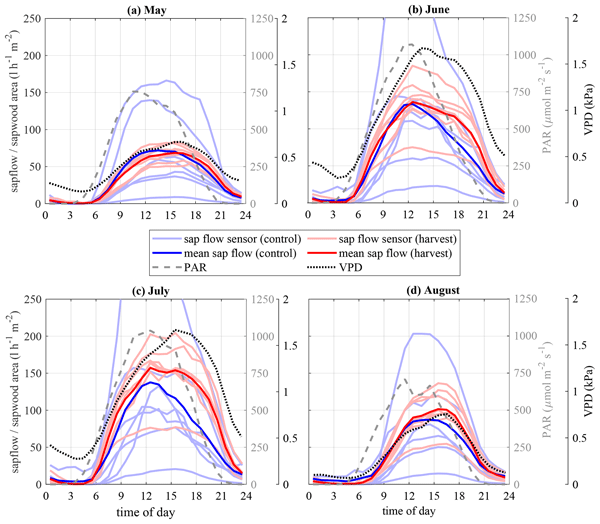
Pavel Konstantinovich Alekseychik, Mikko Peltoniemi, Raisa Mäkipää, Ville Tuominen, Tuomas Laurila, Hamlyn Jones, Mitro Müller, Evgeny Lopatin, Helena Rautakoski, Timo Vesala, and Samuli Launiainen
Biogeosciences, 23, 7091–7127, https://doi.org/10.5194/bg-23-7091-2026, https://doi.org/10.5194/bg-23-7091-2026, 2026
Short summary
Short summary
As the Boreal climate shifts towards warmer temperatures and more unpredictable precipitation patterns, forest management needs to become more efficient and climate-friendly. We monitored a managed Finnish spruce forest on peat soil for two summer seasons characterized with severe drought episodes. A wide range of data was used, including carbon dioxide exchange, evapotranspiration, tree growth, meteorology and maps of tree health obtained by drone imaging. Clear, but complex forest responses to drought were revealed.
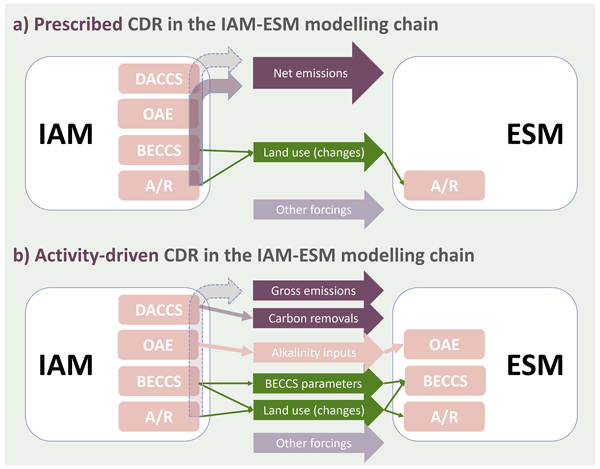
Jörg Schwinger, Leon Merfort, Nico Bauer, Raffaele Bernardello, Momme Butenschön, Timothée Bourgeois, Matthew J. Gidden, Shraddha Gupta, Hanna Lee, Nadine Mengis, Yiannis Moustakis, Helene Muri, Lars Nieradzik, Daniele Peano, Julia Pongratz, Pascal Sauer, Etienne Tourigny, and David Wårlind
Earth Syst. Dynam., 17, 1341–1363, https://doi.org/10.5194/esd-17-1341-2026, https://doi.org/10.5194/esd-17-1341-2026, 2026
Short summary
Short summary
Earth system models can simulate CO2 removal by representing the activity that draws down atmospheric CO2, e.g. growing bioenergy crops for energy production with carbon capture and storage or enhancing the oceans’ alkalinity. We describe a simulation framework, spanning the modeling chain from integrated assessment to Earth system models, that allows separating the intrinsic efficiency of CO2 removal and the overall atmospheric CO2 reduction, the latter being affected by Earth system feedbacks.
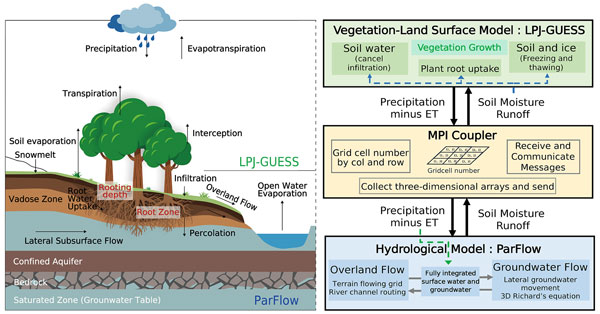
Zitong Jia, Shouzhi Chen, Yongshuo H. Fu, David Martín Belda, David Wårlind, Stefan Olin, Chongyu Xu, and Jing Tang
Geosci. Model Dev., 19, 1727–1747, https://doi.org/10.5194/gmd-19-1727-2026, https://doi.org/10.5194/gmd-19-1727-2026, 2026
Short summary
Short summary
Groundwater sustains vegetation and regulates land-atmosphere exchanges, yet most Earth system models oversimplify its dynamics. Our study develops an integrated framework coupling a dynamic vegetation model with the three-dimensional hydrological model ParFlow to explicitly represent groundwater-vegetation interactions. The results provide evidence that groundwater flow strongly regulates water exchanges and provides a powerful tool to improve simulations of water cycles in Earth system models.
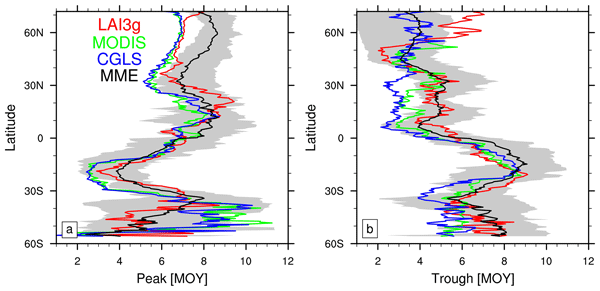
Daniele Peano, Deborah Hemming, Christine Delire, Yuanchao Fan, Hanna Lee, Stefano Materia, Julia E. M. S. Nabel, Taejin Park, David Wårlind, Andy Wiltshire, and Sönke Zaehle
Biogeosciences, 22, 7117–7135, https://doi.org/10.5194/bg-22-7117-2025, https://doi.org/10.5194/bg-22-7117-2025, 2025
Short summary
Short summary
Earth System Models are the principal tools for scientists to study past, present, and future climate changes. This work investigates the ability of a set of them to represent the observed changes in vegetation, which are vital to estimating the impact of future climate mitigation and adaptation strategies. This study highlights the main limitations in correctly representing vegetation variability. These tools still need further development to improve our understanding of future changes.
Tuuli Miinalainen, Amanda Ojasalo, Holly Croft, Mika Aurela, Mikko Peltoniemi, Silvia Caldararu, Sönke Zaehle, and Tea Thum
Biogeosciences, 22, 6937–6962, https://doi.org/10.5194/bg-22-6937-2025, https://doi.org/10.5194/bg-22-6937-2025, 2025
Short summary
Short summary
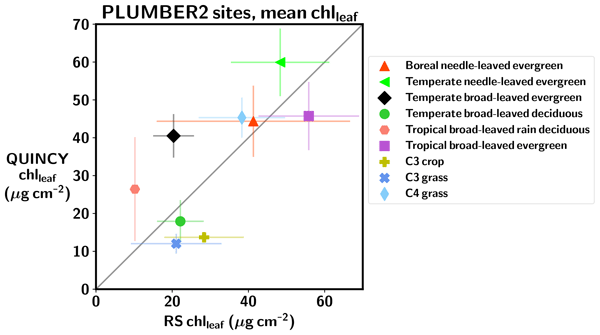
Estimating the future carbon budget requires an accurate understanding of the interlinkages between the land carbon and nitrogen cycles. We use a remote sensing leaf chlorophyll product to evaluate a terrestrial biosphere model, QUINCY (QUantifying Interactions between terrestrial Nutrient CYcles and the climate system). Our study showcases how the latest advancements in remote sensing-based vegetation monitoring can be harnessed for improving and evaluating process-based vegetation models.
Wim Verbruggen, David Wårlind, Stéphanie Horion, Félicien Meunier, Hans Verbeeck, Aleksander Wieckowski, Torbern Tagesson, and Guy Schurgers
Geosci. Model Dev., 18, 6623–6645, https://doi.org/10.5194/gmd-18-6623-2025, https://doi.org/10.5194/gmd-18-6623-2025, 2025
Short summary
Short summary
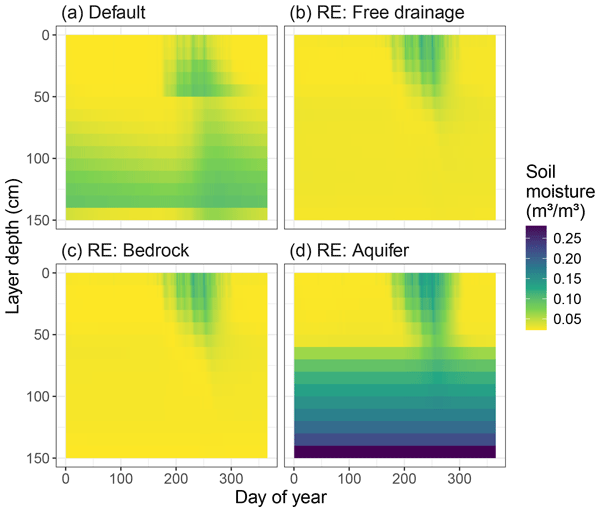
We improved the representation of soil water movement in a state-of-the-art dynamic vegetation model. This is important for dry ecosystems, as they are often driven by changes in soil water availability. We showed that this update resulted in a better match with observations and that the updated model is more sensitive to soil texture. The new model can also simulate a groundwater table. This updated model can help us to better understand the future of dry ecosystems under climate change.
Amali A. Amali, Clemens Schwingshackl, Akihiko Ito, Alina Barbu, Christine Delire, Daniele Peano, David M. Lawrence, David Wårlind, Eddy Robertson, Edouard L. Davin, Elena Shevliakova, Ian N. Harman, Nicolas Vuichard, Paul A. Miller, Peter J. Lawrence, Tilo Ziehn, Tomohiro Hajima, Victor Brovkin, Yanwu Zhang, Vivek K. Arora, and Julia Pongratz
Earth Syst. Dynam., 16, 803–840, https://doi.org/10.5194/esd-16-803-2025, https://doi.org/10.5194/esd-16-803-2025, 2025
Short summary
Short summary
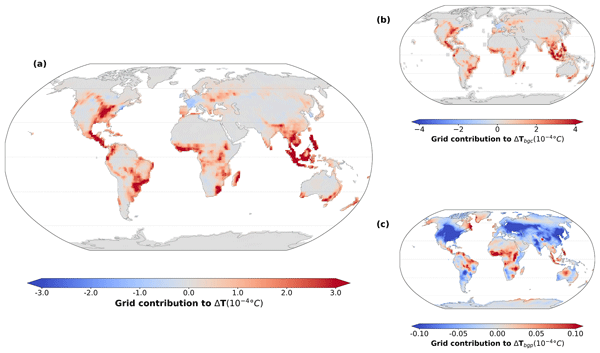
Our study explored the impact of anthropogenic land-use change (LUC) on climate dynamics, focusing on biogeophysical (BGP) and biogeochemical (BGC) effects using data from the Land Use Model Intercomparison Project (LUMIP) and the Coupled Model Intercomparison Project Phase 6 (CMIP6). We found that LUC-induced carbon emissions contribute to a BGC warming of 0.21 °C, with BGC effects dominating globally over BGP effects, which show regional variability. Our findings highlight discrepancies in model simulations and emphasize the need for improved representations of LUC processes.
Jianyong Ma, Almut Arneth, Benjamin Smith, Peter Anthoni, Xu-Ri, Peter Eliasson, David Wårlind, Martin Wittenbrink, and Stefan Olin
Geosci. Model Dev., 18, 3131–3155, https://doi.org/10.5194/gmd-18-3131-2025, https://doi.org/10.5194/gmd-18-3131-2025, 2025
Short summary
Short summary
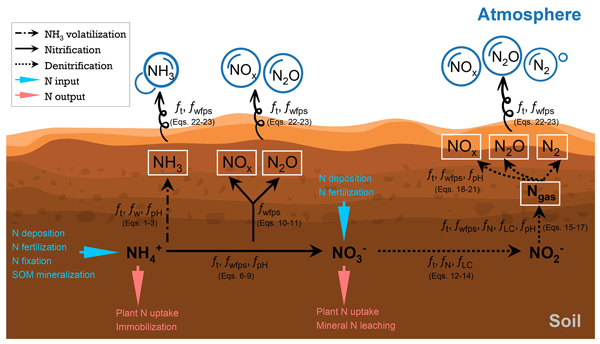
Nitrous oxide (N2O) is a powerful greenhouse gas mainly released from natural and agricultural soils. This study examines how global soil N2O emissions changed from 1961 to 2020 and identifies key factors driving these changes using an ecological model. The findings highlight croplands as the largest source, with factors like fertilizer use and climate change enhancing emissions. Rising CO2 levels, however, can partially mitigate N2O emissions through increased plant nitrogen uptake.
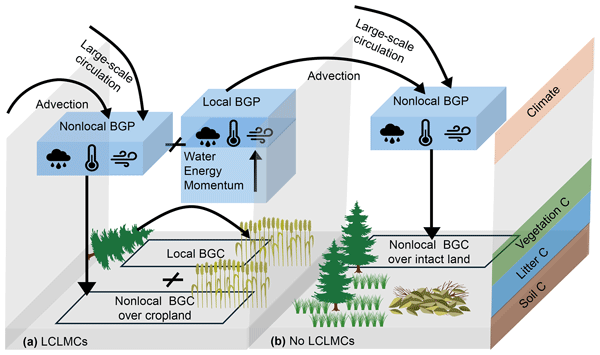
Suqi Guo, Felix Havermann, Steven J. De Hertog, Fei Luo, Iris Manola, Thomas Raddatz, Hongmei Li, Wim Thiery, Quentin Lejeune, Carl-Friedrich Schleussner, David Wårlind, Lars Nieradzik, and Julia Pongratz
Earth Syst. Dynam., 16, 631–666, https://doi.org/10.5194/esd-16-631-2025, https://doi.org/10.5194/esd-16-631-2025, 2025
Short summary
Short summary
Land cover and land management changes (LCLMCs) can alter climate even in intact areas, causing carbon changes in remote areas. This study is the first to assess these effects, finding they substantially alter global carbon dynamics, changing terrestrial stocks by up to dozens of gigatonnes. These results are vital for scientific and policy assessments, given the expected role of LCLMCs in achieving the Paris Agreement's goal to limit global warming below 1.5 °C.
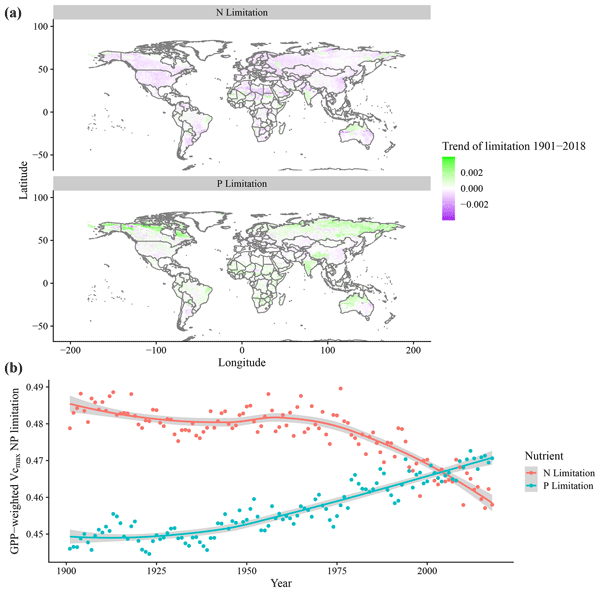
Mateus Dantas de Paula, Matthew Forrest, David Warlind, João Paulo Darela Filho, Katrin Fleischer, Anja Rammig, and Thomas Hickler
Geosci. Model Dev., 18, 2249–2274, https://doi.org/10.5194/gmd-18-2249-2025, https://doi.org/10.5194/gmd-18-2249-2025, 2025
Short summary
Short summary
Our study maps global nitrogen (N) and phosphorus (P) availability and how they changed from 1901 to 2018. We find that tropical regions are mostly P-limited, while temperate and boreal areas face N limitations. Over time, P limitation increased, especially in the tropics, while N limitation decreased. These shifts are key to understanding global plant growth and carbon storage, highlighting the importance of including P dynamics in ecosystem models.
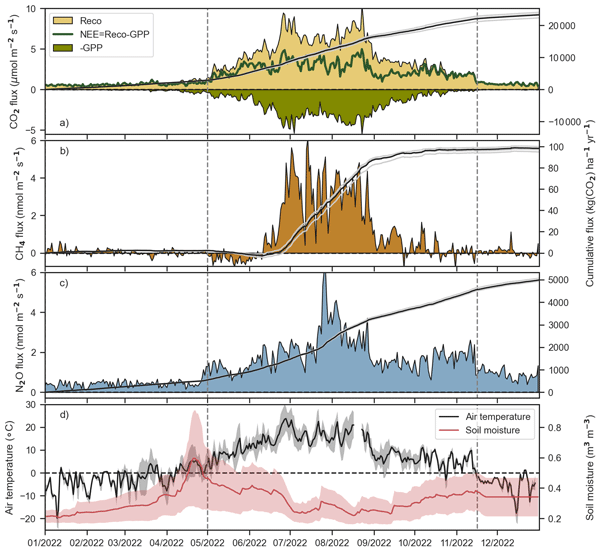
Olli-Pekka Tikkasalo, Olli Peltola, Pavel Alekseychik, Juha Heikkinen, Samuli Launiainen, Aleksi Lehtonen, Qian Li, Eduardo Martínez-García, Mikko Peltoniemi, Petri Salovaara, Ville Tuominen, and Raisa Mäkipää
Biogeosciences, 22, 1277–1300, https://doi.org/10.5194/bg-22-1277-2025, https://doi.org/10.5194/bg-22-1277-2025, 2025
Short summary
Short summary
The emissions of greenhouse gases (GHGs) carbon dioxide (CO2), methane (CH4) and nitrous oxide (N2O) were measured from a clear-cut peatland forest site. The measurements covered the whole year of 2022, which was the second growing season after the clear-cut. The site was a strong GHG source, and the highest emissions came from CO2, followed by N2O and CH4. A statistical model that included information on different surfaces at the site was developed to unravel surface-type-specific GHG fluxes.
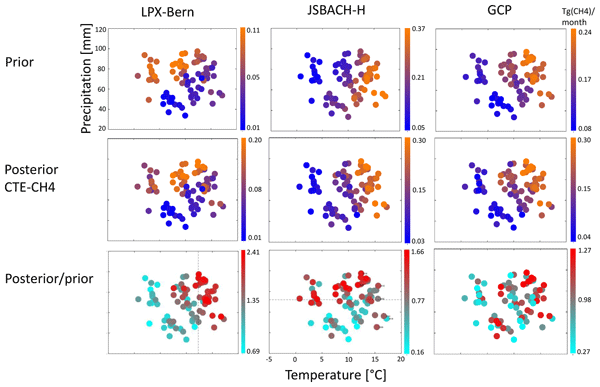
Tuula Aalto, Aki Tsuruta, Jarmo Mäkelä, Jurek Müller, Maria Tenkanen, Eleanor Burke, Sarah Chadburn, Yao Gao, Vilma Mannisenaho, Thomas Kleinen, Hanna Lee, Antti Leppänen, Tiina Markkanen, Stefano Materia, Paul A. Miller, Daniele Peano, Olli Peltola, Benjamin Poulter, Maarit Raivonen, Marielle Saunois, David Wårlind, and Sönke Zaehle
Biogeosciences, 22, 323–340, https://doi.org/10.5194/bg-22-323-2025, https://doi.org/10.5194/bg-22-323-2025, 2025
Short summary
Short summary
Wetland methane responses to temperature and precipitation were studied in a boreal wetland-rich region in northern Europe using ecosystem models, atmospheric inversions, and upscaled flux observations. The ecosystem models differed in their responses to temperature and precipitation and in their seasonality. However, multi-model means, inversions, and upscaled fluxes had similar seasonality, and they suggested co-limitation by temperature and precipitation.
Vilna Tyystjärvi, Tiina Markkanen, Leif Backman, Maarit Raivonen, Antti Leppänen, Xuefei Li, Paavo Ojanen, Kari Minkkinen, Roosa Hautala, Mikko Peltoniemi, Jani Anttila, Raija Laiho, Annalea Lohila, Raisa Mäkipää, and Tuula Aalto
Biogeosciences, 21, 5745–5771, https://doi.org/10.5194/bg-21-5745-2024, https://doi.org/10.5194/bg-21-5745-2024, 2024
Short summary
Short summary
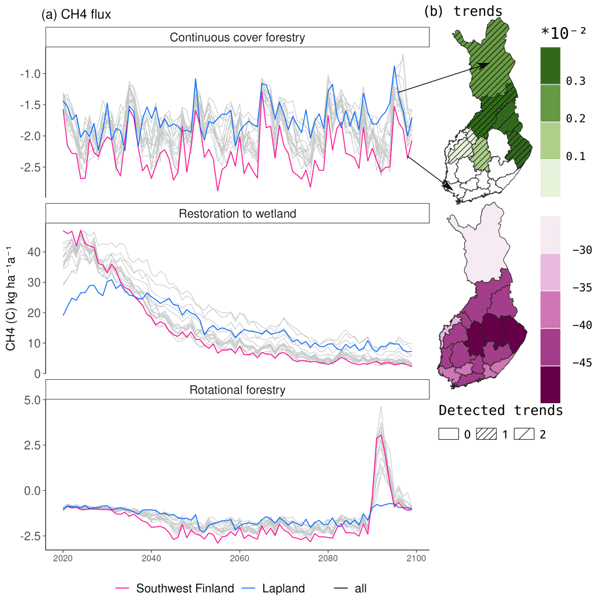
Drainage of boreal peatlands strongly influences soil methane fluxes, with important implications for climatic impacts. Here we simulate methane fluxes in forestry-drained and restored peatlands during the 21st century. We found that restoration turned peatlands into a source of methane, but the magnitude varied regionally. In forests, changes in the water table level influenced methane fluxes, and in general, the sink was weaker under rotational forestry compared to continuous cover forestry.
Boris Ťupek, Aleksi Lehtonen, Alla Yurova, Rose Abramoff, Bertrand Guenet, Elisa Bruni, Samuli Launiainen, Mikko Peltoniemi, Shoji Hashimoto, Xianglin Tian, Juha Heikkinen, Kari Minkkinen, and Raisa Mäkipää
Geosci. Model Dev., 17, 5349–5367, https://doi.org/10.5194/gmd-17-5349-2024, https://doi.org/10.5194/gmd-17-5349-2024, 2024
Short summary
Short summary
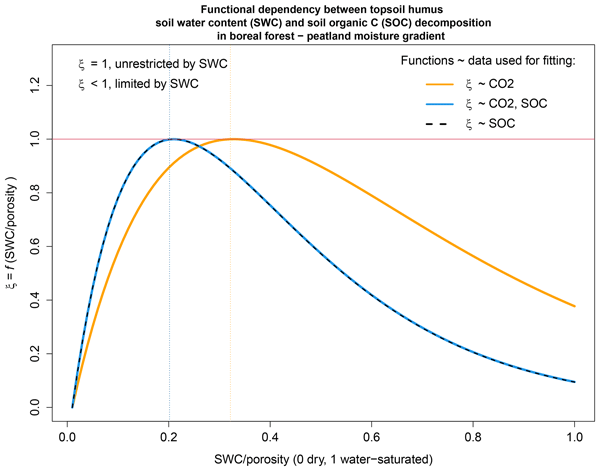
Updating the Yasso07 soil C model's dependency on decomposition with a hump-shaped Ricker moisture function improved modelled soil organic C (SOC) stocks in a catena of mineral and organic soils in boreal forest. The Ricker function, set to peak at a rate of 1 and calibrated against SOC and CO2 data using a Bayesian approach, showed a maximum in well-drained soils. Using SOC and CO2 data together with the moisture only from the topsoil humus was crucial for accurate model estimates.
Maiju Linkosalmi, Juha-Pekka Tuovinen, Olli Nevalainen, Mikko Peltoniemi, Cemal M. Taniş, Ali N. Arslan, Juuso Rainne, Annalea Lohila, Tuomas Laurila, and Mika Aurela
Biogeosciences, 19, 4747–4765, https://doi.org/10.5194/bg-19-4747-2022, https://doi.org/10.5194/bg-19-4747-2022, 2022
Short summary
Short summary
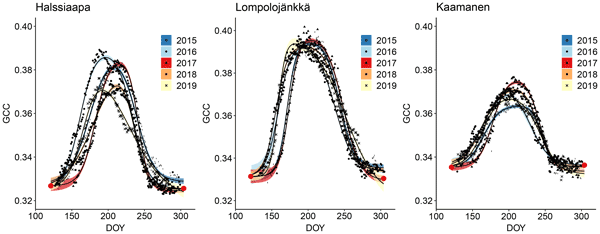
Vegetation greenness was monitored with digital cameras in three northern peatlands during five growing seasons. The greenness index derived from the images was highest at the most nutrient-rich site. Greenness indicated the main phases of phenology and correlated with CO2 uptake, though this was mainly related to the common seasonal cycle. The cameras and Sentinel-2 satellite showed consistent results, but more frequent satellite data are needed for reliable detection of phenological phases.
David Martín Belda, Peter Anthoni, David Wårlind, Stefan Olin, Guy Schurgers, Jing Tang, Benjamin Smith, and Almut Arneth
Geosci. Model Dev., 15, 6709–6745, https://doi.org/10.5194/gmd-15-6709-2022, https://doi.org/10.5194/gmd-15-6709-2022, 2022
Short summary
Short summary
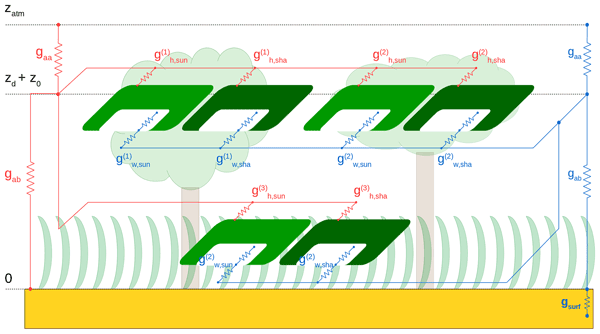
We present a number of augmentations to the ecosystem model LPJ-GUESS, which will allow us to use it in studies of the interactions between the land biosphere and the climate. The new module enables calculation of fluxes of energy and water into the atmosphere that are consistent with the modelled vegetation processes. The modelled fluxes are in fair agreement with observations across 21 sites from the FLUXNET network.
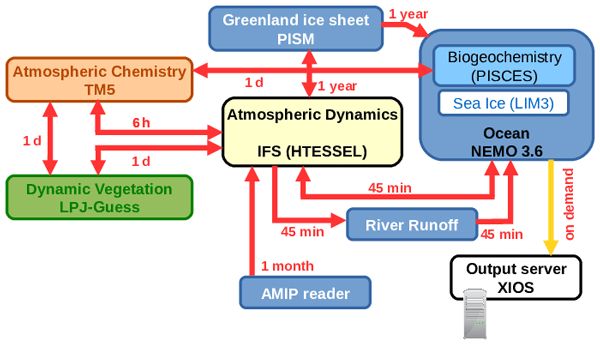
Ralf Döscher, Mario Acosta, Andrea Alessandri, Peter Anthoni, Thomas Arsouze, Tommi Bergman, Raffaele Bernardello, Souhail Boussetta, Louis-Philippe Caron, Glenn Carver, Miguel Castrillo, Franco Catalano, Ivana Cvijanovic, Paolo Davini, Evelien Dekker, Francisco J. Doblas-Reyes, David Docquier, Pablo Echevarria, Uwe Fladrich, Ramon Fuentes-Franco, Matthias Gröger, Jost v. Hardenberg, Jenny Hieronymus, M. Pasha Karami, Jukka-Pekka Keskinen, Torben Koenigk, Risto Makkonen, François Massonnet, Martin Ménégoz, Paul A. Miller, Eduardo Moreno-Chamarro, Lars Nieradzik, Twan van Noije, Paul Nolan, Declan O'Donnell, Pirkka Ollinaho, Gijs van den Oord, Pablo Ortega, Oriol Tintó Prims, Arthur Ramos, Thomas Reerink, Clement Rousset, Yohan Ruprich-Robert, Philippe Le Sager, Torben Schmith, Roland Schrödner, Federico Serva, Valentina Sicardi, Marianne Sloth Madsen, Benjamin Smith, Tian Tian, Etienne Tourigny, Petteri Uotila, Martin Vancoppenolle, Shiyu Wang, David Wårlind, Ulrika Willén, Klaus Wyser, Shuting Yang, Xavier Yepes-Arbós, and Qiong Zhang
Geosci. Model Dev., 15, 2973–3020, https://doi.org/10.5194/gmd-15-2973-2022, https://doi.org/10.5194/gmd-15-2973-2022, 2022
Short summary
Short summary
The Earth system model EC-Earth3 is documented here. Key performance metrics show physical behavior and biases well within the frame known from recent models. With improved physical and dynamic features, new ESM components, community tools, and largely improved physical performance compared to the CMIP5 version, EC-Earth3 represents a clear step forward for the only European community ESM. We demonstrate here that EC-Earth3 is suited for a range of tasks in CMIP6 and beyond.
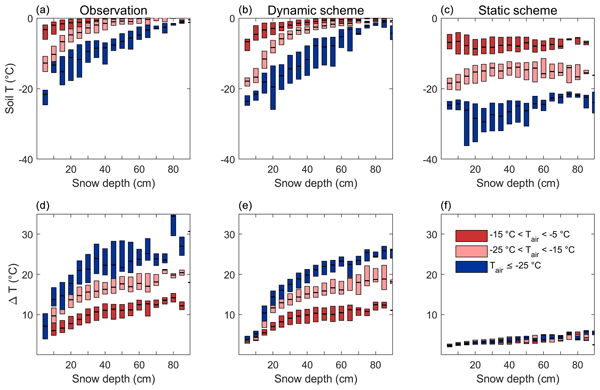
Alexandra Pongracz, David Wårlind, Paul A. Miller, and Frans-Jan W. Parmentier
Biogeosciences, 18, 5767–5787, https://doi.org/10.5194/bg-18-5767-2021, https://doi.org/10.5194/bg-18-5767-2021, 2021
Short summary
Short summary
This study shows that the introduction of a multi-layer snow scheme in the LPJ-GUESS DGVM improved simulations of high-latitude soil temperature dynamics and permafrost extent compared to observations. In addition, these improvements led to shifts in carbon fluxes that contrasted within and outside of the permafrost region. Our results show that a realistic snow scheme is essential to accurately simulate snow–soil–vegetation relationships and carbon–climate feedbacks.
Cited articles
Alwis, N. S., Perera, P., and Dayawansa, N. P.: Response of tropical avifauna to visitor recreational disturbances: a case study from the Sinharaja World Heritage Forest, Sri Lanka, Avian Res., 7, 1–13, https://doi.org/10.1186/s40657-016-0050-5, 2016. a
Bellassen, V., Le Maire, G., Dhôte, J., and Viovy, N.: Modelling forest management within a global vegetation model – Part 1: Model Structure and general behaviour, Ecol. Model., 221, 2458–2474, https://doi.org/10.1016/j.ecolmodel.2010.07.008, 2010. a
Brockerhoff, E. G., Barbaro, L., Castagneyrol, B., Forrester, D. I., Gardiner, B., González-Olabarria, J. R., Lyver, P. O., Meurisse, N., Oxbrough, A., Taki, H., Thompson, I. D., van der Plas, F., and Jactel, H.: Forest biodiversity, ecosystem functioning and the provision of ecosystem services, Biodivers. Conserv., 26, 3005–3035, https://doi.org/10.1007/s10531-017-1453-2, 2017. a
Brokaw, N. and Busing, R. T.: Niche versus chance and tree diversity in forest gaps, Trends Ecol. Evol., 15, 183–188, https://doi.org/10.1016/S0169-5347(00)01822-x, 2000. a
Brzeziecki, B., Pommerening, A., Miścicki, S., Drozdowski, S., and Żybura, H.: A common lack of demographic equilibrium among tree species in Białowieża National Park (NE Poland): evidence from long-term plots, J. Veg. Sci., 27, 460–469, https://doi.org/10.1111/jvs.12369, 2016. a
Brzeziecki, B., Woods, K., Bolibok, L., Zajączkowski, J., Drozdowski, S., Bielak, K., and Żybura, H.: Over 80 years without major disturbance, late-successional Białowieża woodlands exhibit complex dynamism, with coherent compositional shifts towards true old-growth conditions, J. Ecol., 108, 1138–1154, https://doi.org/10.5061/dryad.2fqz612ks, 2020. a, b
Chazdon, R. L., Pearcy, R. W., Lee, D. W., and Fetcher, N.: Photosynthetic responses of tropical forest plants to contrasting light environments, in: Tropical forest plant ecophysiology, Springer, 5–55, https://doi.org/10.1007/978-1-4613-1163-8_1, 1996. a
Denslow, J. S.: Tropical rainforest gaps and tree species diversity, Annu. Rev. Ecol. Syst., 431–451, https://doi.org/10.1146/annurev.es.18.110187.002243, 1987. a
Dietze, M. C., Fox, A., Beck-Johnson, L. M., Betancourt, J. L., Hooten, M. B., Jarnevich, C. S., Keitt, T. H., Kenney, M. A., Laney, C. M., Larsen, L. G., Loescher, H. W., Lunch, C. K., Pijanowski, B. C., Randerson, J. T., Read, E. K., Tredennick, A. T., Vargas, R., Weathers, K. C., and White, E. P.: Iterative near-term ecological forecasting: Needs, opportunities, and challenges, P. Natl. Acad. Sci. USA, 115, 1424–1432, https://doi.org/10.1073/pnas.1710231115, 2018. a
D’Onofrio, D., Baudena, M., Lasslop, G., Nieradzik, L. P., Wårlind, D., and von Hardenberg, J.: Linking vegetation-climate-fire relationships in sub-Saharan Africa to key ecological processes in two dynamic global vegetation models, Frontiers in Environmental Science, 8, 136, https://doi.org/10.3389/fenvs.2020.00136, 2020. a
Douglas, I.: The Forests of the Danum Valley Conservation Area, in: Water and the Rainforest in Malaysian Borneo – Hydrological Research at the Danum Valley Field Centre, edited by: Canadell, J., Springer Nature, Switzerland, 47–68, https://doi.org/10.1007/978-3-030-91544-5, 2022. a
Eckes-Shephard, A. H., Argles, A. P. K., Brzeziecki, B., Cox, P. M., De Kauwe, M. G., Esquivel-Muelbert, A., Fisher, R. A., Hurtt, G. C., Knauer, J., Koven, C. D., Lehtonen, A., Luyssaert, S., Marqués, L., Ma, L., Marie, G., Moore, J. R., Needham, J. F., Olin, S., Peltoniemi, M., Piltz, K., Sato, H., Sitch, S., Stocker, B. D., Weng, E., Zuleta, D., and Pugh, T. A. M.: Demography, dynamics and data: building confidence for simulating changes in the world's forests, New Phytol., 248, 2722–2749, https://doi.org/10.1111/nph.70643, 2025. a, b
Egbe, E. A., Chuyong, G. B., Fonge, B. A., and Namuene, K. S.: Forest disturbance and natural regeneration in an African rainforest at Korup National Park, Cameroon, International Journal of Biodiversity and Conservation, 4, 377–384, https://doi.org/10.5897/IJBC12.031, 2012. a
Esquivel-Muelbert, A., Phillips, O., Brienen, R., Fauset, S., Sullivan, M., Baker, T., Chao, K.-J., Feldpausch, T., Gloor, E., Higuchi, N., Houwing-Duistermaat, J., Lloyd, J., Liu, H., Malhi, Y., Marimon, B., Junior, B., Monteagudo-Mendoza, A., Poorter, L., Silveira, M., Torre, E., Dávila, E., Pasquel, J. A., Almeida, E., Loayza, P., Andrade, A., Aragão, L., Araujo-Murakami, A., Arets, E., Arroyo, L., C, G., Baisie, M., Baraloto, C., Camargo, P., Barroso, J., Blanc, L., Bonal, D., Bongers, F., Boot, R., Brown, F., Burban, B., Camargo, J., Castro, W., Moscoso, V., Chave, J., Comiskey, J., Valverde, F., da Costa, A., Cardozo, N., Di Fiore, A., Dourdain, A., Erwin, T., Llampazo, G., Vieira, I., Herrera, R., Coronado, E., Huamantupa-Chuquimaco, I., Jimenez-Rojas, E., Killeen, T., Laurance, S., Laurance, W., Levesley, A., Lewis, S., Ladvocat, K., Lopez-Gonzalez, G., Lovejoy, T., Meir, P., Mendoza, C., Morandi, P., Neill, D., Lima, A., Vargas, P., de Oliveira, E., Camacho, N., Pardo, G., Peacock, J., Peña-Claros, M., Peñuela-Mora, M., Pickavance, G., Pipoly, J., Pitman, N., Prieto, A., Pugh, T., Quesada, C., Ramirez-Angulo, H., de A. Reis, S., Rejou-Machain, M., Correa, Z., Bayona, L., Rudas, A., Salomão, R., Serrano, J., Espejo, J., Silva, N., Singh, J., Stahl, C., Stropp, J., Swamy, V., Talbot, J., ter Steege, H., Terborgh, J., Thomas, R., Toledo, M., Torres-Lezama, A., Gamarra, L., van der Heijden, G., van der Meer, P., van der Hout, P., Martinez, R., Vieira, S., Cayo, J., Vos, V., Zagt, R., Zuidema, P., and Galbraith, D.: Tree mode of death and mortality risk factors across Amazon forests, Nat. Commun., 11, 1–11, https://doi.org/10.1038/s41467-020-18996-3, 2020. a
Fisher, R., McDowell, N., Purves, D., Moorcroft, P., Sitch, S., Cox, P., Huntingford, C., Meir, P., and Woodward, F. I.: Assessing uncertainties in a second-generation dynamic vegetation model caused by ecological scale limitations, New Phytol., 187, 666–681, https://doi.org/10.1111/j.1469-8137.2010.03340.x, 2010. a
Fisher, R. A., Muszala, S., Verteinstein, M., Lawrence, P., Xu, C., McDowell, N. G., Knox, R. G., Koven, C., Holm, J., Rogers, B. M., Spessa, A., Lawrence, D., and Bonan, G.: Taking off the training wheels: the properties of a dynamic vegetation model without climate envelopes, CLM4.5(ED), Geosci. Model Dev., 8, 3593–3619, https://doi.org/10.5194/gmd-8-3593-2015, 2015. a
Fisher, R. A., Koven, C. D., Anderegg, W. R. L., Christoffersen, B. O., Dietze, M. C., Farrior, C. E., Holm, J. A., Hurtt, G. C., Knox, R. G., Lawrence, P. J., Lichstein, J. W., Longo, M., Matheny, A. M., Medvigy, D., Muller-Landau, H. C., Powell, T. L., Serbin, S. P., Sato, H., Shuman, J. K., Smith, B., Trugman, A. T., Viskari, T., Verbeeck, H., Weng, E., Xu, C., Xu, X., Zhang, T., and Moorcroft, P. R.: Vegetation demographics in Earth System Models: A review of progress and priorities, Glob. Change Biol., 24, 35–54, https://doi.org/10.1111/gcb.13910, 2018. a, b, c
Ghazoul, J., Burivalova, Z., Garcia-Ulloa, J., and King, L. A.: Conceptualizing forest degradation, Trends Ecol. Evol., 30, 622–632, https://doi.org/10.1016/j.tree.2015.08.001, 2015. a
Hardiman, B. S., Bohrer, G., Gough, C. M., and Curtis, P. S.: Canopy structural changes following widespread mortality of canopy dominant trees, Forests, 4, 537–552, https://doi.org/10.3390/f4030537, 2013. a
Hickler, T., Vohland, K., Feehan, J., Miller, P. A., Smith, B., Costa, L., Giesecke, T., Fronzek, S., Carter, T. R., Cramer, W., Kühn, I., and Sykes, M. T.: Projecting the future distribution of European potential natural vegetation zones with a generalized, tree species-based dynamic vegetation model, Global Ecol. Biogeogr., 21, 50–63, https://doi.org/10.1111/j.1466-8238.2010.00613.x, 2012. a
Holm, J. A., Thompson, J. R., McShea, W. J., and Bourg, N. A.: Interactive effects of chronic deer browsing and canopy gap disturbance on forest successional dynamics, Ecosphere, 4, 1–23, https://doi.org/10.1890/ES13-00223.1, 2013. a
King, D. A.: The adaptive significance of tree height, Am. Nat., 135, 809–828, 1990. a
Koven, C. D., Knox, R. G., Fisher, R. A., Chambers, J. Q., Christoffersen, B. O., Davies, S. J., Detto, M., Dietze, M. C., Faybishenko, B., Holm, J., Huang, M., Kovenock, M., Kueppers, L. M., Lemieux, G., Massoud, E., McDowell, N. G., Muller-Landau, H. C., Needham, J. F., Norby, R. J., Powell, T., Rogers, A., Serbin, S. P., Shuman, J. K., Swann, A. L. S., Varadharajan, C., Walker, A. P., Wright, S. J., and Xu, C.: Benchmarking and parameter sensitivity of physiological and vegetation dynamics using the Functionally Assembled Terrestrial Ecosystem Simulator (FATES) at Barro Colorado Island, Panama, Biogeosciences, 17, 3017–3044, https://doi.org/10.5194/bg-17-3017-2020, 2020. a
Kunstler, G., Lavergne, S., Courbaud, B., Thuiller, W., Vieilledent, G., Zimmermann, N. E., Kattge, J., and Coomes, D. A.: Competitive interactions between forest trees are driven by species' trait hierarchy, not phylogenetic or functional similarity: implications for forest community assembly, Ecol. Lett., 15, 831–840, https://doi.org/10.1111/j.1461-0248.2012.01803.x, 2012. a
Larson, A. J. and Churchill, D.: Tree spatial patterns in fire-frequent forests of western North America, including mechanisms of pattern formation and implications for designing fuel reduction and restoration treatments, Forest Ecol. Manag., 267, 74–92, https://doi.org/10.1016/j.foreco.2011.11.038, 2012. a
Lavorel, S. and Garnier, E.: Predicting changes in community composition and ecosystem functioning from plant traits: revisiting the Holy Grail, Funct. Ecol., 16, 545–556, https://doi.org/10.1046/j.1365-2435.2002.00664.x, 2002. a
Legendre, P. and Condit, R.: Spatial and temporal analysis of beta diversity in the Barro Colorado Island forest dynamics plot, Panama, Forest Ecosystems, 6, 1–11, https://doi.org/10.1186/s40663-019-0164-4, 2019. a
Lin, T.-C., Hamburg, S. P., Lin, K.-C., Wang, L.-J., Chang, C.-T., Hsia, Y.-J., Vadeboncoeur, M. A., Mabry McMullen, C. M., and Liu, C.-P.: Typhoon disturbance and forest dynamics: lessons from a northwest Pacific subtropical forest, Ecosystems, 14, 127–143, https://doi.org/10.1007/s10021-010-9399-1, 2011. a
López-Quintero, C. A., Straatsma, G., Franco-Molano, A. E., and Boekhout, T.: Macrofungal diversity in Colombian Amazon forests varies with regions and regimes of disturbance, Biodivers. Conserv., 21, 2221–2243, https://doi.org/10.1007/s10531-012-0280-8, 2012. a
McDowell, N. G., Allen, C. D., Anderson-Teixeira, K., Aukema, B. H., Bond-Lamberty, B., Chini, L., Clark, J. S., Dietze, M., Grossiord, C., Hanbury-Brown, A., Hurtt, G. C., Jackson, R. B., Johnson, D. J., Kueppers, L., Lichstein, J. W., Ogle, K., Poulter, B., Pugh, T. A. M., Seidl, R., Turner, M. G., Uriarte, M., Walker, A. P., and Xu, C.: Pervasive shifts in forest dynamics in a changing world, Science, 368, eaaz9463, https://doi.org/10.1126/science.aaz9463, 2020. a
Moorcroft, P. R., Hurtt, G. C., and Pacala, S. W.: A method for scaling vegetation dynamics: the ecosystem demography model (ED), Ecol. Monogr., 71, 557–586, https://doi.org/10.1890/0012-9615(2001)071[0557:AMFSVD]2.0.CO;2, 2001. a
Niinemets, Ü. and Kull, O.: Effects of light availability and tree size on the architecture of assimilative surface in the canopy of Picea abies: variation in needle morphology, Tree Physiol., 15, 307–315, https://doi.org/10.1093/treephys/15.5.307, 1995. a
Pacala, S. W. and Deutschman, D. H.: Details that matter: the spatial distribution of individual trees maintains forest ecosystem function, Oikos, 357–365, https://doi.org/10.2307/3545980, 1995. a, b
Peltoniemi, M. and Mäkipää, R.: Quantifying distance-independent tree competition for predicting Norway spruce mortality in unmanaged forests, Forest Ecol. Manag., 261, 30–42, https://doi.org/10.1016/j.foreco.2010.09.019, 2011. a, b, c
Peters, H. A.: Clidemia hirta invasion at the pasoh forest reserve: an unexpected plant invasion in an undisturbed tropical forest, Biotropica, 33, 60–68, https://doi.org/10.1111/j.1744-7429.2001.tb00157.x, 2001. a
Potts, M. D.: Drought in a Bornean everwet rain forest, J. Ecol., 91, 467–474, https://doi.org/10.1046/j.1365-2745.2003.00779.x, 2003. a
Prentice, I. C., Sykes, M., and Cramer, W.: A simulation model for the transient effects of climate change on forest landscapes, Ecol. Model., 65, 51–70, https://doi.org/10.1016/0304-3800(93)90126-D, 1993. a
Pretzsch, H. and Biber, P.: A Re-Evaluation of Reineke’s Rule and Stand Density Index, Forest Sci., 51, 304–320, https://doi.org/10.1093/forestscience/51.4.304, 2005. a
Puettmann, K. J., Coates, K. D., and Messier, C. C.: A critique of silviculture: managing for complexity, Island press, ISBN 978-1610911238, 2012. a
Pugh, T. A. M., Arneth, A., Kautz, M., Poulter, B., and Smith, B.: Important role of forest disturbances in the global biomass turnover and carbon sinks, Nat. Geosci., 12, 730–735, https://doi.org/10.1038/s41561-019-0427-2, 2019a. a
Pugh, T. A. M., Lindeskog, M., Smith, B., Poulter, B., Arneth, A., Haverd, V., and Calle, L.: Role of forest regrowth in global carbon sink dynamics, P. Natl. Acad. Sci. USA, 116, 4382–4387, https://doi.org/10.1073/pnas.1810512116, 2019b. a, b
Pugh, T. A. M., Seidl, R., Liu, D., Lindeskog, M., Chini, L. P., and Senf, C.: The anthropogenic imprint on temperate and boreal forest demography and carbon turnover, Global Ecol. Biogeogr., 33, 100–115, https://doi.org/10.1111/geb.13773, 2024. a
Purves, D. W., Lichstein, J. W., Strigul, N. G., and Pacala, S. W.: Predicting and understanding forest dynamics using a simple tractable model, P. Natl. Acad. Sci. USA, 105, 17018–17022, https://doi.org/10.1073/pnas.0807754105, 2008. a
Sato, H., Itoh, A., and Kohyama, T.: SEIB–DGVM: a new dynamic global vegetation model using a spatially explicit individual-based approach, Ecol. Model., 200, 279–307, https://doi.org/10.1016/j.ecolmodel.2006.09.006, 2007. a
Senf, C. and Seidl, R.: Mapping the forest disturbance regimes of Europe, Nature Sustainability, 4, 63–70, https://doi.org/10.1038/s41893-020-00609-y, 2021. a
Shaw, D. C., Franklin, J. F., Bible, K., Klopatek, J., Freeman, E., Greene, S., and Parker, G. G.: Ecological setting of the Wind River old-growth forest, Ecosystems, 7, 427–439, https://doi.org/10.1007/s10021-004-0135-6, 2004. a
Shinozaki, K., Yoda, K., Hozumi, K., and Kira, T.: A quantitative analysis of plant form – the pipe model theory. I. basic analyses, Japanese Journal of Ecology, 14, 97–105, https://doi.org/10.18960/seitai.14.3_97, 1964a. a
Shinozaki, K., Yoda, K., Hozumi, K., and Kira, T.: A quantitative analysis of plant form – the pipe model theory. II. further evidence of the theory and its application in forest ecology, Japanese Journal of Ecology, 14, 133–139, https://doi.org/10.18960/seitai.14.4_133, 1964b. a
Shugart, H. H.: A Theory of Forest Dynamics: The Ecological Implications of Forest Succession Models, Springer-Verlag, New York, ISBN 978-0387960471, 1984. a
Sitch, S., Smith, B., Prentice, I. C., Arneth, A., Bondeau, A., Cramer, W., Kaplan, J. O., Levis, S., Lucht, W., Sykes, M. Thonicke, K., and Venevsky, S.: Evaluation of ecosystem dynamics, plant geography and terrestrial carbon cycling in the LPJ dynamic global vegetation model, Glob. Change Biol., 9, 161–185, https://doi.org/10.1046/j.1365-2486.2003.00569.x, 2003. a
Sitch, S., Huntingford, C., Gedney, N., Levy, P. E., Lomas, M., Piao, S. L., Betts, R., Ciais, P., Cox, P., Friedlingstein, P., Jones, C. D., Prentice, I. C., and Woodward, F. I.: Evaluation of the terrestrial carbon cycle, future plant geography and climate-carbon cycle feedbacks using five Dynamic Global Vegetation Models (DGVMs), Glob. Change Biol., 14, 2015–2039, https://doi.org/10.1111/j.1365-2486.2008.01626.x, 2008. a
Smith, B., Prentice, I. C., and Sykes, M. T.: Representation of vegetation dynamics in the modelling of terrestrial ecosystems: comparing two contrasting approaches within European climate space, Global Ecol. Biogeogr., 621–637, https://doi.org/10.1046/j.1466-822X.2001.t01-1-00256.x, 2001. a, b, c, d, e, f, g
Smith, B., Wårlind, D., Arneth, A., Hickler, T., Leadley, P., Siltberg, J., and Zaehle, S.: Implications of incorporating N cycling and N limitations on primary production in an individual-based dynamic vegetation model, Biogeosciences, 11, 2027–2054, https://doi.org/10.5194/bg-11-2027-2014, 2014. a, b, c, d, e, f
Strigul, N., Pristinski, D., Purves, D., Dushoff, J., and Pacala, S.: Scaling from trees to forests: tractable macroscopic equations for forest dynamics, Ecol. Monogr., 78, 523–545, https://doi.org/10.1890/08-0082.1, 2008. a, b, c
Sukumar, R., Suresh, H. S., Dattaraja, H. S., John, R., and Joshi, N. V.: Mudumalai forest dynamics plot, India, in: Tropical forest diversity and dynamism: Findings from a large-scale plot network, edited by: Losos, E. C. and Leigh, E. G., Univ. of Chicago Press, Chicago, USA, 551–563, ISBN 978-0226493466, 1999. a
Thorpe, H. C. and Thomas, S. C.: Partial harvesting in the Canadian boreal: success will depend on stand dynamic responses, Forest. Chron., 83, 319–325, https://doi.org/10.5558/tfc83319-3, 2007. a
Trifković, V., Bončina, A., and Ficko, A.: Density-dependent mortality models for mono- and multi-species uneven-aged stands: The role of species mixture, Forest Ecol. Manag., 545, 121260, https://doi.org/10.1016/j.foreco.2023.121260, 2023. a
Tweiten, M. and Hotchkiss, S.: PS 64-84: Spatial processes and tree fall disturbance affect understory plant community composition in Hawaiian montane rainforests, in: The 94th ESA Annual Meeting, Albuquerque, New Mexico, USA, https://programarchives.z20.web.core.windows.net/2009/Paper19731.html, (last access: 22 April 2026), 2009. a
Van der Plas, F., Ratcliffe, S., Ruiz-Benito, P., et al.: Continental mapping of forest ecosystem functions reveals a high but unrealised potential for forest multifunctionality, Ecol. Lett., 21, 31–42, https://doi.org/10.1111/ele.12868, 2018. a
Viljur, M.-L., Abella, S. R., Adámek, M., et al.: Tavella, Clara Wendenburg, Beat Wermelinger, Andrey S. Zaitsev, Simon Thorn: The effect of natural disturbances on forest biodiversity: an ecological synthesis, Biol. Rev., 97, 1930–1947, https://doi.org/10.1111/brv.12876, 2022. a
Vincent, J. B., Henning, B., Saulei, S., Sosanika, G., and Weiblen, G. D.: Forest carbon in lowland Papua New Guinea: Local variation and the importance of small trees, Austral Ecol., 40, 151–159, https://doi.org/10.1111/aec.12187, 2015. a
Viovy, N.: CRUNCEP Version 7 – Atmospheric Forcing Data for the Community Land Model, Research Data Archive at the National Center for Atmospheric Research, Computational and Information Systems Laboratory, https://doi.org/10.5065/PZ8F-F017, 2016. a
Waring, R. H. and Running, S. W.: Forest ecosystems: analysis at multiple scales, Elsevier, ISBN 978-0123706058, 2010. a
Waring, R. H., Schroeder, P. E., and Oren, R.: Application of the pipe model theory to predict canopy leaf area, Can. J. Forest Res., 12, 556–560, https://doi.org/10.1139/x82-086, 1964. a
Wårlind, D., Smith, B., Hickler, T., and Arneth, A.: Nitrogen feedbacks increase future terrestrial ecosystem carbon uptake in an individual-based dynamic vegetation model, Biogeosciences, 11, 6131–6146, https://doi.org/10.5194/bg-11-6131-2014, 2014. a
Wårlind, D., Stoebke, J. E., Olin, S., and Pugh, T.: Representing canopy structure dynamics within the LPJ-GUESS dynamic global vegetation model (revision 13221), Zenodo [data set], https://doi.org/10.5281/zenodo.18133363, 2025. a
Waterman, J. M., D'Amato, A. W., Foster, D. R., Orwig, D. A., and Pederson, N.: Historic forest composition and structure across an old-growth landscape in New Hampshire, USA, J. Torrey Bot. Soc., 147, 291–303, 2020. a
Weng, E. S., Malyshev, S., Lichstein, J. W., Farrior, C. E., Dybzinski, R., Zhang, T., Shevliakova, E., and Pacala, S. W.: Scaling from individual trees to forests in an Earth system modeling framework using a mathematically tractable model of height-structured competition, Biogeosciences, 12, 2655–2694, https://doi.org/10.5194/bg-12-2655-2015, 2015. a
Wright, S. J., Kitajima, K., Kraft, N. J. B., Reich, P. B., Wright, I. J., Bunker, D. E., Condit, R., Dalling, J. W., Davies, S. J., Díaz, S., Engelbrecht, B. M. J., Harms, K. E., Hubbell, S. P., Marks, C. O., Ruiz-Jaen, M. C., Salvador, C. M., and Zann, A. E.: Functional traits and the growth-mortality trade-off in tropical trees, Ecology, 91, 3664–3674, https://doi.org/10.1890/09-2335.1, 2010. a, b
Yu, K., Chen, H. Y. H., Gessler, A., Pugh, T. A. M., Searle, E. B., Allen, R. B., Pretzsch, H., Ciais, P., Phillips, O. L., Brienen, R. J. W., Chu, C., Xie, S., and Ballantyne, A. P.: Forest demography and biomass accumulation rates are associated with transient mean tree size vs. density scaling relations, PNAS Nexus, 3, pgae008, https://doi.org/10.1093/pnasnexus/pgae008, 2024. a, b, c, d
Zhang, Y., Wang, A., Liu, Y., Shen, L., Cai, R., and Wu, J.: Disturbance of Wind Damage and Insect Outbreaks in the Old-Growth Forest of Changbai Mountain, Northeast China, Forests, 14, 368, https://doi.org/10.3390/f14020368, 2023. a
Zimmerman, J. K., Wood, T. E., González, G., Ramirez, A., Silver, W. L., Uriarte, M., Willig, M. R., Waide, R. B., and Lugo, A. E.: Disturbance and resilience in the Luquillo Experimental Forest, Biol. Conserv., 253, 108891, https://doi.org/10.1016/j.biocon.2020.108891, 2021. a
Short summary
Forests are shaped by how trees compete for light. We improved a widely used vegetation model by introducing spatially explicit canopies, allowing light distribution to vary realistically, especially after disturbances like tree death or harvest. This enhances the simulation of forest structure, tree coexistence, and regeneration, providing a better model for predicting forest dynamics and responses to management and environmental change.
Forests are shaped by how trees compete for light. We improved a widely used vegetation model by...


